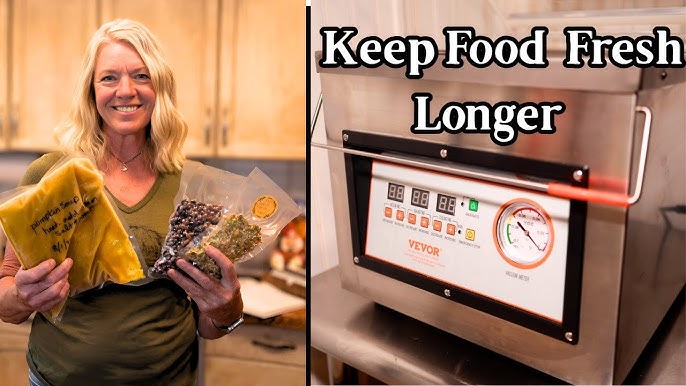
Have you ever found yourself staring at a vacuum-sealed meal, wondering how to bring it back to life without losing its original flavor and texture? You’re not alone.
Reheating vacuum-sealed food can be a game-changer in your kitchen routine, saving you time and effort. But doing it the right way is crucial to ensure your meals taste just as delightful as the day they were sealed. In this guide, you’ll discover practical tips and methods that will transform your reheating process.
Get ready to unlock the secrets of enjoying your vacuum-sealed meals with the same freshness and taste you fell in love with. Curious? Keep reading to ensure your next meal is nothing short of perfection.
Credit: inkbird.com
Choosing The Right Method
Choosing the right method to reheat vacuum sealed food can make all the difference in taste, texture, and safety. Different foods respond better to specific reheating techniques, so knowing which one suits your meal saves you from disappointment. Your choice depends on the type of food, how much time you have, and the equipment you can access.
Microwave Heating
Microwaving is quick and convenient, perfect when you’re short on time. However, it can heat unevenly, causing some parts to overcook while others remain cold.
To avoid this, pierce the vacuum seal or transfer the food to a microwave-safe container. Stirring halfway through helps heat the food evenly.
Boiling Water Bath
This method uses hot water to gently warm your vacuum sealed food without direct heat. It’s especially good for soups, stews, and delicate proteins like fish.
Simply submerge the sealed bag in boiling water for a few minutes. Keep an eye on the time to prevent overcooking or bag damage.
Oven Reheating
The oven is ideal for reheating meals where you want to preserve or restore crispiness, like roasted vegetables or meats. It provides even heat but takes longer compared to other methods.
Preheat your oven to a moderate temperature and place the vacuum sealed food in an oven-safe dish. Remove the food from the bag before reheating to avoid melting or harmful fumes.
Sous Vide Technique
Using sous vide to reheat vacuum sealed food is a game-changer for maintaining flavor and texture. It heats food evenly at a precise temperature, preventing overcooking.
Set your sous vide machine to the recommended temperature for your dish and immerse the sealed bag. This method requires patience but rewards you with restaurant-quality results.
Preparing Vacuum Sealed Food
Preparing vacuum sealed food properly helps keep its quality and taste during reheating. This step ensures the food heats evenly and stays safe to eat. Taking a moment to prepare the food can make a big difference in the final result.
Checking Packaging Integrity
Start by examining the vacuum seal carefully. Look for any holes, tears, or leaks in the plastic. Damaged packaging can let air in and cause spoilage. If you spot any issues, do not reheat the food in that bag. Transfer the contents to a suitable container instead.
Removing Excess Air
Some vacuum sealed bags may have small pockets of air inside. Gently press the bag to push out any trapped air. This helps the food heat more evenly. Less air means better contact with hot water or heat sources during reheating.
Portioning For Even Heating
Divide large vacuum sealed packs into smaller portions if possible. Smaller pieces heat faster and more evenly. This avoids cold spots or overcooked edges. Use clean scissors to cut the bag carefully without spilling.
Microwave Tips For Even Heating
Reheating vacuum-sealed food in the microwave can be tricky. Uneven heating often leaves cold spots or overheated edges. Following simple tips helps heat your food evenly and safely. These tricks make your meal taste fresh and stay safe to eat.
Using Microwave-safe Containers
Always transfer vacuum-sealed food to microwave-safe containers. Plastic or glass containers labeled microwave-safe work best. Avoid reheating food inside vacuum bags unless they are labeled for microwave use. This prevents harmful chemicals from leaching into your food. It also stops bags from melting or bursting during heating.
Adjusting Power Levels
Lower microwave power helps heat food evenly. Set your microwave to medium or 50% power. This slows cooking and stops hot spots from forming. Heating food at full power often cooks edges while leaving the center cold. Using a lower power level gives heat time to spread throughout the food.
Stirring And Rotating Food
Stir or rotate food halfway through reheating. This moves cooler parts to the outside where heat is stronger. Stirring helps break up cold spots inside thick or dense foods. Use a microwave-safe utensil to stir gently. If your microwave has a turntable, make sure it is working to rotate food automatically.
Boiling Water Bath Tips
Reheating vacuum sealed food using a boiling water bath keeps meals moist and flavorful. This method gently warms food without drying it out. It requires careful attention to water temperature, timing, and the bag’s condition. Follow these tips for safe and tasty results.
Maintaining Water Temperature
Keep the water just below a full boil, around 180°F to 195°F (82°C to 90°C). Boiling water can damage the bag or food texture. Use a thermometer to check temperature often. Add hot water as needed to keep the level steady.
Timing For Different Foods
- Thin items like fish or vegetables need 10 to 15 minutes.
- Thicker meats or stews require 20 to 30 minutes.
- Frozen food takes longer, about 30 to 45 minutes.
Check food occasionally to avoid overcooking. Adjust time based on portion size and thickness.
Avoiding Bag Damage
Use bags made for boiling or sous vide cooking only. Avoid plastic bags not labeled safe for heat. Do not let bags touch the pot sides or bottom. Use tongs to gently place and remove bags from water. Check for leaks before reheating to prevent spills.
Oven Reheating Guidelines
Reheating vacuum sealed food in the oven keeps flavors fresh and textures intact. This method works well for many cooked meals and leftovers. Use gentle heat to avoid drying out or overcooking the food. Follow simple steps to reheat safely and effectively.
Setting The Right Temperature
Preheat the oven between 250°F and 300°F (120°C to 150°C). Low heat warms food evenly without burning. Keep the temperature steady throughout reheating. Higher heat risks toughening or drying the food. Adjust time based on portion size and type of dish.
Using Foil And Oven-safe Bags
Wrap vacuum sealed food in aluminum foil to retain moisture. Foil protects the food from direct heat. Use oven-safe bags designed for reheating as an alternative. Avoid plastic bags not meant for ovens. Secure packaging tightly to prevent leaks and spills.
Monitoring Food Moisture
Check moisture levels often to avoid dryness. Add a small splash of water or broth before sealing. Cover dishes with foil to trap steam inside. Open the foil briefly during reheating to release excess steam. Moist food reheats better and tastes fresher.
Sous Vide Reheating Benefits
Reheating vacuum sealed food using sous vide is a game-changer for preserving taste and quality. This technique keeps your meals as close to freshly cooked as possible. It’s not just about warming food; it’s about maintaining the integrity of every bite.
Precise Temperature Control
Sous vide lets you heat food to the exact temperature you want, without risk of overcooking. This means your steak won’t turn tough, and your vegetables won’t get mushy. You set the temperature once, and the water bath does the rest, creating consistent results every time.
Retaining Flavor And Texture
Because the food is sealed in a vacuum bag, none of the juices or flavors escape during reheating. This keeps the food moist and tender, unlike microwaving or pan reheating, which can dry out or toughen your meal. You get the same delicious texture and taste as when it was first cooked.
Recommended Time Frames
Reheating times vary depending on the type and thickness of your food. For example:
- Chicken breasts: 45-60 minutes at 140°F (60°C)
- Steak: 30-45 minutes at 130°F (54°C)
- Vegetables: 30 minutes at 180°F (82°C)
Keep in mind, sous vide reheating is forgiving. A few extra minutes won’t ruin your meal, giving you flexibility when you’re busy.
Safety Tips
Reheating vacuum sealed food needs care to keep it safe to eat. Following safety tips protects your health and keeps flavors fresh. Pay attention to how you heat, check temperatures, and store leftovers right.
Avoiding Plastic Leaching
Not all vacuum seal bags are safe for heating. Some plastics release harmful chemicals when heated. Use bags labeled “food-safe” and “heat-resistant.” Avoid microwaving plastic unless it says microwave-safe. For sous vide, use BPA-free bags. Never reheat in damaged or torn bags. This stops chemicals from mixing with food.
Checking Food Temperature
Heating food evenly kills bacteria and stops food poisoning. Use a food thermometer to check the temperature. Most cooked foods should reach 165°F (74°C). Insert the thermometer in the thickest part. Stir food during reheating to spread heat. Avoid cold spots where bacteria can grow.
Storing Leftovers Properly
Cool leftovers quickly before sealing them again. Keep vacuum sealed food in the fridge at 40°F (4°C) or below. Use leftovers within 3 to 4 days for safety. Label packages with the date to avoid confusion. For longer storage, freeze the food at 0°F (-18°C). Thaw frozen vacuum sealed food in the fridge or cold water.
Credit: www.vevor.com
Credit: packfreshusa.com
Frequently Asked Questions
How Do You Safely Reheat Vacuum Sealed Food?
To safely reheat, submerge the sealed bag in hot water below 140°F. Avoid microwaving sealed bags. Use a pot or sous vide for even heating.
Can You Microwave Food In Vacuum Sealed Bags?
No, avoid microwaving vacuum sealed bags. Some bags are not microwave-safe and can melt or release harmful chemicals. Always transfer food to a microwave-safe container before heating.
Is It Safe To Reheat Vacuum Sealed Meat?
Yes, reheating vacuum sealed meat is safe if done properly. Heat evenly using sous vide or hot water bath below 140°F to avoid bacteria growth.
How Long Can Vacuum Sealed Food Be Reheated?
Reheat vacuum sealed food just until hot, usually 5-10 minutes depending on quantity. Avoid repeated reheating to maintain safety and quality.
Conclusion
Reheating vacuum sealed food is safe and easy with the right steps. Always thaw food properly before heating. Use gentle heat to keep flavors and texture. Avoid overheating to prevent loss of taste and nutrients. Remember, careful reheating keeps your meals fresh and tasty.
Follow these tips for quick and delicious results every time. Enjoy your food safely and without hassle. Simple methods bring the best out of stored meals.