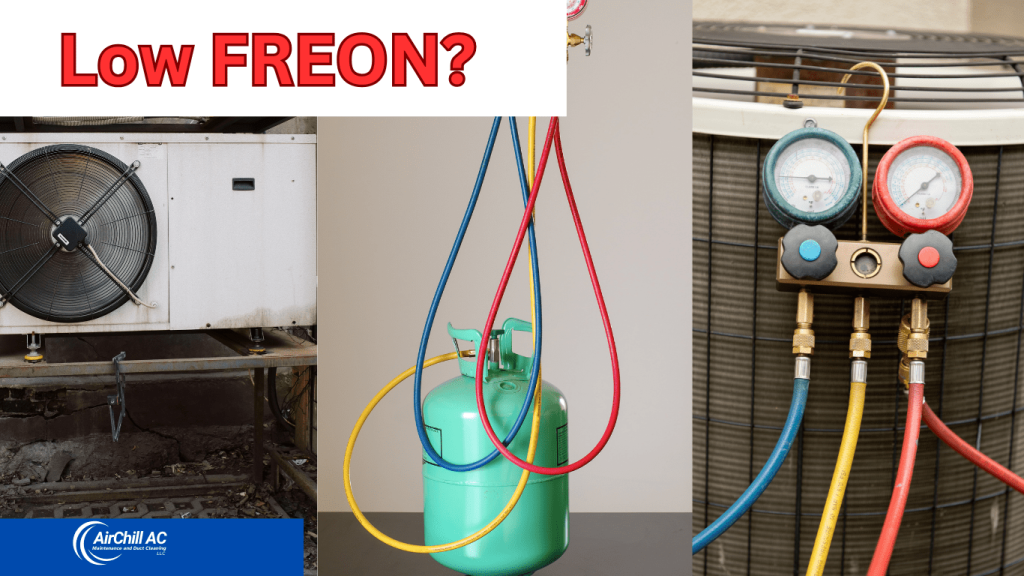
If you’ve ever wondered how to release Freon from your air conditioner safely, you’re not alone. Whether you’re fixing a leak or preparing your unit for repair, knowing the right steps can save you time, money, and hassle.
But handling Freon isn’t something to take lightly—it requires care and the right approach to protect you and the environment. You’ll discover clear, simple instructions that anyone can follow. Keep reading to learn exactly what you need to do, avoid common mistakes, and make sure your AC stays in top shape.
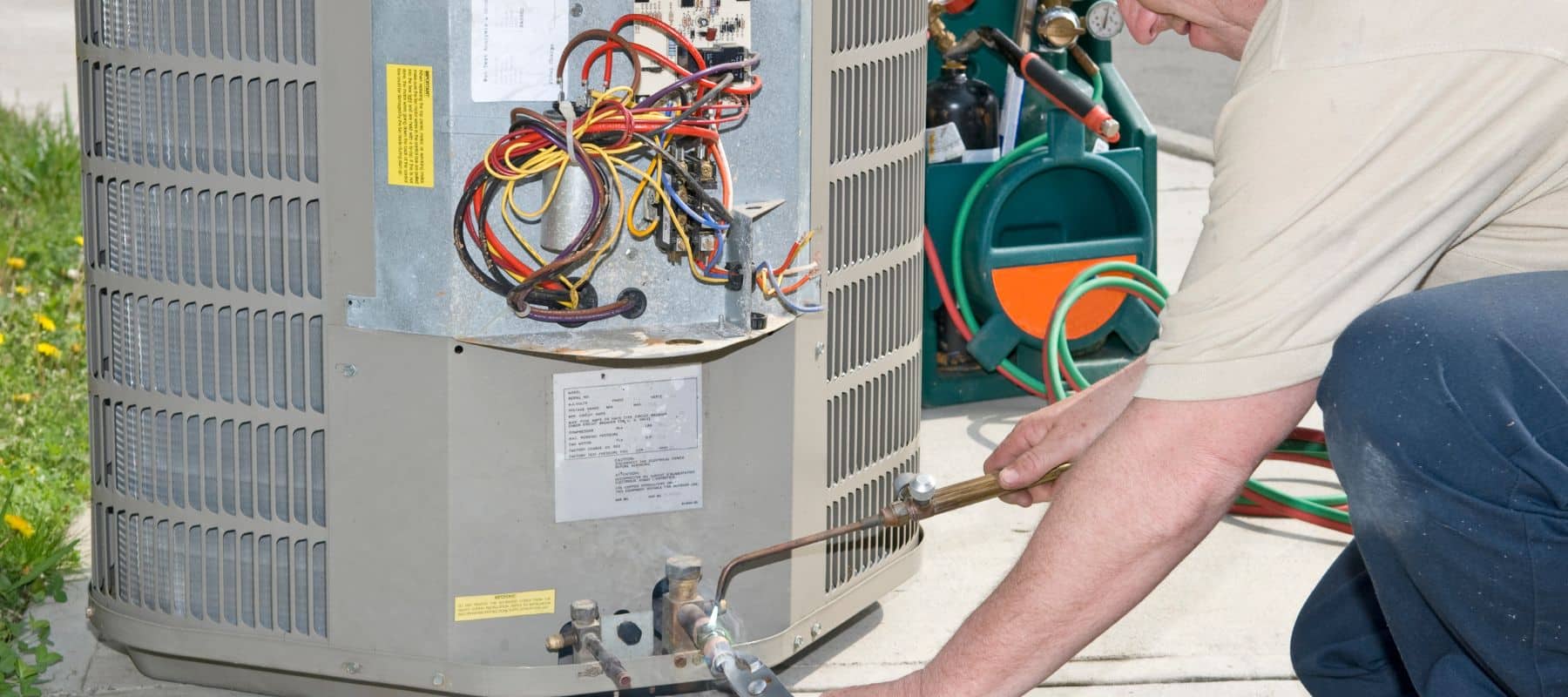
Credit: www.topahill.com
Why Freon Release Matters
Freon is a chemical used in many air conditioners to cool air. Releasing Freon into the air can cause serious problems. It is important to understand why Freon release matters for our planet and health.
This guide explains the environmental impact and health risks linked to Freon release. Knowing these facts helps us handle air conditioners safely.
Environmental Impact
Freon is a type of chlorofluorocarbon (CFC) or hydrochlorofluorocarbon (HCFC). These chemicals harm the ozone layer. The ozone layer protects the Earth from harmful ultraviolet rays.
- Freon gases rise into the atmosphere and break down ozone molecules.
- Ozone layer damage increases the risk of skin cancer and eye problems.
- Freon contributes to global warming by trapping heat in the atmosphere.
- Its release speeds up climate change and harms animals and plants.
Health Risks
Freon gas is dangerous when inhaled or exposed to skin. It can cause several health problems. People working with air conditioners should be careful.
| Health Effect | Possible Symptoms |
| Inhalation | Dizziness, headaches, difficulty breathing |
| Skin Contact | Frostbite, irritation, burns |
| Long-Term Exposure | Damage to heart and nervous system |
Legal Considerations
Releasing Freon from an air conditioner is not just a technical task. It also involves legal rules. These rules protect the environment and people’s health.
Understanding these laws helps you avoid fines and work safely with refrigerants.
Regulations On Refrigerant Handling
Many countries have strict rules for handling refrigerants like Freon. These laws require special training and certification for technicians.
The rules also say you must use approved equipment to capture and recycle Freon. You cannot release it directly into the air.
- Technicians must be certified to handle refrigerants
- Freon must be recovered, recycled, or destroyed safely
- Using illegal tools or methods is prohibited
- Proper records of refrigerant use and disposal are required
Penalties For Illegal Release
Releasing Freon illegally can lead to heavy fines and legal trouble. Authorities take this offense seriously because Freon harms the ozone layer.
Penalties may include fines, loss of certification, or even jail time depending on the severity of the offense.
- Fines can reach thousands of dollars per violation
- Repeat offenses lead to higher penalties
- Illegal release may cause loss of professional license
- Criminal charges can apply in severe cases
Tools And Equipment Needed
Releasing Freon from an air conditioner requires specific tools and safety measures. Having the right equipment helps you do the job safely and correctly.
This guide covers the essential tools you need before starting the process.
Protective Gear
Protective gear keeps you safe from harmful chemicals and cold temperatures. Always wear the right gear to avoid injuries.
- Safety goggles to protect your eyes
- Gloves that resist refrigerants
- Long-sleeved clothing to cover your skin
- Face mask to avoid inhaling fumes
Refrigerant Recovery Machine
This machine safely removes Freon from the air conditioner. It prevents harmful gases from escaping into the air.
| Feature | Purpose |
| Recovery Tank | Stores the captured refrigerant |
| Vacuum Pump | Removes air and moisture from the system |
| Control Panel | Monitors and controls the recovery process |
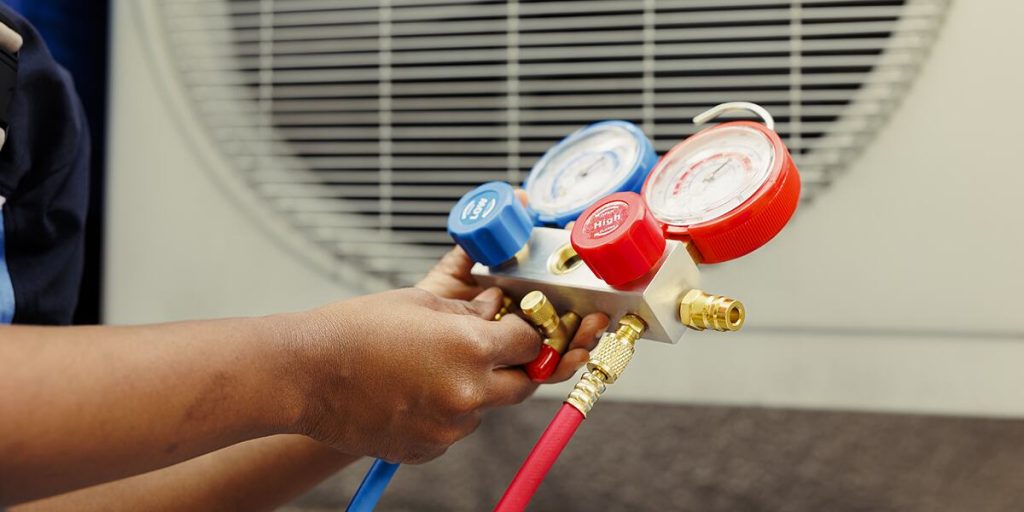
Manifold Gauge Set
This tool measures pressure in the air conditioning system. It helps you check if all Freon is released properly.
- Connects to high and low-pressure ports
- Shows pressure readings on gauges
- Controls flow of refrigerant during recovery
Preparation Steps
Releasing Freon from an air conditioner requires careful preparation. Follow these steps to stay safe and avoid damage.
Proper preparation helps prevent accidents and protects the environment from harmful gases.
Turn Off The Air Conditioner
First, switch off the air conditioner. Disconnect it from the power source to avoid electric shocks.
Wait a few minutes to let the system cool down before handling any parts.
Locate The Service Valves
Find the service valves on the air conditioner. These valves control the flow of Freon in the system.
Usually, the valves are near the compressor or on the refrigerant lines. Use a flashlight if needed.
- Look for the low-pressure valve
- Find the high-pressure valve
- Check valve caps for labels
Ensure Proper Ventilation
Work in a well-ventilated area to avoid inhaling Freon gas. Open windows and doors if inside.
Use fans to increase air flow. Never release Freon in a closed or small space.
Safe Freon Release Process
Freon is a refrigerant used in air conditioners to cool air. Releasing it safely is very important to protect people and the environment. Follow the correct steps to handle Freon properly.
Using the right tools and watching the pressure levels helps prevent accidents. This guide explains how to release Freon safely from an air conditioner.
Connecting The Recovery Machine
First, find the service valves on the air conditioner. These valves allow access to the refrigerant lines. Attach the recovery machine hoses securely to these valves.
Make sure the connections are tight to avoid leaks. Use the proper gauges and fittings for your machine. Always wear safety gloves and goggles during this step.
- Locate the high and low-pressure service valves
- Attach hoses from the recovery machine to valves
- Check all connections for tightness
- Wear protective gear before handling
Recovering The Refrigerant
Turn on the recovery machine to start removing Freon from the air conditioner. The machine will collect the refrigerant into a safe storage tank. Do not release Freon directly into the air.
Monitor the machine while it runs. Stop the recovery when pressure drops to the correct level. Follow local rules for handling and disposing of refrigerants.
- Switch on the recovery machine
- Collect refrigerant in the storage tank
- Never vent Freon into the atmosphere
- Stop recovery at recommended pressure
- Dispose of refrigerant properly
Monitoring Pressure Levels
Keep an eye on the pressure gauges during recovery. Low and high pressures must stay within safe limits. This prevents damage to the system and ensures full recovery of Freon.
If pressure drops too fast or too low, stop the process. Check for leaks or blockages. Adjust valves or connections as needed before continuing.
- Watch pressure gauges closely
- Keep pressure within safe range
- Stop if pressure drops too quickly
- Inspect system for leaks or problems
- Fix issues before resuming recovery

Credit: www.reddit.com
Disposal And Recycling
Releasing Freon from an air conditioner requires care. It is important to dispose of it properly to protect the environment. Recycling Freon helps reduce harmful gas emissions.
Follow safe steps for storing and disposing of Freon. Use certified centers for recycling and disposal. This guide explains how to handle recovered Freon safely.
Storing Recovered Freon
Store recovered Freon in sealed containers made for refrigerants. Keep containers in a cool, dry place away from heat and sunlight. Label containers clearly to avoid confusion.
- Use approved recovery cylinders only
- Keep containers upright to prevent leaks
- Do not mix different types of refrigerants
- Store in a ventilated area away from ignition sources
- Check containers regularly for damage or leaks
Finding Certified Disposal Centers
Certified disposal centers handle Freon safely. They follow government rules for refrigerant disposal. Using these centers prevents harm to people and nature.
| Type of Center | Services Offered | How to Find |
| Recycling Facility | Recovers and reuses refrigerants | Search online or ask local HVAC companies |
| Hazardous Waste Disposal | Safely disposes of Freon and other chemicals | Check government waste management websites |
| Authorized HVAC Service | Recovers and recycles refrigerants from units | Find certified technicians through EPA listings |
When To Call A Professional
Releasing Freon from your air conditioner is a task that needs care. It can be dangerous if done wrong.
Knowing when to call a professional helps keep you safe and protects your AC unit.
Signs You Need Expert Help
If your AC is leaking Freon, you may notice some signs. These signs show that you should not try to fix it yourself.
- The AC is not cooling properly even after cleaning.
- You hear hissing sounds near the AC unit.
- Ice forms on the AC coils or pipes.
- You smell a strange chemical odor near the AC.
- The AC compressor runs constantly without stopping.
These signs mean there could be a Freon leak or other serious issues. A professional has the right tools and knowledge to handle these safely.
Choosing A Licensed Technician
Only a licensed technician can legally handle Freon. They follow rules to protect you and the environment.
Look for technicians with proper certification and experience in AC repair and Freon handling.
- Check if the technician has EPA certification.
- Ask about their experience with Freon and AC systems.
- Read reviews or get recommendations.
- Confirm they offer a clear estimate before work starts.
Credit: www.georgiaairrepair.com
Frequently Asked Questions
What Is Freon In An Air Conditioner?
Freon is a refrigerant used in air conditioners to absorb heat. It circulates through the system, cooling the indoor air efficiently.
How To Safely Release Freon From Ac?
Releasing Freon requires professional tools and knowledge. It’s illegal and harmful to release Freon without proper handling and certification.
Why Should Freon Not Be Released Into The Air?
Freon damages the ozone layer and contributes to global warming. Proper recovery and recycling prevent environmental harm.
Can I Release Freon From My Ac Myself?
No, releasing Freon yourself is dangerous and illegal. Always hire a certified technician to handle refrigerants safely.
Conclusion
Releasing Freon safely from your air conditioner is important. It protects the environment and your health. Always follow safety guidelines. Use proper tools and equipment. Never release Freon without the right knowledge. Call a professional if unsure. It’s better to be safe than sorry.
Proper handling prevents damage and ensures efficiency. Remember, Freon is harmful if not handled correctly. Stay informed and cautious. Your safety and the environment matter. With care, you can maintain your air conditioner effectively. Keep these tips in mind for a safer home and planet.