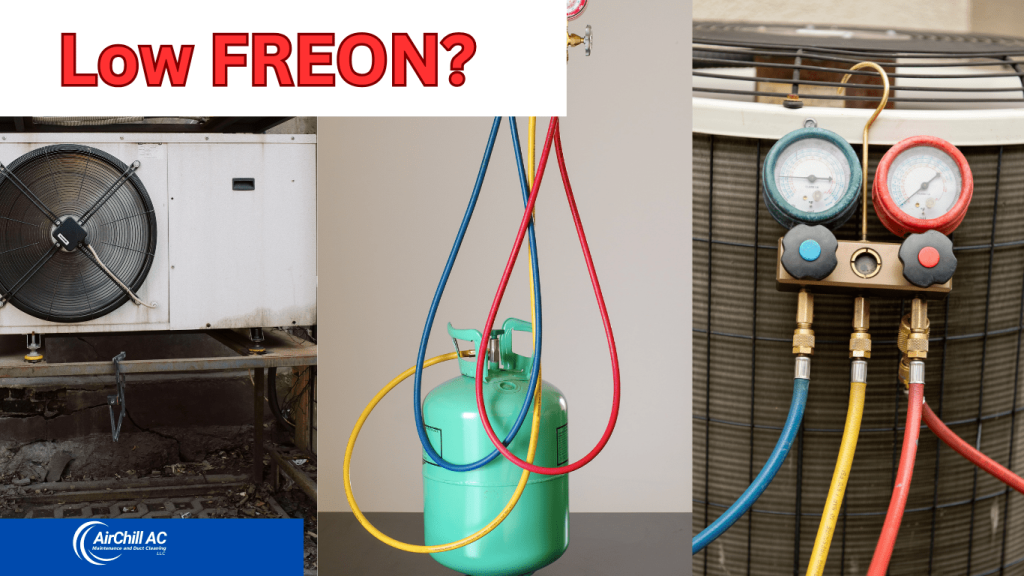
Have you ever wondered what happens to the Freon inside your air conditioner? Whether you’re trying to fix a leak or prepare your unit for disposal, knowing how to release Freon safely is crucial.
Handling Freon the wrong way can harm the environment and put your health at risk. You’ll learn simple, clear steps to manage Freon properly—and why it matters for you and everyone around you. Keep reading to discover how to protect your home and the planet while taking care of your air conditioner.
Freon And Air Conditioners
Freonis a chemical used in air conditioners to cool air. It moves heat from inside your home to outside. This process keeps rooms cool and comfortable. The Freon changes from liquid to gas and back, which helps absorb heat.
The main job of Freon is to carry heat away from the indoor air. This makes the air conditioner work well. Without Freon, the air conditioner cannot cool the air.
| Type of Refrigerant | Common Name | Used In |
|---|---|---|
| R-22 | Freon | Older air conditioners |
| R-410A | Puron | Newer air conditioners |
| R-134a | HFC-134a | Some refrigeration systems |
Credit: www.topahill.com
Risks Of Releasing Freon
Freon damages the environmentwhen released. It harms the ozone layer, a shield around Earth. This shield protects us from harmful sun rays. Damaging it can cause more skin problems. It also makes Earth hotter.
Releasing Freon can be dangerous to your health. Breathing it can make you dizzy and short of breath. It can cause heart problems if you inhale too much. Always be careful around Freon.
Many places have laws against releasing Freon. Breaking these laws can lead to big fines. Only trained people should handle Freon. Follow the rules to stay safe and avoid trouble.
Tools Needed For Freon Release
Protective gearis very important for safety. Wear gloves, goggles, and a mask. This gear protects you from harmful chemicals and gases. Always use long sleeves and pants to avoid skin contact.
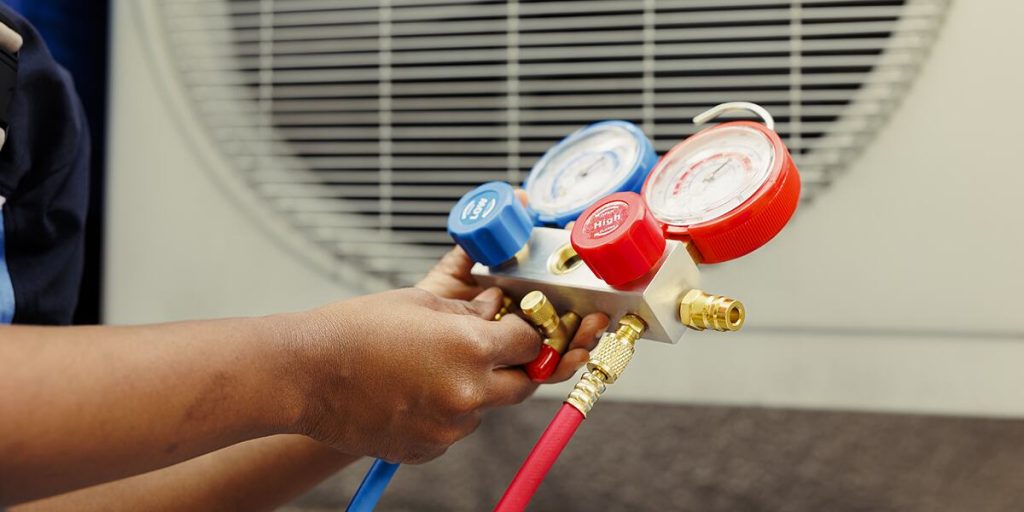
Pressure gauges and valveshelp control and measure Freon pressure. They show the pressure inside the air conditioner system. Valves help open or close the flow of Freon. These tools must be accurate and in good condition.
Recovery machinesare used to capture Freon safely. They help avoid releasing Freon into the air. Recovery machines collect and store the gas for reuse or proper disposal. Using these machines protects the environment and follows the law.
Preparation Before Release
Turn off the air conditioner using the main power switch. Unplug the unit to ensure no electricity flows. This prevents accidents during the process.
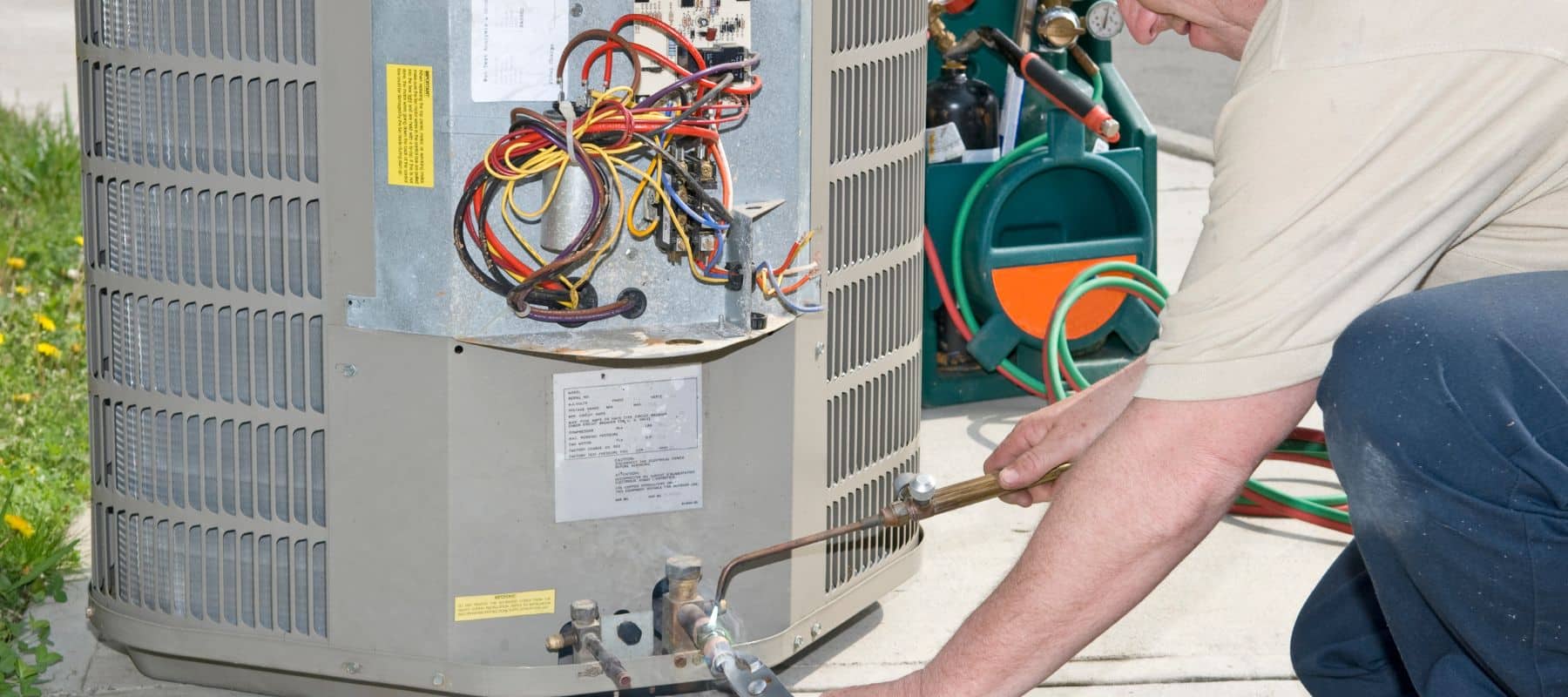
Find the service portson your AC unit. These are small valves where gauges connect. They help monitor and release the Freon safely.
| Task | Details |
|---|---|
| Shutting Down | Switch off power and unplug unit |
| Locating Ports | Find small valves for pressure gauges |
| Checking Leaks | Look for oil stains or use leak detector |
Check for leaks before releasing Freon. Leaks can harm the environment and reduce AC efficiency. Use a leak detector or look for oily spots around pipes.
Step-by-step Freon Release Process
Connect the recovery machine to the air conditioner’s service ports. Make sure all connections are tight to avoid leaks. Use the correct hoses made for refrigerant recovery. Check the recovery tank is empty and ready to store Freon safely.
Start the recovery machine and let it pull the refrigerant from the system. Watch the pressure gauges closely during evacuation. Stop the machine when the system reaches the required vacuum level. This ensures most of the Freon is removed from the air conditioner.
| Disposal Method | Description |
|---|---|
| Return to Supplier | Send recovered Freon to authorized dealers for recycling. |
| Certified Recycling | Use certified recycling centers that handle refrigerants safely. |
| Proper Storage | Keep recovered Freon in sealed tanks until disposal. |
Credit: www.georgiaairrepair.com
Alternatives To Manual Freon Release
Releasing Freon safely requires proper tools and techniques to avoid harm. Using recovery machines or professional services helps capture and recycle Freon without pollution. These alternatives protect the environment and follow legal rules.
Hiring Certified Technicians
Certified technicianshave the right tools to handle freon safely. They follow legal rulesto protect the environment. These experts know how to recover and recycle refrigerantswithout harm. Their work prevents leaks that can damage the ozone layer. Trusting a professional avoids health risksand fines. They also check your AC system for leaks and fix them quickly.
Using Refrigerant Recovery Services
Recovery servicessafely remove freon from your AC. They use special machines to capture the gas. This process stops freon from going into the air. The gas is then stored or recycled properly. These services help keep the air clean and safe. Using recovery services is a smart way to protect nature and follow environmental laws.
Preventing Freon Leaks In The Future
Regular maintenancehelps keep your air conditioner running well. Check for damaged partsoften. Clean or replace filters every few months. This keeps the air fresh and the system working right.
Look for signs of Freon leaks. These include the unit not cooling as before, ice forming on pipes, and strange noises. Low cooling power means Freon might be low. If you notice these, call a professional.
- Clean the coils regularly to avoid build-up.
- Make sure all pipes and connections are tight.
- Schedule yearly professional inspections.
- Replace worn-out parts quickly.

Credit: www.angi.com
Frequently Asked Questions
What Is Freon In An Air Conditioner?
Freon is a refrigerant used in air conditioners to absorb heat. It helps cool indoor air by cycling through the AC system. Proper handling of Freon is essential for efficient cooling and environmental safety.
How To Safely Release Freon From Ac?
Releasing Freon requires certified equipment and training. It’s illegal and harmful to release Freon into the atmosphere. Always hire a licensed HVAC technician to recover and recycle Freon safely.
Can I Release Freon Myself From My Air Conditioner?
No, releasing Freon yourself is dangerous and often illegal. It requires special tools and certification. Improper handling can cause health risks and environmental damage.
Why Should Freon Not Be Released Into The Air?
Freon damages the ozone layer and contributes to global warming. Releasing it harms the environment and violates environmental laws. Proper recovery and recycling protect the planet.
Conclusion
Releasing Freon from an air conditioner requires care and safety. Always wear protective gear and work in a well-ventilated area. Follow local rules about handling refrigerants to protect the environment. Avoid releasing Freon directly into the air, as it harms the ozone layer.
If unsure, seek help from a professional technician. Proper steps keep you safe and protect the planet. Taking these precautions makes the process easier and safer. Remember, responsible handling of Freon benefits everyone.