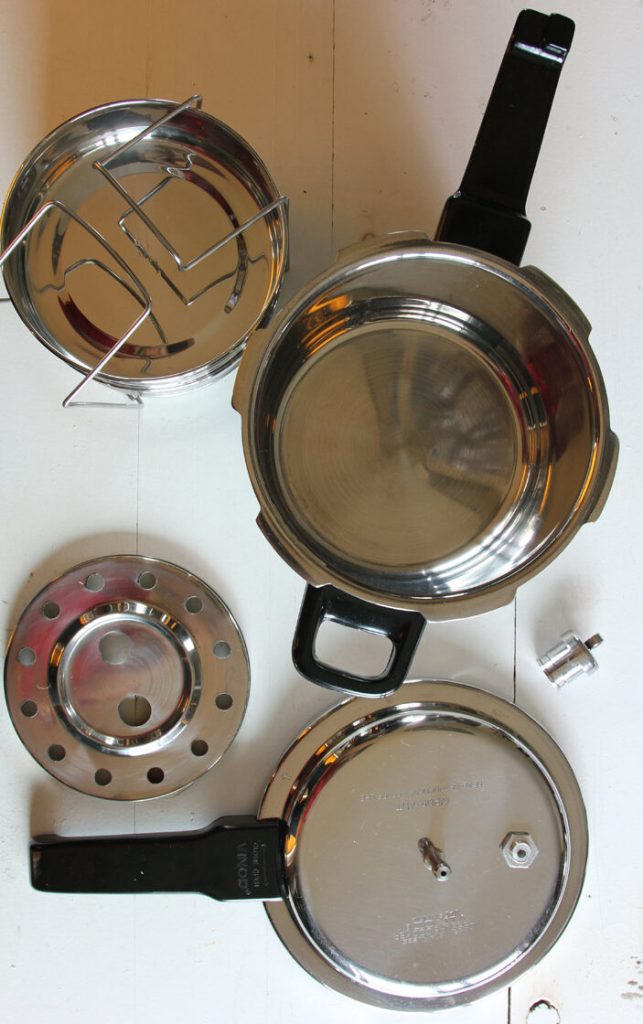
Have you ever felt unsure about how to safely release pressure from your pressure cooker? It’s a simple step, but getting it wrong can be frustrating or even dangerous.
You’ll discover easy and safe ways to let the steam out without any stress. By learning these quick tips, you’ll save time, avoid accidents, and get the most out of your pressure cooker every time you use it. Keep reading to master this important skill and cook with confidence!

Credit: instantpot.co.nz
Types Of Pressure Release
Pressure cookers use steam to cook food quickly. After cooking, you must release the pressure safely. There are different ways to release pressure from a cooker.
Each type of pressure release works best for different foods and situations. Knowing how to use them keeps you safe and your food tasty.
Natural Release Method
The natural release method lets the pressure drop on its own. You turn off the heat and wait. The steam escapes slowly as the cooker cools.
This method is good for soups, stews, and large cuts of meat. It helps food stay moist and tender.
Quick Release Technique
The quick release technique lets out the steam fast. You open the valve or press the button to release pressure. Steam escapes quickly and loudly.
Use this for vegetables or foods that cook fast. It stops cooking right away and prevents overcooking.
- Wear oven mitts to protect your hands
- Keep face and hands away from the steam
- Use a long spoon or tool to open the valve
Cold Water Release
Cold water release uses cool water to lower pressure fast. You run cold water over the cooker’s lid. This cools the cooker and stops the steam inside.
This method works well for stovetop pressure cookers. Do not use it with electric cookers. It helps when you need to open the cooker quickly.

Credit: modernistcuisine.com
Safety Precautions
Releasing pressure safely from a pressure cooker is very important. It helps avoid burns and accidents.
Follow simple safety tips to keep yourself and others safe in the kitchen.
Check Valve And Seals
Always inspect the pressure cooker valve and seals before use. A blocked valve or worn seal can cause dangerous pressure build-up.
- Clean the valve regularly to prevent clogging.
- Replace seals if they show cracks or wear.
- Make sure the valve moves freely before cooking.
Use Protective Gear
Wear protective gear to shield yourself from hot steam and splashes when releasing pressure.
| Protective Item | Purpose |
| Oven mitts | Protect hands from heat |
| Long sleeves | Cover arms from steam |
| Safety glasses | Guard eyes from steam bursts |
Avoid Overfilling
Never fill the pressure cooker beyond the recommended level. Too much food or liquid can block pressure release.
- Fill no more than two-thirds full for most foods.
- For foods that expand, like rice or beans, fill only half full.
- Follow your cooker’s manual for exact limits.
Step-by-step Release Guide
Using a pressure cooker saves time but releasing pressure safely is important. Follow these simple steps to avoid accidents and keep your food perfect.
This guide covers preparing to release pressure, quick release, and natural release methods. Each section has clear instructions to help you.
Preparing To Release Pressure
Before releasing pressure, make sure the cooker is on a stable surface and away from children or pets. Check the pressure indicator to see if it is safe to open.
- Turn off the heat source and let the cooker sit for a few minutes.
- Wear oven mitts or use a cloth to avoid burns.
- Remove any nearby objects that might get wet or damaged.
- Read your pressure cooker’s manual for specific instructions.
Executing Quick Release
Quick release lets steam out fast. Use this method for foods that cook quickly or need to stop cooking immediately.
- Turn off the heat and locate the pressure valve.
- Use a utensil or cloth to carefully lift or turn the valve to release steam.
- Keep hands and face away from the steam vent.
- Wait until the pressure indicator drops before opening the lid.
Using Natural Release Effectively
Natural release lets pressure drop slowly inside the cooker. It is best for dense foods like beans and meats.
| Step | Action |
|---|---|
| 1 | Turn off the heat and leave the cooker undisturbed. |
| 2 | Wait 10 to 30 minutes for the pressure to drop naturally. |
| 3 | Check the pressure indicator to confirm it is safe to open. |
| 4 | Open the lid carefully, tilting it away from you. |

Credit: manuals.plus
Common Mistakes To Avoid
Releasing pressure from a pressure cooker needs care. Doing it wrong can cause accidents or damage.
Learn about common mistakes to avoid when letting steam out. This keeps you and your cooker safe.
Forcing The Lid Open
Never try to open the lid before the pressure is fully released. Forcing the lid can cause hot steam to escape quickly.
This can burn your hands or face. Always wait until the safety valve shows no pressure inside.
Ignoring Steam Direction
Steam shoots out with strong force. Point the pressure release valve away from people, walls, or cabinets.
Ignoring steam direction can damage kitchen surfaces or hurt someone nearby.
- Keep children and pets away from the cooker
- Turn the valve so steam vents safely
- Use a long utensil to control the valve if needed
Releasing Pressure Too Quickly
Letting steam out too fast can cause food to splatter or boil over. This makes a mess and wastes food.
Use the natural release method or a slow, controlled pressure release to avoid this problem.
Maintenance Tips For Pressure Cookers
Pressure cookers need care to work safely and last long. Cleaning and checking parts helps keep them in good shape.
Use these tips to maintain your pressure cooker well and release pressure safely every time.
Regular Cleaning
Cleaning your pressure cooker after each use removes food and oil. This stops buildup and keeps it working well.
- Wash the pot and lid with warm soapy water.
- Clean the rubber gasket carefully to avoid damage.
- Remove and clean the pressure valve.
- Dry all parts before storing to prevent rust.
Inspecting Parts
Check your pressure cooker parts often. Look for cracks, tears, or damage that could cause leaks or problems.
| Part | What to Check | Why It Matters |
| Rubber Gasket | Cracks or stiffness | Ensures tight seal |
| Pressure Valve | Blockages or wear | Controls pressure release |
| Lid Locks | Proper locking function | Prevents accidents |
Replacing Worn Components
Replace parts that are old or damaged. New parts help keep your pressure cooker safe and effective.
- Buy parts made for your cooker model.
- Replace the rubber gasket every 12-18 months or sooner if damaged.
- Change pressure valves if they do not move or seal properly.
- Check and replace lid locks if they become loose or broken.
Frequently Asked Questions
How Do You Safely Release Pressure?
To safely release pressure from a pressure cooker, first turn off the heat. Allow the cooker to cool naturally. Use the quick-release method by pressing the valve, or let it depressurize naturally. Always keep your face and hands away from the steam vent to avoid burns.
Can I Open A Pressure Cooker Immediately?
No, you should not open a pressure cooker immediately after cooking. Wait until the pressure has completely released. Use the natural release or quick-release method. Opening too soon can cause hot steam to escape, leading to potential burns and injuries.
What Is The Natural Release Method?
The natural release method involves allowing the pressure cooker to cool down on its own. After cooking, turn off the heat and let the pressure decrease gradually. This process usually takes 10 to 30 minutes. It’s ideal for large cuts of meat and soups, ensuring even cooking.
Why Use The Quick-release Method?
The quick-release method is used to rapidly release pressure for time-sensitive recipes. It involves manually venting steam using the pressure release valve. This method is ideal for vegetables and delicate foods, preventing overcooking. Always use caution to avoid burns from the hot steam.
Conclusion
Releasing pressure from a cooker is simple and safe. Always follow the cooker’s instructions carefully. Use the natural release method for delicate foods. For quick meals, try the quick release option. Never force the lid open while pressure remains. Wait until the pressure indicator drops down.
These steps protect you and keep your food perfect. Practice these tips to feel confident cooking. Safety and patience lead to great results every time. Cooking with a pressure cooker can be easy and fun.