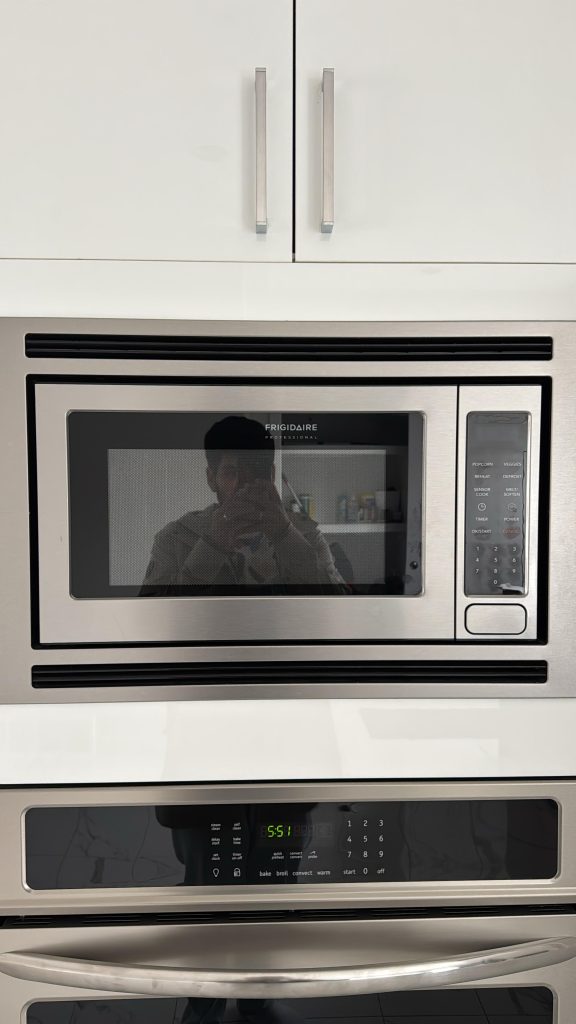
Are you tired of that old microwave oven taking up space in your kitchen? Maybe it’s broken, or you’re upgrading to a newer model.
Whatever your reason, removing a microwave oven might seem like a daunting task. But don’t worry, it’s not as complicated as it seems. In this guide, we’ll walk you through the simple steps to safely and efficiently remove your microwave oven.
By the end, you’ll feel confident and ready to reclaim your kitchen space. Ready to get started? Let’s dive in and make this task easier than you ever thought possible!

Credit: www.amazon.com
Prepare For Removal
Preparing to remove a microwave oven ensures a smooth and safe process. Taking simple precautions avoids accidents and damage. This stage helps you organize the space and tools needed. Follow these steps carefully for an easy removal.
Unplug The Microwave
Locate the microwave’s power cord behind the unit. Gently pull the plug from the wall socket. Do not yank the cord to avoid damage. Confirm the microwave is fully disconnected from power.
Clear Surrounding Area
Remove items near the microwave to create space. This prevents knocking over objects or causing injury. Wipe the surface to remove crumbs or spills. Keep children and pets away from the work area.
Gather Necessary Tools
Collect tools before starting to avoid delays. Common tools include:
- Screwdriver (Phillips or flat-head)
- Socket wrench
- Flashlight for dark spaces
- Protective gloves
Having these ready makes the removal process faster and safer.

Credit: www.youtube.com
Detach The Microwave
Detaching your microwave might seem tricky, but breaking it down into simple tasks makes it manageable. You need to carefully remove what’s holding the microwave in place and safely disconnect any vents and electrical connections. Let’s dive into each part step-by-step to make sure you don’t miss anything important.
Remove Mounting Screws
Start by locating the screws that secure the microwave to the cabinet or wall. These are usually found along the inside edge of the microwave’s mounting bracket. Use a screwdriver that fits well to avoid stripping the screws.
Keep a small container nearby to store the screws—you don’t want to lose them. Gently unscrew each one while supporting the microwave to prevent it from slipping. Have you noticed how many different screw types there can be in kitchen appliances? It pays to check yours before you start.
Disconnect Ventilation
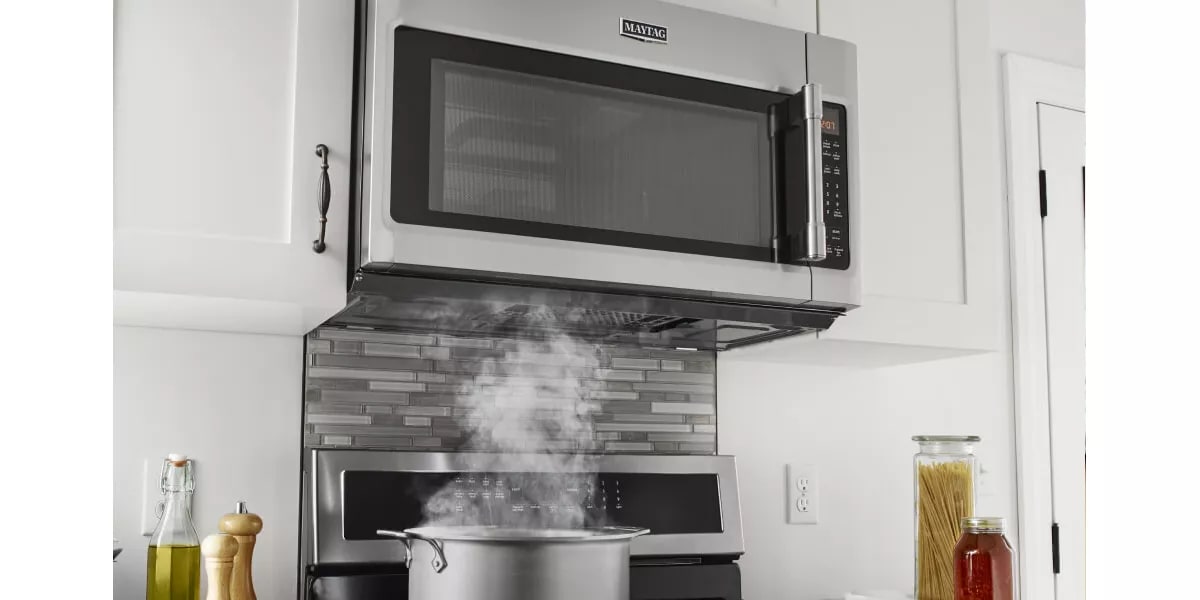
Many microwaves have a ventilation system connected at the back or on top. This vent needs to be detached to free the microwave completely. Depending on your model, this might involve loosening a clamp or sliding out a vent cover.
Be cautious not to damage the vent duct, especially if you plan to reinstall the microwave later. If the vent is connected to an external exhaust, gently pull it away while ensuring no vents are crushed or bent. How tight does your vent feel—does it move easily or resist?
Handle Electrical Connections
Before touching any wiring, make sure the microwave is unplugged from the power source. Some built-in microwaves might have hardwired connections behind the unit, requiring you to open a small access panel. If you see wires, note their positions or take a photo for reference.
Disconnect the wires carefully by loosening wire nuts or terminal screws. If you’re uncertain about handling electrical parts, consider consulting a professional. Safety is key, and a small oversight here can cause big problems down the road.
Remove Microwave Safely
Removing a microwave safely is important to protect yourself and your kitchen. Microwaves can be heavy and awkward to handle. Taking the right steps reduces the risk of injury and damage. Follow these tips for a smooth removal process.
Lift With Proper Technique
Bend your knees and keep your back straight. Use your legs to lift the microwave. Hold the microwave close to your body. Avoid twisting your torso while lifting. Move slowly and steadily to keep control.
Avoid Damage To Cabinets
Clear the area around the microwave before removal. Use soft cloth or padding between the microwave and cabinets. Gently slide the microwave out to prevent scratches. Watch for any screws or brackets holding it in place. Remove all fasteners before pulling the microwave out.
Seek Assistance If Needed
Microwaves can be heavy and bulky for one person. Ask a friend or family member to help. Two people can handle the weight better and avoid accidents. Communicate clearly to lift and move together. Safety is easier with teamwork.
Credit: www.maytag.com
Dispose Or Store Microwave
Deciding what to do with your microwave after removal is crucial. You can either dispose of it responsibly or store it safely for later use. Both options require careful consideration to avoid harm to the environment and maintain safety in your space.
Check Local Disposal Guidelines
Different areas have specific rules for disposing of electronic appliances like microwaves. You should check your city or county’s waste management website for details. Some places require dropping off microwaves at special collection centers to prevent hazardous materials from polluting landfills.
Have you ever tossed an old appliance in the trash only to find out later it shouldn’t have been there? Avoid that hassle by confirming local regulations before disposal. This step saves you from fines and helps protect the environment.
Consider Recycling Options
Microwaves contain valuable metals and components that can be recycled. Look for electronics recycling programs near you that accept kitchen appliances. These programs dismantle the microwave safely and recover materials for reuse.
Recycling prevents toxic substances like mercury and lead from entering the ecosystem. Plus, recycling centers often offer free or low-cost drop-off services. How much easier would it be if you could just take your microwave to a nearby recycler instead of worrying about landfill rules?
Store Microwave Properly
If you plan to keep your microwave for backup or resale, storing it correctly is essential. Clean the interior thoroughly to remove food residue and odors. Wrap the microwave in a protective cover or plastic to shield it from dust and moisture.
Place it in a dry, stable area away from extreme temperatures or direct sunlight. Avoid stacking heavy items on top to prevent damage. Have you ever found a stored appliance that didn’t work because it wasn’t cared for properly? Taking these steps helps your microwave stay functional for the future.
Replace Or Upgrade Options
Deciding to replace or upgrade your microwave oven opens up a range of options that can improve your kitchen’s functionality and style. Whether you want a model with advanced features or simply need a better fit for your space, careful planning is key to a smooth transition. Let’s look at how you can make smart choices that suit your needs and kitchen layout.
Choose Suitable Replacement
Start by thinking about what you want from your new microwave. Do you need faster cooking times, more power, or a sleek design that matches your kitchen? Look for models with features like sensor cooking, convection options, or easy-to-clean interiors.
Consider energy efficiency too. Many newer microwaves use less electricity and offer better performance. Reading reviews and comparing brands can help you pick a reliable model that fits your budget.
Measure Space Accurately
Measure the space where your microwave will go before buying. Take note of width, height, and depth—don’t forget to leave room for ventilation. A tight fit can cause overheating or installation issues.
Check if your microwave will be countertop, built-in, or over-the-range style. Different types need different clearances and mounting hardware. Double-checking these dimensions saves you from costly mistakes.
Install New Microwave
Installing a new microwave can be straightforward if you follow the instructions carefully. If it’s a countertop model, just place it on a stable surface near an outlet. For built-in or over-the-range models, you might need extra help or tools.
Ensure the microwave is securely mounted and plugged in safely. Test it out with a simple heating task before finishing up. Have you thought about calling a professional if the installation feels too complex? Sometimes, investing in expert help avoids damage and frustration.
Frequently Asked Questions
How Do I Safely Unplug A Microwave Oven?
First, switch off the microwave and unplug it from the power outlet. Avoid touching the plug with wet hands. Ensure the cord is intact and handle it gently to prevent damage or electric shock.
What Tools Are Needed To Remove A Microwave Oven?
Typically, you need a screwdriver, a putty knife, and possibly a wrench. These tools help detach screws, pry off panels, and disconnect mounting brackets safely.
Can I Remove A Microwave Oven Without Damaging Cabinets?
Yes, by carefully unscrewing mounting screws and gently detaching the microwave. Use a putty knife to avoid cabinet damage and support the microwave while removing it.
How Do I Disconnect A Built-in Microwave Oven?
Turn off the power supply first. Then remove screws securing the unit. Carefully pull out the microwave, disconnecting any wiring or vent connections as required.
Conclusion
Removing a microwave oven can be simple and safe. Always unplug the microwave first. Take your time to avoid damaging wires or walls. Use the right tools to make the job easier. Ask for help if the microwave feels heavy.
Clean the area after removal to keep the space tidy. Knowing these steps helps you handle the task with confidence. Now, you are ready to remove your microwave safely and quickly.