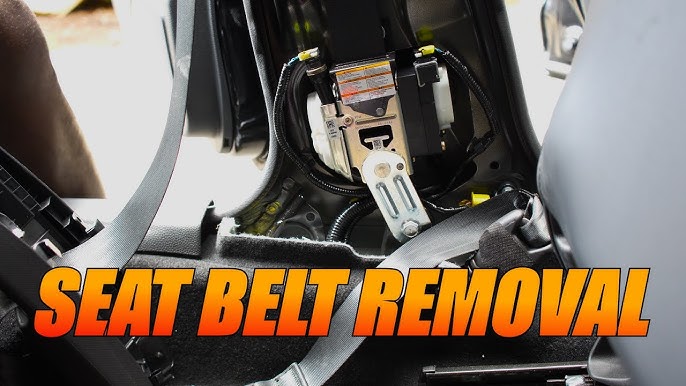
Have you ever needed to remove a seat belt from your car but didn’t know where to start? Whether you’re fixing a stuck buckle, replacing a worn-out belt, or customizing your interior, getting it right is important for your safety and comfort.
In this guide, you’ll discover simple, clear steps to safely remove a seat belt without causing damage. Keep reading to learn how to handle this task like a pro and save time and hassle along the way. Your car—and your peace of mind—will thank you.
Tools Needed
Removing a seat belt from a car requires specific tools. Using the right tools helps you do the job safely and correctly.
Make sure you have everything ready before starting. This guide lists the main tools you will need.
Socket Wrench Set
A socket wrench set is essential to remove bolts holding the seat belt in place. Different cars use different sizes, so a complete set is best.
Flathead Screwdriver
This tool helps to pry open plastic covers or panels that hide the seat belt mounting points. It also assists in releasing clips.
Torx Drivers
Many vehicles use Torx screws for seat belt fasteners. Having a set of Torx drivers makes it easier to remove these screws without damage.
Pliers
Pliers help to grip and pull out stubborn clips or pins. They also assist in cutting or bending metal parts if needed.
Protective Gloves
Wear gloves to protect your hands from sharp edges or hot parts. Gloves also provide better grip on tools and parts.
Common Tools Checklist
- Socket wrench set (metric and standard sizes)
- Flathead screwdriver
- Torx driver set
- Pliers (needle nose and regular)
- Protective gloves
| Tool | Purpose |
| Socket Wrench Set | Remove bolts and nuts |
| Flathead Screwdriver | Open covers and pry clips |
| Torx Drivers | Unscrew Torx fasteners |
| Pliers | Grip, pull clips, cut metal |
| Protective Gloves | Hand protection and grip |
Locate The Seat Belt Components
Removing a seat belt starts with finding its main parts. Knowing these parts helps you work safely and correctly.
Each seat belt has bolts, covers, and a retractor mechanism. Locate these to begin removal.
Find The Bolt Covers
Bolt covers protect the bolts that hold the seat belt in place. They are often plastic and match the car’s interior color.
Look near the bottom of the seat belt where it attaches to the car frame. Bolt covers may snap off or need a flat tool to pry gently.
- Check the car door side near the floor
- Look under plastic trim pieces
- Use a flathead screwdriver carefully to remove covers
Identify The Retractor Mechanism
The retractor mechanism rolls and stores the seat belt webbing. It is usually behind a plastic panel near the top side of the car’s pillar.
Find the retractor by following the seat belt upward to the car’s frame. Removing the panel will expose the mechanism and its mounting bolts.
- Look at the upper part of the car’s door frame
- Remove side panel or trim carefully
- Locate the metal box holding the belt spool
Prepare The Work Area
Removing a seat belt from a car requires a safe and organized workspace. Preparing the area helps avoid accidents and damage to your vehicle.
Before starting, clear space around your car and gather all needed tools. This makes the process smoother and safer.
Ensure Car Is Parked Safely
Park the car on a flat surface to prevent it from moving. Use the parking brake and turn off the engine. Make sure the car is stable before you begin working.
- Choose a level driveway or garage space
- Apply the parking brake firmly
- Turn off the ignition and remove the key
- Check that the car will not roll or shift
Disconnect The Battery
Disconnecting the battery stops electrical power to the seat belt system. This prevents accidental airbag deployment or electrical issues.
| Battery Terminal | Action |
| Negative (-) | Disconnect first to cut power safely |
| Positive (+) | Disconnect second after negative terminal |
| Reconnect | Connect positive first, then negative after work is done |

Credit: www.reddit.com
Remove The Seat Belt Bolt
Removing the seat belt bolt is important if you want to replace or repair the seat belt. The bolt holds the seat belt firmly to the car frame. You need basic tools to remove it safely.
This guide will help you remove the seat belt bolt step by step. Always work carefully to avoid damage or injury.
Locate The Seat Belt Bolt
First, find the seat belt bolt in your car. It is usually near the base of the seat belt strap. Look where the seat belt connects to the car’s body or seat frame.
The bolt may be covered by a plastic cover. You might need to remove the cover to see the bolt clearly.
Gather The Right Tools
You need a wrench or socket set to remove the seat belt bolt. Check the bolt size before picking your tool. Most seat belt bolts use 15mm or 18mm sockets.
Using the correct size tool helps avoid stripping the bolt head. Keep a flashlight handy to see better if needed.
Loosen And Remove The Bolt
Place the socket or wrench on the bolt head. Turn it counterclockwise to loosen the bolt. Apply steady pressure without forcing it too hard.
Once loose, you can remove the bolt by hand. Keep the bolt safe if you plan to reuse it later.
Handle Safety And Precautions
Before removing the bolt, disconnect your car battery. This prevents accidental airbag deployment. Wear gloves to protect your hands during the process.
Check the bolt and seat belt parts for damage. Replace any worn or broken parts to keep your car safe.
Detach The Retractor Assembly
Removing the retractor assembly is an important step when taking out a seat belt. The retractor holds the belt in place and controls its movement.
This guide shows how to safely detach the retractor assembly from your car seat belt system. Follow each step carefully to avoid damage.
Locate The Retractor Assembly
Find the retractor assembly under the car’s side panel or near the seat base. It looks like a small box attached to the car frame.
Remove The Covering Panel
Use a screwdriver to remove the panel covering the retractor. Keep the screws safe for reinstallation later.
Disconnect The Seat Belt Strap
Pull the seat belt strap out of the retractor carefully. Make sure it is fully extended before detaching.
Unbolt The Retractor Assembly
Use a wrench to remove the bolts holding the retractor in place. Keep these bolts for when you reinstall the seat belt.
- Locate the retractor bolts
- Use the correct wrench size
- Turn bolts counterclockwise to loosen
- Remove bolts and set them aside
Check The Retractor Mechanism
Inspect the retractor for any damage or dirt. Clean if needed before reinstalling or replacing.
Store Or Replace The Retractor Assembly
| Action | Details |
| Store | Keep in a dry, safe place to avoid damage |
| Replace | Install a new retractor that matches your car model |

Credit: www.reddit.com
Handle The Seat Belt Buckle
The seat belt buckle is the key part to remove when taking out a seat belt. It holds the belt tightly and keeps you safe.
Knowing how to handle the buckle carefully will help you remove the seat belt without damage.
Locate The Seat Belt Buckle
The buckle is usually near the car seat, attached to the floor or side. It is where the metal tongue clicks in.
Look closely to find the release button on the buckle, often red or marked clearly.
Press The Release Button
Push the release button firmly to unlock the metal tongue from the buckle. This frees the seat belt.
Do not force the button if it feels stuck. Try pressing again with steady pressure.
Remove The Buckle From Mounting
After unlocking, check how the buckle is fixed to the car. It may be bolted or clipped in place.
Use a wrench or screwdriver if needed to remove bolts. Keep all parts safe for later use.
Handle The Buckle With Care
Avoid dropping or hitting the buckle. Damage can stop it from working properly.
- Keep the buckle clean and dry
- Check for cracks or broken parts
- Replace if any damage is found
Inspect And Replace Parts If Needed
Removing a seat belt requires careful inspection to ensure safety. Check all parts for damage before removal. Replace any worn or broken components to keep your car safe.
Proper inspection helps prevent accidents and ensures your seat belt works correctly. Here are the key areas to inspect and how to replace parts if needed.
Check The Seat Belt Webbing
Look closely at the seat belt webbing for cuts, frays, or heavy wear. Any damage weakens the belt and can cause failure in a crash.
- Inspect the entire length of the belt.
- Run your hand slowly to feel for rough spots.
- Look for discoloration or stiffness that shows damage.
Examine The Buckle And Latch
Test the buckle for smooth locking and releasing. Dirt or broken parts can cause it to fail.
- Press the buckle and listen for a click.
- Release it to check if it opens easily.
- Clean any dirt or debris inside the buckle.
- Replace the buckle if it sticks or does not lock securely.
Inspect The Retractor Mechanism
The retractor pulls the seat belt back after use. It should move smoothly and lock quickly in a sudden stop.
| Retractor Test | Expected Result | Action if Failed |
|---|---|---|
| Pull belt slowly | Belt extends smoothly | Check for jams or dirt |
| Pull belt sharply | Retractor locks belt in place | Replace retractor if it does not lock |
| Release belt | Belt retracts fully and smoothly | Clean or replace if belt hangs loose |
Replace Damaged Seat Belt Parts
Use the correct tools and replacement parts that match your car model. Follow these steps for safe replacement.
- Disconnect the car battery to avoid accidental airbag deployment.
- Remove bolts or screws holding the seat belt parts.
- Take out the damaged webbing, buckle, or retractor.
- Install the new parts securely, tightening all bolts.
- Test the seat belt for proper locking and retraction.
Reinstall Or Dispose Of The Seat Belt
Removing a seat belt from a car is just the first step. You must decide if you want to reinstall it or dispose of it. This choice depends on the seat belt’s condition and your needs.
Proper handling keeps safety in mind. Follow these guidelines to manage your seat belt correctly after removal.
Reinstalling The Seat Belt
Reinstalling a seat belt is possible if it is undamaged and fully functional. Check the belt for any tears, fraying, or broken parts before reinstalling.
- Inspect the belt and hardware for damage.
- Align the seat belt mounting points with the car’s frame.
- Use proper tools to secure bolts tightly.
- Test the locking mechanism to ensure it works smoothly.
- Check the belt retracts and extends without issues.
Disposing Of The Seat Belt
If the seat belt is damaged or worn out, dispose of it properly. Do not throw it in the regular trash, as it can cause environmental harm.
| Disposal Method | Details |
|---|---|
| Recycling Center | Take the seat belt to a facility that accepts car parts. |
| Auto Parts Store | Some stores offer recycling or disposal services. |
| Hazardous Waste Site | Dispose of belts with metal parts safely here. |
| Donation | Donate if the belt is still safe and usable. |
Safety Checks After Removal
Removing a seat belt from a car can affect your vehicle’s safety. Always perform safety checks after removal.
These checks help ensure your car remains safe to drive and meets legal requirements.
Inspect The Seat Belt Mounting Points
Check the areas where the seat belt was attached. Look for any damage or loose bolts.
Make sure the metal parts are not bent or cracked. Tighten any loose bolts securely.
Verify Airbag And Safety System Function
Seat belts often connect to the car’s safety system. Check that airbags and sensors work properly.
If your car shows warning lights, have a professional inspect the system before driving.
Ensure No Sharp Edges Or Loose Wires Remain
After removal, look for sharp edges where the seat belt was fixed. These can cause injuries.
Check that no wires are hanging loose or damaged. Secure or cover any exposed parts.
Test The Seat Belt Warning System
Many cars have a seat belt warning system. Test if it works correctly after removal.
If the warning light stays on or flashes, it might mean a problem with the system.
Check Legal Requirements And Safety Standards
Removing a seat belt may break local laws. Confirm that your car still meets safety rules.
Drive only if your vehicle is legal and safe. Consult local authorities if unsure.
Credit: www.thenewx.org
Frequently Asked Questions
How Do I Safely Remove A Seat Belt From My Car?
To safely remove a seat belt, first disconnect the car battery. Use proper tools to unbolt the seat belt mechanism carefully. Avoid damaging the mounting points or wiring during removal.
Can I Remove A Seat Belt Without Professional Help?
Yes, you can remove a seat belt yourself if you have basic tools and knowledge. Follow step-by-step instructions and prioritize safety. If unsure, consult a professional to avoid damage.
What Tools Are Needed To Remove A Car Seat Belt?
Common tools include a socket wrench, screwdriver, and trim removal tools. These help unbolt and detach the seat belt assembly safely without harming the interior.
Will Removing A Seat Belt Affect My Car’s Safety?
Yes, removing a seat belt compromises occupant safety significantly. It also may violate vehicle safety regulations and insurance policies. Always prioritize safety over modifications.
Conclusion
Removing a car seat belt can seem daunting. But with patience, it’s manageable. Follow each step carefully. Tools are essential. Ensure you have them ready. Safety is a priority. Always disconnect the battery first. This prevents accidental airbag deployment. Keep track of removed parts.
Organization helps during reassembly. Consult your car’s manual if unsure. It provides specific guidance. Practice makes perfect. The more you do, the easier it gets. Remember, it’s okay to ask for help. A friend or professional can assist. Enjoy the process.
You’re learning a valuable skill.