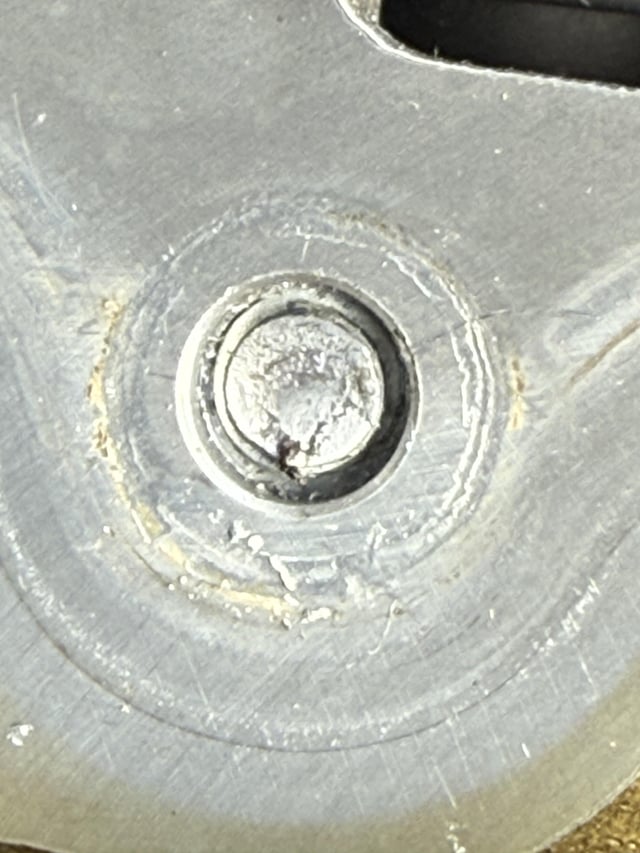
Have you ever faced the frustration of a bolt breaking off right where you need it most? A sheared bolt can stop your project dead in its tracks, leaving you wondering how to fix it without causing more damage.
But don’t worry—you’re not alone, and removing that stubborn bolt is easier than you think. You’ll discover simple, effective methods to get that bolt out quickly and safely. Keep reading to learn the step-by-step solutions that will save you time, money, and stress.
Your next fix starts here!

Credit: www.reddit.com
Tools Needed
Removing a sheared bolt requires the right tools. Using proper tools makes the job easier and safer.
This guide covers basic hand tools, specialized kits, and safety gear needed for bolt removal.
Basic Hand Tools
Basic hand tools help prepare and start the removal process. They are common in most toolboxes.
- Hammer: To tap and loosen the bolt
- Center Punch: Marks the bolt center for drilling
- Drill and Drill Bits: For making holes in the bolt
- Wrenches or Pliers: To grip and turn the bolt
- Screwdrivers: Useful for prying or tapping
Specialized Bolt Removal Kits
Specialized kits include tools designed for stuck or damaged bolts. They save time and reduce damage.
- Bolt Extractors: Grips broken bolts tightly for removal
- Easy Out Sets: Remove bolts by drilling and turning
- Left-Handed Drill Bits: Drill in reverse to help unscrew bolts
- Tap and Die Sets: Repair damaged threads after removal
- Heat Tools: Loosen bolts by expanding metal
Safety Gear
Safety gear protects you from injury during bolt removal. Always wear the right protection.
- Safety Glasses: Protect eyes from flying metal and debris
- Gloves: Shield hands from sharp edges and heat
- Hearing Protection: Use if power tools make loud noise
- Dust Mask: Prevent breathing in metal dust or particles

Credit: www.youtube.com
Assessing The Damage
Removing a sheared bolt starts with careful inspection. You must understand the damage before trying to fix it.
Looking closely helps you choose the right tools and methods to remove the bolt safely.
Check Bolt Condition
Look at the broken bolt’s surface and shape. Notice if it is rusted, bent, or stuck tight.
Rust or damage can make removal harder. Knowing the condition helps you decide what tools to use.
- Is the bolt rusted or corroded?
- Is the broken part smooth or jagged?
- Does the bolt move or is it firmly stuck?
Determine Bolt Material
Identify what metal the bolt is made of. Common types include steel, stainless steel, or brass.
Different metals need different tools and techniques. Some metals are harder to drill or extract.
- Steel bolts are very strong but can rust.
- Stainless steel bolts resist rust but are tough to cut.
- Brass bolts are softer and easier to work with.
Evaluate Access Space
Check the space around the sheared bolt. Wide or tight spaces affect how you can work.
Limited space may require special tools or a different approach to avoid damage.
- Is there enough room to use a wrench or extractor?
- Can you use power tools safely in the space?
- Will you need to remove nearby parts for better access?
Preparing The Area
Removing a sheared bolt requires careful preparation. This helps make the job safer and easier.
Start by preparing the area around the bolt. Cleaning and securing the workpiece are key steps.
Clean The Surrounding Surface
Remove dirt, rust, and grease near the broken bolt. This lets tools grip better and prevents slipping.
- Use a wire brush to scrub the area
- Wipe with a clean cloth
- Apply a rust remover if needed
- Ensure the surface is dry before proceeding
Apply Penetrating Oil
Penetrating oil helps loosen the bolt by reaching into tight spaces. Let it soak well to soften rust or corrosion.
| Type of Oil | Soak Time |
| General Penetrating Oil | 10-15 minutes |
| WD-40 or Similar | 5-10 minutes |
| Special Rust Remover Oil | 20-30 minutes |
Secure The Workpiece
Keep the part with the sheared bolt steady. This stops movement and protects nearby parts.
- Use a bench vise to hold small parts firmly
- Clamp larger parts to a workbench
- Apply padding to avoid damage from clamps
Removing The Sheared Bolt
Removing a sheared bolt can be tricky. The bolt breaks off and leaves part stuck inside.
This guide shows four ways to take out the broken bolt safely and correctly.
Using A Bolt Extractor
A bolt extractor is a special tool made to grip and pull out broken bolts.
- Choose the right size extractor for the bolt.
- Drill a small hole in the center of the sheared bolt.
- Insert the extractor and turn it counterclockwise.
- The extractor grips and removes the bolt as you turn.
Drilling Out The Bolt
Drilling removes the bolt by boring a hole through it. This method works if the extractor fails.
- Use a drill bit smaller than the bolt diameter.
- Drill slowly to avoid damage to the surrounding material.
- Increase drill bit size gradually until the bolt loosens.
- Remove any remaining bolt pieces with pliers.
Welding A Nut For Extra Grip
Welding a nut on the broken bolt gives a new grip surface for removal tools.
Follow these steps for welding a nut:
- Clean the broken bolt surface.
- Place a nut that fits the bolt diameter.
- Weld the nut firmly to the bolt.
- Use a wrench on the nut to turn and remove the bolt.
Tapping The Bolt Out
Tapping uses a hammer and punch to knock the bolt out of the hole.
| Tool | Purpose |
| Hammer | To apply force |
| Punch | To hit the bolt edge |
| Safety Glasses | Protect eyes |
Place the punch on the bolt edge and tap gently. Repeat until the bolt moves free.
Preventing Future Shearing
Sheared bolts can be a major issue in machinery. Ensuring bolts do not shear again is important for safety and efficiency.
Let’s look at ways to prevent bolts from shearing with proper techniques and maintenance.
Proper Torque Application
Applying the right torque is crucial for bolt security. It helps in maintaining the integrity of the bolt.
- Use a calibrated torque wrench for accuracy.
- Consult the manufacturer’s guidelines for torque specifications.
- Check torque levels regularly to ensure they remain within range.
Using Quality Bolts
High-quality bolts are less likely to shear under stress. They provide better performance and longevity.
Consider these factors when choosing bolts:
- Material strength and grade
- Coating for corrosion resistance
- Manufacturer’s reputation
Regular Maintenance
Regular maintenance keeps bolts in good condition. It helps in early detection of potential issues.
| Maintenance Task | Frequency |
| Inspect bolts for wear | Monthly |
| Re-torque bolts | Quarterly |
| Replace worn or damaged bolts | As needed |

Credit: www.reddit.com
Frequently Asked Questions
What Tools Are Needed To Remove A Sheared Bolt?
You need a drill, extractor set, penetrating oil, and pliers. These tools help loosen and extract the broken bolt safely and efficiently.
How Do You Prevent Bolts From Shearing?
Avoid overtightening bolts and use proper torque settings. Also, choose high-quality bolts and lubricate threads to reduce friction and stress.
Can A Sheared Bolt Be Drilled Out Easily?
Yes, drilling a sheared bolt is effective if done carefully. Use a drill bit slightly smaller than the bolt diameter and apply steady pressure.
What Is The Safest Method To Extract A Sheared Bolt?
Using a bolt extractor is safest. It grips the bolt securely, minimizing damage to surrounding material and ensuring smooth removal.
Conclusion
Removing a sheared bolt takes patience and the right tools. Start with simple steps before trying complex methods. Stay safe and work slowly to avoid damage. Practice helps improve your skill over time. With careful effort, you can fix the problem yourself.
Keep your workspace clean and organized. Remember, every bolt can come out with the right approach. Don’t rush, and you will succeed.