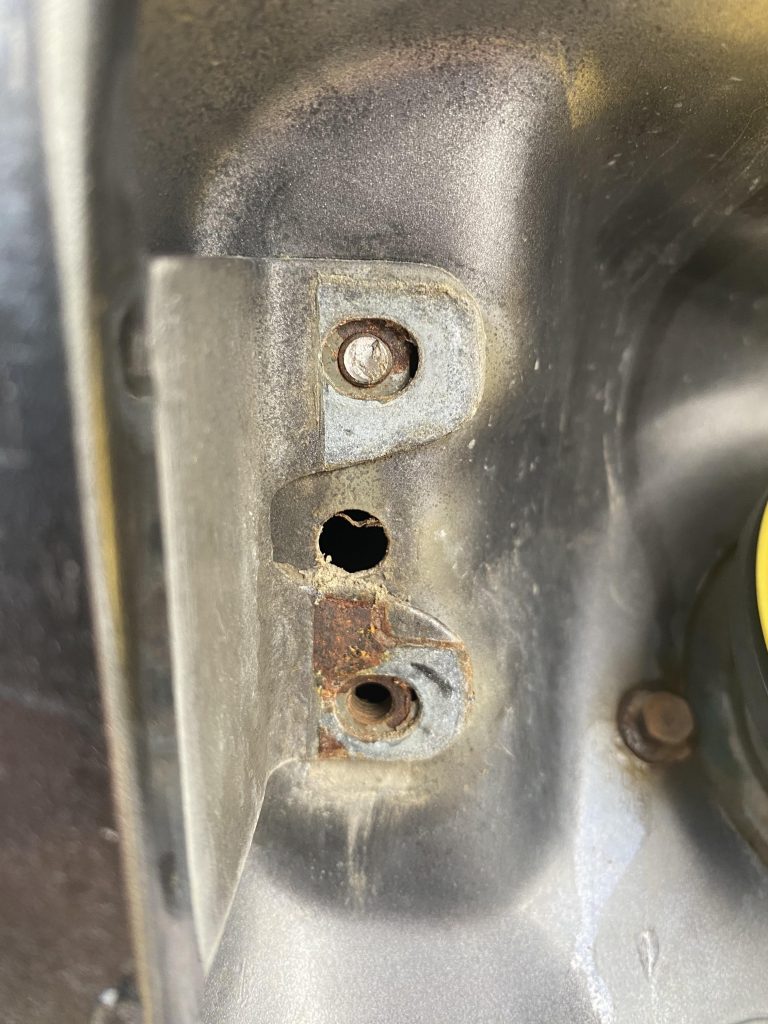
Have you ever faced the frustration of a bolt breaking off right where you least want it to? A sheared off bolt can stop your project dead in its tracks and leave you wondering how to fix the mess.
But don’t worry—removing that stubborn bolt isn’t as impossible as it seems. In this guide, you’ll discover simple, effective methods to get that bolt out quickly and safely. By the end, you’ll have the confidence and know-how to handle this common problem like a pro.
Keep reading, and let’s tackle that stuck bolt together!
Tools Needed
Removing a sheared off bolt requires the right tools to work safely and effectively. Using proper tools helps avoid damage to the surrounding parts.
This guide lists the basic hand tools and specialized extraction tools you will need for the job.
Basic Hand Tools
Basic hand tools are essential for preparing and starting the bolt removal process. They help you access the bolt and create space for extraction.
- Socket wrench set for loosening bolts nearby
- Hammer to tap and loosen stuck parts
- Center punch to mark the bolt center
- Drill with drill bits for making pilot holes
- Pliers or locking pliers for gripping the bolt
- Wire brush to clean rust and debris
Specialized Extraction Tools
Specialized extraction tools help remove the broken bolt from the material. They are designed to grip or drill out the bolt safely.
| Tool | Use |
|---|---|
| Bolt extractor set | Grips and twists out the broken bolt |
| Left-handed drill bits | Drills into bolt while loosening it |
| Tap and die set | Restores or cleans bolt threads |
| Heat source (like a propane torch) | Expands metal to loosen stuck bolt |
Assessing The Damage
Removing a sheared off bolt can be tricky. First, assess the damage to choose the best removal method.
Understanding the situation helps prevent further damage. Let’s explore how to do this effectively.
Check Bolt Exposure
Determine how much of the bolt is visible. This affects the tools you will need.
- Look for any bolt protruding from the surface.
- Assess if there is enough to grip with pliers or a wrench.
- Consider using a bolt extractor for recessed bolts.
Identify Bolt Material
Knowing the bolt’s material helps choose the right tools and methods. Different materials may require different removal techniques.
| Material | Removal Tool |
| Steel | Drill, Bolt Extractor |
| Aluminum | Pliers, Heat Application |
| Brass | Lubricant, Gentle Tapping |
Preparing The Area
Removing a sheared off bolt needs a clean and ready workspace. Preparing the area helps make the job easier and safer.
Take time to clear dirt and rust before starting. Proper preparation can save you effort later on.
Clear Surrounding Debris
Remove dirt, dust, and rust around the bolt. This lets you see the bolt clearly and work better.
Use a wire brush or a clean cloth to wipe the area. Clearing debris prevents tools from slipping.
- Use a wire brush to scrub rust away
- Wipe the surface with a dry cloth
- Blow out dust using compressed air if available
Apply Penetrating Oil
Spray penetrating oil on the sheared bolt and its threads. The oil helps loosen rust and corrosion.
Let the oil soak for at least 10 minutes. This gives it time to work deep into the bolt.
- Choose a good penetrating oil made for rusted parts
- Apply generously around the bolt and threads
- Wait before trying to remove the bolt
Using A Center Punch
Removing a sheared off bolt can be hard. Using a center punch helps guide your drill bit. This tool makes drilling easier and safer.
This guide shows how to use a center punch to mark the bolt center and stop the drill from slipping.
Marking The Bolt Center
Find the exact center of the broken bolt. Mark it with a center punch by tapping it gently with a hammer. This creates a small dent. The dent guides the drill bit to stay in place.
- Clean the bolt surface first.
- Use a ruler or caliper to find the center.
- Place the center punch tip on the center point.
- Tap lightly with a hammer to make a dent.
- Check the dent to ensure it is clear and centered.
Preventing Drill Slippage
Slipping drill bits can damage the bolt or surrounding parts. Use the center punch dent to keep the drill bit steady. Select the right drill bit size and drill slowly.
| Tip | Reason |
| Use a sharp drill bit | Drills more cleanly and less slipping |
| Start with a small pilot hole | Keeps drill bit centered and steady |
| Apply steady pressure | Prevents sudden slips or damage |
| Keep drill speed moderate | Reduces heat and bit wander |
Drilling The Bolt
Removing a sheared off bolt can be tricky. Drilling the bolt is a common way to remove it safely.
This process needs the right tools and careful drilling to avoid damage to the surrounding material.
Choosing The Right Drill Bit
Pick a drill bit made for metal. High-speed steel (HSS) bits work well for bolts.
Use a smaller bit first to make a pilot hole. Then use a bigger bit if needed to widen the hole.
- Start with a bit smaller than the bolt diameter
- Use cobalt or titanium coated bits for harder bolts
- Make sure the bit is sharp for clean drilling
Drilling Techniques
Secure the workpiece before drilling to avoid slipping. Use steady, even pressure during drilling.
Keep the drill straight to prevent breaking the bit. Use cutting oil to cool the bit and reduce friction.
- Mark the center of the bolt with a punch for accuracy
- Start drilling at low speed to control the bit
- Stop and clear metal shavings often
- Use lubricant to keep the bit cool

Credit: www.reddit.com
Extracting The Bolt
Removing a sheared off bolt can be tricky. You need the right tools and careful steps.
This guide shows simple ways to extract a broken bolt safely.
Using An Easy Out Extractor
An easy out extractor is a special tool for pulling broken bolts. It grips inside the bolt and turns it out.
First, drill a hole in the center of the bolt. Use a drill bit smaller than the extractor size.
- Insert the easy out extractor into the drilled hole.
- Turn it counterclockwise with a wrench.
- The extractor bites into the bolt and unscrews it.
- Apply steady, even pressure to avoid breaking the extractor.
Alternative Extraction Methods
If you do not have an easy out extractor, other ways can help remove a sheared bolt.
- Drilling and Tapping:Drill out the bolt fully, then tap new threads for a replacement bolt.
- Left-Hand Drill Bits:Use a left-hand bit to drill; it may turn and remove the bolt.
- Welding a Nut:Weld a nut onto the bolt’s stub. Turn the nut to remove the bolt.
- Using Pliers:If part of the bolt sticks out, grip it with locking pliers and twist it out.
Dealing With Stubborn Bolts
Removing a sheared off bolt can be very hard. Stubborn bolts often get stuck due to rust or damage.
Using the right tools and techniques helps you remove these bolts safely and effectively.
Applying Heat
Heat makes metal expand and break rust bonds. This can loosen a stuck bolt.
Use a propane torch to heat the bolt carefully. Heat for a few minutes, then try to turn it.
- Wear safety glasses and gloves
- Heat only the bolt, not surrounding parts
- Let the bolt cool before trying to remove it
Using Impact Tools
Impact tools deliver strong, sudden force to loosen bolts. They can break rust or corrosion.
Use an impact driver or hammer with a chisel to tap the bolt head. This helps free the bolt.
- Hold the tool steady and hit firmly
- Repeat tapping and turning motions
- Combine with penetrating oil for better results

Credit: www.youtube.com
Preventing Future Breakage
Removing a sheared off bolt is tough, but preventing breakage is easier. Using the right methods can save time and damage.
Proper care and techniques help bolts last longer and keep your projects safe and secure.
Proper Torque Application
Applying the correct torque reduces the risk of bolt breakage. Too much force stresses the bolt, causing it to shear off.
- Use a torque wrench for precise tightening.
- Follow manufacturer torque specifications for each bolt.
- Tighten bolts gradually and evenly in sequence.
- Avoid using impact tools unless designed for torque control.
- Check torque settings regularly on your tools.
Regular Maintenance Tips
Regular checks and care prevent bolt damage and failures. Keep bolts clean and inspect for signs of wear.
| Maintenance Task | Why It Matters | Frequency |
|---|---|---|
| Inspect bolts for rust or cracks | Detects early damage to prevent breakage | Monthly |
| Clean bolt threads before installation | Ensures smooth tightening and proper torque | Every use |
| Apply anti-seize lubricant | Prevents corrosion and seizing | Before installation |
| Retorque bolts after initial use | Accounts for settling and vibration | After first 100 miles or hours |

Credit: www.reddit.com
Frequently Asked Questions
How Can I Safely Remove A Sheared Bolt?
Use penetrating oil on the bolt and let it soak. Then, drill a small hole in the center. Use an extractor tool to grip and turn the bolt out carefully.
What Tools Are Needed To Remove A Broken Bolt?
You need penetrating oil, a drill, drill bits, a bolt extractor, pliers, and safety goggles. These tools help you loosen and safely remove the broken bolt.
Can Heat Help In Removing A Sheared Bolt?
Yes, applying heat can expand the metal around the bolt. Use a heat gun or torch carefully to avoid damaging nearby parts. Heat makes loosening easier.
How To Avoid Breaking Bolts During Removal?
Use the correct size tools and apply steady, controlled force. Avoid using excessive torque or sudden impacts. Applying penetrating oil beforehand also reduces the risk of breakage.
Conclusion
Removing a sheared-off bolt takes patience and the right tools. Start with simple methods before trying advanced ones. Always work slowly to avoid damaging the material around the bolt. Safety matters—wear gloves and eye protection. Practice makes perfect, so don’t rush the process.
With careful effort, you can remove stubborn bolts without extra damage. Keep these tips in mind for your next repair job.