Are you planning to remove your air conditioner but worried about losing the gas inside? You’re not alone.
Many people don’t realize that if you’re not careful, valuable refrigerant gas can escape during removal. This can harm the environment and leave you with costly repairs. But don’t worry—this guide will show you simple, effective steps to remove your air conditioner without losing a drop of gas.
Keep reading to save money, protect the planet, and get the job done right.
Preparing For Removal
Gather tools like a wrench, screwdriver, and refrigerant recovery machine. Wear safety glasses and gloves to protect yourself. Make sure the work area is clear and well-ventilated. Check if local laws require a certified technician for gas handling. Contact authorities or utility companies for guidelines. Never release refrigerant gas into the air; it harms the environment. Prepare a container to safely store the recovered gas. Keep a fire extinguisher nearby in case of emergencies. Read the air conditioner’s manual for specific instructions. Double-check all equipment before starting the removal process.
Recovering Refrigerant Safely
Using a refrigerant recovery machineis key to removing gas safely. It pulls out the refrigerant without releasing it into the air. This helps protect the environment and follow safety rules.
Start by connecting the recovery equipmentto the AC unit’s service ports. Make sure all connections are tight to avoid leaks. Use the right hoses and tools to link the machine and the air conditioner.
Keep an eye on the gas levelsduring recovery. Watch the machine’s gauges to see how much refrigerant has been collected. Stop the process only when the AC is free of gas. This helps avoid losing refrigerant and keeps the system safe.
Detaching The Air Conditioner
Start by turning off the power to the air conditioner. This prevents any electric shock. Locate the electrical connections and gently disconnect them. Use a screwdriver if needed. Keep the wires separate to avoid confusion later.
Handle refrigerant lines with care. These tubes carry the cooling gas inside the unit. Use a refrigerant recovery machine to safely remove the gas. Do not release gas into the air as it harms the environment. Seal the lines after emptying the gas.
Locate the mounting brackets holding the unit in place. Unscrew or unbolt these brackets carefully. Support the unit with your hands while removing the last screws. This stops the air conditioner from falling and breaking.

Credit: www.cbc.ca
Storing And Transporting The Unit
To keep the refrigerant gasinside, seal the refrigerant lines tightly. Use caps or plugson both ends to avoid leaks. This helps protect the environment and saves gas.
Wrap the unit with soft materials like bubble wrapor blankets. This prevents damageduring movement. Avoid placing heavy items on top to keep it safe.
- Use a sturdy box or crate for support.
- Carry the unit carefully and avoid sharp bumps.
- Keep the unit upright to protect internal parts.
- Transport quickly to reduce risks of damage.
Recharging And Reinstalling
Check all pipes and joints for any signs of gas leaks. Use a leak detector or soapy water to spot bubbles at leak points. Fix any leaks before refilling refrigerant to keep the system safe and efficient.
Refill the refrigerantcarefully following the manufacturer’s instructions. Use the correct type and amount to avoid damage. Overfilling or underfilling can harm the air conditioner’s performance.
Test the system by turning it on and watching for proper cooling and smooth operation. Listen for strange noises and feel for cold air flow. A well-tested system means the AC is ready to use.

Credit: www.youtube.com
Common Mistakes To Avoid
Releasing gas into the atmosphereharms the environment. It causes air pollution and damages the ozone layer. Always use proper tools to capture the gas safely. Never open the system without equipment designed for gas recovery.
Skipping safety gear can cause serious injuries. Wear gloves, goggles, and masksto protect your skin, eyes, and lungs from harmful chemicals. Safety gear is essential even for small jobs.
Ignoring manufacturer guidelinescan lead to costly mistakes. Each air conditioner model has specific instructions. Follow these instructions carefully to avoid damage and gas loss. Manuals often include safety tips and proper removal steps.

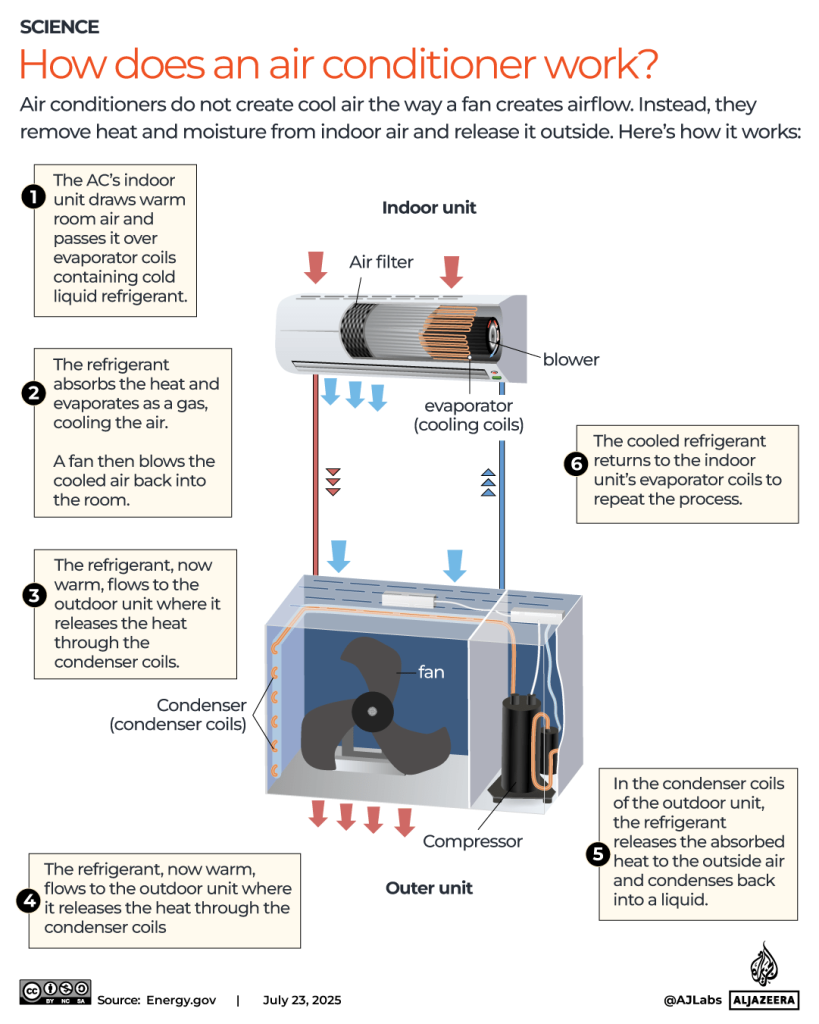
Credit: www.aljazeera.com
Frequently Asked Questions
How Can I Remove An Ac Without Losing Refrigerant Gas?
To remove an AC without losing gas, first recover the refrigerant using proper recovery equipment. Avoid opening the refrigerant lines until the gas is fully captured. This process ensures safe handling and prevents harmful gas release into the environment.
What Tools Are Needed To Remove Ac Without Gas Leakage?
You need a refrigerant recovery machine, gauges, and protective gear. These tools help safely extract and store refrigerant, preventing gas leaks during AC removal. Proper equipment ensures compliance with environmental regulations and protects your health.
Is It Safe To Remove Ac Without Releasing Refrigerant Gas?
Yes, if done correctly with the right tools and recovery methods. Professionals use certified equipment to capture refrigerant safely, avoiding environmental harm. DIY attempts without proper tools risk gas leaks and legal penalties.
Can I Remove Ac Refrigerant Without A Professional?
It’s not recommended to remove refrigerant without professional help. Handling refrigerant requires specialized tools and training. Incorrect removal can cause gas leaks, damage the AC, and violate environmental laws.
Conclusion
Removing an air conditioner without losing gas takes care and the right steps. Always turn off the power and close valves before starting. Use proper tools to keep the gas sealed inside. Avoid rushing to prevent damage or leaks. Following these tips helps protect the environment and saves money.
Take your time and stay safe during the process. This way, your air conditioner stays in good shape for later use. Simple actions make a big difference when handling AC gas.