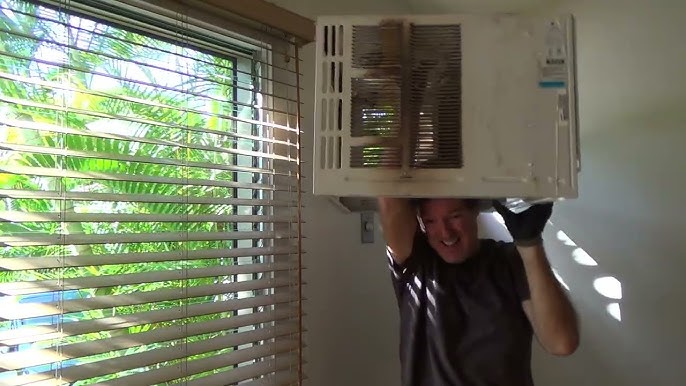
Are you ready to remove your air conditioner from the wall but don’t know where to start? Taking down a wall-mounted AC unit might seem tricky, but with the right steps, you can do it safely and quickly.
In this guide, you’ll discover simple, clear instructions that anyone can follow. Whether you’re upgrading your cooling system or fixing a problem, learning how to remove your air conditioner properly will save you time, money, and stress. Keep reading, and you’ll be confident to handle the job like a pro.

Credit: www.youtube.com
Tools And Materials Needed
Removing an air conditioner from a wall requires the right tools and materials. Using these items helps make the job safe and easier.
This guide lists the essential tools, safety equipment, and optional supplies you may need. Prepare these before starting.
Essential Tools
Essential tools help you remove the air conditioner carefully and without damage. These tools handle screws, bolts, and the unit itself.
- Screwdriver (flathead and Phillips)
- Socket wrench set
- Pliers
- Utility knife
- Putty knife or scraper
- Flashlight
- Measuring tape
Safety Equipment
Safety equipment protects you from injury during removal. Always wear the correct gear to stay safe around tools and the air conditioner.
- Work gloves to protect your hands
- Safety goggles to shield your eyes
- Dust mask to avoid breathing dust
- Closed-toe shoes for foot protection
- Hard hat if working near overhead hazards
Optional Supplies
Optional supplies can make the job cleaner and easier. Use these if you want to protect your walls or store the unit safely.
- Plastic tarp or drop cloth to catch debris
- Painter’s tape to cover wall edges
- Cardboard or a blanket for placing the unit
- Cleaning cloths for wiping dust
- Lubricant spray for stuck screws
Preparing The Area
Removing an air conditioner from a wall needs careful preparation. This helps keep you safe and protects your home. Follow these steps before you start the removal.
Focus on three main tasks: turning off power, clearing the area, and protecting your furniture and floor. Each step is important for a smooth process.
Turn Off Power
Always cut the power to the air conditioner before you begin. This stops accidents and electric shocks. You can do this at the circuit breaker or fuse box.
- Find the circuit breaker panel in your home.
- Locate the breaker for the air conditioner.
- Switch the breaker to the “off” position.
- Use a voltage tester to check no power is flowing.
Clear Surroundings
Remove items near the air conditioner. This gives you space to work and prevents damage. Clear furniture, decorations, and other objects from the area.
- Move chairs and tables away from the wall.
- Take down curtains or blinds close to the unit.
- Keep pets and children out of the workspace.
- Clear the floor near the unit to avoid tripping.
Protect Furniture And Flooring
Cover nearby furniture and floors to stop scratches and dirt. Use old sheets or plastic covers. Tape them down so they do not move during work.
| Item | Protection Needed |
| Wooden Floor | Thick plastic sheet |
| Carpet | Drop cloth or tarp |
| Furniture | Old sheets or blankets |
Disconnecting The Air Conditioner
Removing an air conditioner from a wall requires careful disconnection. This process involves unplugging the unit, detaching electrical connections, and handling refrigerant lines safely.
Following each step carefully helps avoid damage and ensures safety during removal. Use the right tools and take your time.
Unplugging The Unit
Start by unplugging the air conditioner from the power outlet. This stops electricity flow and reduces the risk of shock. Make sure your hands are dry before you touch the plug.
Detaching Electrical Connections
Next, detach the electrical wires connected to the air conditioner. These wires usually connect inside a small junction box on the unit.
- Turn off the circuit breaker for the air conditioner.
- Remove the cover of the junction box.
- Use a screwdriver to loosen wire nuts or screws.
- Carefully pull the wires apart, noting their positions for later.
- Secure loose wires with electrical tape to prevent contact.
Handling Refrigerant Lines
Refrigerant lines connect the indoor and outdoor parts of the air conditioner. Handling these lines requires care to avoid leaks.
| Task | What to Do |
| Locate the lines | Find the copper tubes near the unit. |
| Check for valves | Look for service valves to close refrigerant flow. |
| Close valves | Turn valves clockwise to seal the refrigerant. |
| Disconnect lines | Use a wrench to unscrew the line fittings carefully. |
| Cap the lines | Seal ends with protective caps or tape to avoid dirt. |

Credit: www.doityourself.com
Removing The Air Conditioner From The Wall
Removing an air conditioner from the wall needs care and the right steps. This guide helps you take it down safely.
Follow each part closely to avoid damage to the unit or the wall.
Unscrewing Mounting Brackets
Locate all screws holding the mounting brackets. Use the right screwdriver to avoid stripping them.
- Turn off the power to the air conditioner.
- Remove the front cover to access the brackets.
- Unscrew each mounting bracket carefully.
- Keep the screws in a safe place for later use.
Carefully Removing The Unit
After the brackets are loose, gently slide the air conditioner out of the wall opening.
- Hold the unit firmly with both hands.
- Move slowly to avoid dropping it.
- Watch for any wires or hoses still attached.
Managing Heavy Or Bulky Units
Large air conditioners can be heavy and hard to handle. Use help or tools to move them safely.
| Safety Tip | Description |
| Use Two People | Lift and carry the unit together to avoid strain. |
| Wear Gloves | Protect your hands from sharp edges and dirt. |
| Use a Dolly | Place the unit on a dolly for easier transport. |
| Clear the Path | Remove obstacles before moving the air conditioner. |
Sealing And Repairing The Wall
After removing an air conditioner from the wall, the area needs fixing. Proper sealing and repair keep your wall strong and clean.
This guide explains how to remove old sealant, patch holes, and repaint the wall for a smooth finish.
Removing Old Sealant
Start by removing any old sealant around the air conditioner space. This helps prepare the wall for repairs.
Use a putty knife or scraper to carefully lift and peel off the sealant. Clean the area with a damp cloth to remove residue.
Patching Holes And Gaps
Fill any holes or gaps left from the air conditioner with wall filler or spackling paste. This makes the wall smooth again.
Apply the filler with a putty knife. Press it firmly into holes and smooth the surface. Let it dry completely before sanding.
- Choose filler suited for your wall type
- Apply in thin layers for best results
- Sand gently after drying for a flat finish
Repainting And Finishing Touches
Once the wall is smooth, repaint the area to match the rest of the room. Use primer first if needed.
Use a small brush for edges and a roller for larger spots. Apply one or two coats for good coverage.
- Use primer on patched areas
- Match paint color to existing wall
- Allow paint to dry between coats
Disposing Or Storing The Air Conditioner
After removing an air conditioner from the wall, you need to decide what to do with it. You can either dispose of it properly or store it for later use. Each option requires care to avoid damage or harm to the environment.
This guide helps you understand how to handle your air conditioner safely and responsibly.
Proper Disposal Methods
Throwing an air conditioner in the trash is not safe. It contains chemicals that can harm the environment. You must follow local laws for disposal.
Many places have special centers for disposing of appliances. You can also hire a professional service to remove and dispose of it safely.
- Contact local waste management for rules
- Use approved recycling or disposal centers
- Do not release refrigerants into the air
- Hire certified technicians for removal
Storage Tips For Reinstallation
If you plan to use the air conditioner again, store it carefully. Clean it before storage to avoid mold and damage.
Keep it in a dry place away from dust and moisture. Cover it with a cloth or plastic to protect it from dirt.
- Drain all water from the unit
- Remove and clean the filters
- Wrap the unit to prevent dust buildup
- Store in a cool, dry area
- Avoid stacking heavy items on top
Recycling Considerations
Air conditioners contain metals and plastics that can be recycled. Recycling helps save resources and reduce waste.
Many recycling centers accept air conditioners. They remove harmful parts and recycle useful materials safely.
- Find local recycling programs for appliances
- Remove refrigerant before recycling
- Recycle metal and plastic parts separately
- Use certified recycling facilities
Troubleshooting Common Issues
Removing an air conditioner from a wall can sometimes lead to unexpected problems. These issues can slow down your work or cause damage if not handled properly.
This guide helps you fix some common problems you might face during removal. Follow these tips to keep the process safe and smooth.
Dealing With Stuck Screws
Stuck screws often block the removal of your air conditioner. Rust or dirt can cause screws to be hard to turn.
- Use a penetrating oil and wait 10 minutes before trying again.
- Apply steady pressure with a screwdriver that fits well.
- If screws strip, try using a rubber band for better grip.
- Heat the screw gently with a hairdryer to loosen rust.
Handling Refrigerant Leaks
Refrigerant leaks can be dangerous and harm the environment. Take care to avoid releasing it while removing the unit.
| Sign | Action |
| Oily residue near pipes | Wear gloves and clean the area carefully |
| Hissing sound | Stop work and call a professional |
| Unusual frost buildup | Check for damaged seals before removal |
Managing Electrical Problems
Electrical issues can cause shocks or damage. Always turn off power before starting work.
- Switch off the circuit breaker for the air conditioner.
- Test with a voltage tester to confirm no current flows.
- Wear insulated gloves to protect your hands.
- Disconnect wiring carefully and label each wire for reinstallation.

Credit: tuckpointing.com.au
Frequently Asked Questions
How Do I Safely Remove A Wall Air Conditioner?
First, unplug the unit and turn off the power. Remove any screws or brackets holding it. Carefully pull the AC out, supporting its weight to avoid damage or injury.
What Tools Are Needed To Remove A Wall Air Conditioner?
You will typically need a screwdriver, a wrench, and possibly pliers. A helper might be useful to support the unit during removal.
Can I Remove A Wall Air Conditioner Myself?
Yes, if you follow safety steps and have basic tools. However, consider professional help for heavy or complex units.
How Do I Disconnect The Air Conditioner From Power?
Unplug the unit from the electrical outlet. If hardwired, turn off the circuit breaker first to ensure safety.
Conclusion
Removing an air conditioner from a wall can seem daunting. But it’s manageable. Follow the steps carefully. Ensure you have the right tools. Safety should be your priority. Disconnect the power first. Remove the outer casing gently. Support the unit while detaching.
Check for any remaining screws. Clean the area after removal. Dispose of the unit properly. Now, you can reuse the space. With these steps, you’ll succeed. Always remember to stay safe and patient. Enjoy your newly freed wall space!