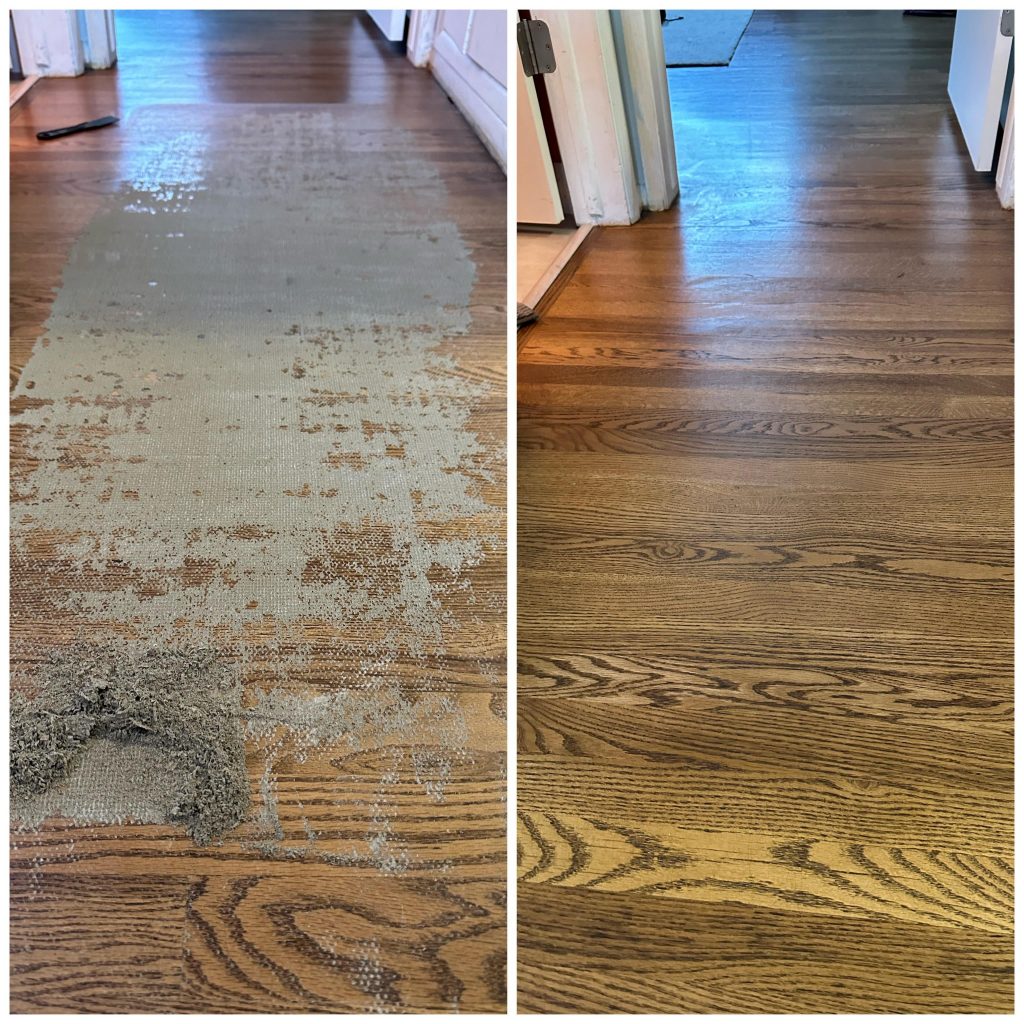
Have you ever finished cleaning your floors only to notice a dull, sticky film left behind? That leftover residue from floor cleaners can make your spotless efforts feel wasted.
But don’t worry—removing this stubborn buildup is easier than you think. You’ll discover simple, effective ways to get your floors shining like new again. Keep reading, and say goodbye to that annoying film for good!
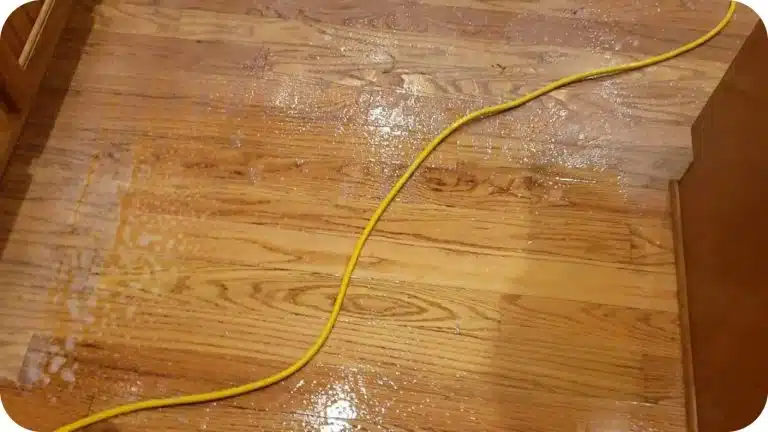
Credit: recoatrevolution.com
Causes Of Floor Cleaner Residue
Floor cleaner residue can make your floors look dull and sticky. Understanding what causes this residue helps prevent it. Several common factors lead to leftover cleaner on floors after cleaning. These issues often arise from everyday cleaning habits and water quality.
Overuse Of Cleaning Products
Using too much floor cleaner causes residue build-up. Excess cleaner does not rinse away easily. It leaves a film that traps dirt and dust. More product does not mean cleaner floors. Follow the instructions on the label carefully. Using the right amount keeps floors spotless and fresh.
Inadequate Rinsing
Not rinsing floors well after cleaning leaves behind residue. Soap and cleaner particles stay on the surface. Rinsing with clean water removes these particles. Skipping this step causes sticky, cloudy patches. Proper rinsing ensures no cleaner remains on your floors.
Hard Water Effects
Hard water contains minerals like calcium and magnesium. These minerals react with floor cleaners and form deposits. These deposits appear as white or cloudy streaks. Hard water can make rinsing less effective. Using a water softener or special cleaner helps reduce residue from hard water.

Credit: diy.stackexchange.com
Signs Of Residue On Floors
Recognizing the signs of floor cleaner residue is key to maintaining a spotless and safe floor. Residue often builds up unnoticed, making your floors look worse despite regular cleaning. Knowing what to look for helps you act quickly before the problem worsens.
Sticky Or Filmy Surface
When your floor feels sticky or has a filmy layer, it’s a clear sign of leftover cleaner. This residue traps dirt and dust, making your floor dirtier over time. You might notice your feet or socks sticking slightly as you walk.
Have you ever wiped the floor only to find the cloth picks up a greasy layer? That’s another clue pointing to residue buildup.
Dull Or Cloudy Appearance
If your floor has lost its shine and looks cloudy, residue could be the culprit. This film scatters light instead of reflecting it, dulling the floor’s natural glow. Even polished wood or tile can appear lifeless and worn.
Try comparing a cleaned spot with one you haven’t touched. Does the cleaned spot look less vibrant? That contrast often reveals hidden residue.
Slippery Texture
A slippery floor isn’t just a safety hazard—it often means excess cleaner wasn’t rinsed off properly. This thin, slick layer reduces traction, increasing the risk of slips and falls. Notice if your shoes slide more than usual on freshly cleaned floors.
Think about the last time you mopped. Did you use too much cleaner or skip rinsing? Slipperiness often points to these common mistakes.
Tools And Materials Needed
Removing floor cleaner residue requires the right tools and materials. Using proper supplies makes the process easier and more effective. Having everything ready helps you clean quickly and safely.
Basic Cleaning Supplies
- Bucket for water and solutions
- Mop or sponge for scrubbing
- Microfiber cloths for wiping
- Soft-bristle brush for tough spots
- Vacuum or broom to remove dust
Specialized Cleaning Solutions
- Vinegar diluted with water to break residue
- Commercial floor cleaner remover
- Baking soda for gentle scrubbing
- Rubbing alcohol for sticky residues
- pH-neutral cleaner for sensitive floors
Safety Gear
- Rubber gloves to protect your hands
- Eye protection to avoid splashes
- Mask to prevent inhaling fumes
- Non-slip shoes for better grip
- Apron or old clothes to avoid stains
Step-by-step Removal Process
Removing floor cleaner residue can feel like a challenge, but breaking down the process into clear, manageable steps makes it much easier. Understanding how to prepare your floor, select the right cleaner, rinse properly, and dry effectively will restore your floor’s shine without leaving any streaks or build-up. Let’s walk through each part of the process so you get spotless results every time.
Initial Floor Preparation
Start by clearing the area of any furniture or rugs to access the entire floor surface. Sweep or vacuum thoroughly to remove loose dirt and debris that could mix with cleaning solutions and create more residue. If your floor has sticky spots or old grime, spot clean these areas first to avoid spreading dirt during the rinsing phase.
Have you noticed how skipping this step can make rinsing less effective? Taking time here saves effort later.
Choosing The Right Cleaner
Not all cleaners are created equal, especially when it comes to residue. Pick a cleaner designed specifically for your floor type—whether it’s hardwood, tile, or laminate. Avoid harsh chemicals that leave behind a film; instead, opt for pH-balanced or residue-free formulas.
If you’re unsure, test the cleaner on a small, hidden patch before applying it to the whole floor. This simple test prevents damage and ensures your cleaner won’t add to the problem.
Proper Rinsing Techniques
Rinsing is where many people falter. Use clean, warm water and a damp mop to go over the entire floor after cleaning. Change the water frequently to avoid re-depositing dirt and residue back onto the surface.
Do not rush this step. Multiple rinses might be necessary, especially if the residue is thick. Think about how your floors look after each rinse—are they still dull or sticky? Keep rinsing until the floor feels clean to the touch and looks clear.
Drying The Floor
Moisture left on the floor can attract dirt and cause streaks. Use a dry microfiber cloth or mop to absorb any remaining water immediately after rinsing. Ensure the room is well-ventilated to speed up the drying process.
Have you tried drying your floors quickly with a fan or open windows? It helps prevent water spots and keeps your floor looking fresh longer.
Natural Remedies For Residue
Natural remedies offer a safe and effective way to remove floor cleaner residue. These options use everyday ingredients. They help clean without harsh chemicals. Floors look fresh and shine naturally. These remedies work well on many floor types.
Vinegar Solutions
Vinegar is a strong natural cleaner. Mix one cup of vinegar with one gallon of warm water. Mop the floor with this solution. It cuts through residue and buildup. Vinegar also helps remove dullness. Avoid using vinegar on natural stone floors. The acid can damage them. Rinse the floor with clean water after mopping.
Baking Soda Scrubs
Baking soda is gentle but effective. Sprinkle baking soda over sticky or grimy spots. Add a few drops of water to make a paste. Use a soft cloth or sponge to scrub the area. Baking soda lifts residue and stains. It also deodorizes the floor naturally. Wipe away the paste with a damp cloth. Dry the floor with a towel.
Lemon Juice Treatments
Lemon juice has natural acidic properties. It breaks down residue and leaves a fresh scent. Mix lemon juice with water in equal parts. Apply this mixture to the affected floor areas. Let it sit for a few minutes. Scrub gently with a soft brush or cloth. Rinse thoroughly with clean water. Avoid lemon on sensitive surfaces like marble. It may cause damage.
Preventing Future Residue Build-up
Residue build-up from floor cleaners can make your floors look dull and sticky, even after a thorough cleaning. Preventing this from happening saves you time and effort later. Understanding how to control residue starts with the habits you develop during cleaning and the products you choose.
Using Appropriate Cleaner Amounts
More cleaner doesn’t mean cleaner floors. Using too much floor cleaner often leads to residue that sticks around after rinsing. Try using the amount recommended on the product label—usually just a capful for a gallon of water.
Remember, your goal is to clean, not to soap up your floors. If your floors feel slippery or look cloudy after cleaning, you’re likely using too much cleaner. Adjust the amount next time and see if your floors feel fresher.
Regular Maintenance Tips
How often you clean impacts residue build-up. Skipping regular cleaning allows dirt and cleaner residue to layer up, making the problem worse over time. Aim for routine cleaning using a damp mop and mild cleaner.
Spot clean spills right away to avoid sticky patches. Also, avoid over-wetting your floors, as excess water can mix with cleaner residue and leave marks. A quick wipe with a clean, damp cloth between deep cleans helps keep your floors shining.
Water Quality Considerations
Have you ever noticed white spots or streaks after cleaning? Hard water could be the culprit. Minerals in hard water react with cleaners and leave behind residue that’s tough to remove.
Try using filtered or distilled water for your floor cleaning solution if you have hard water at home. If that’s not possible, adding a small amount of vinegar to the rinse water can help break down mineral deposits and reduce residue.
When To Call A Professional
Knowing when to call a professional to remove floor cleaner residue can save you from costly mistakes and frustration. Some residue problems are too tough or risky to handle on your own, especially if your flooring needs special care. Understanding the signs that indicate you need expert help will protect your floors and your time.
Severe Residue Issues
If the residue has built up over weeks or months, simple cleaning might not fix it. Thick, sticky layers or discoloration that won’t come off with regular mopping are clear signals to call a pro. Attempting to scrub hard residues yourself can scratch or dull the floor’s surface.
Have you ever tried to remove stubborn grime only to make the stain worse? Professionals have tools and cleaning solutions that are stronger yet safe, which means they can restore your floors without causing damage.
Special Flooring Types
Different floors react differently to cleaning products. Hardwood, natural stone, and laminate require unique care to avoid warping, etching, or peeling. If your floor is made from sensitive materials, a professional can tailor the cleaning process to your specific needs.
For example, an expert will know how to handle marble floors without using acidic cleaners that eat away the surface. This knowledge prevents costly repairs and keeps your floor looking great for years.
Avoiding Damage
Your floor is an investment, and you want to protect it from harm. Using the wrong cleaning technique or product can cause lasting damage that’s expensive to fix. Calling a professional ensures the job is done right the first time.
Think about the last time you tried a DIY fix that didn’t go as planned—was it worth the risk? Professionals minimize this risk by assessing the residue type and floor condition before choosing the safest removal method.
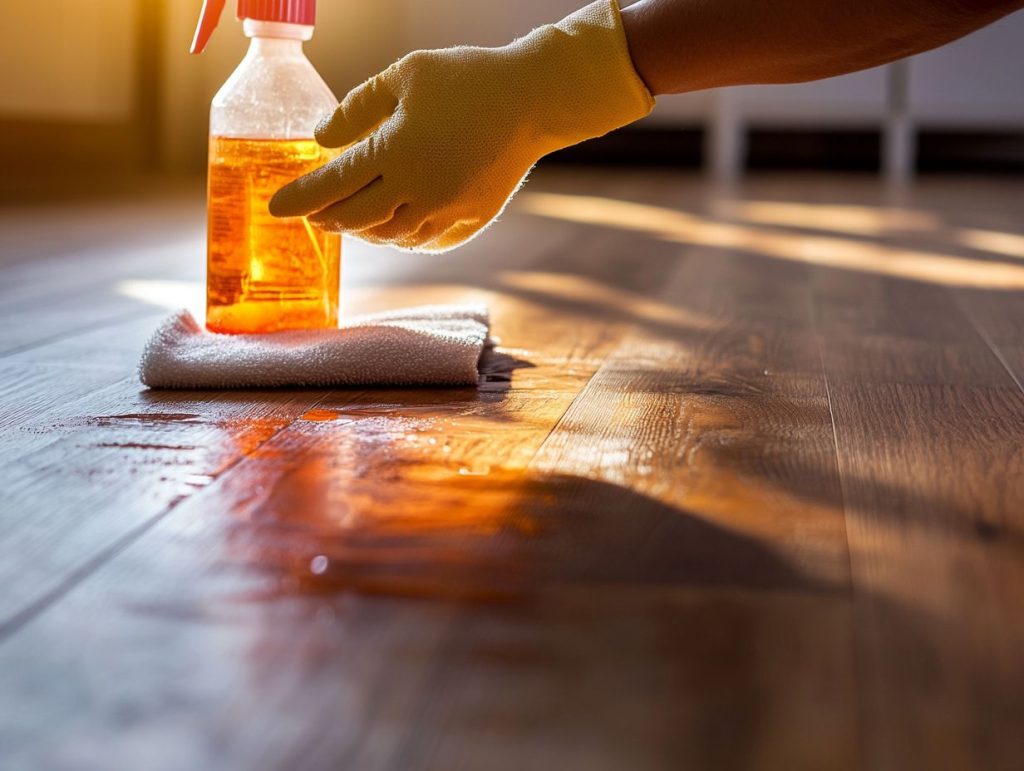
Credit: www.newingtondancespace.com
Frequently Asked Questions
How Do I Identify Floor Cleaner Residue?
Floor cleaner residue appears as a sticky or cloudy film on floors. It often causes dullness and streaks after cleaning. Residue can make floors slippery and attract dirt faster. Proper rinsing helps prevent residue buildup.
What’s The Best Method To Remove Floor Cleaner Residue?
To remove residue, mop floors with warm water and a vinegar solution. Vinegar cuts through leftover soap effectively. Rinse thoroughly and dry with a clean cloth. Repeat if necessary for stubborn buildup.
Can Baking Soda Help Eliminate Floor Cleaner Residue?
Yes, baking soda is a gentle abrasive that breaks down residue. Sprinkle it on the floor, scrub lightly with a damp cloth, then rinse well. It’s safe for most floor types and eco-friendly.
How Often Should I Clean Floors To Avoid Residue?
Regular cleaning with proper rinsing prevents residue buildup. Avoid overusing floor cleaners and always dilute as directed. Clean floors weekly or as needed based on foot traffic.
Conclusion
Removing floor cleaner residue is simple with the right steps. Start by using warm water and a clean mop. Rinse your floors thoroughly to clear away residue. Dry the floor completely to prevent streaks. Regular cleaning helps maintain a spotless shine.
Always use suitable cleaning products for your floor type. Consistent care ensures a beautiful, clean surface. Keep your floors looking their best with these easy tips. A little effort goes a long way in floor maintenance. Enjoy cleaner, residue-free floors effortlessly.