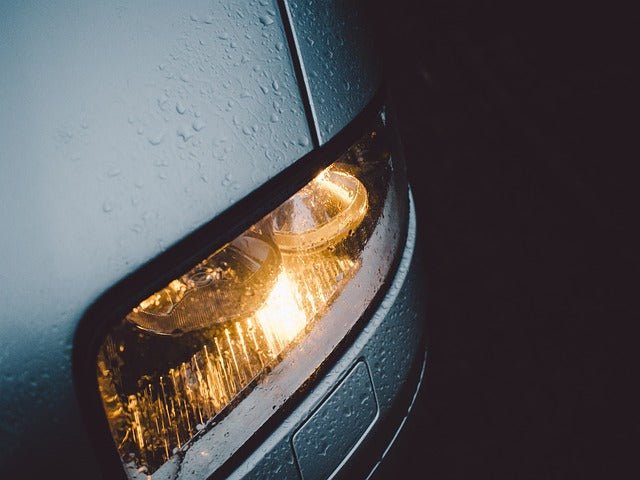
Are your car headlights looking foggy or cloudy because of trapped moisture? This not only makes your car look old but also reduces how well you can see at night.
You might think you need to open the headlights to fix this, but what if you didn’t? Imagine clearing that moisture without any complicated tools or taking apart your car. You will learn simple, effective ways to remove moisture from your headlights quickly and safely.
Keep reading, and you’ll discover easy tricks that save you time, money, and frustration. Your headlights will shine bright again, and you’ll drive with confidence.

Credit: www.carsales.com.au
Causes Of Moisture In Headlights
Moisture inside car headlights is a common problem. It happens when water or humidity gets trapped inside the headlight housing.
This moisture can reduce light brightness and damage the headlight over time. Understanding why moisture enters helps prevent it.
Common Entry Points
Water can enter headlights through small gaps or cracks. These openings let moisture build up inside the lens.
- Damaged seals around the headlight cover
- Cracks or chips in the headlight lens
- Loose or missing screws and fasteners
- Ventilation holes that allow air but let moisture in
- Condensation from temperature changes inside the housing
Effects On Visibility And Safety
Moisture inside headlights makes light dim and blurry. This lowers your ability to see the road clearly at night.
Wet headlights reduce the range of your lights. It also makes your car less visible to other drivers, raising accident risks.
- Decreased brightness makes driving harder
- Blurred light reduces road visibility
- Glare from moisture can blind other drivers
- Increased risk of accidents in bad weather

Credit: www.carsales.com.au
Quick At-home Fixes
Moisture inside car headlights reduces visibility and can cause damage. You do not need to open the headlights to fix this problem. There are simple ways to remove moisture quickly at home.
These methods use heat or moisture absorbers to clear fog and keep your headlights dry. Each method is easy and requires common household items or car parts.
Using A Hair Dryer
A hair dryer can warm the headlight and evaporate trapped moisture inside. This method works best when the headlight lens is sealed and dry outside.
- Turn on the hair dryer to medium heat.
- Hold it 6 to 8 inches from the headlight surface.
- Move the dryer slowly over the entire lens for about 5 minutes.
- Check if the moisture disappears. Repeat if needed.
Applying Silica Gel Packs
Silica gel packs absorb moisture effectively. You can place them near or inside the headlight housing without opening it fully.
| How to Use Silica Gel Packs | Details |
|---|---|
| Choose Packs | Pick fresh or reactivated silica gel packs. |
| Placement | Put packs near air vents or small openings of headlights. |
| Duration | Leave packs for several hours or overnight. |
| Check | Replace packs if they become saturated with moisture. |
Utilizing Heat From Car Engine
The heat from your car engine warms the headlights and helps dry out moisture inside. This method uses the engine’s natural heat without any tools.
- Park the car in a sunny spot or a warm garage.
- Run the engine for 10 to 15 minutes.
- Turn off the engine and check the headlights for moisture.
- If needed, repeat or combine with a hair dryer for faster drying.
Diy Moisture Absorption Techniques
Moisture inside car headlights can reduce light and cause fogging. You can remove this moisture without opening the headlight.
Try simple ways to absorb moisture at home. These easy methods save time and effort.
Vacuum Method
Use a small vacuum cleaner to pull moisture from the headlight. This method works well if the vacuum has a narrow nozzle.
Place the nozzle near any small openings or vents on the headlight. Run the vacuum for a few minutes to remove water vapor.
- Check for vents or cracks on the headlight
- Use a vacuum with a narrow attachment
- Run the vacuum for 5 to 10 minutes
- Repeat if moisture remains
Sunlight Exposure
Sunlight helps dry out moisture inside the headlight. Park your car in direct sunlight for several hours.
The heat from the sun warms the headlight and evaporates the water inside. This natural method is simple and free.
- Find a sunny spot outdoors
- Park the car facing the sun
- Leave it for 3 to 5 hours
- Check if moisture clears up
Compressed Air Usage
Compressed air can blow moisture out of the headlight. Use an air compressor or canned air with a thin nozzle.
Direct the airflow into small openings on the headlight. This helps push out trapped water and speeds up drying.
- Locate small vents or gaps in the headlight
- Use compressed air with a narrow tip
- Blow air gently into the openings
- Repeat as needed to clear moisture
Preventing Future Moisture Build-up
Moisture inside car headlights can reduce visibility and damage the lights. Keeping the headlights dry helps maintain their brightness. Simple steps can stop moisture from coming back.
This guide covers ways to seal cracks, care for headlights, and parking habits to keep moisture away.
Sealing Small Cracks
Small cracks let moisture enter headlights. Sealing these cracks is key to preventing future fogging and water build-up.
- Clean the headlight surface and dry it completely.
- Use clear silicone sealant or automotive seal tape on cracks.
- Apply the sealant carefully to cover all edges of the crack.
- Let the sealant dry for at least 24 hours before use.
Regular Headlight Maintenance
Routine care keeps headlights dry and working well. Check for damage and clean the lights often.
| Task | Frequency | Purpose |
|---|---|---|
| Inspect for cracks | Monthly | Find damage early |
| Clean headlight lenses | Every two weeks | Remove dirt and moisture |
| Check headlight seals | Every 3 months | Ensure tight sealing |
| Dry headlights if foggy | As needed | Remove trapped moisture |
Parking Tips To Avoid Moisture
Where and how you park affects moisture in headlights. Follow these tips to keep them dry.
- Park in a garage or covered area to block rain and humidity.
- Avoid parking near sprinklers or wet grass.
- Face the car in a direction that allows sunlight to reach headlights.
- Leave a small gap between the car and walls to improve air flow.
When To Seek Professional Help
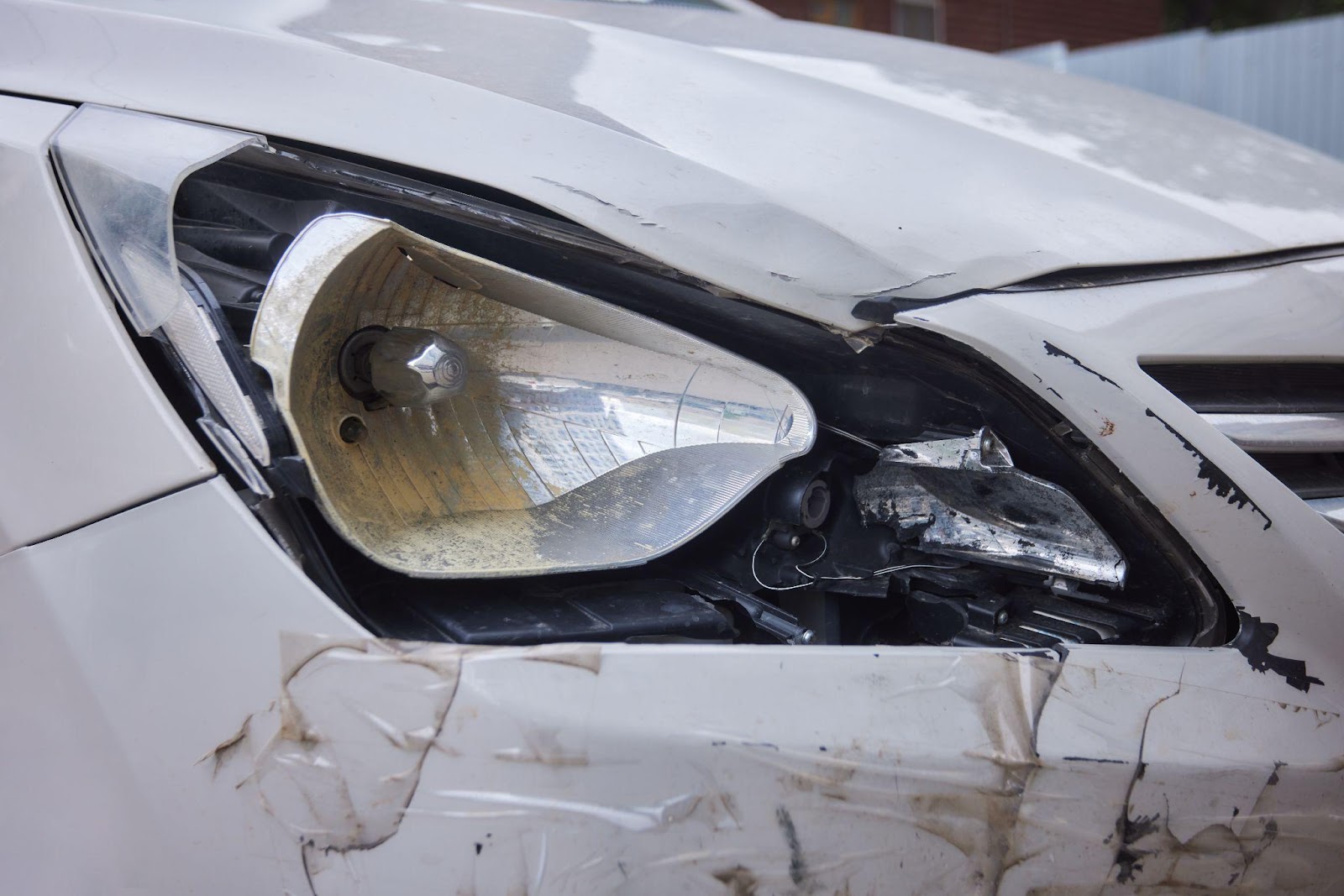
Removing moisture from car headlights can be done at home in many cases. Still, some problems need expert attention. Knowing when to call a professional helps avoid further damage.
Moisture inside headlights may seem minor but can signal bigger issues. If you notice persistent problems, it is best to get a professional opinion.
Persistent Moisture Issues
If moisture keeps coming back after cleaning, the seal might be broken. This lets water inside the headlight housing, which is hard to fix at home.
- Water droplets appear inside the headlight soon after cleaning.
- Fog or mist stays inside the lens even on dry days.
- Condensation worsens after rain or car washing.
- DIY fixes do not stop moisture buildup.
These signs show that the headlight is not sealed properly. A professional can open the headlight and replace the seal or fix cracks.
Signs Of Headlight Damage
Moisture inside headlights can cause damage to the light bulbs and wiring. Watch for signs that mean the headlight needs repair or replacement.
| Sign | Possible Cause | Why See a Professional |
| Yellowing or Cloudiness | UV damage or moisture | Needs lens replacement or polishing |
| Dim Light Output | Wet bulbs or wiring issues | Check electrical parts |
| Cracks or Holes | Physical damage | Replace or repair housing |
| Burning Smell | Electrical short | Immediate professional check |
If you see any of these signs, avoid driving at night. A professional can fix the problem safely and keep your car lights working well.
Credit: vlandshop.com
Frequently Asked Questions
How Can I Remove Moisture From Headlights Without Opening Them?
You can remove moisture by using silica gel packets or placing a hairdryer near the sealed headlight. This dries the condensation without needing to open the headlight casing.
Why Does Moisture Build Up Inside Car Headlights?
Moisture builds up due to temperature changes, cracks, or poor seals. This causes condensation inside the headlight lens, reducing visibility and light effectiveness.
Can Household Items Help Dry Out Foggy Headlights?
Yes, items like silica gel packets or dry rice can absorb moisture inside headlights. Place them near or inside the sealed headlight area to reduce fogging.
Is It Safe To Use A Hairdryer On Headlights?
Yes, using a hairdryer on a low heat setting is safe. Keep it at a distance to avoid heat damage while evaporating moisture inside the headlight.
Conclusion
Removing moisture from car headlights can extend their lifespan. Simple steps make a big difference. Use silica gel packs or a hairdryer to dry them. Ensure headlights are sealed properly to prevent future moisture. Regular checks can keep your lights clear and bright.
These easy tips help maintain visibility on the road. No special tools or skills are needed. Just a bit of time and care. Keep your headlights in top shape with these straightforward methods. Safe driving starts with clear headlights. Follow these steps for a brighter, safer journey.