
Mold on your tent can turn a fun camping trip into a messy nightmare. If you’ve ever pulled out your gear only to find dark spots or a musty smell, you know how frustrating it is.
But don’t worry—removing mold from your tent is easier than you think. In this guide, you’ll learn simple, effective steps to clean your tent and keep it fresh for your next adventure. Keep reading, and you’ll discover how to protect your gear and enjoy the great outdoors without worrying about mold.
Credit: www.gearaid.com
Identify Mold On Your Tent
Mold can grow on tents if stored in damp places. It damages fabric and smells bad. Spotting mold early keeps your tent safe and clean.
This guide helps you find mold signs on your tent. Knowing what to look for saves time and effort in cleaning.
Look For Discoloration
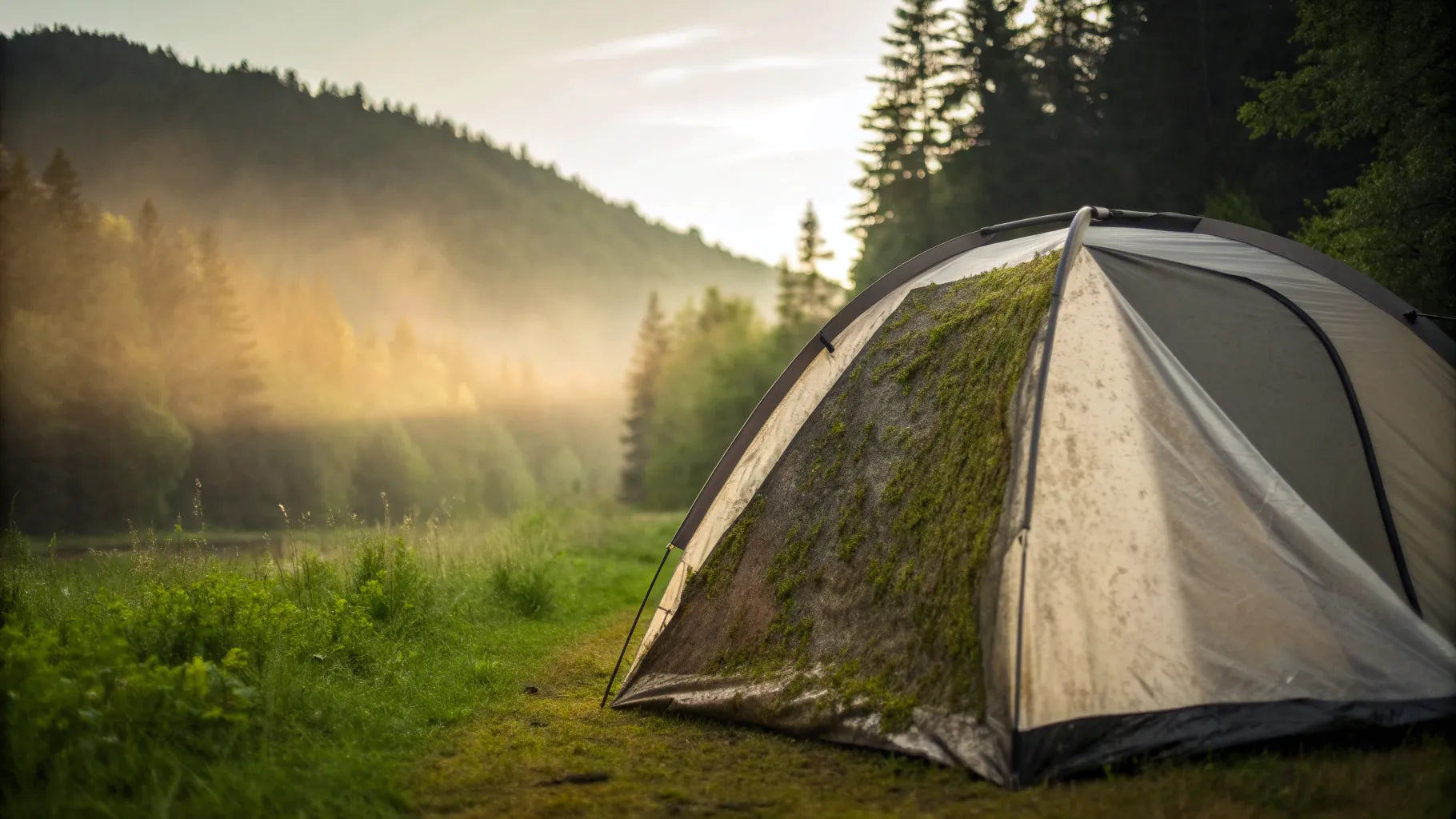
Mold often appears as dark or light patches on the tent fabric. These spots can be green, black, gray, or white.
Check For A Musty Smell
A strong, musty odor is a common sign of mold inside your tent. The smell usually gets worse in closed, damp areas.
Feel For Texture Changes
Mold can make the tent fabric feel slimy or fuzzy. Run your hand over the affected parts to notice any texture changes.
Identify Mold-prone Areas
- Inside corners and seams
- Underneath the tent floor
- Near zippers and vents
- On the rainfly and storage bags
Compare Mold Spots And Dirt
| Feature | Mold | Dirt |
| Color | Green, black, white, gray | Brown, dusty, natural |
| Texture | Slimy, fuzzy | Dry, rough |
| Smell | Musty | None or earthy |
| Removes Easily | No, needs cleaning | Yes, wipes off |
Gather Cleaning Supplies
Removing mold from a tent requires the right cleaning tools. Gathering supplies before you start saves time.
Using proper materials helps protect the tent fabric and removes mold safely.
Protective Gear
Wear gloves and a mask to avoid breathing mold spores and touching irritants.
Cleaning Solutions
Choose mild detergents or special mold removers safe for outdoor gear.
- Non-bleach soap or detergent
- White vinegar or baking soda (natural options)
- Commercial mold cleaner for fabrics
Cleaning Tools
Use soft brushes and cloths to scrub without damaging the tent.
| Tool | Purpose |
| Soft brush | Remove mold spots gently |
| Spray bottle | Apply cleaning solution evenly |
| Clean cloths | Wipe and dry the tent fabric |
Drying Equipment
Prepare a clean area with good airflow for drying the tent after cleaning.
Items to consider for drying:
- Clothesline or drying rack
- Clean towels
- Outdoor space with sunlight
Prepare The Tent For Cleaning
Before you start cleaning mold from your tent, preparation is key. Proper preparation will make the cleaning process easier and more effective.
By following the steps below, you will ensure that your tent is ready for a thorough cleaning. Let’s get started on preparing your tent.
Find A Suitable Cleaning Area
Choose a well-ventilated area to clean your tent. This will help in drying the tent and removing mold spores.
- Outdoor spaces like a backyard or open garage
- Avoid confined spaces
- Ensure good airflow
Remove Loose Dirt And Debris
Shake off any loose dirt or debris from your tent. This will make the cleaning process more effective and prevent scratching the material.
Gather Necessary Cleaning Supplies
Having the right supplies on hand will make the cleaning process more efficient. Gather all items before you begin.
| Supply | Use |
| Soft brush | Scrub mold spots |
| Non-detergent soap | Clean tent fabric |
| Buckets | Mix cleaning solutions |
| Sponge | Apply and rinse soap |
Test Cleaning Solution On A Small Area
Before applying the cleaning solution to the entire tent, test it on a small, hidden area. This will prevent damage to the fabric.

Credit: www.gearaid.com
Use Safe Cleaning Solutions
Removing mold from a tent is important for health and safety. Using safe cleaning solutions protects your tent fabric and your skin.
Choose cleaning methods that avoid harsh chemicals. This keeps your tent strong and mold-free.
Natural Remedies
Natural remedies use simple ingredients found at home. They are gentle and safe for most tent materials.
- Mix equal parts white vinegar and water in a spray bottle.
- Spray the moldy area and let it sit for 30 minutes.
- Use a soft brush to scrub the mold gently.
- Rinse the tent with clean water and dry it in the sun.
- Baking soda can also remove mold. Sprinkle it on the mold and scrub with a damp cloth.
Commercial Cleaners
Commercial cleaners are made to kill mold quickly. Choose products labeled safe for outdoor fabrics.
| Cleaner Type | Use Instructions | Safety Tips |
| Oxygen-based cleaner | Dilute with water, apply, wait 10 minutes, rinse well | Wear gloves, avoid inhaling fumes |
| Non-chlorine mold remover | Spray directly, scrub lightly, rinse thoroughly | Test on a small area first |
| Mild detergent with water | Mix, scrub mold spots, rinse and dry | Safe for most fabrics |
Step-by-step Mold Removal Process
Mold can damage your tent fabric and cause bad smells. Removing mold quickly keeps your tent safe and clean.
This guide helps you clean mold spots and the whole tent with easy steps. Use gentle cleaning to protect your tent.
Spot Treatment
Start by treating small mold areas before cleaning the whole tent. Spot treatment stops mold from spreading.
Use a soft brush to remove loose mold. Then apply a mild cleaning solution to the affected spots.
- Mix one part white vinegar with three parts water
- Apply solution with a spray bottle or cloth
- Let it sit for 10 minutes to kill mold
- Gently scrub spots with a soft brush
- Rinse with clean water and dry completely
Full Tent Cleaning
After spot treatment, clean the whole tent to remove hidden mold and dirt. This keeps your tent fresh and ready to use.
Use a gentle soap and water mix. Avoid harsh chemicals that can damage fabric or waterproof coatings.
- Set up the tent outside or in a large tub
- Use a sponge or soft cloth with mild soap and water
- Wash all tent surfaces gently, inside and outside
- Rinse thoroughly with clean water to remove soap
- Air dry the tent fully before packing it away
Drying And Ventilating The Tent
Removing mold from a tent needs careful drying and good air flow. Wet tents hold mold spores easily.
Proper drying and ventilating stops mold from growing again and keeps your tent fresh.
Dry The Tent Fully Before Storage
Make sure the tent is completely dry before putting it away. Moisture inside the tent causes mold to grow fast.
- Set up the tent in a sunny place.
- Open all doors and windows to let air flow inside.
- Use a clean towel to wipe wet spots.
- Let the tent dry for several hours or until no dampness remains.
Use Proper Ventilation To Prevent Mold
Good ventilation helps stop mold by reducing humidity inside the tent. Always keep vents open during use.
Air flow removes moisture and keeps the fabric dry. Use natural wind or a small fan if indoors.
| Ventilation Tip | Why It Helps |
| Open mesh windows | Allows fresh air to enter |
| Use rainfly vents | Prevents water while letting air flow |
| Set tent in shaded area | Reduces heat and condensation |
| Do not close tent tightly | Stops moisture buildup inside |
Check Tent After Rain Or Humidity
After rain or damp weather, check your tent carefully. Dry it again if you find wet areas.
Tip:Hang the tent fabric loosely to improve air circulation. Avoid folding it while damp.
Prevent Mold Growth In The Future
Mold grows quickly in damp tents. Keeping your tent dry and clean stops mold from returning. Follow easy steps for proper storage and regular maintenance.
These simple habits protect your tent and extend its life. Read on to learn how to prevent mold growth.
Proper Storage
Store your tent in a dry, cool place. Avoid tight bags that trap moisture. Air circulation is key to stopping mold spores.
- Make sure the tent is completely dry before packing.
- Use a breathable storage bag or a cotton sack.
- Keep the tent away from direct sunlight and damp basements.
- Check the storage area regularly for humidity.
Regular Maintenance
Clean your tent after each trip. Remove dirt and debris to reduce mold risk. Regular checks help catch problems early.
| Maintenance Task | Frequency |
| Dry tent fully before storage | Every use |
| Wipe down tent fabric | After each trip |
| Inspect seams and zippers | Monthly |
| Air out tent indoors | Weekly if stored long-term |
When To Seek Professional Help
Removing mold from a tent can be tricky. Some mold problems need expert care.
Knowing when to get professional help keeps you safe and protects your tent.
Extensive Mold Growth
If mold covers most of your tent, cleaning is hard. Large patches mean deep spores.
Professionals have tools to remove widespread mold safely and fully.
Health Concerns Or Allergies
Mold can cause breathing problems or allergies. If you feel sick, avoid cleaning it.
Experts wear gear to protect themselves and prevent mold spores from spreading.
Mold Inside Tent Seams Or Zippers
Mold in seams or zippers is hard to reach. It may weaken your tent’s structure.
Professionals use special methods to clean these hidden areas without damage.
Strong Mold Odors That Won’t Go Away
If your tent smells strongly of mold after cleaning, spores may remain inside.
Experts can remove odors and mold deeply to make your tent safe again.
Mold Returns After Cleaning
When mold comes back quickly, the problem may be hidden moisture or damage.
Professional help can find and fix these causes to stop mold from returning.
Credit: www.battlbox.com
Frequently Asked Questions
How Can I Safely Remove Mold From My Tent?
Use a mixture of mild soap and water to scrub moldy areas gently. Avoid harsh chemicals. Rinse thoroughly and dry completely in the sun to prevent mold return.
What Household Items Kill Tent Mold Effectively?
White vinegar and baking soda are effective against mold. Spray vinegar on mold, let sit, then scrub with baking soda paste. Rinse well and dry the tent fully.
How Long Does It Take To Dry A Tent After Cleaning Mold?
Drying time varies with weather but usually takes 4-6 hours in direct sunlight. Ensure the tent is completely dry before packing to stop mold growth.
Can Mold Damage My Tent Fabric Permanently?
Yes, mold can weaken fabric fibers and cause stains if untreated. Prompt cleaning and drying preserve your tent’s durability and appearance.
Conclusion
Removing mold from your tent keeps it safe and strong. Clean the mold soon to stop it from spreading. Use gentle cleaners and soft brushes to protect the fabric. Dry your tent fully before storing to avoid mold return. Regular checks help catch mold early.
A clean tent means better camping trips ahead. Keep your gear fresh and ready for every adventure. Taking care of your tent extends its life and your comfort.