
Mold in your air conditioner ducts is more than just an unpleasant sight—it can affect your health and the air you breathe every day. If you’ve noticed a musty smell or unexplained allergies, mold might be lurking inside your vents.
You don’t have to live with it or call expensive professionals right away. You’ll discover simple, effective steps to remove mold from your air conditioner ducts safely. Keep reading to protect your home and breathe cleaner air starting now.
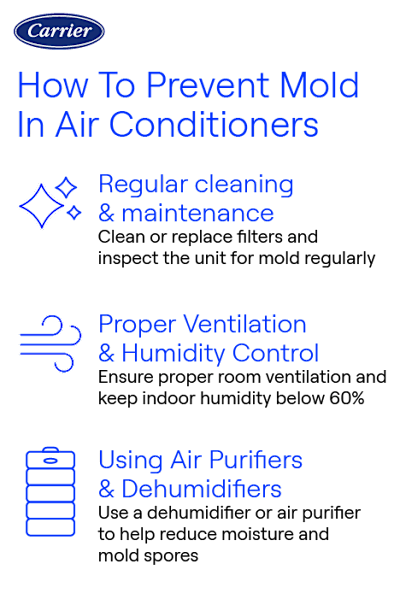
Credit: www.carrier.com
Signs Of Mold In Ac Ducts
Mold can grow inside air conditioner ducts. It happens when moisture builds up. Mold spores spread through the air, causing problems.
Knowing the signs of mold helps you act fast. This keeps your home safe and your AC working well.
Common Symptoms
You might notice a musty smell coming from vents. This smell does not go away after cleaning.
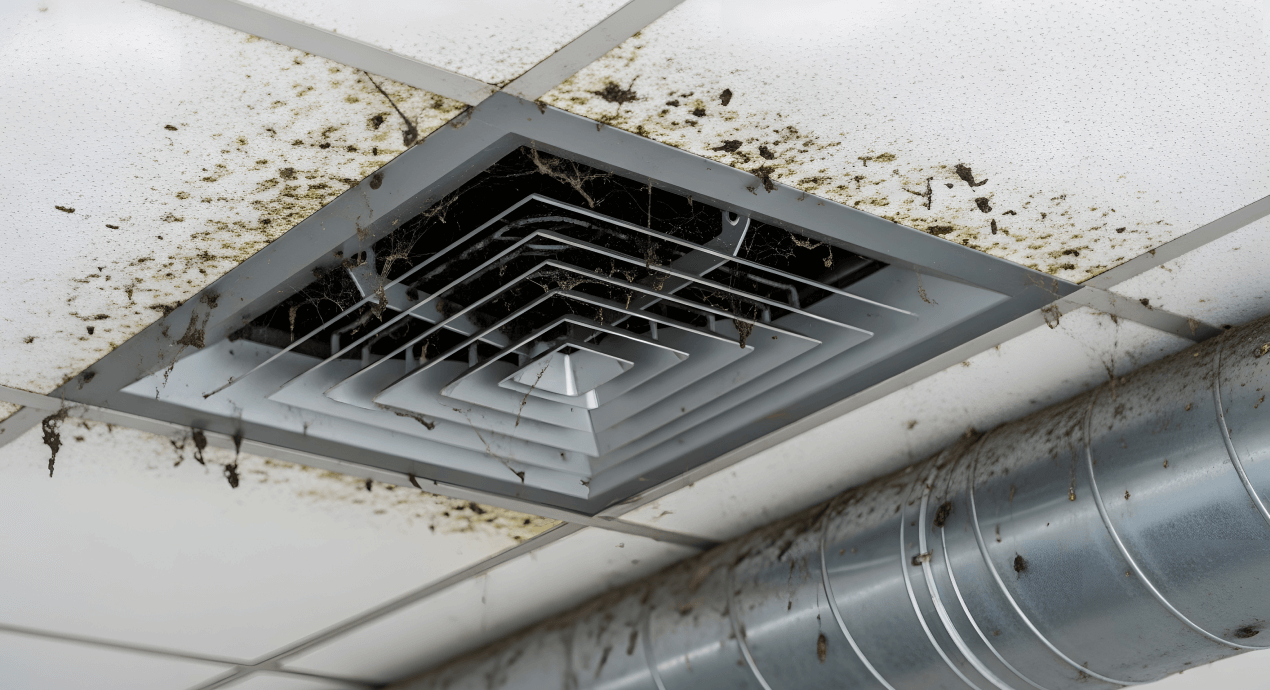
Check for visible mold near the vents or inside the duct openings. Sometimes, you see black, green, or white spots.
- Musty or damp odors from vents
- Visible mold spots near vents
- Increased dust inside the home
- Allergy-like symptoms when AC runs
Health Risks
Mold in AC ducts can cause health problems. Breathing mold spores affects your lungs and body.
People with asthma or allergies may have worse symptoms. Some may feel tired or get headaches.
- Allergic reactions like sneezing and itching
- Asthma attacks or breathing issues
- Headaches and fatigue
- Eye, nose, or throat irritation
Credit: www.libertyhomeguard.com
Tools And Materials Needed
Removing mold from air conditioner ducts requires the right tools and materials. Using proper supplies helps you clean safely and effectively.
Below are the main items you need before starting the cleaning process. Gather everything to work smoothly and avoid delays.
Cleaning Supplies
These cleaning supplies help remove mold and disinfect your ducts to prevent regrowth.
- Vacuum cleaner with a hose attachment
- Soft-bristle brush or scrub brush
- Spray bottle filled with a mixture of water and detergent
- Disinfectant solution (like diluted bleach or commercial mold cleaner)
- Microfiber cloths or rags
- Bucket for mixing cleaning solutions
- Foam sealant or duct tape for sealing leaks
Protective Gear
Wear protective gear to avoid health risks from mold spores and cleaning chemicals.
| Protective Item | Purpose |
| N95 Respirator Mask | Blocks inhalation of mold spores and dust |
| Gloves (rubber or latex) | Protects hands from mold and cleaning chemicals |
| Goggles or Safety Glasses | Prevents irritants from entering eyes |
| Long-sleeve Shirt and Pants | Keeps skin covered to reduce irritation risk |
Preparing The Area
Removing mold from air conditioner ducts requires careful preparation. A clean, safe workspace helps prevent mold spores from spreading.
Before starting, make sure you understand how to prepare the area properly. This will protect your health and home.
Turning Off The System
Turn off the air conditioner to stop airflow. This prevents mold spores from moving through the ducts during cleaning.
- Switch off the thermostat to stop the AC unit.
- Unplug the system from the power source for safety.
- Confirm that the system is completely off before proceeding.
Ensuring Proper Ventilation
Good airflow helps remove mold spores from the air. Ventilate the room well to reduce health risks.
| Ventilation Tip | Reason |
|---|---|
| Open windows and doors | Allows fresh air to enter and spores to exit |
| Use fans to circulate air | Speeds up ventilation and reduces mold particles |
| Wear a mask during cleaning | Protects lungs from inhaling spores |

Credit: www.cardinalplumbingva.com
Step-by-step Cleaning Process
Mold can grow inside air conditioner ducts and cause health issues. Cleaning the ducts removes mold and improves air quality.
Follow these simple steps carefully to clean mold from your air conditioner ducts safely and effectively.
Removing Vent Covers
Start by taking off the vent covers from the walls or ceiling. Use a screwdriver if they are screwed in place.
Place the vent covers on a protected surface to avoid damage while cleaning them separately.
Vacuuming Debris
Use a vacuum cleaner with a brush attachment to remove loose dust and debris from inside the ducts. Move slowly to reach deep areas.
Cleaning out loose particles helps the mold cleaner work better and stops mold spores from spreading.
Applying Mold Cleaner
Spray a mold cleaner or a mixture of water and vinegar inside the ducts. Cover all moldy surfaces well.
Let the cleaner sit for 10 to 15 minutes so it can kill the mold effectively.
Scrubbing And Wiping
Use a soft brush or cloth to scrub the moldy areas inside the ducts gently. Avoid damaging the duct material.
- Scrub vent covers separately
- Wipe off loosened mold and cleaner with a damp cloth
- Repeat if mold remains
This step helps remove mold and dirt stuck to the duct surfaces.
Drying The Ducts
Use a clean cloth or allow the ducts to air dry completely. Moisture can cause mold to grow again.
Put the vent covers back only after everything is dry to keep your ducts mold-free longer.
Preventing Future Mold Growth
Mold in air conditioner ducts can cause health problems. It also damages your system. Preventing mold growth keeps the air clean and your AC working well.
Regular care and controlling moisture stop mold from coming back. Follow simple steps to keep your ducts mold-free and safe.
Regular Maintenance Tips
Check your air conditioner ducts often for dust and mold signs. Clean or replace filters every 1 to 3 months. Clean ducts if you see dirt or mold spots.
- Change air filters regularly to stop dust build-up
- Schedule professional duct cleaning every 1-2 years
- Inspect ducts for leaks or damage and fix them quickly
- Keep vents and ducts dry and free of debris
- Clean drip pans and drain lines to avoid water build-up
Controlling Moisture Levels
Mold grows where there is moisture. Keep your AC ducts dry to stop mold. Use these tips to control humidity and water inside your system.
| Method | Description |
| Use a Dehumidifier | Reduces indoor humidity below 50% |
| Fix Leaks | Repair pipe or duct leaks promptly |
| Improve Ventilation | Allow air to flow and dry damp areas |
| Insulate Ducts | Prevents condensation on cold surfaces |
| Clean Drain Lines | Removes blockages that cause water backup |
When To Call A Professional
Mold in air conditioner ducts can cause health problems. Small spots can sometimes be cleaned safely at home. Big mold growth needs expert attention.
Knowing when to get professional help keeps your home safe. It also protects your air system from damage.
Signs Mold Is Extensive
Large mold patches inside ducts show the problem is big. You may see black, green, or white mold in vents or on duct surfaces.
Strong musty smells coming from vents often mean mold is deep inside. If family members have allergies or breathing issues, mold could be serious.
- Visible mold patches larger than a few square inches
- Persistent musty or damp odors from air vents
- Health symptoms like coughing or sneezing linked to air use
- Water damage or leaks near ductwork
Benefits Of Expert Help
Professional cleaners have the right tools to remove mold safely. They can reach deep inside ducts where mold hides.
Experts also check if ducts need repairs or replacement. This stops mold from coming back after cleaning.
- Use of powerful vacuum and biocide treatments
- Proper protective gear to avoid mold exposure
- Complete cleaning of hard-to-reach duct areas
- Inspection for duct damage or leaks
- Advice on preventing future mold growth
Frequently Asked Questions
What Causes Mold In Ac Ducts?
Mold in AC ducts is caused by moisture buildup. This can occur due to poor insulation or condensation. Regular maintenance and ensuring proper ventilation can help prevent mold growth. Keeping humidity levels in check is also crucial. Fix any water leaks immediately to avoid mold proliferation.
How Can I Identify Mold In Ducts?
You can identify mold by a musty odor from vents. Also, check for visible mold spots inside ducts. Allergic reactions like sneezing or coughing can be indicators. Mold often causes respiratory discomfort. Consider professional inspection if unsure about mold presence.
Is It Safe To Clean Mold Yourself?
Cleaning small mold patches can be safe with precautions. Wear protective gear like masks and gloves. Use mold-specific cleaning agents for effectiveness. However, large infestations require professional handling. Improper cleaning can spread mold spores further. Always prioritize safety when dealing with mold.
What Are The Health Risks Of Mold?
Mold can cause respiratory issues and allergic reactions. Symptoms include coughing, sneezing, and skin irritation. It can exacerbate asthma conditions. Prolonged exposure may lead to more severe health problems. It’s crucial to address mold issues promptly to ensure a healthy indoor environment.
Conclusion
Cleaning mold from air conditioner ducts keeps your home safe and fresh. Mold can cause health problems and damage your AC system. Regular checks stop mold before it spreads. Use proper cleaning tools and wear protective gear. Call a professional if mold grows back quickly or covers large areas.
Clean ducts improve air quality and help your AC work better. Take small steps now to avoid bigger problems later. Stay healthy with clean, mold-free air conditioner ducts.