Mold in your air conditioner ducts is more than just an annoying problem—it can harm your health and lower your home’s air quality. If you’ve noticed a musty smell or allergy symptoms worsening indoors, your ducts might be the hidden culprit.
But don’t worry—removing mold from your AC ducts is something you can handle. You’ll discover simple, effective steps to clean your ducts safely and keep your air fresh and healthy. Ready to breathe easier? Let’s get started.
Signs Of Mold In Ac Ducts
Musty or damp smellsnear vents often signal mold. Allergies or asthma may worsen indoors. Frequent sneezing, coughing, or watery eyes can be linked to mold spores. Mold can cause headaches or skin irritation too.
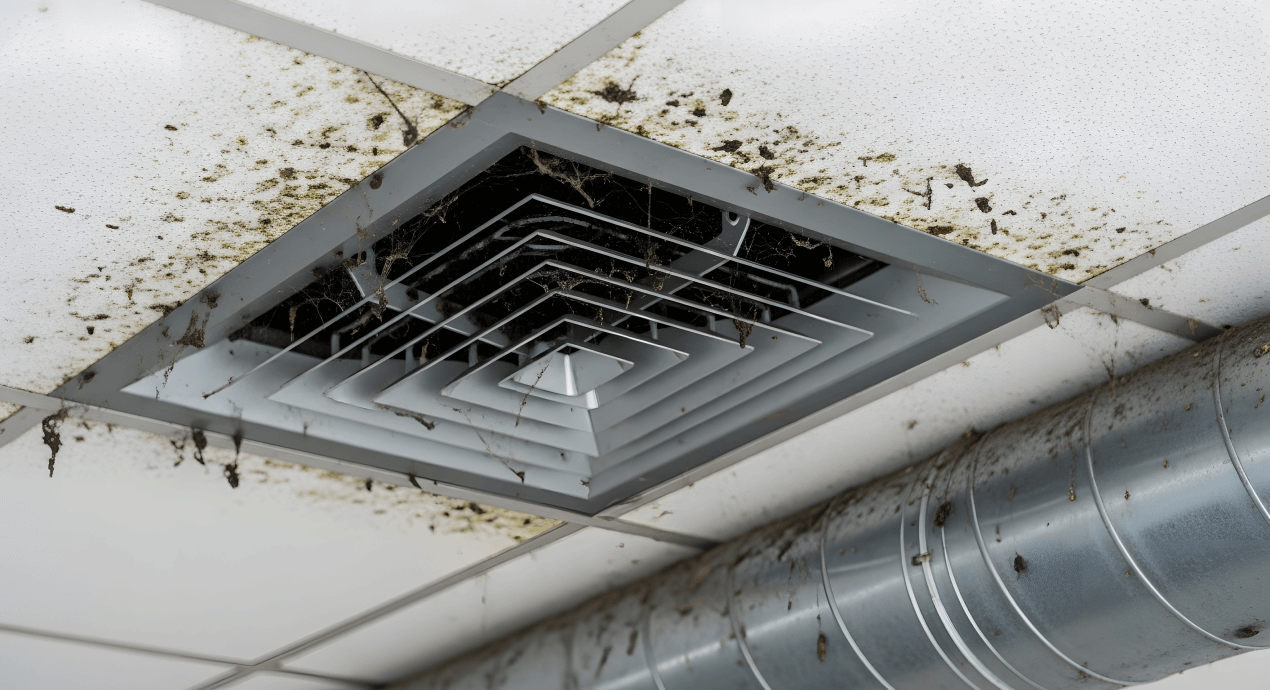
Look for dark spots or discolorationinside ducts or around vents. Peeling paint or water stains on walls near ducts might appear. Condensation or moisture buildup inside ducts is a key sign. Dust may gather faster around vents with mold.
| Common Mold Indicators | Health Symptoms Linked to Mold | Visual Inspection Tips |
|---|---|---|
| Musty or damp smell | Allergy-like symptoms | Check for dark spots inside ducts |
| Water stains near vents | Headaches and skin irritation | Look for peeling paint near ducts |
| Condensation inside ducts | Worsening asthma | Notice excess dust near vents |

Credit: www.cardinalplumbingva.com
Causes Of Mold Growth
Moisture and humiditycreate the perfect environment for mold growth inside air conditioner ducts. Water droplets or leaks provide the dampness mold needs to thrive. High humidity levels inside buildings also increase moisture, making ducts prone to mold buildup.
Poor ventilation traps stale, moist air inside the ducts. This lack of airflow stops moisture from drying out. Stagnant air creates dark, damp spots where mold spores can easily grow and spread.
The material and age of ductsaffect mold growth too. Older ducts may have cracks or rust that hold moisture. Some materials absorb water more than others, providing a better place for mold to settle and multiply.
Safety Precautions
Wearing protective gearis important to avoid mold exposure. Use gloves, goggles, and a mask to protect skin, eyes, and lungs. A respirator maskis best for blocking mold spores.
Keep the area well ventilatedby opening windows and doors. Use fans to help air flow and push mold spores outside. This lowers the chance of spores spreading inside.
Handle mold spores with care to stop them from spreading. Use a vacuum with a HEPA filterto clean dust and mold. Avoid dry brushing or shaking moldy parts, as this can release spores into the air.
Credit: www.carrier.com
Cleaning Tools And Supplies
Essential cleaning products for mold removal include vinegar, baking soda, and commercial mold cleaners. Vinegar kills many mold types and is safe to use. Baking soda helps scrub and deodorize ducts. Commercial products often contain stronger chemicals for tough mold but require careful handling.
Recommended equipment includes gloves, masks, scrub brushes, and vacuum cleaners with HEPA filters. Gloves protect your skin from mold spores. Masks stop breathing in mold particles. Brushes help scrub mold off surfaces. HEPA vacuum cleaners trap mold spores when cleaning ducts.
| DIY Products | Professional Products |
|---|---|
| Vinegar | EPA-registered mold removers |
| Baking soda | Antimicrobial sprays |
| Soap and water | Specialized duct cleaning solutions |
Step-by-step Mold Removal
Begin by turning off the air conditioner and unplugging it for safety. Clean visible mold using a brush and a mixture of water and mild detergent. Finally, disinfect the ducts with a mold-killing solution and allow them to dry completely.
Shutting Down The System
Turn off the air conditioner to stop airflow. This prevents mold spores from spreading. Make sure the power is completely off. Safety first.
Accessing The Ducts
Open the duct covers carefully. Use a flashlight to see inside. Check for visible mold patches. Wear gloves and a mask for protection.
Cleaning Process
- Use a vacuum with a HEPA filter to remove loose mold.
- Scrub the ducts with a mixture of water and mild detergent.
- Apply a mold-killing solution on affected areas.
- Wipe surfaces with clean cloths to remove residue.
Drying And Dehumidifying
Let the ducts dry completely. Use fans or a dehumidifier to speed up drying. Moisture removal stops mold from growing back.
Preventing Future Mold
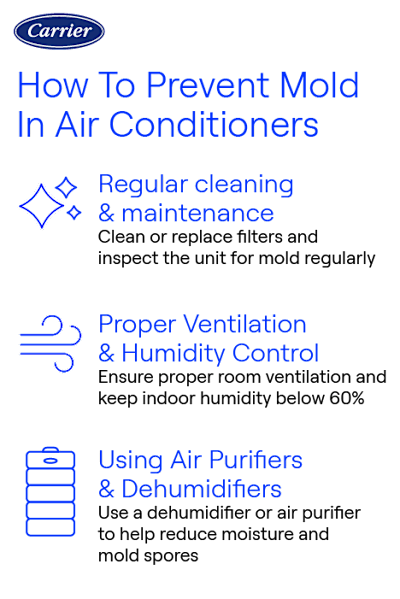
Regular cleaning and inspection of air conditioner ducts help stop mold growth. Change or clean filters every 1-3 months. Check ducts for leaks or moisture buildup. Keep ducts dry and free from dust to avoid mold.
Controlling indoor humidity is key. Use a dehumidifier if air feels damp. Keep humidity levels below 60% to prevent mold spores. Good ventilation in rooms stops moisture from building up.
| Upgrade Option | Benefits |
|---|---|
| Seal ducts properly | Stops moisture and dust from entering ducts |
| Use insulated ducts | Prevents condensation inside ducts |
| Install UV lights | Kills mold spores before they spread |
When To Call A Professional
Severe mold infestationsneed expert help. Large mold patches can spread spores fast. Professionals use special tools and cleaners. They can reach hidden places in ducts safely. Trying to clean big mold spots alone can make things worse.
Health risksare serious. Mold can cause allergies, breathing problems, and skin irritation. People with asthma or weak immune systems face greater danger. Experts know how to remove mold without harming your health.
| Cost Factor | DIY Effectiveness |
|---|---|
| Low upfront expense | Works for small mold spots only |
| Higher cost for professionals | More thorough and lasting cleaning |
| Repairs may add to cost | Prevents mold regrowth and damage |
For large mold issues, experts save time and avoid risks. Small spots might be cleaned with care. Safety always comes first.
Credit: www.libertyhomeguard.com
Frequently Asked Questions
What Causes Mold In Air Conditioner Ducts?
Mold in air conditioner ducts is typically caused by excess moisture. This can result from poor ventilation, high humidity, or leaks. When moisture accumulates, it creates an ideal environment for mold spores to grow. Regular maintenance and ensuring proper airflow can help prevent mold growth in your ducts.
How Do I Identify Mold In Ducts?
Identifying mold in ducts involves looking for musty odors and visible growths. You might notice black, green, or white patches near vents. If you experience unexplained allergies or respiratory issues, mold could be the cause. Professional inspections can confirm the presence of mold.
Can I Clean Mold From Ducts Myself?
Yes, you can clean mold from ducts yourself with proper precautions. Wear protective gear like gloves and a mask. Use a mixture of water and detergent to scrub affected areas. However, for extensive mold growth, hiring a professional is recommended to ensure thorough cleaning and safety.
What Are The Health Risks Of Mold In Ducts?
Mold in ducts can cause respiratory issues, allergies, and other health problems. It can trigger asthma attacks and irritate the eyes, nose, and throat. Prolonged exposure may lead to more severe health issues. It’s crucial to address mold problems promptly to maintain indoor air quality.
Conclusion
Cleaning mold from air conditioner ducts keeps your home healthy. Mold can cause bad smells and breathing problems. Regular checks help catch mold early. Use safe cleaning products and wear gloves for protection. Good airflow and moisture control stop mold from growing back.
Clean ducts improve air quality and system efficiency. Taking these steps saves money on repairs and health costs. Stay alert to mold signs and act quickly. Your clean air ducts make your home safer and more comfortable. Simple care goes a long way.