Imagine you’re out in the great outdoors, ready to enjoy a peaceful night under the stars, only to discover an unwelcome guest—mold—invading your cozy tent. Mold isn’t just a nuisance; it can ruin your tent and even pose health risks.
But before you let panic set in, know that you’re not alone, and you can tackle this problem with ease. This guide will show you exactly how to remove mold from your tent, ensuring it’s fresh, clean, and ready for your next adventure.
Stick with us, and you’ll learn practical tips and tricks that will save your gear and keep you breathing easy.

Credit: www.reddit.com
Identify Mold On Tent
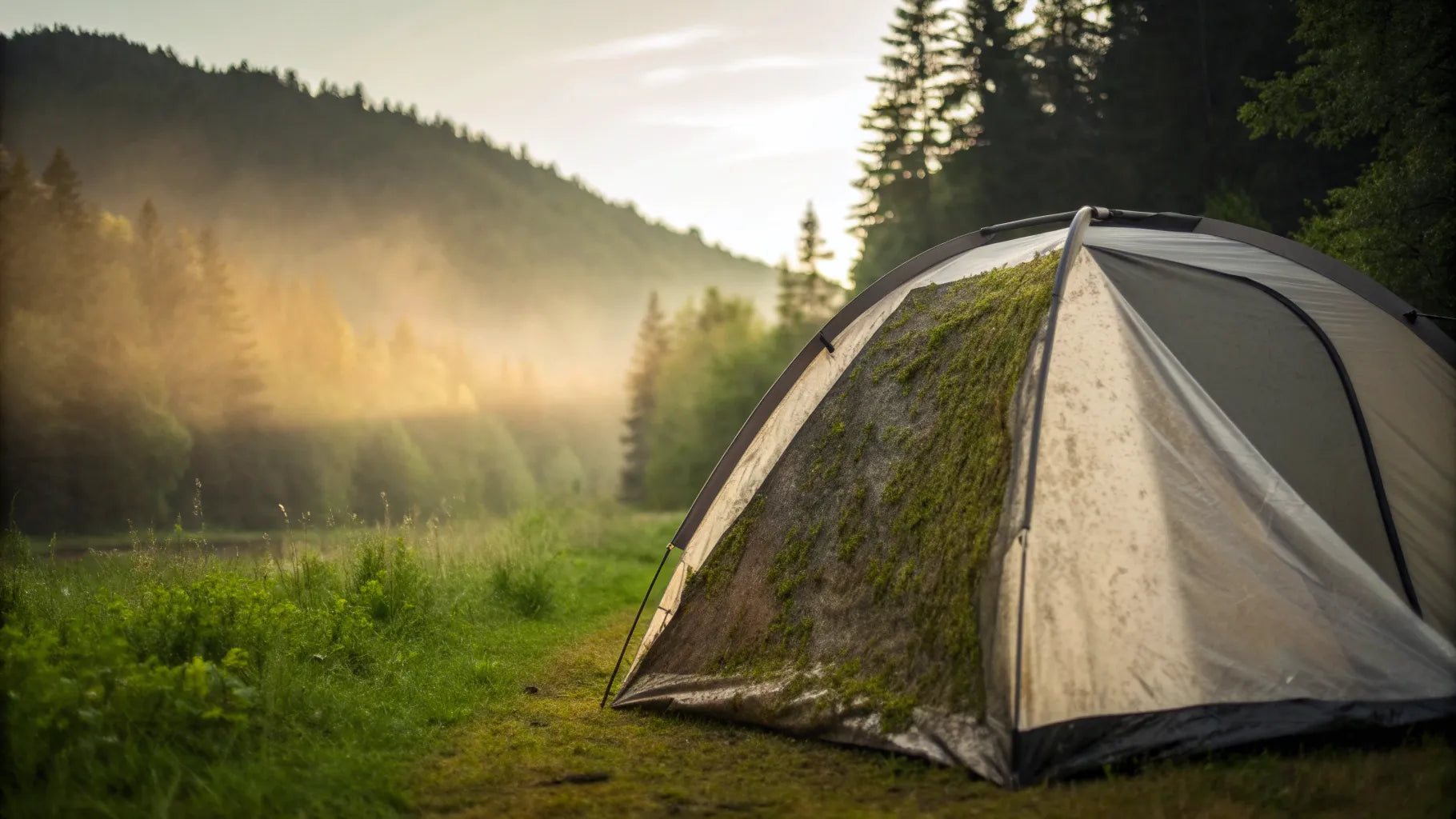
Mold can grow on your tent if it stays damp for a long time. It looks like spots or patches in different colors. Knowing how to find mold early helps keep your tent safe and clean.
Check your tent carefully after camping trips. Mold likes dark, wet places. Removing mold quickly stops damage and bad smells.
Common Mold Spots
Mold often appears in hidden or less noticed areas of your tent. These spots stay damp and warm, which mold prefers. Look closely in these places:
- Inside seams and stitching
- Underneath the tent floor
- Near zippers and flaps
- Inside tent pockets and storage areas
- Along the tent roof and corners
Health Risks Of Mold
Mold can cause health problems, especially for people with allergies or breathing issues. It spreads spores that enter the air and lungs. Knowing the risks helps you protect yourself and your family.
| Health Issue | Symptoms |
| Allergic Reactions | Sneezing, runny nose, itchy eyes |
| Asthma Attacks | Shortness of breath, wheezing |
| Skin Irritation | Rashes, redness, itching |
| Respiratory Problems | Coughing, throat irritation |
Credit: www.gearaid.com
Prepare Cleaning Supplies
Removing mold from a tent needs the right cleaning supplies. Preparing these items helps you clean safely and well.
Gather your supplies before you start. This saves time and makes the process easier.
Safe Cleaning Solutions
Choose cleaning solutions that kill mold but do not harm the tent fabric. Avoid harsh chemicals that can damage material.
Common safe cleaning solutions include mild soap mixed with water and vinegar diluted with water. These can clean mold without strong odors or toxins.
- Mild dish soap and warm water
- White vinegar diluted with equal parts water
- Baking soda paste made with water
- Commercial mold cleaner safe for fabrics
Necessary Tools
Use tools that help scrub the mold gently. Hard brushes can tear the tent fabric.
Soft brushes, sponges, and clean cloths work well. Gloves protect your hands from mold and cleaning solutions.
- Soft-bristle brush or sponge
- Clean cloths or towels
- Spray bottle for cleaning solutions
- Rubber or latex gloves
- Bucket for mixing solutions
Clean Tent Surface
Mold can damage your tent fabric and cause unpleasant smells. Cleaning the tent surface stops mold growth early. You can use simple methods to keep your tent mold-free.
Focus on cleaning the tent surface carefully. Use the right tools and cleaners to protect the tent material.
Spot Cleaning Techniques
Spot cleaning removes small mold patches without soaking the entire tent. It is fast and saves water. Use mild cleaners and soft brushes to avoid damage.
- Mix water with a few drops of mild soap or tent cleaner.
- Dab the mold spot with a sponge or soft cloth.
- Gently scrub the mold area in circles.
- Rinse the spot with clean water using a spray bottle.
- Let the tent dry completely in sunlight.
Washing The Entire Tent
Washing the whole tent is needed for heavy mold or dirt. Use a large basin or bathtub for soaking. Avoid harsh chemicals that harm fabric and coatings.
| Item | Instructions |
| Water temperature | Use lukewarm water, not hot |
| Cleaning agent | Mild soap or specialized tent cleaner |
| Tools | Soft brush or sponge |
| Drying | Air dry under shade or indirect sunlight |
| Do not | Use bleach, washing machines, or dryers |
Dry Tent Properly
Drying your tent properly stops mold from growing inside it. A wet tent gives mold a perfect place to spread. You need to air dry your tent carefully after every use.
Taking time to dry your tent well helps keep it fresh and safe for your next trip. Let’s look at some tips to dry your tent and avoid mold regrowth.
Effective Air Drying Tips
Set up your tent in a shaded, breezy area to dry. Avoid direct sunlight because it can damage the fabric. Open all doors and windows to let air flow inside.
- Hang the tent on a clothesline or over a railing.
- Turn the tent inside out if the inside is wet.
- Use a fan to speed up drying if indoors.
- Remove any wet gear or mats from the tent.
- Check seams and corners for hidden moisture.
Avoiding Mold Regrowth
Keep your tent mold-free by storing it dry and clean. Never pack your tent while it is damp. Use breathable bags to store the tent to stop moisture build-up.
| Storage Tip | Reason |
| Store in a dry, cool place | Prevents moisture and mold growth |
| Use a mesh storage bag | Allows air circulation |
| Check tent monthly | Detects mold early |
| Clean tent before storage | Removes dirt that feeds mold |
Prevent Future Mold
Mold grows in damp and dark places. To keep your tent mold-free, you must store and care for it properly.
Good habits help stop mold before it starts. Learn how to store and maintain your tent well.
Proper Storage Methods
Store your tent in a dry, cool place. Avoid folding it while damp or wet. Use breathable storage bags instead of plastic ones.
- Clean and dry your tent completely before packing.
- Use a cotton or mesh storage bag to allow air flow.
- Store your tent away from direct sunlight and heat.
- Keep the storage area well ventilated to prevent moisture buildup.
Regular Maintenance
Check your tent often for signs of mold or mildew. Clean it as needed to stop mold from growing.
| Maintenance Task | Frequency | Purpose |
| Air out tent after each use | Every use | Remove moisture and prevent mold growth |
| Inspect tent fabric and seams | Monthly | Find early mold or damage |
| Clean tent with mild soap and water | After muddy or wet trips | Remove dirt and mold spores |
| Dry tent fully before storage | Every time | Stop mold from developing |
Credit: www.battlbox.com
Frequently Asked Questions
How Do I Clean Mold From My Camping Tent?
To clean mold from a tent, use a mixture of water and mild detergent. Gently scrub affected areas with a soft brush. Rinse thoroughly and dry completely in sunlight to prevent mold regrowth.
What Household Items Remove Tent Mold Effectively?
White vinegar and baking soda are effective household items to remove tent mold. Vinegar kills mold spores, while baking soda helps eliminate odors and moisture. Use a diluted solution, scrub gently, rinse, and dry the tent well.
Can Mold Damage My Tent Fabric Permanently?
Yes, mold can weaken and discolor tent fabric permanently if untreated. Mold eats away at fabric fibers, reducing the tent’s durability. Prompt cleaning and proper storage prevent long-term damage.
Is It Safe To Use Bleach On Tent Mold?
Bleach can remove mold but may damage tent fabric and waterproof coatings. Use it sparingly and dilute properly. Opt for milder solutions like vinegar to protect your tent’s material.
Conclusion
Removing mold from your tent keeps it safe and long-lasting. Clean the tent gently with simple solutions and dry it well. Store your tent in a dry place to stop mold from growing again. Regular checks help catch mold early before it spreads.
Taking care of your tent means more fun camping trips ahead. Stay safe, keep your gear clean, and enjoy nature without worry.