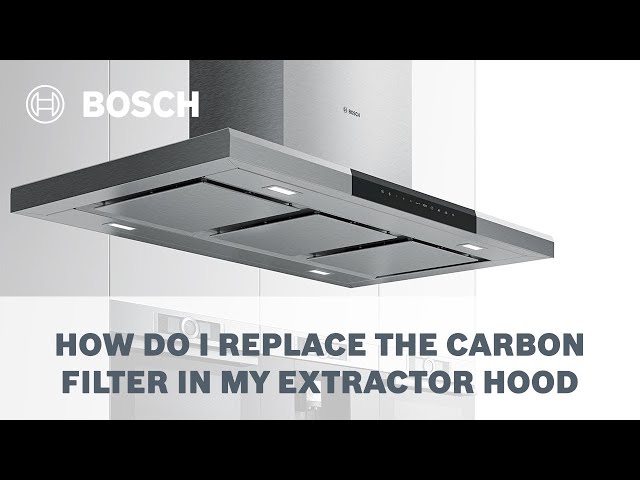
If you’ve ever noticed your kitchen smelling smoky or greasy after cooking, your range hood filter might be the culprit. Cleaning or replacing this filter is key to keeping your kitchen fresh and your range hood working efficiently.
But how exactly do you remove it without any hassle or damage? You’ll discover simple, step-by-step instructions that make the process quick and stress-free. By the end, you’ll feel confident tackling your range hood filter like a pro—ready to breathe easier and cook smarter.
Keep reading to find out how!
Credit: xoappliance.com
Types Of Range Hood Filters
Range hood filters play a crucial role in keeping your kitchen air clean. They capture grease, smoke, and odors, ensuring a fresh cooking environment. Different types of filters serve varying needs. Understanding these can help maintain a healthy and efficient kitchen. Here are the primary types of range hood filters:
Metal Mesh Filters
Metal mesh filters are common in many kitchens. They consist of multiple layers of aluminum or stainless steel mesh. These layers trap grease particles effectively. Cleaning them is simple. Use warm soapy water or a dishwasher. Regular cleaning ensures better performance and longevity.
Charcoal Filters
Charcoal filters are often used in ductless range hoods. They contain activated charcoal. This material absorbs smoke and odors efficiently. Unlike metal filters, charcoal ones cannot be washed. Replace them every few months for optimal air quality. Check your manufacturer’s guidelines for specific replacement intervals.
Baffle Filters
Baffle filters are durable and efficient. They feature a series of overlapping panels. These panels capture grease as air passes through. Made of stainless steel, they are long-lasting. Cleaning involves soaking in hot, soapy water. Rinse and dry them thoroughly before reinstallation. Proper maintenance keeps them working effectively.
Tools Needed For Removal
Removing a range hood filter requires a few simple tools. Having the right tools makes the process quick and safe. Prepare everything before starting the removal.
Basic Tools
- Screwdriver (usually Phillips or flat-head)
- Dish soap or degreaser for cleaning
- Soft cloth or sponge
- Bucket or basin for soaking the filter
Safety Equipment
- Protective gloves to avoid cuts and grease
- Safety glasses to protect eyes from debris
- Step stool or ladder for reaching high hoods
Step-by-step Removal Process
Removing your range hood filter might seem tricky at first, but breaking it down into simple steps makes the task manageable and quick. Understanding exactly where and how to handle the filter is key to avoiding damage and ensuring it’s ready for a thorough cleaning or replacement. Let’s walk through the process so you can confidently maintain your kitchen’s ventilation system.
Turn Off The Range Hood
Before you touch anything, make sure the range hood is completely turned off. This prevents any accidental activation or electrical issues while you work. You can either switch it off using the control panel or unplug it from the power source for extra safety.
Locate The Filter
The filter is usually found directly underneath the range hood, covering the vent area. Depending on your model, it might be a metal mesh, charcoal, or baffle filter. Take a moment to identify the type of filter you have—this will guide you on how it’s secured and how to handle it without damage.
Release The Filter Clips Or Screws
Most filters are held in place by clips or screws. Look closely for small metal tabs or screws along the edges of the filter frame. If clips are present, press or slide them gently to unlock the filter. For screws, use a suitable screwdriver and turn them counterclockwise until the filter is free.
Carefully Remove The Filter
Once the clips or screws are released, carefully pull the filter out. It might be greasy or heavy, so use both hands to support it properly. Avoid sudden jerks or twisting motions that could bend or break the filter frame.
Have you noticed how much grease can build up over time? Removing the filter regularly keeps your kitchen air fresh and your range hood working efficiently.

Credit: www.espares.co.uk
Cleaning The Filter
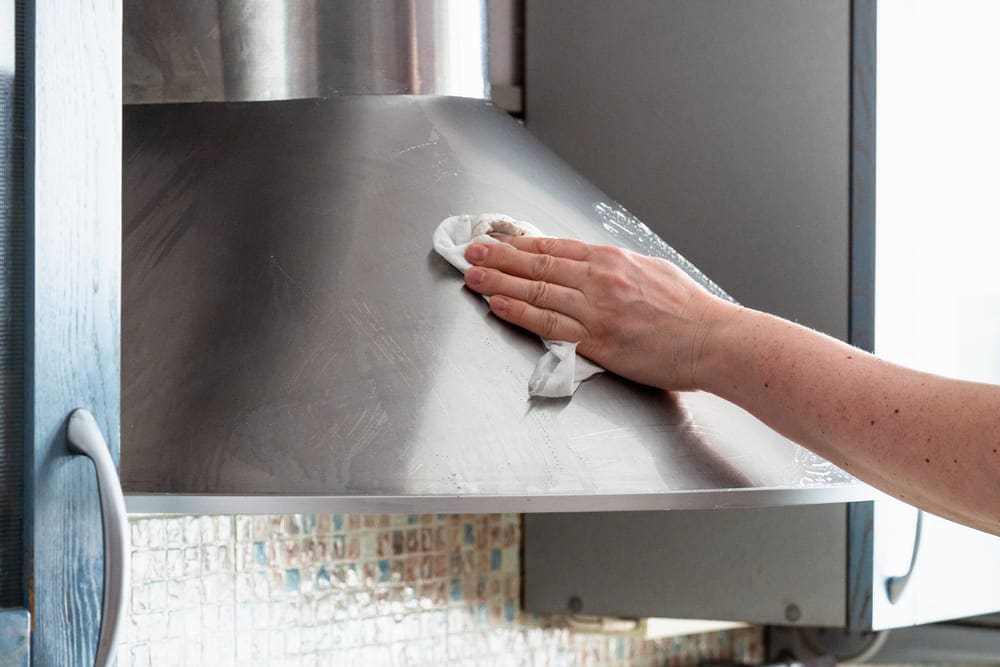
Cleaning the range hood filter keeps your kitchen air fresh. It removes grease and dust that build up over time. Regular cleaning helps the range hood work better and last longer. Use simple tools and easy steps to clean the filter thoroughly.
Soaking And Washing
Start by soaking the filter in hot water. Add a few drops of dish soap or degreaser. Let it soak for 10 to 15 minutes to loosen grease. After soaking, scrub gently with a soft brush or sponge. Focus on areas with heavy grease. Rinse the filter with warm water until clean.
Using Dishwasher
Check if the filter is dishwasher safe. Place the filter on the top rack of the dishwasher. Use a normal wash cycle with a strong detergent. Avoid mixing with heavily soiled items. After the cycle ends, remove the filter carefully.
Drying And Reinstalling
Shake off excess water from the filter. Let it air dry completely to prevent rust or mold. Avoid using a cloth to dry as it may leave fibers. Once dry, place the filter back into the range hood. Ensure it fits securely to work properly.
Replacing The Filter
Replacing the range hood filter keeps your kitchen air clean and fresh. A clean filter traps grease, smoke, and odors effectively. Over time, filters lose their ability to trap contaminants. Regular replacement ensures your range hood works well and lasts longer.
When To Replace
Check your filter every 3 to 6 months. Some filters need replacement more often, depending on cooking frequency. Signs to replace include:
- Visible grease buildup
- Unpleasant odors not clearing
- Reduced airflow from the hood
Replace filters immediately if they are damaged or torn.
Choosing The Right Filter
Select a filter that fits your range hood model exactly. Common types include:
- Aluminum mesh filters
- Charcoal filters
- Stainless steel filters
Check the user manual or manufacturer’s website for filter specifications. Using the correct filter type ensures better performance and safety.
Maintenance Tips
Proper maintenance keeps your range hood filter working well. Clean filters improve air quality and extend the filter’s life. Simple steps can prevent grease buildup and odors. Regular care saves money and keeps your kitchen fresh.
Regular Cleaning Schedule
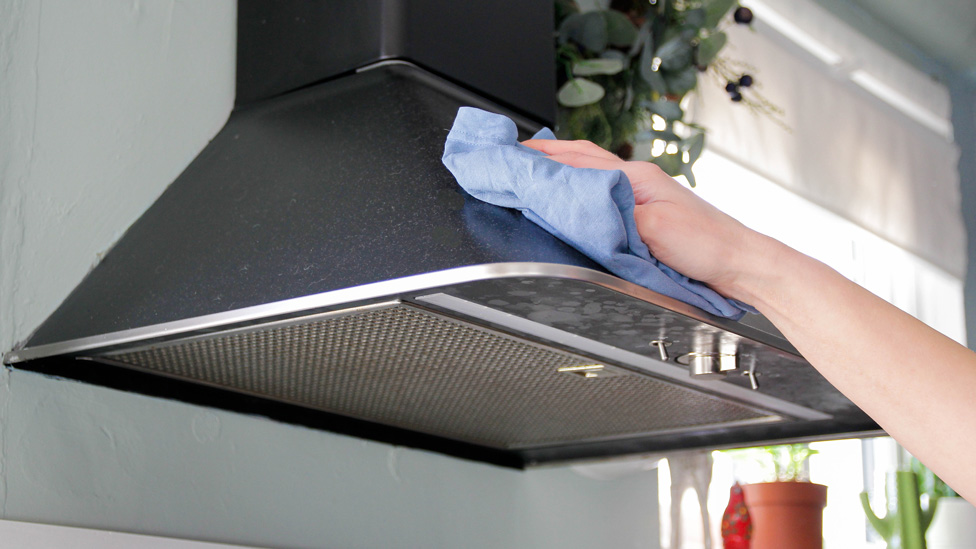
Clean your filter every one to three months. More frequent cleaning is best if you cook often. Set reminders to avoid forgetting this task. Use warm, soapy water or a degreaser for cleaning. Let the filter dry completely before reinstalling it. Consistent cleaning prevents tough grease and grime buildup.
Signs Of A Dirty Filter
Watch for slow airflow or smoke while cooking. Grease buildup on the filter looks dull and sticky. A bad smell can come from trapped food particles. Noise from the fan may increase with a clogged filter. Check the filter regularly to spot these signs early. Replace it if cleaning no longer helps.
Credit: www.coles.com.au
Frequently Asked Questions
How Often Should I Clean My Range Hood Filter?
Clean your range hood filter every 1 to 3 months. Frequent cleaning prevents grease buildup and improves air quality. For heavy cooking, clean more often. Regular maintenance ensures efficient ventilation and extends the filter’s lifespan.
What’s The Best Method To Remove Range Hood Filters?
Turn off the power first. Locate the filter latch or tabs under the hood. Gently press or pull the tabs to release the filter. Slide it out carefully to avoid damage. Refer to your hood’s manual for specific instructions.
Can I Wash My Range Hood Filter With Soap And Water?
Yes, use warm water and mild dish soap. Soak the filter for 10-15 minutes to loosen grease. Gently scrub with a soft brush, then rinse thoroughly. Dry completely before reinstalling to prevent rust or mold growth.
Are Dishwasher-safe Filters Effective For Cleaning?
Many metal mesh filters are dishwasher-safe. Place them on the top rack for a gentle cycle. Avoid harsh detergents or high heat settings. Dishwasher cleaning saves time but inspect filters afterward to ensure grease is fully removed.
Conclusion
Cleaning your range hood filter keeps your kitchen fresh and safe. Regular removal and washing stop grease build-up and smoke. Follow the steps carefully to avoid damage. Clean filters help your hood work better and last longer. Make this task part of your kitchen routine.
It saves money and improves air quality. Simple actions make a big difference in your home. Keep your cooking space clean and healthy with ease.