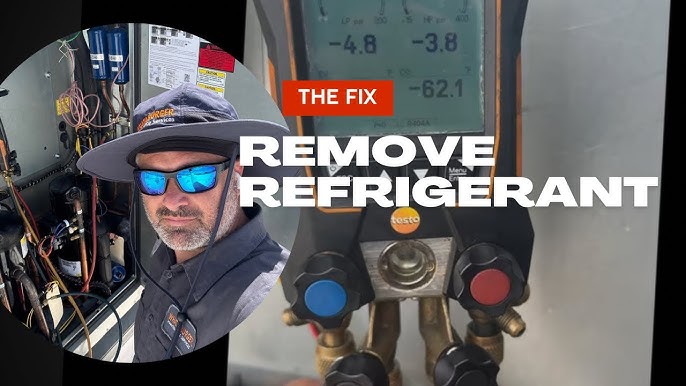
If you’ve ever faced a problem with your air conditioner, you know how tricky it can be to fix. One of the most important and delicate steps is removing refrigerant safely.
But why does it matter? Because handling refrigerant the wrong way can damage your AC, harm the environment, and even put your safety at risk. You’ll discover clear, simple steps on how to remove refrigerant from your air conditioner the right way.
Whether you’re a homeowner or just curious, this guide will give you the confidence to tackle the job carefully and effectively. Keep reading to learn everything you need to know before you start.

Credit: www.amazon.com
Safety Precautions
Removing refrigerant from an air conditioner can be dangerous. It needs care and the right safety steps.
Following safety precautions helps protect you and the environment during this process.
Protective Gear Needed
Wear protective gear before handling refrigerants. This gear prevents injury and exposure to harmful chemicals.
- Safety goggles protect your eyes from splashes and fumes.
- Gloves prevent skin contact with refrigerant.
- Long sleeves and pants reduce skin exposure.
- A mask helps avoid breathing dangerous gases.
Work Area Preparation
Prepare the work area to keep it safe and clean. Good preparation lowers the risk of accidents.
- Ensure proper ventilation to avoid gas buildup.
- Clear the area of flammable materials.
- Keep a fire extinguisher nearby in case of emergencies.
- Have spill cleanup materials ready.
Legal Considerations
Removing refrigerant may require following laws and rules. Know the legal steps before you start.
- Only certified technicians should remove refrigerants.
- Refrigerants must be recovered and not released into the air.
- Dispose of refrigerants according to local laws.
- Keep records of refrigerant handling for inspections.

Credit: www.youtube.com
Tools And Equipment
Removing refrigerant from an air conditioner needs special tools and equipment. These tools help do the job safely and correctly.
Using the right tools prevents damage to the system and avoids releasing harmful gases into the air.
Essential Tools List
Here is a list of key tools needed to remove refrigerant from an air conditioner safely and efficiently.
- Refrigerant recovery machine
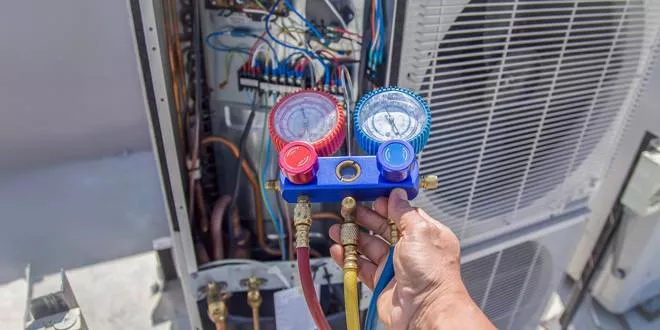
- Manifold gauge set
- Refrigerant recovery tank
- Vacuum pump
- Hoses with quick-connect fittings
- Leak detector
- Safety goggles and gloves
- Thermometer
- Service wrench
Each tool plays an important role. The recovery machine pulls out the refrigerant. Gauges monitor pressure levels. Hoses connect the system. Safety gear protects you.
Choosing The Right Refrigerant Recovery Machine
Pick a recovery machine that fits the type of refrigerant in your air conditioner. Machines vary by capacity and features.
Check the machine’s recovery speed and compatibility with different refrigerants. A good machine makes the process faster and safer.
- Match the machine with your refrigerant type (R-22, R-410A, etc.)
- Look for automatic shut-off functions
- Choose a machine with easy-to-read gauges
- Consider portability and size
- Check if the machine has oil recovery options
Using the right recovery machine prevents leaks and protects the environment. Always read the machine’s manual before use.
Preparing The Air Conditioner
Before removing refrigerant, you must prepare the air conditioner safely. This process helps avoid damage and hazards.
Preparation involves turning off power and accessing the refrigerant lines properly. Follow each step carefully.
Power Off And Disconnect
First, turn off the air conditioner at the main power source. This prevents electrical accidents during the process.
- Locate the circuit breaker for the air conditioner.
- Switch off the breaker to cut all power supply.
- Unplug the unit if it has a plug connection.
- Verify the unit is completely off by trying to turn it on.
Accessing The Refrigerant Lines
Next, find the refrigerant lines where the gas flows. These lines are usually copper tubes connected to the compressor.
- Remove any protective covers on the refrigerant lines.
- Identify the service valves on the lines.
- Check for visible damage or corrosion before proceeding.
Recovering The Refrigerant
Removing refrigerant from an air conditioner is important for safety and environmental reasons. Proper recovery helps prevent harmful gas release into the air.
This guide explains how to recover refrigerant using the right tools and steps.
Connecting Recovery Machine
First, turn off the air conditioner and close all valves. Make sure the system is safe to work on before starting.
Connect the recovery machine to the service ports using hoses. Ensure all connections are tight to avoid leaks.
- Attach low-pressure hose to the low side port
- Attach high-pressure hose to the high side port
- Connect hoses securely to the recovery machine
- Check for any loose fittings or damage
Operating The Recovery Process
Turn on the recovery machine and follow the manufacturer’s instructions. The machine will start pulling refrigerant from the system.
Keep the recovery machine running until it stops removing refrigerant. This means the system is empty.
- Start the recovery machine after connections are secure
- Monitor the machine for proper operation
- Do not leave the machine unattended during recovery
- Turn off the machine once recovery completes
Monitoring Refrigerant Levels
Watch the pressure gauges on the recovery machine. These show how much refrigerant is left in the system.
Stop recovery when the pressure reaches the lowest safe level. This ensures all refrigerant is removed without damage.
- Check pressure gauges regularly during recovery
- Know the target pressure for your system
- Stop recovery if pressure is too low or stable
- Record refrigerant amount recovered for reference
Handling And Storing Refrigerant
Removing refrigerant from an air conditioner needs care. Proper handling keeps people safe.
Storing refrigerant correctly prevents leaks and harm to the environment.
Safe Storage Containers
Use containers made for refrigerants only. These containers resist pressure and chemicals.
Keep containers sealed tight to avoid leaks. Always label them with the refrigerant type.
- Use steel or aluminum cylinders approved for refrigerants
- Store containers upright and secure them to stop tipping
- Check for dents, rust, or damage before use
- Label containers clearly with refrigerant name and date
Transport Guidelines
Transport refrigerant containers carefully to avoid accidents. Use vehicles with good ventilation.
Secure containers during transport. Keep them away from heat and sharp objects.
- Use straps or clamps to hold containers in place
- Do not transport near open flames or sparks
- Keep containers upright and avoid sudden stops or bumps
- Follow local laws for refrigerant transport and handling
System Inspection And Maintenance
Removing refrigerant from an air conditioner needs care and safety. Inspecting the system first helps find issues early.
Regular maintenance keeps the air conditioner working well and stops leaks from causing damage.
Checking For Leaks
Look for leaks before removing refrigerant. Leaks waste refrigerant and harm the environment.
Use a leak detector or soapy water on pipes and joints. Bubbles show where gas escapes.
- Inspect all connections and valves carefully
- Check the compressor and condenser for damage
- Listen for hissing sounds indicating leaks
- Use ultraviolet dye for hidden leaks
System Repairs Before Recharge
Fix leaks and broken parts before adding new refrigerant. Repairs stop future leaks and save money.
Replace worn seals, tighten fittings, and repair damaged pipes. Test the system again for leaks after repairs.
- Replace faulty valves and seals
- Repair or replace damaged pipes
- Tighten loose connections
- Retest to confirm no leaks remain
Credit: nicksac.com
Frequently Asked Questions
How Do You Safely Remove Refrigerant From An Ac?
To safely remove refrigerant, use proper recovery equipment and follow EPA guidelines. Always wear protective gear and avoid releasing refrigerant into the atmosphere. It’s best to hire a certified HVAC technician for this task to ensure environmental safety and legal compliance.
Can I Remove Refrigerant From My Ac Myself?
Removing refrigerant yourself is not recommended. It requires specialized tools and knowledge to avoid health risks and legal issues. Certified professionals have the expertise and equipment to handle refrigerants safely and efficiently, protecting both you and the environment.
Why Is Refrigerant Removal Important In Ac Maintenance?
Refrigerant removal is crucial for safe repairs and recycling. It prevents harmful leaks and environmental damage. Proper removal ensures efficient AC performance and complies with regulations. This step is essential before servicing or replacing AC components.
What Tools Are Needed To Remove Ac Refrigerant?
You need a refrigerant recovery machine, gauges, hoses, and a recovery tank. Personal protective equipment like gloves and goggles is essential. These tools help capture refrigerant safely and prevent leaks during removal and storage.
Conclusion
Removing refrigerant from an air conditioner is essential. It ensures safety and efficiency. Always prioritize your safety first. Use proper tools and equipment. Following the right steps prevents damage. Incorrect handling can harm the environment. So, it’s crucial to dispose of refrigerant responsibly.
Consider hiring a professional if unsure. They have the skills and knowledge required. Regular maintenance keeps your AC running smoothly. It also extends its lifespan. Taking these steps saves money and energy. Remember, a well-maintained AC provides comfort and peace of mind.
Keep it cool and efficient!