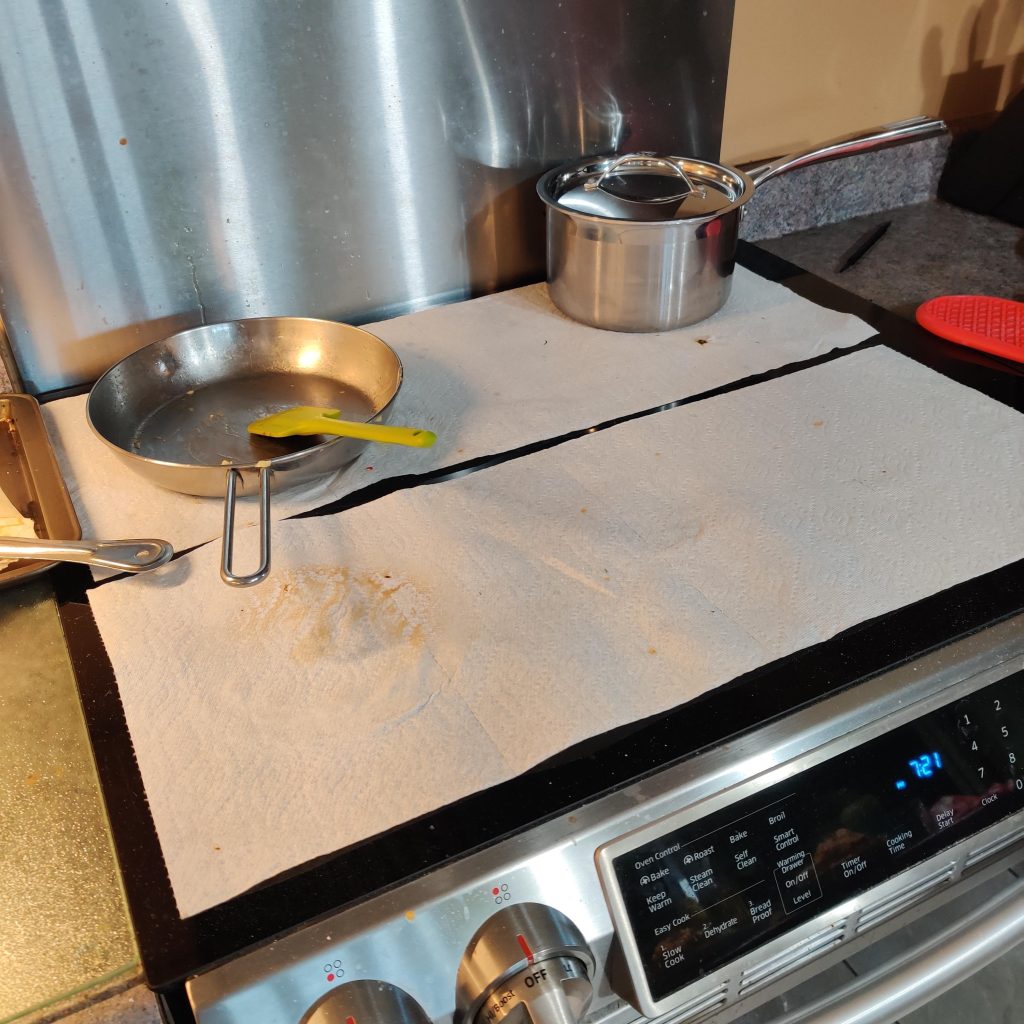
Scratches on your glass cooktop can be frustrating and make your kitchen look less clean and inviting. You might worry that these marks are permanent or that fixing them will be complicated and costly.
But what if you could restore your cooktop’s smooth surface quickly and easily, without spending a fortune? You’ll discover simple, effective methods to remove those scratches and bring back your cooktop’s shine. Keep reading, and you’ll learn exactly how to make your glass cooktop look like new again.
Common Causes Of Scratches
Scratches on your glass cooktop can be frustrating and unsightly. Understanding what causes these scratches is the first step to preventing them and keeping your cooktop looking new. Let’s look at some common reasons why these marks appear, so you can protect your kitchen surface better.
Everyday Kitchen Habits
Many scratches come from daily use and simple habits you might not even notice. Sliding heavy pots or pans across the glass instead of lifting them can easily scratch the surface. Have you ever dragged a metal spoon or spatula across your cooktop while cooking? That can also cause tiny scratches that add up over time.
Leaving crumbs or small bits of food on the cooktop when you clean can also cause damage. When you wipe the surface, those particles act like sandpaper and leave scratches. Try wiping the cooktop with a soft cloth and make sure to remove all debris before cleaning.
Types Of Abrasive Materials
Using abrasive cleaning tools is a common mistake that leads to scratches. Steel wool, rough scrubbing pads, or harsh scouring powders are too aggressive for glass cooktops. They can leave permanent marks that dull the surface.
Instead, opt for soft sponges or microfiber cloths specifically designed for delicate surfaces. Even some cleaning powders marketed for stovetops contain tiny grit that can harm your glass. Always check the label and test products on a small area first.
Have you checked what tools you use for cleaning your cooktop? Switching to gentler materials could save you time and money on repairs or replacements.
Assessing Scratch Severity
Assessing the scratch severity on your glass cooktop is the first step to effective repair. Knowing the depth and size of the scratch helps choose the right cleaning or polishing method. Some scratches are simple to fix, while others need more care or professional help.
Light Surface Scratches
Light surface scratches are shallow and often only affect the top layer of the glass. These scratches may appear as faint lines or slight marks. They usually do not interfere with cooking or cleaning. Often, these can be polished out using mild abrasive cleaners or a soft cloth.
To check if a scratch is light, run your finger over it gently. If you feel no significant groove or catch, it is likely a surface scratch. Light scratches respond well to home treatments and need less effort to remove.
Deep And Noticeable Scratches
Deep scratches are visible and can be felt easily with your fingernail. These scratches might look like cracks or gouges in the glass. They can affect the cooktop’s appearance and sometimes its functionality.
Deep scratches often require special repair kits or professional services. Attempting to fix these with home methods can cause more damage. Knowing the depth helps decide whether to repair or replace the cooktop surface.
Tools And Materials Needed
Before you start removing scratches from your glass cooktop, it’s important to gather the right tools and materials. Having everything ready will save you time and make the process smoother. You might be surprised by how many items you already have at home that can help restore your cooktop’s shine.
Household Items
Many common household items can effectively reduce minor scratches on your glass cooktop. These are often inexpensive and easy to find, making them a great first choice.
- Baking Soda:This gentle abrasive works well to buff out light scratches without damaging the surface.
- Toothpaste:Non-gel toothpaste contains mild abrasives that can polish scratches away.
- Soft Cloth or Microfiber Towel:Use these for applying products and buffing your cooktop without adding new scratches.
- Plastic Scraper or Credit Card:Helpful for removing stuck-on debris before polishing.
- Warm Water and Mild Dish Soap:Essential for cleaning your cooktop before and after scratch removal.
Specialized Products
If household items don’t fully restore your cooktop, specialized products can provide stronger results. These are designed specifically for glass surfaces and can handle deeper scratches.
- Ceramic Cooktop Cleaner:Formulated to clean and polish glass cooktops while minimizing scratches.
- Glass Polishing Kits:These kits usually include polishing compounds and pads tailored for glass surfaces.
- Diamond Paste or Glass Polishing Compound:For tough scratches, these fine abrasives can smooth the surface effectively.
- Microfiber Buffing Pads:Used with polishing compounds for better control and even application.
Have you ever tried to fix scratches with just household items? Sometimes, starting simple can give you a clear idea of whether you need to invest in specialized products. What’s your experience with DIY glass repair?

Credit: www.reddit.com
Removing Light Scratches
Light scratches on your glass cooktop can be frustrating, but they don’t have to stay there forever. These minor blemishes often result from everyday use and can usually be fixed with simple household items. You might be surprised how easily you can restore the smooth, shiny surface without expensive products or professional help.
Using Toothpaste
Toothpaste is more than just for your smile—it can also buff out light scratches on glass. Choose a non-gel, white toothpaste since it contains mild abrasives that gently polish the surface.
Apply a small amount of toothpaste directly onto the scratch. Using a soft, damp cloth, rub the paste in circular motions for about 30 seconds. Then, wipe clean with a fresh damp cloth to see the difference.
Did you know that many people have fixed scratches this way without special tools? It’s a quick test you can try before buying any specialized cleaners.
Applying Baking Soda Paste
Baking soda is another common kitchen ingredient that doubles as a gentle abrasive. Mixing it into a paste creates a powerful yet safe cleaner for your cooktop’s light scratches.
- Mix two parts baking soda with one part water until you get a thick paste.
- Spread the paste over the scratched area using a soft cloth or sponge.
- Gently rub in circular motions for about a minute, then wipe away with a clean, damp cloth.
This method works because baking soda’s fine particles help smooth out the scratch without damaging the glass. Have you ever thought of using common kitchen staples to fix household problems? This is a perfect example.
Fixing Deeper Scratches
Deeper scratches on a glass cooktop need careful treatment. These scratches are tough and cannot be removed by simple cleaning. They require specific materials and techniques to restore the smooth surface. Proper fixing helps avoid further damage and keeps your cooktop looking new.
Cerium Oxide Polishing
Cerium oxide is a popular polishing compound for glass surfaces. It gently buffs out scratches without harming the cooktop. Use a felt polishing pad with a drill or by hand to apply the compound.
- Clean the cooktop thoroughly before starting.
- Mix cerium oxide with water to make a paste.
- Apply the paste to the scratched area.
- Polish the spot using circular motions for 5 to 10 minutes.
- Wipe off excess paste and check the scratch.
- Repeat if needed until the scratch fades.
Patience is key. Do not rush to avoid damaging the glass further.
Using Glass Cooktop Repair Kits
Repair kits come with tools and materials made for glass cooktops. They include polishing pads, compounds, and instructions. These kits simplify the scratch removal process.
- Read the instructions carefully before use.
- Clean the cooktop surface to remove dirt and grease.
- Apply the repair compound on the scratched area.
- Use the included polishing pad to buff the scratch.
- Repeat polishing until the scratch becomes less visible.
- Clean the area to finish the repair.
These kits offer a controlled way to fix deep scratches safely.

Credit: www.reddit.com
Precautions During Scratch Removal
Removing scratches from a glass cooktop requires care and attention. Taking the right precautions prevents more damage and keeps you safe. Skipping these steps can lead to bigger problems or injuries.
Always handle your cooktop gently during scratch removal. Use the proper tools and cleaning agents. Protect yourself by following safety guidelines. These simple measures ensure an effective and safe repair process.
Avoiding Further Damage
- Use soft cloths or non-abrasive pads only.
- Never apply excessive pressure on the glass surface.
- Avoid harsh chemicals that can weaken the glass.
- Test any cleaning solution on a small area first.
- Keep the cooktop cool before starting the scratch removal.
Safety Tips
- Wear gloves to protect your hands from sharp edges.
- Ensure good ventilation if using any chemical cleaners.
- Avoid inhaling dust or particles from polishing compounds.
- Disconnect the cooktop from power before working on it.
- Keep children and pets away during the process.
Maintaining A Scratch-free Cooktop
Maintaining a scratch-free glass cooktop is essential to keep your kitchen looking sleek and functioning well. Scratches not only affect the appearance but can also make cleaning more difficult and potentially damage the surface over time. Paying attention to how you clean and what cookware you use can make a huge difference in preserving your cooktop’s smooth finish.
Proper Cleaning Techniques
Using the right cleaning methods helps prevent scratches from forming on your glass cooktop. Avoid abrasive sponges or steel wool, as these can leave tiny scratches that build up over time. Instead, use a soft cloth or a sponge designed specifically for glass surfaces.
Consider a cleaner made for glass cooktops or a mild dish soap mixed with water. After cooking, let the surface cool down before wiping it to avoid streaks or damage. Have you noticed how quickly stubborn stains disappear when you clean gently but thoroughly?
Also, avoid dragging pots or pans across the surface. Lift cookware whenever you move it to stop scratches before they start. This simple habit can save you from costly repairs or replacements later.
Recommended Cookware
Your choice of cookware plays a big role in keeping your cooktop scratch-free. Cookware with rough or warped bottoms can easily scratch the glass surface. Opt for flat-bottomed pots and pans made from smooth materials like stainless steel or heavy-duty aluminum.
Nonstick cookware with smooth surfaces is usually safe, but check for any chips or damage on the bottom before use. Cast iron and ceramic pans might look appealing but can be rough on glass cooktops unless they have a perfectly smooth base.
Have you ever noticed how some pans slide smoothly while others feel gritty? That’s a good test to find out which cookware is safe for your cooktop. Using the right pots not only protects your glass but also improves cooking efficiency.
When To Seek Professional Help
Knowing when to seek professional help for your scratched glass cooktop can save you time, money, and frustration. Sometimes, DIY fixes can make the problem worse or simply not work at all. Recognizing the signs that your cooktop needs expert care is key to protecting your investment.
Signs You Need Expert Repair
Not all scratches on your glass cooktop require professional attention. However, you should consider expert repair if you notice:
- Deep or large scratches:These can weaken the glass and affect its performance.
- Cracks or chips around the scratches:These often indicate structural damage that DIY methods can’t fix.
- Burn marks or discoloration:These might signal heat damage requiring specialized treatment.
- The cooktop isn’t heating evenly:Scratches can interfere with the heating elements, and professionals can diagnose the real cause.
- Repeated scratches despite careful use:This may mean the surface finish is compromised and needs professional restoration.
Have you ever tried fixing a scratch only to find it more noticeable afterward? That’s a clear sign to call in an expert.
Cost Considerations
One common question is whether professional repair is worth the cost. The answer depends on the extent of the damage and the age of your cooktop.
| Type of Damage | Estimated Repair Cost | DIY Repair Cost | When to Choose Professional Help |
|---|---|---|---|
| Minor surface scratches | $0 – $50 | $10 – $30 (polishing kits) | Often DIY |
| Deep scratches or chips | $100 – $300 | Not recommended | Professional repair advised |
| Cracks or structural damage | $200 – $500+ | Not possible | Immediate professional help needed |
Consider how much a replacement cooktop would cost versus a repair. Sometimes spending a little more upfront on professional help can extend your cooktop’s life significantly.
Have you weighed the cost of a repair against the hassle and risk of a DIY fix? It might be time to let an expert handle the problem.

Credit: www.amazon.ca
Frequently Asked Questions
How Can I Remove Light Scratches From A Glass Cooktop?
Light scratches can be removed using a ceramic cooktop cleaner or a baking soda paste. Apply gently with a soft cloth in circular motions. Avoid abrasive tools that can worsen scratches. Regular cleaning helps prevent further damage and maintains the cooktop’s shine.
What Household Items Remove Glass Cooktop Scratches Effectively?
Baking soda and white vinegar are effective household items to remove scratches. Make a thick paste with baking soda and water. Apply it gently on scratches and wipe with a soft cloth. This method is safe and inexpensive for minor scratch removal.
Can Toothpaste Help Fix Scratches On Glass Cooktops?
Yes, non-gel toothpaste can help reduce light scratches on glass cooktops. Apply a small amount on the scratch and rub gently with a soft cloth. Rinse and dry the surface afterward. This is a quick home remedy for minor scratches.
Are Scratch Repair Kits Safe For Glass Cooktops?
Scratch repair kits designed for glass cooktops are generally safe if used as instructed. They contain polishing compounds that smooth out scratches. Always follow the manufacturer’s guidelines to avoid damage. These kits provide a professional finish and extend the cooktop’s lifespan.
Conclusion
Removing scratches from a glass cooktop is easier than you think. With simple tools and steps, your cooktop can look new again. Regular cleaning helps prevent future scratches. Use a soft cloth and avoid harsh scrubbers. Baking soda can be a gentle cleaner.
Mix it with water for a paste. Rub gently on the scratch. Rinse and dry well. This method is safe and effective. Keep your kitchen looking neat and tidy. A little care goes a long way. Enjoy your scratch-free cooktop.
It’s ready for your next meal.