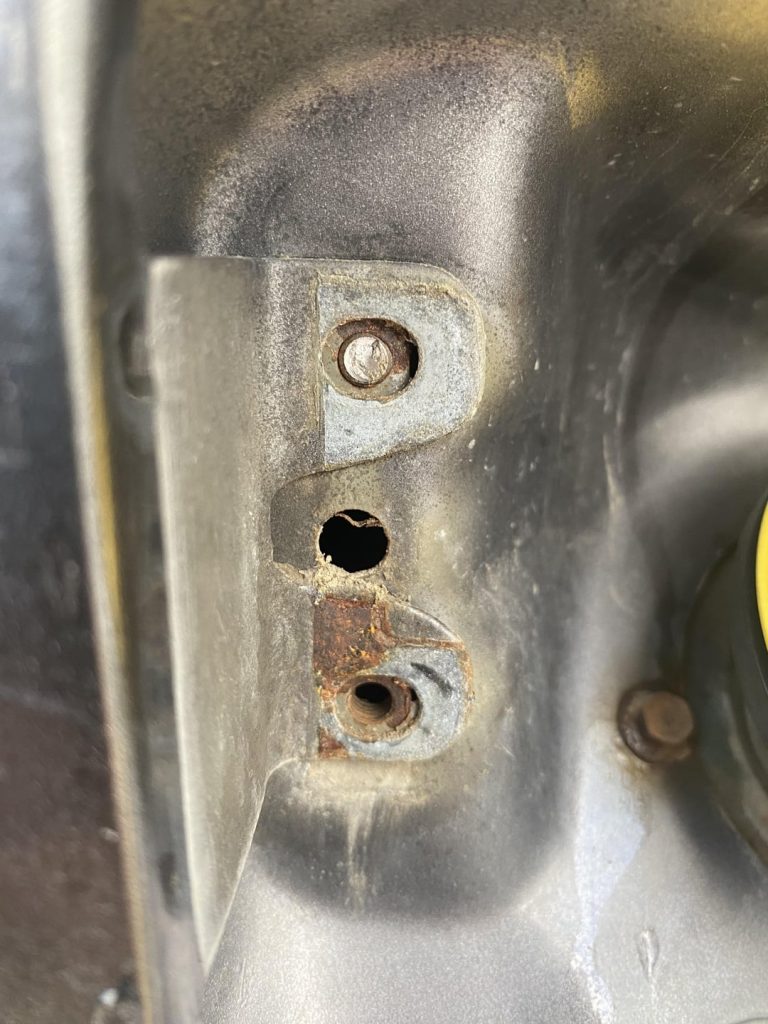
Have you ever faced the frustration of a bolt breaking off right where you least want it to? It’s a common problem that can bring your project to a grinding halt.
But don’t worry—removing a sheared off bolt doesn’t have to be a nightmare. You’ll discover simple, effective techniques to get that stuck bolt out without damaging your workpiece. Whether you’re a DIY enthusiast or a professional, these tips will save you time, money, and stress.
Keep reading to find out how you can tackle this tricky problem with confidence and ease.

Credit: www.youtube.com
Tools Needed For Bolt Removal
Removing a sheared-off bolt requires the right tools. Using proper equipment makes the job easier and safer.
Different tools work best depending on the bolt’s condition and location. Prepare your toolkit before starting.
Basic Hand Tools
Basic hand tools are often the first choice for bolt removal. They are simple and widely available.
- Hammer: to tap and loosen bolts.
- Pliers: for gripping and turning the bolt.
- Screwdrivers: to remove surrounding parts or covers.
- Wrenches: to try turning the bolt if any part is exposed.
- Center punch: to mark the bolt center for drilling.
Specialized Extractors
Extractors help remove bolts that basic tools cannot handle. They grip broken bolts tightly for removal.
| Extractor Type | Use | Notes |
| Spiral Flute Extractors | Drill into bolt to grip and turn out | Works well with metal bolts |
| Easy Out Extractors | Insert into drilled hole, then twist | Common choice for bolt removal |
| Left-Hand Drill Bits | Drill counterclockwise to remove bolt | Sometimes removes bolt without extractor |
Power Tools Options
Power tools speed up the removal of sheared bolts. They work well for tough or rusted bolts.
- Drill: to make holes for extractors or to remove bolt pieces.
- Angle Grinder: to cut bolts or create slots for screwdrivers.
- Impact Driver: to apply strong turning force on stuck bolts.
- Rotary Tool: for precise cutting or grinding around bolts.
Preparing The Work Area
Removing a sheared off bolt requires careful preparation of your work area. A clean and safe space helps you work efficiently. It also reduces the risk of accidents or damage to parts.
Before you start, organize the tools you need. Make sure the area is well-lit and free from clutter. This will help you focus on the task and avoid interruptions.
Safety Precautions
Safety is the top priority when working with tools and broken bolts. Wear proper protective gear to protect yourself from flying debris and sharp edges.
- Wear safety goggles to protect your eyes.
- Use gloves to protect your hands from cuts and burns.
- Keep a fire extinguisher nearby if using heat tools.
- Work in a well-ventilated area to avoid fumes.
- Disconnect power tools when not in use.
Cleaning And Inspection
Clean the area around the sheared bolt before starting. Dirt and rust can hide damage and make removal harder. Inspect the bolt and surrounding parts carefully.
| Task | Purpose |
| Clean surface with wire brush | Remove rust and debris |
| Apply penetrating oil | Loosen stuck bolt parts |
| Check for cracks or damage | Assess if parts need replacement |
Securing The Workpiece
Keep the workpiece steady before you begin removing the bolt. Moving parts can cause injury and make removal more difficult. Use clamps or a vise to hold it firmly.
Tips for securing the workpiece:
- Use a bench vise for small parts.
- Clamp larger items to a sturdy workbench.
- Place padding between the clamp and workpiece to avoid damage.
- Check stability before applying force.
Techniques For Removing Sheared Bolts
Sheared bolts are common in mechanical work. They can be tricky to remove. Here are some methods to help you tackle this issue.
Using the right technique is key to avoid damaging the surrounding area. Let’s explore some effective strategies.
Using Penetrating Oil
Penetrating oil helps to loosen rusted or stuck bolts. Apply it and let it sit for a while.
- Spray the oil generously on the bolt.
- Wait for at least 15 minutes.
- Try to unscrew the bolt with a wrench.
Tapping And Drilling Methods
For stubborn bolts, tapping and drilling can be effective. This method requires precision and care.
Drill a small hole into the center of the bolt. Increase the drill size gradually.
Applying Heat
Heat can expand the metal, making it easier to remove the bolt. Use a torch for this process.
| Tool | Usage |
| Propane torch | Heat the bolt directly |
| Heat gun | Use for controlled heating |
Leveraging Bolt Extractors
Bolt extractors can grip and remove broken bolts. They are specially designed for this purpose.
Insert the extractor into the drilled hole. Turn counterclockwise to remove the bolt.

Credit: www.reddit.com
Alternative Methods When Standard Techniques Fail
Removing a sheared off bolt can be very hard. Standard tools like wrenches or extractors may not work. You need other ways to get the bolt out without damaging the surrounding parts.
This guide explains some alternative methods. These techniques help when usual ways fail. They need some special tools or skills but can save time and effort.
Welding A Nut For Grip
You can weld a nut on the broken bolt’s end. The nut gives a good grip for a wrench to turn the bolt. This works well if enough bolt is sticking out.
Make sure the nut fits tightly. Use a welder to join the nut and bolt firmly. Once cool, use a wrench to unscrew the bolt by turning the nut.
- Choose a nut that matches the bolt size
- Clean the bolt surface before welding
- Use proper safety gear when welding
- Let the weld cool before trying to turn
Using Left-handed Drill Bits
Left-handed drill bits rotate opposite to normal bits. They can loosen the bolt as they drill into it. This can help remove bolts stuck tight or sheared off.
Start with a small drill bit and work up in size. The spinning motion may turn the bolt out. Be careful to drill straight to avoid damage.
- Select the correct size left-handed drill bit
- Use slow speed on the drill
- Apply steady pressure while drilling
- Stop if the bolt loosens and try to unscrew
Cutting And Grinding Approaches
If other methods fail, cutting or grinding the bolt may work. You can cut a slot or flat surface on the bolt end. This lets you use a screwdriver or pliers to turn it.
Use a rotary tool or grinder carefully. Avoid cutting too deep or hurting nearby parts. This approach needs steady hands and safety gear like goggles.
- Use a metal cutting disc or grinding wheel
- Create a flat edge or slot on the bolt head
- Turn the bolt with a flat screwdriver or pliers
- Wear eye protection and gloves for safety
Preventing Bolt Shearing In Future
Sheared bolts can cause delays and extra costs in your projects. Preventing bolt shearing helps keep machines safe and working well.
Using the right methods and care can stop bolts from breaking. This guide explains how to avoid bolt shearing.
Proper Torque Application
Applying the correct torque is key to prevent bolts from breaking. Too much force can shear the bolt, while too little can cause loosening.
Use a torque wrench to tighten bolts to the manufacturer’s recommended level. This keeps bolts strong and secure without damage.
- Check torque specs before starting work
- Use a calibrated torque wrench
- Tighten bolts evenly in a cross pattern if needed
- Do not use impact tools for final tightening
Choosing The Right Bolt Material
Selecting the right bolt material helps bolts resist shear forces. Stronger materials reduce the risk of breaking under pressure.
Use bolts made from steel alloys or stainless steel for tougher jobs. Match the bolt grade to the needs of your project.
- Grade 5 or 8 bolts for heavy machinery
- Stainless steel bolts for corrosion resistance
- High tensile bolts for high stress areas
- Avoid low-grade bolts in critical parts
Regular Maintenance Tips
Regular maintenance helps spot bolt problems early. Checking bolts often prevents sudden failures.
Inspect bolts for signs of wear, rust, or damage. Replace any bolts that look weak or corroded to avoid shearing.
- Check bolt tightness monthly
- Look for cracks or rust on bolts
- Replace damaged bolts immediately
- Lubricate bolts to prevent rust
When To Seek Professional Help
Removing a sheared off bolt can be tricky. Some situations need expert help to avoid problems.
Knowing when to call a professional saves time and prevents damage.
Complex Or Critical Components
If the bolt is part of important machinery or safety parts, do not try to remove it yourself. Experts have the right tools and knowledge to handle these safely.
Avoiding Further Damage
Using wrong methods can harm the part or surrounding area. Professionals know how to stop this from happening.
- They can use special tools to grip the bolt properly.
- They avoid damage to threads and surfaces.
- They reduce the risk of breaking the bolt deeper.
Cost Vs. Diy Considerations
Think about the cost of repairs if you cause damage. Sometimes, hiring a pro is cheaper than fixing mistakes.
| Factor | DIY Removal | Professional Help |
| Tool Cost | Low to High | Included in service |
| Risk of Damage | High | Low |
| Time Spent | Long | Short |
| Repair Cost | Possible High | Usually Lower |

Credit: www.reddit.com
Frequently Asked Questions
How Can I Remove A Sheared Off Bolt Safely?
Use penetrating oil and a bolt extractor tool to remove a sheared bolt. Start by drilling a small hole in the bolt’s center, then insert the extractor and turn counterclockwise. Work slowly to avoid damaging surrounding material.
What Tools Are Needed To Extract A Sheared Bolt?
Essential tools include a drill, bolt extractor set, penetrating oil, and pliers. A center punch helps guide drilling. Optional tools are a hammer and vise grips for added grip and control during removal.
Can Heat Help In Removing A Sheared Bolt?
Yes, applying heat expands the metal, loosening rust and corrosion around the bolt. Use a heat gun or propane torch carefully to avoid damaging nearby parts before attempting extraction.
Is It Possible To Remove A Sheared Bolt Without Drilling?
In some cases, yes. Use locking pliers or a bolt extractor clamp if part of the bolt is exposed. However, drilling is usually necessary for fully sheared bolts inside holes.
Conclusion
Removing a sheared off bolt takes patience and the right tools. Start slowly, avoid rushing, and follow each step carefully. Using proper techniques reduces damage and saves time. Remember, safety matters—wear gloves and eye protection. Practice makes perfect, so don’t get discouraged if it takes a few tries.
Keep these tips in mind for future repairs. You can handle this task with confidence and care.