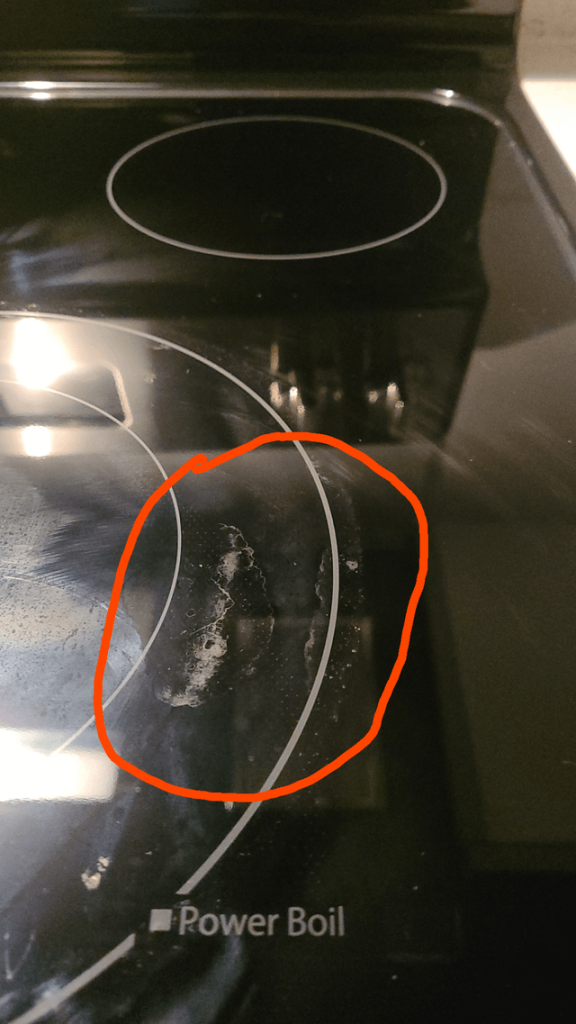
Imagine this: you just finished preparing a delicious meal, and as you look at your glass cooktop, you notice unsightly stains that seem to taunt you. You know the struggle—those persistent spots and smudges can be a real eyesore, making your kitchen feel less than pristine.
But don’t worry, you’re not alone in this! Many people face the same challenge, and there’s a simple way to restore that gleaming shine to your cooktop. In this guide, you’ll discover straightforward methods to effectively remove stains from your glass cooktop.
You’ll learn tips and tricks that are not only easy to follow but also safe for your appliance. Imagine the satisfaction of seeing your cooktop sparkle like new, impressing anyone who steps into your kitchen. Ready to tackle those stubborn stains once and for all? Let’s dive in and transform your cooking space into a spotless sanctuary.

Credit: homebyalley.com
Common Stains On Glass Cooktops
Glass cooktops bring a sleek look to any kitchen. They need regular cleaning to keep their shine. Stains on these surfaces vary in type and cause. Knowing common stains helps in choosing the right cleaning method. This section covers typical stains found on glass cooktops.
Burnt-on Food Residue
Burnt-on food is one of the toughest stains. It happens when food spills and cooks onto the surface. These residues look dark and crusty. Scraping or scrubbing can damage the glass if done roughly. Gentle cleaning is key to avoid scratches.
Water Spots And Mineral Deposits
Water spots appear after spills or steam dries. Mineral deposits leave cloudy or white marks. Hard water causes these stains. They can dull the glass surface. Regular wiping after cooking helps reduce buildup.
Grease And Oil Stains
Grease and oil come from cooking splatters. They leave shiny, sticky patches. These stains attract dust and dirt. Cleaning with the right cleaner removes them easily. Avoid harsh chemicals that might harm the glass.
Essential Tools And Materials
Having the right tools and materials is key to removing stains from your glass cooktop effectively. Without them, you might risk scratching the surface or not getting the stains out completely. Let’s look at what you need to make the cleaning process easier and safer for your cooktop.
Soft Cloths And Sponges
Soft cloths and non-abrasive sponges are your best friends when cleaning a glass cooktop. They help wipe away dirt without scratching the delicate surface. Microfiber cloths work well because they trap dust and grease efficiently, leaving your cooktop streak-free.
Have you ever tried using a rough sponge only to find new scratches the next day? Avoid that by choosing materials designed for gentle cleaning. Soft sponges with a scrub side can help tackle tougher spots without damage.
Scrapers And Razor Blades
Stubborn, burnt-on stains may require a scraper or razor blade to lift them carefully. Use these tools at a very shallow angle to avoid gouging the glass. Many glass cooktops come with a special scraper designed for this purpose—if you have one, use it.
Be cautious: applying too much pressure or using a dull blade can cause scratches. Have you ever tried scraping without the right angle and ended up making the problem worse? Taking your time and using the scraper gently makes a big difference.
Cleaning Solutions And Homemade Remedies
Commercial glass cooktop cleaners are formulated to dissolve grease and stains without harming the surface. You can find them in most supermarkets and online. Always follow the product instructions for best results.
If you prefer natural options, simple homemade remedies like a mixture of baking soda and water can work wonders. Apply the paste to the stained area, let it sit for a few minutes, then wipe it off with a soft cloth. Have you tried vinegar for its grease-cutting power? Diluted white vinegar can also help break down tough stains gently.
Daily Cleaning Tips
Keeping your glass cooktop spotless every day doesn’t have to be a chore. Simple daily habits can prevent stubborn stains from forming and make cleaning easier. Here are practical tips you can start using today to maintain that sleek, shiny surface.
Wiping After Each Use
After cooking, wait a few minutes for the surface to cool, then grab a soft cloth or paper towel. Wiping away spills and splatters immediately stops them from hardening into tough stains. This quick habit saves you from scrubbing later and keeps your cooktop looking fresh.
Using Mild Cleaners
Choose gentle cleaning solutions like dish soap mixed with warm water or a dedicated glass cooktop cleaner. Harsh chemicals can damage the surface or leave residues that attract dirt. Mild cleaners work effectively without risking scratches or dullness.
Avoiding Abrasive Materials
Skip steel wool, rough sponges, or scouring pads when cleaning your glass cooktop. These can create tiny scratches that dull the surface over time. Instead, use microfiber cloths or soft sponges designed for delicate surfaces to keep your cooktop smooth and spotless.
Removing Burnt-on Stains
Burnt-on stains on your glass cooktop can feel impossible to remove. They often seem to embed themselves deeply, resisting regular cleaning efforts. Tackling these tough spots requires patience and the right approach to avoid scratching or damaging your cooktop.
Soaking And Softening Residue
Start by softening the burnt residue with some moisture. Place a damp cloth over the stained area and let it sit for 15 to 20 minutes. This helps to loosen up the burnt food particles, making them easier to remove without scrubbing aggressively.
Have you noticed how letting the stain soak reduces the effort needed later? This simple step often saves time and prevents scratches from harsh scrubbing.
Scraping Safely
Once the residue is softened, use a scraper designed for glass cooktops or a plastic spatula. Hold it at a low angle and gently scrape away the burnt material. Avoid metal tools, which can scratch the surface and make future cleaning more difficult.
Remember, patience is key here. Pressing too hard or rushing can cause damage that’s harder to fix than the original stain.
Applying Specialized Cleaners
After scraping, apply a cleaner made specifically for glass cooktops. These products usually contain mild abrasives or chemicals that dissolve stubborn stains without harming the surface. Spread the cleaner evenly and wipe with a soft cloth or sponge.
Have you tried homemade solutions like baking soda and vinegar? While they can work, specialized cleaners often save time and protect your cooktop better. Always read instructions on the cleaner’s label to ensure safe and effective use.
Tackling Water Spots And Mineral Deposits
Water spots and mineral deposits can make your glass cooktop look dull and neglected. These stains often come from hard water and can be stubborn to remove if left unattended. Tackling them early keeps your cooktop sparkling and extends its lifespan.
Vinegar Solutions
Vinegar is a powerful natural cleaner that breaks down mineral buildup effectively. Dampen a soft cloth with white vinegar and lay it over the stained areas for 10-15 minutes. This gives the vinegar time to dissolve the deposits without scratching the surface.
After soaking, gently wipe the area in circular motions. You’ll notice the spots start to lift away easily. Rinse with warm water and dry with a clean microfiber cloth to avoid streaks.
Lemon Juice Applications
Lemon juice offers a fresh-smelling alternative to vinegar with similar acidic properties. Apply fresh lemon juice directly onto the spots using a cloth or spray bottle. Let it sit for about 10 minutes to break down the mineral deposits.
Use a soft sponge to scrub lightly, then wipe clean with a damp cloth. The natural oils in lemon also help prevent future buildup, making your cooktop easier to maintain. Have you tried lemon juice on other kitchen stains? It often surprises people with its effectiveness.
Preventive Measures
Prevention saves time and effort. After each use, wipe your glass cooktop with a damp cloth to remove any water droplets before they dry into spots. Keeping a microfiber cloth handy makes this quick and hassle-free.
Consider using distilled water for cleaning, especially if your tap water is hard. This simple switch can reduce mineral deposits significantly. Do you notice fewer spots when cleaning with distilled water?
Regularly treating your cooktop with vinegar or lemon juice every few weeks also keeps mineral buildup at bay. Small daily habits make a big difference in maintaining that pristine look.

Credit: www.reddit.com
Dealing With Grease And Oil
Grease and oil stains on your glass cooktop can be stubborn and frustrating. They often leave a sticky residue that dulls the surface and can affect cooking performance. Tackling these stains effectively means understanding the right tools and techniques to break down the oils without damaging your cooktop.
Degreasing Agents
Choosing the right degreasing agent makes a big difference. Dish soaps designed to cut through grease work well because they are gentle yet effective. You can also try a mixture of vinegar and water for a natural alternative that lifts oil without harsh chemicals.
Spray the degreasing solution directly on the greasy spots and let it sit for a few minutes. This waiting time softens the oils, making it easier to wipe away with a soft cloth. Avoid abrasive cleaners that can scratch the glass surface.
Hot Water Techniques
Hot water is your ally when dealing with oil stains. Soak a microfiber cloth in hot water and place it over the greasy areas for a few minutes. The heat helps dissolve the oil, loosening it from the cooktop surface.
After heating, gently wipe the area with the cloth. Repeat if necessary, but always use a soft touch. This approach minimizes risk to your cooktop’s finish while effectively clearing stubborn grease.
Avoiding Residue Build-up
After cleaning, residue build-up can sneak back if you’re not careful. Always rinse your cloth thoroughly to avoid spreading leftover grease. Wipe the cooktop with a damp cloth after using any degreaser to remove lingering cleaning agents.
Dry the surface with a clean, dry cloth to prevent water spots and streaks. Maintaining this routine after every cooking session keeps your glass cooktop spotless and ready for the next meal. How often do you give your cooktop this quick but crucial care?
Preventive Care For Glass Cooktops
Preventive care keeps your glass cooktop looking new and working well. It reduces stains and damage. Simple habits and proper tools help avoid tough cleaning later. Save time and effort with these easy care tips.
Using Cookware Properly
Choose flat-bottomed pots and pans. They sit evenly on the cooktop. Avoid cookware with rough or warped bottoms. Use the right size burner for each pot. Lift cookware instead of sliding it. This prevents scratches and marks.
Regular Maintenance Routines
Clean the cooktop after each use. Wipe spills quickly before they harden. Use a soft cloth and mild cleaner. Avoid abrasive pads or harsh chemicals. Check for small stains and remove them early. Regular care stops buildup and keeps glass clear.
Protective Products
Use a cooktop protector or cover. These shields prevent scratches and stains. Apply a special glass cooktop cleaner for shine and protection. Avoid waxes or polishes not made for glass. Protective products extend the life of your cooktop.

Credit: www.reddit.com
Frequently Asked Questions
How Do I Clean Burnt Stains On Glass Cooktop?
To clean burnt stains, use a scraper designed for glass cooktops. Apply a ceramic cooktop cleaner and gently scrub with a soft cloth. Avoid abrasive materials to prevent scratches. Regular cleaning after use helps prevent tough stains.
What Household Items Remove Glass Cooktop Stains?
Baking soda and vinegar work well to remove stains. Sprinkle baking soda on the cooktop, spray vinegar, and let it fizz. Wipe with a damp cloth and dry. This method is safe and eco-friendly for daily cleaning.
Can I Use Ammonia To Clean Glass Cooktop?
Yes, dilute ammonia can help remove grease stains. Mix ammonia with water in a spray bottle, spray the cooktop, and wipe with a soft cloth. Ensure proper ventilation and avoid mixing ammonia with other cleaners.
How Often Should I Clean My Glass Cooktop?
Clean your glass cooktop after every use to prevent stains and buildup. A quick wipe with a damp cloth and mild cleaner maintains shine. Deep clean weekly or as needed to keep it spotless.
Conclusion
Cleaning stains from your glass cooktop is simple with the right steps. Use gentle cleaners and soft cloths to avoid scratches. Regular care keeps your cooktop looking new and shiny. Act quickly to stop stains from setting. Small efforts save time and keep your kitchen neat.
Enjoy cooking on a spotless surface every day. Remember, patience and care bring the best results. Your glass cooktop will thank you with a bright, clean look.