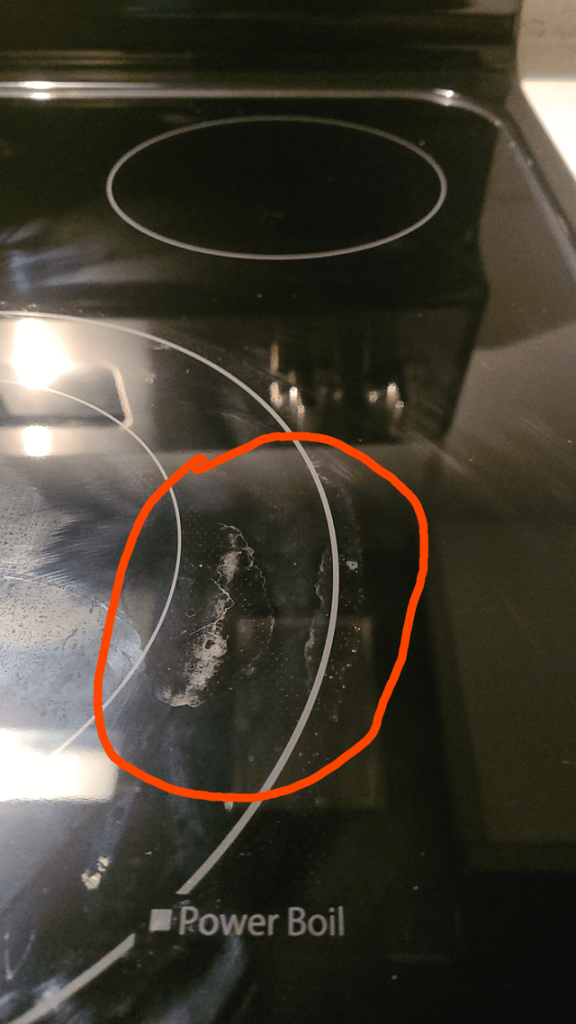
Have you ever looked at your glass cooktop and wondered how to restore its original shine? Those stubborn stains and burnt-on residues can be frustrating, especially when they seem impossible to remove.
But don’t worry, you’re not alone in this struggle. Many people face the challenge of maintaining a spotless cooktop. Your kitchen deserves to be as sparkling as your culinary creations, and today, we’re diving into practical solutions that will help you achieve just that.
By the end of this article, you’ll have the tips and tricks you need to make your glass cooktop look brand new. Ready to transform your kitchen surface into a gleaming masterpiece? Let’s get started!

Credit: www.reddit.com
Common Stains On Glass Cooktops
Glass cooktops add a sleek look to any kitchen. They also need gentle care to stay clean. Stains can build up fast from cooking and spills. Knowing common stains helps you clean effectively. Each type needs a different approach for best results.
Burnt-on Residue
Burnt-on residue happens when food or sugar spills and cooks onto the glass. It looks dark and crusty. This stain is tough and can scratch the surface if scrubbed hard. Use a scraper designed for glass cooktops and a soft cloth to remove it safely.
Water Spots
Water spots appear after water dries on the cooktop. They leave behind pale, cloudy marks. These spots form from minerals in the water. Wiping the cooktop dry after use helps prevent them. A mild vinegar solution can remove stubborn spots.
Grease And Oil
Cooking produces grease and oil splatters on the glass. These stains look shiny and sticky. They attract dust and dirt, making the surface dull. Use warm, soapy water and a soft sponge to clean grease. Avoid abrasive pads that can scratch the glass.
Mineral Deposits
Mineral deposits come from hard water and certain cleaning products. They cause white or grayish patches on the cooktop. These deposits build up over time and dull the glass’s shine. A paste of baking soda and water can gently lift these stains.
Essential Tools And Materials
Removing stains from a glass cooktop requires more than just elbow grease—it demands the right tools and materials. Having these essentials on hand makes the process smoother and protects your cooktop from scratches or damage. Let’s look at what you need to get started and how each item plays a key role in restoring your cooktop’s shine.
Soft Cloths And Sponges
Soft cloths and non-abrasive sponges are your best friends when cleaning glass cooktops. They gently lift dirt and stains without scratching the surface. Microfiber cloths work particularly well because they trap grease and grime efficiently.
Using rough scrubbers might seem like a quick fix, but they often leave tiny scratches that dull the glass over time. Have you ever noticed how a simple switch to a softer cloth improved your cleaning results? It’s a small change with big impact.
Scrapers And Razor Blades
Scrapers with razor blades are essential for tackling stubborn, burnt-on stains that cloths and sponges can’t remove. Use a scraper designed specifically for glass cooktops to avoid damage. Hold it at a 45-degree angle and gently scrape away residue.
Be careful not to press too hard, as that could scratch the glass. If you’ve tried scraping without success, consider whether the tool you’re using is right for the job—sometimes a specialized scraper makes all the difference.
Cleaning Solutions
Choosing the right cleaning solution is crucial. Commercial cooktop cleaners are formulated to break down tough stains without harming the glass. Alternatively, a homemade mixture of vinegar and water can work wonders for light stains and daily maintenance.
Stay away from harsh chemicals like ammonia or bleach; they may damage the surface or leave streaks. What cleaning solutions have you found most effective in your kitchen? Experimenting with different options can help you find the perfect fit.
Protective Gloves
Wearing protective gloves keeps your hands safe from harsh cleaning agents and prevents skin irritation. Gloves also improve grip, making it easier to handle scrapers and cloths securely. If you’ve ever dealt with dry or irritated skin after cleaning, gloves are a simple fix.
Choose gloves that fit well and are made for household cleaning. They’re a small investment that enhances both safety and comfort during the stain removal process.
Daily Cleaning Tips
Keeping your glass cooktop spotless doesn’t have to be a chore. Small daily habits can prevent stubborn stains and make cleaning much easier. Here are some practical tips that fit smoothly into your routine and protect your cooktop’s shine.
Wiping After Each Use
Right after cooking, wait a few minutes for the surface to cool down, then wipe it with a soft, damp cloth. This quick action prevents spills from baking on and turning into tough stains. Have you noticed how a simple swipe can save you from scrubbing later?
Using Mild Detergents
Choose gentle dish soap mixed with warm water to clean your cooktop regularly. Harsh chemicals can dull the glass or damage its finish over time. Mild detergents effectively cut grease without the risk of harm, keeping your surface clear and bright.
Avoiding Abrasive Materials
Never use steel wool, scouring pads, or rough sponges on your glass cooktop. These can scratch and permanently damage the surface. Instead, stick to soft microfiber cloths or non-abrasive scrubbers designed for delicate surfaces to maintain that smooth, flawless look.

Credit: www.reddit.com
Removing Burnt-on Stains
Burnt-on stains on your glass cooktop can be stubborn and frustrating. These marks often result from spilled sugary substances or overheated pots, leaving behind tough residue. Tackling these stains requires patience and the right approach to avoid scratching or damaging the surface.
Soaking With Vinegar And Baking Soda
Start by sprinkling baking soda generously over the stained area. Then, pour white vinegar slowly on top to create a bubbling reaction that helps loosen burnt residue.
Let this mixture sit for 15-20 minutes. The fizzing action breaks down grime, making it easier to wipe away with a soft cloth. Have you tried this simple combo before? It often surprises people with how effective it is on tough stains.
Scraping Gently With A Razor Blade
After soaking, use a razor blade held at a 45-degree angle to scrape off the softened stains gently. Keep the blade flat and avoid pressing too hard to prevent scratching your cooktop.
Always use a new or very sharp blade for the best results. This technique requires a steady hand, but it can remove stubborn spots that don’t budge with cleaning solutions alone. Have you noticed how careful scraping can restore your cooktop’s smooth surface?
Using Commercial Cooktop Cleaners
If natural methods don’t fully remove the stains, try a commercial cleaner designed specifically for glass cooktops. These cleaners contain gentle abrasives and chemicals tailored to dissolve burnt residue without damaging the surface.
Follow the product instructions carefully, and use a soft cloth or sponge to apply. Many users find these cleaners bring back the shine quickly, especially on older or heavily stained cooktops. Do you have a favorite brand that works wonders on your stove?
Eliminating Water Spots And Mineral Deposits
Water spots and mineral deposits can dull the shine of a glass cooktop. These stains form from hard water left behind after cleaning or spills. Removing them quickly keeps your cooktop looking clear and spotless. Simple household items work well to clear away these stubborn marks safely and gently.
Applying White Vinegar
White vinegar breaks down mineral buildup effectively. Spray a small amount of vinegar directly on the spots. Let it sit for 5 to 10 minutes to loosen deposits. Use a soft cloth or sponge to wipe the area clean. Rinse with warm water and dry with a microfiber cloth. Repeat if spots remain for a clearer surface.
Polishing With Lemon Juice
Lemon juice adds a natural shine while cutting through stains. Apply fresh lemon juice on the affected areas. Allow it to rest for 3 to 5 minutes. Wipe with a soft cloth in gentle circular motions. Rinse with water and dry thoroughly. This method refreshes the cooktop and reduces mineral deposits.
Preventing Future Spots
Prevention keeps your glass cooktop looking new longer. Wipe down the cooktop after each use with a dry cloth. Avoid letting water or spills sit on the surface. Use filtered or distilled water to reduce minerals. Regular light cleaning stops buildup before it starts. Keeping the surface dry prevents water spots from forming.

Credit: www.reddit.com
Handling Grease And Oil Stains
Grease and oil stains on a glass cooktop can be tough to remove. They leave a sticky, shiny layer that dulls the surface. Cleaning these stains quickly protects your cooktop and keeps it looking new. Use simple, safe materials found at home to tackle these greasy marks effectively. The key is to break down the oil without scratching the glass.
Degreasing With Dish Soap
Start by applying warm water and a few drops of dish soap. Use a soft sponge or cloth to spread the soapy water over the greasy areas. Let it sit for a few minutes to dissolve the oil. Gently scrub in small circles to lift the grease. Rinse with clean water to remove soap and loosened grime.
Using Baking Soda Paste
Create a thick paste by mixing baking soda with a little water. Spread this paste on stubborn grease spots. Baking soda acts as a mild abrasive and absorbs oil. Leave the paste for 10 to 15 minutes. Rub gently with a soft cloth or sponge to remove the paste and stains. Avoid harsh scrubbing to protect the glass surface.
Rinsing And Drying Properly
Rinse the cooktop with clean water after cleaning. Use a clean, damp cloth to wipe away all residues. Dry the surface with a soft towel or microfiber cloth. Proper drying prevents streaks and water spots. It also helps the cooktop shine and stay clean longer.
Tips To Maintain A Spotless Cooktop
Keeping your glass cooktop spotless is easier than you might think. A few simple habits can prevent stubborn stains and keep your cooking surface looking brand new. Let’s look at practical tips to maintain a clean and shiny cooktop every day.
Regular Deep Cleaning
Cleaning your cooktop regularly prevents grime from building up. After each use, wipe the surface with a soft cloth and warm soapy water to remove fresh spills. Once a week, treat your cooktop to a deeper clean using a specialized glass cooktop cleaner or a gentle homemade solution of vinegar and water.
Don’t forget to use a non-abrasive scrubber to avoid scratches. Have you noticed how skipping this routine makes stains tougher to remove later? Staying consistent saves time and effort in the long run.
Avoiding Harsh Chemicals
It’s tempting to grab strong cleaners, but harsh chemicals can damage your cooktop’s surface. Avoid products containing ammonia, bleach, or scouring powders. These can leave dull spots or cause permanent discoloration.
Instead, opt for cleaners labeled safe for glass cooktops or use natural alternatives like baking soda paste for tough spots. You’ll protect your investment and keep the surface looking flawless.
Protecting The Surface During Cooking
Simple actions during cooking can prevent stains and scratches. Use cookware with smooth, flat bottoms to avoid scratching the glass. Also, avoid dragging pots and pans across the surface.
Consider using burner liners or mats designed for glass cooktops to catch spills and reduce cleanup. Have you tried placing a damp cloth under heavy pans to protect the surface? These small steps make a big difference in maintenance.
Frequently Asked Questions
How Do I Remove Burnt Stains On A Glass Cooktop?
Use a razor scraper gently at a 45-degree angle to lift burnt stains. Apply a specialized cooktop cleaner and wipe with a soft cloth. Repeat if necessary until the stains are gone.
What Household Items Clean Glass Cooktop Stains Effectively?
Baking soda and white vinegar work well. Sprinkle baking soda on the cooktop, spray vinegar, let it fizz for minutes, then wipe clean with a damp cloth.
Can I Use Abrasive Cleaners On Glass Cooktops?
No, avoid abrasive cleaners as they can scratch the surface. Use non-abrasive, specially formulated glass cooktop cleaners for best results.
How Often Should I Clean My Glass Cooktop?
Clean your glass cooktop after every use to prevent stains. Regular cleaning keeps it shiny and extends its lifespan.
Conclusion
Cleaning stains on a glass cooktop does not have to be hard. Use gentle cleaners and soft cloths for best results. Avoid sharp tools that can scratch the surface. Regular wiping keeps the cooktop looking new longer. A clean cooktop also helps your kitchen feel fresh.
Small steps make a big difference over time. Keep these tips handy for quick stain removal. Your cooktop will stay shiny and safe to use. Simple care brings lasting cleanliness and beauty.