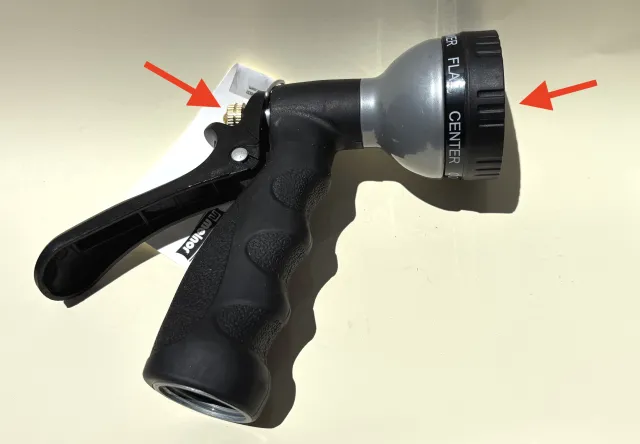
You’ve grabbed your garden hose, ready to water your plants, only to find the nozzle stuck tight. It’s frustrating, isn’t it?
You try twisting and pulling, but it just won’t budge. Don’t worry—this is a common problem, and you’re not alone. You’ll discover simple, effective ways to free your stuck garden hose nozzle without damaging your equipment. By the end, you’ll be able to fix this annoying issue quickly and get back to enjoying your garden.
Keep reading—you’re just a few easy steps away from solving this hassle for good.
Common Causes Of Stuck Nozzles
Garden hose nozzles can get stuck for several reasons. Knowing the common causes helps you fix the problem safely.
This guide explains why nozzles get stuck and what to look for before trying to remove them.
Rust And Corrosion
Rust forms when metal parts get wet and are exposed to air over time. This can make the nozzle and hose connection hard to turn or remove.
Corrosion eats away at the metal, causing it to stick together. This often happens in older hoses or those left outside during wet weather.
Dirt And Debris Buildup
Soil, sand, and small debris can collect inside the nozzle threads or hose end. This buildup blocks smooth movement and causes the nozzle to jam.
- Dirt particles get trapped in the threads.
- Leaves or plant matter block the connection.
- Mineral deposits from hard water create rough surfaces.
Overtightening Issues
Turning the nozzle too tightly can damage the threads or seal. This damage makes it harder to unscrew the nozzle later.
| Cause | Effect |
|---|---|
| Excessive force | Stripped threads |
| Cross-threading | Misaligned parts |
| Damaged seals | Water leaks and sticking |

Credit: ucanr.edu
Tools Needed For Removal
Removing a stuck garden hose nozzle can be tough. Using the right tools makes the job easier. These tools help loosen the nozzle without damage.
Gathering the right items before starting saves time. Here are the main tools you need for removal.
Wrench And Pliers
A wrench or pliers give you a strong grip on the nozzle. They help you turn the nozzle when it won’t move by hand.
Use adjustable wrenches or slip-joint pliers. These tools fit many sizes and shapes. Protect the nozzle by wrapping it with cloth before using tools.
- Adjustable wrench
- Slip-joint pliers
- Cloth or rag for protection
Lubricants And Penetrating Oils
Lubricants and penetrating oils help loosen rust and dirt. They make the nozzle easier to turn and remove.
Spray the oil on the stuck parts and wait a few minutes. This softens the rust and reduces friction. Use oils like WD-40 or similar products.
- Penetrating oil spray
- Lubricant for metal parts
- Spray bottle (if oil is not in spray form)
Cleaning Brushes
Cleaning brushes remove dirt, rust, and debris from the nozzle threads. Clean threads make removal easier.
Use wire brushes or old toothbrushes. Brush gently to avoid damage. Clean threads before applying lubricants or using tools.
- Wire brush for rust removal
- Old toothbrush for light cleaning
- Cloth to wipe off debris
Step-by-step Removal Methods
A stuck garden hose nozzle can be frustrating. Follow these steps to remove it safely. These methods are simple and use common household items.
Choose the method that suits your situation. Read each step carefully to avoid damage to your hose or nozzle.
Applying Penetrating Oil
Penetrating oil helps loosen rust and debris. It seeps into the threads, making removal easier.
- Spray penetrating oil on the nozzle connection.
- Let it sit for 10-15 minutes.
- Try to unscrew the nozzle gently.
- If still stuck, reapply oil and wait longer.
Using Heat To Loosen The Nozzle
Heat can expand metal, breaking the bond. Use a hairdryer or hot water for this method.
Warning: Avoid open flames or high heat sources to prevent damage.
Gentle Tapping Techniques
Light tapping can help dislodge debris. Use a rubber mallet or the handle of a screwdriver.
| Tool | Action |
| Rubber mallet | Tap gently around nozzle base |
| Screwdriver handle | Tap in a circular motion |
| Hammer (with caution) | Use lightly to avoid damage |
Leveraging Wrenches Safely
Wrenches provide leverage for stubborn nozzles. Use adjustable wrenches for a firm grip.
Ensure the wrench fits snugly to avoid slipping. Turn slowly to prevent damage to the hose.
Preventing Future Stuck Nozzles
Stuck garden hose nozzles cause frustration and waste time. You can stop this problem with simple care and habits. Good maintenance keeps your nozzle working smoothly for years.
Below are three key ways to avoid stuck nozzles. Follow these tips to save effort and enjoy easy watering.
Regular Cleaning Routine
Cleaning your nozzle often removes dirt and mineral build-up. This prevents corrosion and sticking. Use water and a soft brush to clean all parts.
- Detach the nozzle from the hose.
- Rinse with clean water to remove loose dirt.
- Soak in vinegar for 15 minutes to dissolve minerals.
- Scrub gently with a brush, focusing on threads.
- Rinse again and dry completely before storing.
Proper Storage Tips
Storing your hose and nozzle correctly stops rust and damage. Keep them in a dry, shaded place away from harsh weather.
| Storage Method | Benefits |
| Hang hose on a reel or hook | Prevents kinks and tangles |
| Remove nozzle and store indoors | Protects from freezing and rust |
| Keep away from direct sunlight | Extends hose and nozzle life |
Avoiding Overtightening
Tightening the nozzle too much causes threads to stick and break. Turn the nozzle until it feels snug but not forced.
Tips to avoid overtightening:
- Hand-tighten only until snug.
- Use a cloth to grip and prevent damage.
- Check for leaks before tightening more.
- Replace worn washers to improve the seal.
When To Replace The Nozzle
Sometimes a stuck garden hose nozzle cannot be fixed. Knowing when to replace it saves time and water.
Replacing the nozzle ensures your watering tasks stay easy and efficient. Learn the signs to watch for and how to pick a new one.
Signs Of Irreparable Damage
Check for these signs to know if your nozzle needs replacement:
- Cracks or breaks in the nozzle body
- Rust or corrosion that blocks water flow
- Leaking even when turned off
- Stuck or broken trigger mechanism
- Nozzle spray patterns no longer change
If you see several of these problems, replacing the nozzle is better than repairing it.
Choosing The Right Replacement
Pick a new nozzle that fits your hose and watering needs. Here is a simple comparison to help you decide:
| Nozzle Type | Best Use | Durability |
| Plastic | Light watering, small gardens | Low |
| Metal | Heavy use, large gardens | High |
| Rubber-Coated | Comfort grip, all-purpose | Medium |
| Adjustable Spray | Various watering patterns | Medium to High |
Choose a nozzle with a good grip and easy control. Check for warranties or guarantees for better quality assurance.

Credit: ucanr.edu

Credit: www.reddit.com
Frequently Asked Questions
How Do I Safely Remove A Stuck Garden Hose Nozzle?
To safely remove a stuck nozzle, first turn off the water supply. Apply penetrating oil to loosen the connection. Gently twist the nozzle with a wrench or pliers. Avoid using excessive force to prevent damage to the hose or nozzle.
What Household Items Help Loosen A Stuck Hose Nozzle?
Household items like WD-40, vinegar, or cooking oil can help loosen a stuck nozzle. Apply the lubricant and let it sit for 10-15 minutes. This softens rust and debris, making removal easier without damaging the hose or nozzle.
Why Does My Garden Hose Nozzle Get Stuck Often?
Nozzles get stuck due to rust, mineral buildup, or dirt accumulation. Exposure to water and outdoor elements causes corrosion over time. Regular cleaning and drying after use can prevent nozzle sticking and prolong its lifespan.
Can Heat Help Remove A Stuck Garden Hose Nozzle?
Yes, applying heat can expand metal parts and loosen the nozzle. Use warm water or a hairdryer to gently heat the connection. Avoid open flames to prevent damage or injury. Heat softens rust and makes twisting easier.
Conclusion
Removing a stuck garden hose nozzle does not have to be hard. Try gentle twisting and use some lubricant first. Avoid forcing it too much to prevent damage. Patience and care will save your tools and time. With these simple steps, your hose nozzle should come off easily.
Keep your garden tools clean and well maintained to avoid future problems. Taking small actions now helps you enjoy your garden later. Good luck with your gardening tasks!