Packing up your sleeping bag after a trip can feel like a hassle, especially when it takes up too much space or looks messy. But what if you could learn a simple way to repack your sleeping bag that saves room, keeps it in great shape, and makes your next adventure easier?
In this guide, you’ll discover step-by-step tips to fold and pack your sleeping bag like a pro. By the end, you’ll be ready to store your gear neatly and efficiently every time. Keep reading—you won’t want to miss these game-changing tricks!
Choose The Right Sleeping Bag
Picking the right sleeping bag makes your camping trip better. It keeps you warm and comfortable at night.
Think about where you will use it and how cold it gets. This helps you find the best sleeping bag for you.
Types Of Sleeping Bags
Sleeping bags come in many types. Some are made for cold weather, some for warm nights, and some for backpacking.
- Mummy bags are tight and warm. They fit close to your body.
- Rectangular bags are roomy and good for camping with friends.
- Double bags fit two people and are best for couples.
- Sleeping quilts are light and easy to pack for hiking.
Material Considerations
Sleeping bags use different materials inside and outside. These affect weight, warmth, and how easy it is to clean.
| Material | Pros | Cons |
|---|---|---|
| Down | Very warm, light, compresses small | Expensive, loses warmth if wet |
| Synthetic | Cheaper, stays warm when wet, easy to clean | Heavier, bulkier |
| Shell Fabric | Water-resistant, durable | Can be noisy, less breathable |
| Lining Fabric | Soft and comfortable | Can absorb moisture |
Size And Shape Options
Choosing the right size and shape helps you sleep well. A bag that fits your body keeps heat inside.
- Length should be about 6 inches longer than your height.
- Width depends on your sleeping style. Wider for side sleepers, narrower for back sleepers.
- Mummy shape fits close and is warmest.
- Rectangular shape gives more room but less warmth.
Prepare Your Sleeping Bag
Repacking your sleeping bag correctly helps keep it in good shape. It also makes it easier to use next time you camp.
Before you pack, prepare the sleeping bag well. This will protect the insulation and keep it fresh.
Clean And Dry Before Packing
Make sure your sleeping bag is clean and completely dry. Dirt and moisture can cause damage or bad smells.
- Spot clean stains with mild soap and water
- Air dry the sleeping bag in a shaded area
- Do not pack if the bag is damp or wet
Remove Loose Items
Take out any loose items like dirt, leaves, or small gear. These can damage the fabric or insulation.
- Check inside pockets for trash or small objects
- Shake the bag gently to remove dust and debris
- Inspect seams for stuck items or damage
Loosen The Insulation
Fluff the insulation before packing. This keeps it soft and warm for your next trip.
- Lay the sleeping bag flat and gently shake it.
- Use your hands to separate the insulation layers.
- Avoid compressing the bag too tightly when storing.
Packing Techniques
Packing a sleeping bag properly saves space and keeps it safe. Good packing helps the bag last longer and stay warm.
Different ways to pack affect how small your sleeping bag gets. Learn these simple techniques to pack smart.
Rolling Vs Stuffing
Rolling a sleeping bag is neat and keeps it flat. It is easy to pack but can take more space.
Stuffing means pushing the bag into a sack without folding. It keeps the insulation fluffy and traps heat better.
- Rolling is good for quick packing and storage.
- Stuffing protects insulation better for colder trips.
- Stuffing often fits better in backpacks with tight space.
Use A Compression Sack
A compression sack squeezes the sleeping bag to make it smaller. It helps save space in your pack.
Put the sleeping bag inside, then tighten the straps. This presses the bag and reduces air pockets.
- Reduces size for easier carrying.
- Protects the bag from dirt and moisture.
- Choose a sack with strong straps and good material.
Layering For Compactness
Layering means folding the sleeping bag carefully before packing. It stops the bag from bulging in one spot.
Place the bag flat, fold it in sections, and pack evenly. This keeps the shape tight and saves space.
- Fold the bag in thirds or quarters.
- Keep the insulation spread out.
- Layer gently to avoid crushing the material.

Credit: www.youtube.com
Maximize Space In Your Backpack
Packing a sleeping bag correctly saves space in your backpack. This lets you carry more gear comfortably.
Use smart techniques to fit your sleeping bag without wasting room. This helps keep your pack balanced.
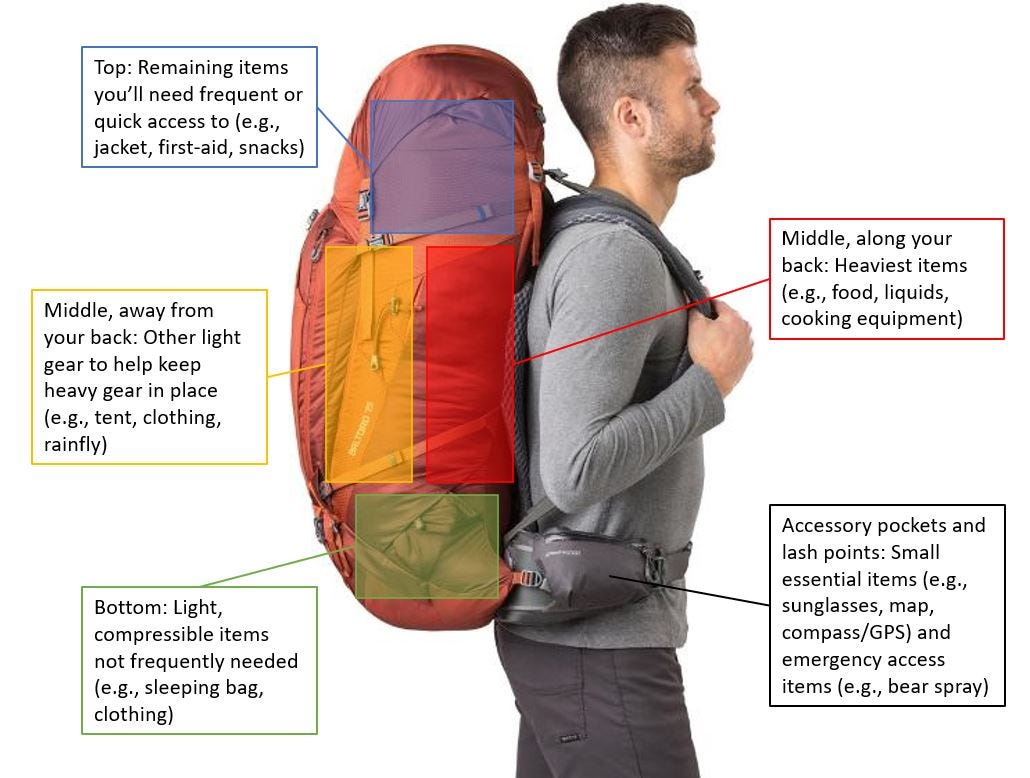
Positioning The Sleeping Bag
Place your sleeping bag at the bottom of your backpack. This creates a solid base for other items.
Keep it close to the pack’s back panel. This improves weight distribution and balance on your shoulders.
- Use a compression sack to reduce volume
- Keep the sleeping bag dry by using a waterproof liner
- Put lightweight items on top or around the bag
Avoid Overpacking
Do not stuff your sleeping bag too tight. Overpacking can damage its insulation and loft.
Loft keeps you warm, so keep your bag fluffy inside its sack. Compress only as much as needed.
- Compress the bag evenly without sharp folds
- Leave some space for air to help insulation
- Check weight and size before closing your pack
Utilize External Straps
Use external straps on your backpack to attach your sleeping bag. This frees up internal space.
Strap the sleeping bag tightly but gently. This stops it from bouncing or shifting while hiking.
- Use compression straps on your pack
- Secure the bag with adjustable buckles
- Check straps often to keep the bag stable
Maintain Sleeping Bag Longevity
Keeping your sleeping bag in good shape helps it last longer. Proper care protects its warmth and comfort.
Learn simple ways to store, handle, and maintain your sleeping bag well.
Proper Storage Tips
Store your sleeping bag loosely to keep its insulation fluffy. Avoid tight bags or small stuff sacks for long-term storage.
- Use a large cotton or mesh storage sack
- Keep it in a dry, cool place away from sunlight
- Hang it or lay it flat when possible
- Make sure it is clean and dry before storing
Avoid Prolonged Compression
Do not keep your sleeping bag compressed for long. Compression breaks down the insulation and reduces warmth.
| Compression Time | Effect on Bag |
| Less than 1 day | No damage |
| 1 to 7 days | Possible minor loss of loft |
| More than 7 days | Permanent loss of insulation |
Regular Maintenance
Cleaning and inspecting your sleeping bag keeps it fresh and safe to use. Follow washing instructions carefully.
- Spot clean small stains with mild soap
- Wash only when necessary using gentle cycles
- Use front-loading washers or wash by hand
- Air dry completely before storage
- Check zippers and seams regularly

Credit: www.reddit.com
Credit: pangolinswithpacks.com
Frequently Asked Questions
How Do You Properly Fold A Sleeping Bag?
To properly fold a sleeping bag, start by laying it flat. Fold it lengthwise, aligning the edges. Roll it tightly from the foot towards the top. This helps in maintaining the insulation and saves space. Secure with straps or place in its sack.
Can You Compress A Sleeping Bag Too Much?
Yes, over-compressing a sleeping bag can damage its insulation. It may reduce its loft and warmth over time. Use a compression sack sparingly and store the bag loosely when not in use. This ensures it retains its insulating properties and longevity.
What’s The Best Way To Store A Sleeping Bag?
Store a sleeping bag loosely in a large, breathable sack or hang it. Avoid compressing it for long durations. Keep it in a dry, cool place to prevent moisture buildup. This helps in maintaining the bag’s loft and prolongs its lifespan.
How Often Should You Wash A Sleeping Bag?
Wash your sleeping bag once a season or as needed. Frequent washing can damage its insulation. Use a gentle detergent designed for technical fabrics. Hand wash or use a front-loading washing machine on a gentle cycle. Always air dry to maintain its quality.
Conclusion
Repacking a sleeping bag takes a little care and practice. Start by shaking out the bag to loosen the filling. Then, fold it neatly before rolling or stuffing it into the sack. Avoid squeezing too hard to keep the insulation fluffy.
Doing this right helps your bag last longer and stay warm. Take your time and follow these steps each time. Soon, repacking will feel easy and natural. Ready for your next adventure?