
Is your glass cooktop in need of some TLC? Don’t worry, you’re not alone.
Many people face the challenge of dealing with scratches, cracks, or stains on their cooktops. The good news is that you can often fix these issues yourself without calling in an expensive professional. Imagine the satisfaction and savings when you restore your cooktop’s sleek, pristine look with just a little bit of effort and know-how.
In this guide, you’ll discover practical steps and insider tips to repair your glass cooktop, ensuring it not only looks great but functions perfectly too. Stay with us, and you’ll soon be cooking on a surface that looks as good as new!
Common Glass Cooktop Issues
Glass cooktops offer a sleek look and easy cleaning, but they aren’t immune to wear and tear. Recognizing common issues early can save you time and money on repairs. Let’s look at the typical problems that might affect your glass cooktop and how to spot them before they worsen.
Cracks And Chips
Cracks and chips are some of the most obvious signs of damage on a glass cooktop. These often happen when heavy pots or pans are dropped, or when something hard hits the surface.
Even a small chip can grow into a larger crack if not addressed. Cracks can be dangerous as they might cause the glass to shatter during use. Have you checked your cooktop closely for any tiny fractures?
Burner Malfunctions
Burners that don’t heat evenly or fail to turn on are common issues with glass cooktops. This can happen due to faulty wiring, sensor problems, or damage beneath the glass surface.
Sometimes, burner problems are easy to fix by cleaning the contacts or resetting the cooktop’s control panel. Other times, you might need to replace parts. How long have you noticed your burners acting up?
Scratches And Stains
Scratches and stains might seem minor but can affect the look and performance of your cooktop. Scratches often come from sliding pots or using abrasive cleaners, while stains can result from spills that cook onto the surface.
Some stains are tough but can be removed with the right cleaner and a bit of elbow grease. Scratches require gentler handling to avoid making them worse. What cleaning tools do you usually use on your glass cooktop?

Credit: www.reddit.com
Safety First
Repairing a glass cooktop can be tricky, but the most important part is making sure you stay safe throughout the process. Glass cooktops involve electricity and fragile materials, so rushing in without caution can lead to injury or further damage. Taking a moment to prepare properly protects you and helps the repair go smoothly.
Power Off And Unplug
Always turn off the power before you start any repair work. Simply switching off the cooktop isn’t enough—unplug it from the wall outlet to ensure no electricity is running through the appliance. This step eliminates the risk of electric shock and keeps your workspace safe.
If your cooktop is hardwired, you’ll need to switch off the circuit breaker that controls it. Have you ever underestimated this step? I once started fixing a cooktop without unplugging it and got a nasty shock that could have been avoided.
Protective Gear To Use
Wearing the right protective gear is essential when handling broken or cracked glass. Safety gloves with cut-resistant material protect your hands from sharp edges, while safety goggles keep your eyes safe from glass shards or dust.
Consider wearing long sleeves to shield your arms and closed-toe shoes to protect your feet. Even if the glass looks stable, tiny fragments can cause injury when you least expect it. What gear do you usually skip that might be crucial here?
Tools And Materials Needed
Before you begin repairing your glass cooktop, gathering the right tools and materials is essential. Having everything ready saves time and reduces frustration during the repair process. It also ensures you handle the cooktop carefully and effectively.
Cleaning Supplies
Start with cleaning supplies to prepare the surface for repair. You’ll need a soft cloth or sponge and a gentle glass cleaner to remove grease and dirt. Avoid abrasive cleaners that can scratch the glass further.
Isopropyl alcohol works well to remove stubborn residues without damaging the cooktop. Keep paper towels or lint-free cloths handy for drying and final wiping.
Repair Kits And Adhesives
Specialized glass cooktop repair kits are designed for small cracks and chips. These kits usually include resin adhesives that fill in damaged areas and harden under UV light. Make sure the kit is compatible with your cooktop’s glass type.
You might also need a small applicator tool, like a syringe or spatula, to spread the adhesive evenly. Some kits come with a curing lamp; if not, natural sunlight can help cure the resin.
Replacement Parts
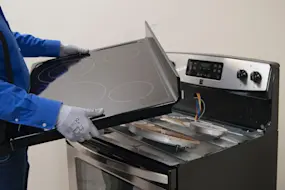
For more serious damage, replacement parts may be necessary. This often means ordering a new glass top or specific components like heating elements or control knobs. Check your cooktop’s model number to find exact matches.
Having the right parts on hand prevents delays and ensures your repair lasts. Do you know where to find genuine parts for your cooktop brand? Manufacturer websites and authorized dealers are good places to start.
Credit: www.searspartsdirect.com
Fixing Cracks And Chips
Cracks and chips on a glass cooktop can be frustrating and may seem like a sign to replace the entire surface. However, many small damages can be repaired effectively at home, saving you time and money. Fixing these blemishes not only restores your cooktop’s look but also prevents further damage and safety hazards.
Cleaning The Damaged Area
Start by turning off and unplugging your cooktop to ensure safety. Use a soft cloth and a gentle glass cleaner to remove all dirt, grease, and food residue from the cracked or chipped area. Avoid abrasive materials that could worsen the damage.
Make sure the surface is completely dry before you proceed. If you notice any loose glass fragments, carefully remove them with tweezers to create a clean working area. This step is crucial because any debris left behind will affect the repair’s effectiveness.
Applying Glass Repair Resin
Choose a high-quality glass repair resin designed for cooktops or automotive glass. These resins fill cracks and chips, bonding the glass and restoring structural integrity. Follow the product instructions closely to apply the resin evenly over the damaged spot.
Use the applicator or a small brush to push the resin deep into the crack or chip. Avoid air bubbles by applying the resin slowly and pressing gently. Have you ever noticed tiny bubbles trapped in a repair job? They weaken the fix and are a sign that the resin wasn’t applied properly.
Curing And Polishing
After applying the resin, allow it to cure as directed—usually under natural light or a UV lamp. Proper curing solidifies the resin, making the repair durable and heat-resistant. Don’t rush this step; incomplete curing can cause the repair to fail when the cooktop heats up.
Once cured, gently polish the area with a soft cloth or a fine abrasive pad included in the repair kit. Polishing removes any excess resin and smooths the surface so it blends with the rest of your cooktop. You’ll be surprised how much this final touch improves the appearance and feel of the glass.
Repairing Burner Issues
Burner issues can disrupt your cooking and test your patience. Fixing these problems yourself saves time and money. Let’s look at how to identify and repair common burner faults on your glass cooktop.
Checking Electrical Connections
Start by unplugging your cooktop to stay safe. Open the back panel and inspect the wires connecting to the burners. Look for loose, burnt, or corroded wires that might cause poor contact or no power.
Use a multimeter to test if electricity flows through each wire properly. If you find a faulty connection, tighten or replace the wire. Even a small loose wire can stop a burner from heating.
Replacing Faulty Burners
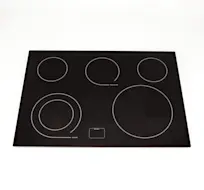
If electrical connections are sound but a burner still doesn’t work, the burner itself might be damaged. Burners wear out over time and need replacement.
Remove the broken burner by unscrewing it carefully. Match the replacement burner with your cooktop model to ensure compatibility. Installing the right part guarantees better performance and safety.
Testing After Repair
Once you’ve fixed the connections or swapped the burner, plug your cooktop back in. Turn on each burner one by one to check if they heat up properly. Watch out for uneven heating or flickering flames.
Does your burner heat evenly now? If not, double-check your repairs or consider consulting a professional. Testing immediately prevents further damage and keeps your cooking smooth.
Credit: www.searspartsdirect.com
Removing Scratches And Stains
Scratches and stains on your glass cooktop can be frustrating, especially when you want it to look spotless. Luckily, many marks can be removed with simple household items or specialized products. Let’s explore some practical ways to restore your cooktop’s shine without spending a fortune or calling a professional.
Using Baking Soda And Vinegar
Baking soda and vinegar are more than kitchen staples—they’re powerful cleaners. To tackle stains, sprinkle a generous amount of baking soda over the affected area. Then, spray or pour white vinegar on top, letting it fizz and bubble for about 10-15 minutes.
After the fizzing stops, use a soft cloth or sponge to gently scrub the surface in circular motions. This combo helps lift stains without scratching the glass. Have you tried this natural solution before? Many find it surprising how well it works on stubborn grime.
Applying Specialized Cooktop Cleaners
There are cleaners designed specifically for glass cooktops, formulated to remove tougher stains and minor scratches. These products often contain mild abrasives that polish the surface without causing damage.
Apply a small amount of cleaner on a damp cloth and rub gently on the scratches or stains. Avoid using harsh chemicals or rough scrubbing pads, as they can worsen the damage. Using a cleaner made for your cooktop’s brand can make a noticeable difference.
Buffing Techniques
Buffing is an effective way to smooth out light scratches and bring back the glossy finish. Use a microfiber cloth or a soft buffing pad with a gentle polishing compound.
Work in small sections, applying light pressure in a circular motion. Take breaks to wipe away residue and check your progress. Could a little patience and elbow grease be all your cooktop needs to look almost new again?
Preventative Care Tips
Taking care of your glass cooktop extends its life and keeps it looking new. Preventative care stops many common problems. Simple habits protect the surface from cracks, scratches, and stains. Follow these tips to keep your cooktop safe and clean.
Cleaning Habits
Clean your cooktop after each use. Use a soft cloth or sponge with warm, soapy water. Avoid abrasive cleaners or scrubbers that scratch the glass. For tough stains, use a cleaner made for glass cooktops. Wipe spills quickly to prevent them from hardening. Dry the surface with a microfiber cloth to avoid streaks.
Avoiding Damage
Do not slide pots or pans on the cooktop. Lift them to move around. Avoid placing hot lids or heavy items directly on the glass. Use cookware with smooth bottoms to prevent scratches. Never use sharp tools to scrape off food. Avoid dropping heavy objects on the surface, as it can crack easily.
Regular Maintenance Checks
Check your cooktop regularly for signs of damage. Look for cracks, chips, or discoloration. Inspect the seals around the edges to ensure they are intact. Test the controls and burners to make sure they work well. Schedule professional service if you notice any issues. Early repairs prevent bigger problems later.
Frequently Asked Questions
How Do I Fix Minor Scratches On A Glass Cooktop?
Use a specialized cooktop cleaner and a non-abrasive pad. Apply gently in circular motions. Avoid harsh scrubbing to prevent further damage.
Can I Repair Cracks In A Glass Cooktop Myself?
Small cracks may be temporarily sealed with a high-temperature epoxy. However, professional repair or replacement is recommended for safety and durability.
What Tools Are Needed To Repair A Glass Cooktop?
You typically need a cooktop cleaner, razor blade scraper, microfiber cloth, and high-temperature epoxy for minor repairs. Always follow safety guidelines.
How To Clean Burnt Stains From A Glass Cooktop?
Use a cooktop cleaner and a scraper designed for glass surfaces. Apply cleaner, let it sit briefly, then gently remove burnt residue.
Conclusion
Repairing a glass cooktop can save money and extend its life. Start with simple fixes like cleaning and checking connections. Small cracks need careful attention to avoid bigger problems. Always use the right tools and follow safety steps. Regular care keeps your cooktop working well.
You can handle many repairs yourself with patience and care. Keep this guide handy for future reference. Your cooktop will thank you with better performance.