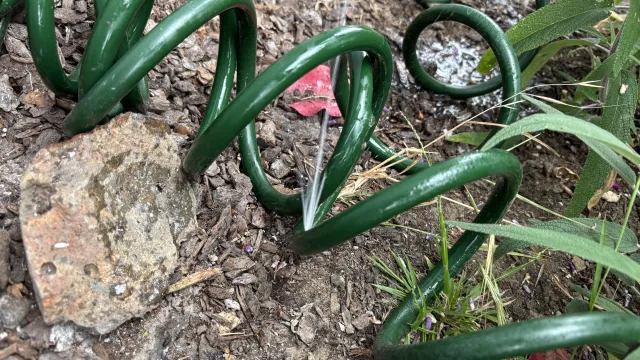
Have you ever grabbed your garden hose only to find a hole ruining your watering plans? It’s frustrating when water sprays everywhere except where you want it.
But don’t worry—you don’t need to buy a new hose or call a plumber. You can fix that hole quickly and easily, saving both time and money. In this guide, you’ll learn simple, effective steps to repair your garden hose so it works like new again.
Keep reading, and by the end, you’ll feel confident handling this common problem yourself.
Identifying The Problem
A garden hose can get holes from many causes. Finding the hole is the first step to fix it.
Knowing where the hole is helps you decide how to repair the hose quickly and easily.
Check For Visible Damage
Look closely at the hose for cracks, tears, or worn spots. These usually cause leaks.
Sun damage or rough handling can make the hose break on the outside.
Listen For Water Leaks
Turn on the water and listen for hissing sounds. They show where water escapes.
Holes may be small and hard to see. Sound helps you find hidden leaks.
Feel For Wet Spots
Run your hand along the hose while the water is on. Wet spots show where water leaks out.
Wet areas are easy to spot. They help you find holes quickly.
Use Soapy Water To Find Small Holes
Mix soap with water and apply it on the hose. Bubbles form where air or water escapes.
This method works well for tiny holes you cannot see or hear.
- Mix 1 part soap with 3 parts water
- Apply with a sponge or spray bottle
- Look for bubbles on the hose surface

Credit: www.familyhandyman.com
Gathering Necessary Tools
Fixing a hole in a garden hose needs some basic tools. Having the right tools helps you repair quickly and well.
Before you start, gather everything you need. This saves time and avoids frustration during the repair.
Garden Hose Repair Kit
A garden hose repair kit has most parts you need. It often includes connectors and patches for fixing holes.
- Rubber patches to cover the hole
- Connectors to join hose parts
- Clamps to hold patches or connectors
Utility Knife Or Scissors
Cutting clean edges around the hole makes repair easier. Use a sharp utility knife or scissors for this.
Sandpaper
Sandpaper helps smooth the hose surface near the hole. This helps patches stick better and last longer.
Rag Or Cloth
Use a rag to clean the hose before fixing it. Dirt or water can stop the patch from sticking well.
Waterproof Adhesive Or Glue
Waterproof glue keeps the patch in place and stops leaks. Choose glue made for outdoor or rubber use.
Tape (optional)
Strong tape can temporarily stop leaks if you do not have a repair kit. Use waterproof tape for best results.
Temporary Fixes
A hole in a garden hose can stop your watering quickly. You can fix small holes fast to keep using the hose.
Temporary fixes help you water your plants until you get a permanent repair or new hose.
Using Duct Tape
Duct tape works well to cover small holes or cracks on a garden hose. It stops water from leaking out.
First, dry the hose area around the hole. Wrap the duct tape tightly around the hole many times. Make sure the tape covers the hole fully.
- Clean and dry the hose before taping
- Wrap tape tightly for a strong seal
- Use several layers for better hold
- Replace tape if it loosens or peels
Applying Electrical Tape
Electrical tape is stretchy and sticks well to rubber hoses. It can block small holes and cracks from leaking.
Clean the hose around the hole and dry it. Wrap the electrical tape tightly over the hole. Cover a few inches on each side to seal it well.
- Remove dirt and moisture first
- Stretch tape slightly as you wrap
- Use multiple layers for a secure patch
- Check tape often for wear or peeling

Credit: www.familyhandyman.com
Permanent Repair Solutions
Fixing a hole in your garden hose can save you money and time. Permanent repair options make sure your hose works like new. These solutions stop leaks and keep water flowing well.
This guide covers two common ways to repair a garden hose: using a hose repair kit and replacing the damaged section. Both methods are effective and easy to do.
Using A Hose Repair Kit
A hose repair kit contains all parts needed to fix small holes or cracks. The kit usually includes connectors and clamps to join the hose ends securely.
- Cut out the damaged section of the hose using scissors or a knife.
- Insert the repair connector inside both cut ends of the hose.
- Tighten the clamps around the hose and connector to seal it.
- Test the hose by turning on the water to check for leaks.
Replacing Damaged Section
If the hole is large or the hose is worn, replace that section completely. This method ensures a strong and lasting fix.
| Tool | Purpose |
| Sharp scissors or knife | Cut out damaged hose part cleanly |
| Replacement hose piece | Replace the removed section |
| Hose connectors | Join new section to existing hose |
| Hose clamps | Secure hose ends tightly |
Preventative Measures
Keeping your garden hose in good shape helps avoid holes and leaks. Taking care of it can save you money and time.
Two main ways to protect your hose are proper storage and regular checks. These keep your hose working longer and prevent damage.
Proper Storage Techniques
Store your garden hose in a dry, shaded area to stop cracks and holes. Avoid sharp bends or kinks that can weaken the hose material.
- Use a hose reel or hanger to keep it off the ground
- Drain water from the hose before storing
- Avoid leaving the hose in direct sunlight for long times
- Keep the hose away from sharp objects and heavy tools
Regular Inspections
Check your hose often for small holes or weak spots. Early fixes stop bigger leaks and water waste.
| Inspection Area | What to Look For | Action |
| Hose Ends | Cracks or loose fittings | Tighten or replace fittings |
| Along Hose Length | Small holes or bulges | Patch holes or replace hose |
| Connections | Leaks or drips | Replace washers or tighten connections |
When To Consider Replacement
Knowing when to repair a garden hose and when to replace it saves time and money. Some damages are easy to fix, but others mean the hose is beyond repair.
Read on to learn signs that show you should replace your garden hose instead of repairing it.
Multiple Or Large Holes
If your hose has many holes or large tears, repairs may not hold. Water leaks will continue, and the hose loses pressure.
Cracks And Brittleness
Cracks and brittleness show that the hose material is old or damaged by sun and cold. Such hoses break easily and often.
Leaks At The Fittings
Leaks near the connectors or fittings usually mean the hose end is damaged. If tightening or replacing fittings does not work, replace the hose.
Age And Frequent Repairs
Old hoses that need frequent patching lose reliability. Constant repairs cost more than buying a new hose.
- Check the hose age; most last 5 to 10 years.
- Replace hoses with repeated leaks or cracks.
- Invest in a new hose for better water flow and durability.
Material And Quality Issues
| Hose Type | Replacement Frequency | Durability Notes |
|---|---|---|
| Vinyl | 3-5 years | Prone to cracking in cold weather |
| Rubber | 5-10 years | More flexible and durable |
| Reinforced | 7-10 years | Stronger, resists kinks and punctures |

Credit: www.familyhandyman.com
Frequently Asked Questions
How Do I Fix A Small Hole In A Garden Hose?
To fix a small hole, use a hose repair kit or waterproof tape. Clean the area, apply the patch or tape tightly, and let it dry. This prevents leaks and restores proper water flow efficiently.
Can I Repair A Garden Hose Without Special Tools?
Yes, you can repair minor leaks with waterproof tape or hose clamps. Clean and dry the hose, wrap the tape tightly around the hole, or secure a clamp over it. This offers a quick, temporary fix without special tools.
What Materials Are Best For Garden Hose Repair?
Silicone patches, rubber repair kits, and waterproof tape work best. These materials seal holes effectively and withstand water pressure. Choose a solution compatible with your hose type for a durable repair.
How Long Does A Garden Hose Repair Last?
A proper repair can last several months to years. Lifespan depends on repair quality, hose material, and usage frequency. Regularly inspect and maintain the hose to extend repair durability.
Conclusion
Fixing a hole in your garden hose saves water and money. Small repairs keep your hose working longer. Use simple tools and materials you already have. Quick action stops leaks from getting worse. A well-maintained hose makes watering easier and more efficient.
Try these easy steps next time you find a hole. Keep your garden healthy with steady water flow. Repairing is simple, and anyone can do it. Don’t toss your hose just yet. Save time and resources with a quick fix.