Imagine you’re deep in the wilderness, ready to settle in for the night, when you spot a hole in your tent. It’s frustrating and could ruin your whole trip if water or bugs get inside.
But don’t panic—you can fix it quickly and easily. In this guide, you’ll learn simple, effective ways to repair that hole and keep your shelter strong. By the end, you’ll feel confident handling any tent tear, ensuring your adventure stays comfortable and safe.
Ready to save your tent and your trip? Let’s dive in.
Assess The Damage
Fixing a hole in your tent starts with a clear look at the damage. You need to understand the problem before you can fix it well.
Checking the hole carefully helps you choose the right tools and repair method. This saves time and keeps your tent strong.
Locate The Hole
Find the exact spot where the tent is torn or punctured. Look closely inside and outside the tent.
Use a light source, like a flashlight, to help see small holes. Sometimes, you may need to feel for air leaks with your hand.
Examine Tent Material
Check what type of fabric your tent has. Different materials need different repair techniques.
Look for weak spots around the hole. These areas may need extra care when you repair them.
Determine Repair Type
Decide how big the hole is and how you will fix it. Small holes can be patched, while large tears may need sewing.
- Patch with tape or fabric for small holes
- Sew tears for stronger, bigger damage
- Use sealant for leaks in waterproof areas

Credit: www.amazon.ca
Gather Repair Tools
Fixing a hole in your tent needs the right tools. Gathering these tools before you start saves time.
Having a repair kit or some household items ready makes the process easier and faster.
Essential Repair Kits
Tent repair kits come with everything needed to fix holes quickly. They are small and easy to carry.
- Patch material to cover holes
- Strong adhesive or glue
- Cleaning wipes to prepare the area
- Instruction guide for repairs
- Seam sealer to waterproof the patch
These kits are designed to work on most tent fabrics. They help keep the tent safe from rain and wind.
Alternative Household Items
You can use common household items if you do not have a repair kit. These items can hold the tent fabric together.
- Clear duct tape or waterproof tape
- Strong glue like super glue or fabric glue
- Scissors to cut tape or fabric
- Old nylon or polyester fabric for patches
- Rubbing alcohol or soap to clean the surface
Make sure the area is clean and dry before applying any tape or glue. This helps the patch stick better and last longer.
Prepare The Tent
Fixing a hole in your tent starts with good preparation. Getting the area ready helps the repair last longer.
Follow these steps to prepare your tent before you patch the hole.
Clean The Area
Remove dirt and debris around the hole. A clean surface helps patches stick better.
- Use a soft brush or cloth to wipe the area.
- Remove mud, sand, and dust completely.
- Do not use harsh chemicals that can damage the fabric.
Dry The Surface
Make sure the tent fabric is dry before repairing. Moisture can weaken the patch and glue.
| Drying Method | Details |
| Air Dry | Leave the tent in a shaded, breezy place until dry. |
| Towel Dry | Gently pat the area with a clean towel to remove water. |
| Indirect Heat | Use a hair dryer on low setting from a safe distance. |
Trim Loose Threads
Cut any loose threads or frayed edges around the hole. This prevents them from catching or spreading.
Use small scissors to carefully trim threads close to the fabric. Avoid cutting too close to the hole’s edge.

Credit: www.amazon.ca
Apply Patch Repairs
Fixing a hole in your tent keeps it safe and dry. You can repair it using different patch methods.
Choose a patch method based on the size of the hole and the materials you have.
Using Fabric Tape
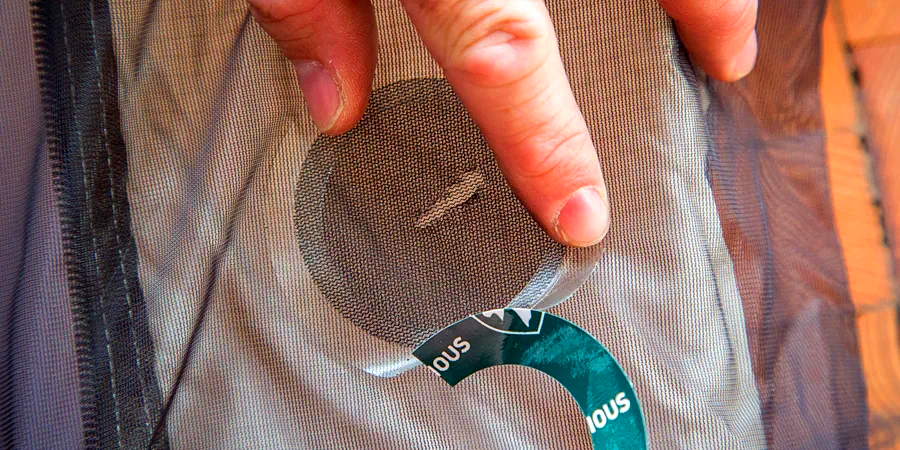
Fabric tape is an easy way to cover small holes or tears. It sticks well to most tent fabrics.
- Clean and dry the damaged area.
- Cut a piece of fabric tape larger than the hole.
- Round the edges of the tape to prevent peeling.
- Press the tape firmly on the hole from inside or outside.
- Let it set for a few hours before use.
Sewing The Hole
Sewing works well for larger tears or when tape is not strong enough. Use a needle and strong thread.
| Material | Best Thread Type | Needle Size |
| Nylon Tent Fabric | Nylon or Polyester Thread | Size 70 |
| Canvas | Heavy Duty Cotton Thread | Size 90 |
| Polyester | Polyester Thread | Size 80 |
Make small, tight stitches along the tear. Knot the thread securely at both ends.
Iron-on Patches
Iron-on patches add a durable layer over the hole. They stick with heat and bond firmly to fabric.
Follow these steps for iron-on patches:
- Clean and dry the tent fabric.
- Cut the patch to cover the hole with 1 inch extra around.
- Place the patch adhesive side down on the fabric.
- Use an iron on medium heat to press the patch for 30 seconds.
- Allow the patch to cool before handling the tent.
Seal Small Punctures
Small holes in a tent can let in water and cold air. Fixing these punctures quickly keeps your tent dry and warm.
You can repair tiny holes using simple tools like seam sealer or waterproof glue. These methods help stop leaks fast.
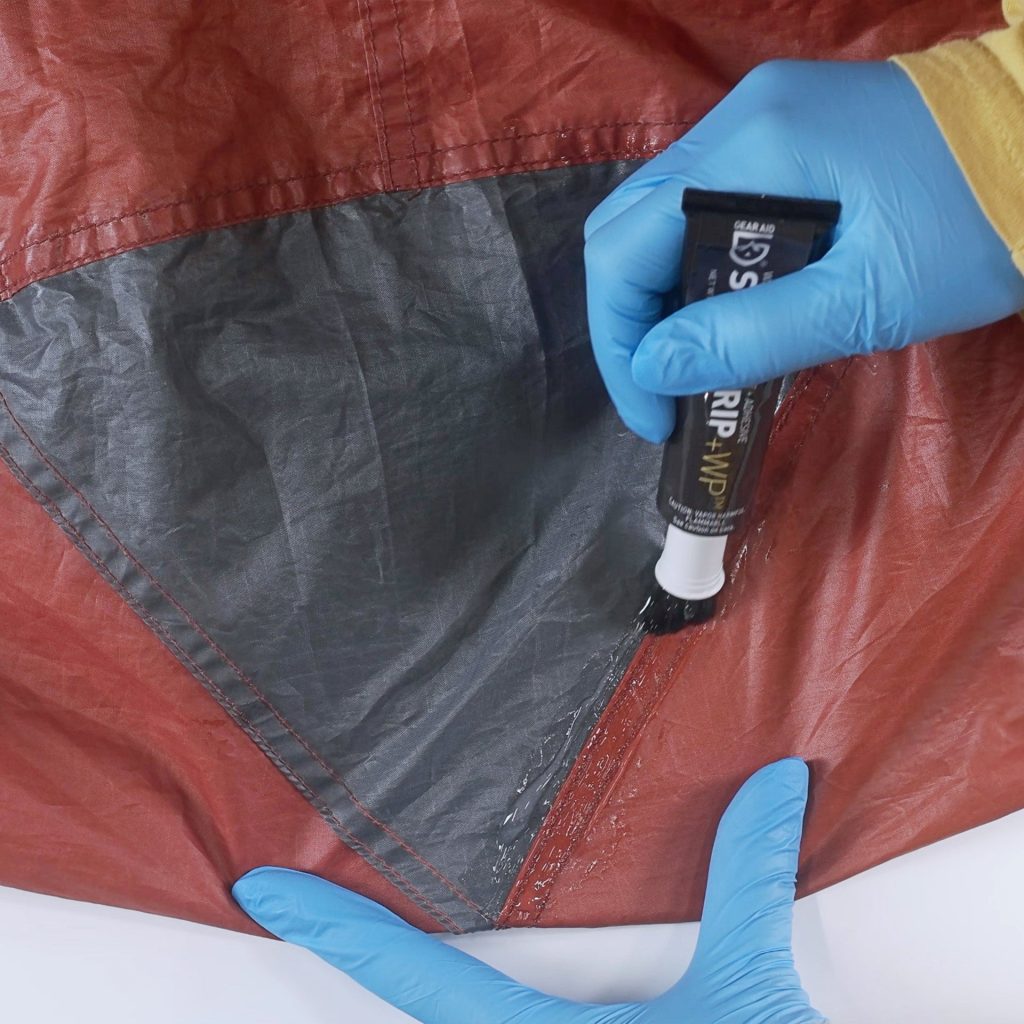
Use Seam Sealer
Seam sealer is a liquid that fills small holes and cracks. It creates a waterproof barrier on your tent fabric.
To use seam sealer, clean the area around the hole first. Apply the sealer evenly and let it dry completely before packing your tent.
Apply Waterproof Glue
Waterproof glue bonds fabric layers to cover small punctures. It works well on nylon and polyester tents.
Clean and dry the damaged area before applying the glue. Press the fabric together and hold it until the glue sets for a strong seal.
Credit: www.pomoly.com
Test The Repair
After fixing the hole in your tent, it is important to check if the repair works well. Testing ensures your tent stays dry and strong during use.
Use simple methods to find any leaks and decide if extra reinforcement is needed. This step helps keep your tent safe from weather.
Check For Leaks
Look closely at the repaired area to see if water can pass through. You can do this by spraying water gently or using a wet cloth.
- Spray water on the repair using a spray bottle or hose.
- Watch inside the tent for any signs of water coming through.
- Check the area for dampness after letting it dry for a few minutes.
- Repeat the test if you suspect any leaks.
Reinforce If Needed
If you find leaks or weak spots, add more support to the repair area. Reinforcement makes the fix stronger and lasts longer.
| Reinforcement Method | Purpose |
|---|---|
| Extra Patch | Covers and strengthens the repaired hole. |
| Seam Sealer | Prevents water from seeping through edges. |
| Fabric Tape | Adds a quick and easy layer of protection. |
| Stitching | Secures patches firmly to the tent fabric. |
Prevent Future Damage
Fixing a hole in your tent is important, but stopping new holes is even better. Protect your tent by taking care of it properly.
Small actions during setup and regular care can keep your tent strong for many trips.
Proper Tent Setup
Set up your tent on flat, clean ground without sharp objects. Rocks and sticks can poke holes in the fabric.
Use a groundsheet under your tent to add a protective layer. Avoid stretching the tent too tight to prevent stress on the fabric.
- Clear stones and sticks before pitching
- Choose a flat, dry area
- Use a groundsheet or footprint
- Do not over-tighten tent ropes
Regular Maintenance Tips
Keep your tent clean and dry after each trip. Dirt and moisture weaken the fabric and cause damage over time.
Check your tent for small tears or holes before and after use. Repair these quickly to stop them from getting bigger.
- Clean tent with mild soap and water
- Dry completely before storing
- Store in a cool, dry place
- Inspect seams and fabric regularly
- Patch small holes right away
Frequently Asked Questions
How Do I Repair A Small Hole In My Tent?
To repair a small hole, clean the area first. Use a patch kit or fabric glue designed for tents. Apply the patch firmly and let it dry completely. This prevents leaks and prolongs your tent’s life.
What Materials Are Best For Tent Hole Repairs?
Silicone sealant, tent-specific adhesive, and waterproof patches work best. These materials ensure flexibility and water resistance. Using the right materials helps maintain the tent’s durability and weather protection.
Can I Repair A Tent Hole Without Sewing?
Yes, you can use adhesive patches or sealants. These products bond well and don’t require sewing skills. They are quick fixes, ideal for camping trips or emergencies.
How Long Does A Tent Patch Repair Last?
A properly applied patch can last several seasons. Longevity depends on patch quality and repair technique. Regularly inspect and maintain your tent for best results.
Conclusion
Repairing a tent hole is simpler than it seems. Follow the steps carefully. Gather the right materials. Clean the area around the hole. Apply the patch firmly. Let it dry completely. Test the repair before your next trip. Practice makes perfect.
With each repair, you’ll gain confidence. Soon, fixing a tent will feel natural. Camping adventures await without worry. Enjoy the outdoors with a secure shelter. Happy camping!