Is your air conditioner not cooling like it used to? The problem might be with your compressor.
Fixing an air conditioner compressor might sound tough, but with the right steps, you can do it yourself and save money. In this guide, you’ll learn clear, simple ways to identify issues and repair your compressor safely. Keep reading, and by the end, you’ll feel confident handling this common AC problem on your own.
Your cool comfort is closer than you think!
Signs Of A Faulty Compressor
The air conditioner compressor is key for cooling your home. It compresses the refrigerant and keeps the AC running well. When the compressor fails, your AC may not work properly. Knowing the signs helps you fix problems early.
Look out for certain symptoms that show the compressor may have issues. These signs include strange sounds, poor cooling, and electrical problems. Check these signs to decide if repair is needed.
Unusual Noises
Noises from the compressor can mean trouble. Listen for grinding, rattling, or squealing sounds. These noises often mean parts are worn or broken inside the compressor.
- Grinding sounds can show bearing failure.
- Rattling may mean loose components.
- Squealing often signals belt problems or motor issues.
Reduced Cooling Efficiency
If the AC does not cool like before, the compressor may be weak. Poor compression lowers the refrigerant pressure. This causes less cool air to flow into your rooms.
| Symptom | Possible Cause |
| Warm air from vents | Compressor not compressing refrigerant |
| Longer cooling cycles | Reduced compressor power |
| Higher energy bills | Compressor working harder than usual |
Frequent Cycling
The compressor should run smoothly without stopping often. Frequent cycling means the compressor switches on and off too much. This can wear out the compressor and cause failure.
Causes of frequent cycling include:
- Overheating of the compressor
- Incorrect refrigerant levels
- Faulty thermostat or electrical issues
Tripped Circuit Breaker
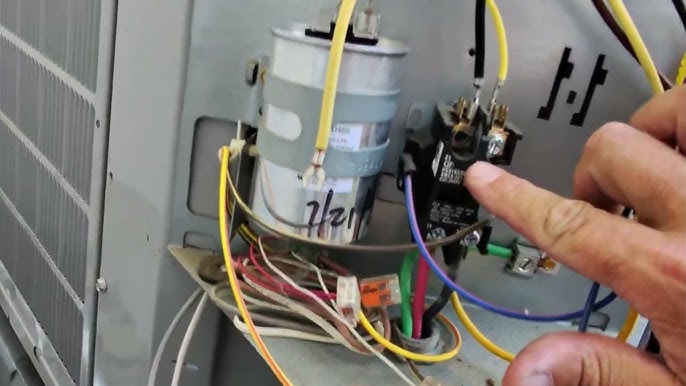
The circuit breaker can trip if the compressor draws too much power. This is a safety feature to protect your home’s wiring. A bad compressor often causes electrical overloads.
| Cause | Effect |
|---|---|
| Compressor motor short circuit | Circuit breaker trips to cut power |
| Locked compressor | High current draw trips breaker |
| Electrical wiring problems | Breaker trips to prevent damage |
Credit: www.youtube.com
Safety Measures Before Repair
Repairing an air conditioner compressor can be dangerous without safety steps. You must prepare well before starting the job.
Following safety measures helps prevent accidents and damage. Always take time to get ready before repair work.
Power Shutdown
Turn off the power supply to the air conditioner before repair. This stops electric shocks and accidents.
Make sure the main breaker or fuse is switched off. Confirm no electricity flows to the unit.
- Switch off the main power breaker
- Unplug the air conditioner if possible
- Use a voltage tester to check power is off
- Do not start work until power is fully shut down
Proper Tools
Use the correct tools for compressor repair. The right tools make the work safer and easier.
Check tools for damage before use. Broken tools can cause injuries or harm the compressor.
- Screwdrivers with insulated handles
- Wrenches for compressor bolts
- Multimeter for electrical checks
- Refrigerant gauges and leak detectors
- Flashlight for clear visibility
Protective Gear
Wear safety gear to protect yourself during the repair. Gear reduces the risk of cuts and electric shocks.
Always use gloves and goggles. These protect your hands and eyes from sharp parts and chemicals.
- Insulated gloves for electric safety
- Safety goggles to guard eyes
- Long sleeves to protect arms
- Closed-toe shoes for foot safety
Diagnosing Compressor Issues
Air conditioner compressors are key to cooling your home. Checking them early saves time and money.
This guide covers how to spot compressor problems by looking, testing parts, and checking refrigerant.
Visual Inspection
Start by examining the compressor and its parts for damage or dirt. Look for leaks, cracks, or rust.
- Check for oil stains around the compressor body
- Look at electrical wires for frays or burns
- Inspect mounting bolts to ensure they are tight
- Verify the fan blades spin freely without obstruction
Testing Electrical Components
Use a multimeter to test the compressor’s electrical parts. This helps find faulty connections or blown fuses.
| Component | Test Method | Expected Result |
| Capacitor | Measure capacitance | Within manufacturer range |
| Contactor | Check coil resistance | Low resistance value |
| Compressor Windings | Test continuity | Continuous circuit with no breaks |
| Thermal Overload | Check for open circuit | Closed circuit if not tripped |
Checking Refrigerant Levels
Low refrigerant can cause compressor failure. Use gauges to verify the pressure is correct.
- Attach pressure gauges to service valves
- Read the pressure on both high and low sides
- Compare readings with the unit’s specifications
- Look for signs of leaks, such as hissing sounds or oil spots

Credit: classicairconditioningandheating.com
Common Compressor Problems
The air conditioner compressor is a key part of your cooling system. If it stops working, your AC will not cool properly.
Understanding common problems helps you fix the compressor or know when to call a professional.
Electrical Failures
Electrical failures are common in compressors. They happen when wiring or components get damaged.
Issues like a blown fuse, faulty capacitor, or damaged relay can stop the compressor from working.
- Check fuses and circuit breakers for power issues
- Test the capacitor for proper function
- Inspect wiring for signs of wear or damage
- Replace faulty relays or switches
Mechanical Wear
Mechanical parts inside the compressor wear out over time. This causes noise and poor performance.
Worn bearings, pistons, or valves can reduce the compressor’s efficiency or cause it to fail.
- Listen for unusual grinding or rattling sounds
- Check for leaks or oil stains near the compressor
- Replace worn bearings or pistons
- Keep the compressor clean and lubricated
Refrigerant Leaks
Refrigerant leaks reduce cooling power and can damage the compressor. Leaks happen at seals or connections.
Low refrigerant levels cause the compressor to overheat and stop working properly.
- Look for oily spots or stains on pipes and joints
- Use a leak detector to find small leaks
- Repair or replace damaged seals and hoses
- Refill refrigerant to the recommended level
Step-by-step Repair Process
Repairing an air conditioner compressor requires care and attention. Follow the steps carefully to fix the problem safely.
This guide will help you remove, clean, service, replace parts, and reinstall the compressor.
Removing The Compressor
Turn off the power supply before starting the removal. Disconnect all electrical connections to avoid shocks.
- Remove the outer cover of the air conditioner.
- Locate the compressor inside the unit.
- Disconnect the refrigerant lines carefully using proper tools.
- Unscrew the mounting bolts that hold the compressor.
- Lift the compressor out gently and place it on a clean surface.
Cleaning And Servicing
Cleaning the compressor helps it run smoothly. Check the parts for dirt and damage.
| Component | Cleaning Method | Notes |
| Exterior | Use a soft brush and cloth | Remove dust and grease |
| Electrical Terminals | Clean with contact cleaner | Ensure dry before reconnecting |
| Fan Blades | Wipe with a damp cloth | Remove dirt buildup |
| Oil Reservoir | Check oil level and top up | Use recommended compressor oil |
Replacing Faulty Parts
Identify parts that are worn or broken. Replace them to restore compressor function.
- Check the start capacitor and replace if bulging or leaking.
- Inspect the relay switch for signs of burning or damage.
- Replace worn electrical wires and connectors.
- Use only compatible parts for your compressor model.
- Test new parts before full assembly.
Reinstalling The Compressor
Put the compressor back carefully to avoid damage. Secure all connections tightly.
- Place the compressor in its mounting position.
- Fasten the mounting bolts securely.
- Reconnect the refrigerant lines and check for leaks.
- Attach all electrical connections properly.
- Replace the outer cover of the air conditioner.
- Turn on power and test the compressor operation.
Testing After Repair
After fixing the air conditioner compressor, testing is important. It ensures the repair works well and the system runs smoothly.
Proper testing prevents future breakdowns and saves money on costly repairs.
Checking System Pressure
Check the pressure in the AC system to confirm the compressor works right. Use a pressure gauge on the service ports.
- Connect pressure gauges to the low and high-pressure sides.
- Turn on the air conditioner and let it run for a few minutes.
- Read the pressure levels and compare them to the manufacturer’s specs.
- Look for unusual pressure drops or spikes that may show problems.
- Turn off the system and disconnect the gauges carefully.
Monitoring Performance
Watch how the air conditioner cools the room and runs after the repair. Good performance means the compressor is fixed.
- Check if the air blows cold and steady.
- Listen for strange noises or vibrations.
- Feel the temperature difference between the air intake and output.
- Observe if the unit cycles on and off properly.
- Note any unusual smells or leaks.
Detecting Leaks
Leaks can cause pressure loss and reduce AC efficiency. Use a leak detector or soapy water for this check.
| Method | Description | What to Look For |
|---|---|---|
| Soapy Water | Apply soapy water to joints and seals. | Look for bubbles forming, which show leaks. |
| Electronic Leak Detector | Pass the detector near refrigerant lines. | Alarm sounds if refrigerant is found. |
| UV Dye | Add UV dye to refrigerant, then use UV light. | Glowing spots indicate leak locations. |
Maintenance Tips To Prevent Issues
Keeping your air conditioner compressor in good shape helps it last longer. Regular care stops common problems early.
Follow simple maintenance steps to avoid costly repairs. These tips keep your system running smoothly.
Regular Cleaning
Clean the compressor and surrounding parts often. Dust and dirt can block airflow and cause overheating.
Check the air filters and coils. Dirty filters reduce efficiency and strain the compressor.
- Turn off power before cleaning
- Use a soft brush or cloth for dust
- Clear debris around the compressor
- Replace or clean air filters monthly
Scheduled Inspections
Have a professional inspect your air conditioner each year. Inspections catch problems before they grow.
They check electrical connections, refrigerant levels, and compressor condition to ensure everything works well.
- Schedule inspections before summer
- Ask for a full system check
- Fix small issues quickly
- Keep records of all inspections
Proper Usage Practices
Use your air conditioner correctly to protect the compressor. Avoid setting very low temperatures.
Turn off the unit during storms or power outages to prevent damage. Do not block vents or airflow.
- Set temperature between 72-78°F
- Use a programmable thermostat
- Keep vents and registers open
- Turn off unit when not needed

Credit: comfortcontrolspecialists.com
Frequently Asked Questions
What Are Common Signs Of A Faulty Ac Compressor?
Common signs include loud noises, warm air, frequent cycling, and tripped breakers. These indicate compressor issues needing repair or replacement. Early detection helps prevent further damage to your AC system and saves repair costs.
Can I Repair An Air Conditioner Compressor Myself?
Minor issues like cleaning or replacing capacitors can be DIY. However, compressor repairs require technical skills and tools. For safety and effectiveness, it’s best to hire a certified HVAC technician for compressor repairs.
How Much Does Ac Compressor Repair Typically Cost?
Repair costs vary by damage severity and model, usually ranging from $200 to $600. Replacements can cost more. Getting a professional diagnosis ensures accurate cost estimates and prevents unnecessary expenses.
How Long Does It Take To Repair An Ac Compressor?
Repairs typically take 2 to 4 hours depending on damage complexity and parts availability. Scheduling a professional promptly reduces downtime and restores your AC’s cooling efficiency quickly.
Conclusion
Repairing an air conditioner compressor takes care and patience. Follow the steps carefully to avoid mistakes. Check all parts for damage or wear before starting. Use the right tools to make the job easier. Stay safe by turning off power first.
Small problems can become big if ignored. Fixing the compressor can save money on repairs. Regular maintenance helps the AC run smoothly longer. Keep your home cool and comfortable with proper care. Don’t rush; take your time to do it right.