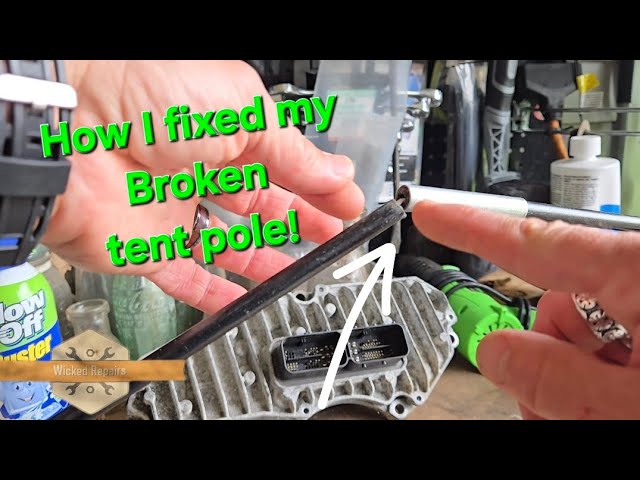
Imagine you’re all set for your camping trip, but then you find a broken tent pole. It’s frustrating, right?
Don’t let a simple break ruin your outdoor adventure. You can fix that pole yourself quickly and easily. In this guide, you’ll learn step-by-step how to repair your broken tent pole, save money, and get back to enjoying nature without hassle.
Keep reading—you’ll be surprised how simple it is to make your tent as good as new.
Common Tent Pole Breaks
Tent poles often break in certain spots. Knowing these spots helps you fix them fast.
This guide explains common types of tent poles and where they usually get damaged.
Types Of Tent Poles
Tent poles come in three main materials: aluminum, fiberglass, and carbon fiber. Each has its weak points.
- Aluminum Poles:Strong but can bend or crack under pressure.
- Fiberglass Poles:Flexible but break easily in sharp bends.
- Carbon Fiber Poles:Light and stiff but can snap suddenly.
Knowing your pole type helps you choose the right repair method.
Typical Damage Points
Most pole damage happens at joints and bends. These areas get the most stress during use.
| Damage Point | Description | Common Issue |
| Shock Cord Area | Inside the pole segments | Broken or stretched cord |
| Pole Joints | Connection points between segments | Cracks or breaks |
| Pole Ends | Tips that fit into tent grommets | Splintering or bending |
| Bends and Curves | Areas where poles curve | Stress fractures or breaks |
Fixing these points quickly keeps your tent usable and safe.

Credit: www.reddit.com
Essential Repair Tools
Fixing a broken tent pole needs the right tools. Carrying these helps you repair your tent fast.
Knowing what to bring makes outdoor repairs easier and keeps your camping trip safe.
Basic Gear For Quick Fixes
Basic tools help you fix common tent pole problems. Keep these items in your repair kit.
- Strong tape like duct tape or electrical tape
- Splints or small sticks to support broken sections
- Elastic cord or shock cord for binding poles
- Small scissors or a knife for cutting materials
- Replacement pole sections or tent pole repair sleeves
Materials To Carry Outdoors
These materials help you fix poles and other gear while outside. Choose light and useful items.
| Material | Purpose | Notes |
| Duct Tape | Hold broken parts together | Waterproof and strong |
| Shock Cord | Replace or tie pole sections | Stretchy and durable |
| Splints | Reinforce weak or broken poles | Use wood or plastic strips |
| Knife or Scissors | Cut tape and cord | Small and sharp |
| Replacement Poles | Swap out damaged pole parts | Match your tent model |
Temporary Pole Repairs
Broken tent poles can stop your camping trip quickly. You need fast fixes to keep your tent standing.
Temporary pole repairs help you stay safe and dry until you find a permanent fix.
Using Duct Tape And Splints
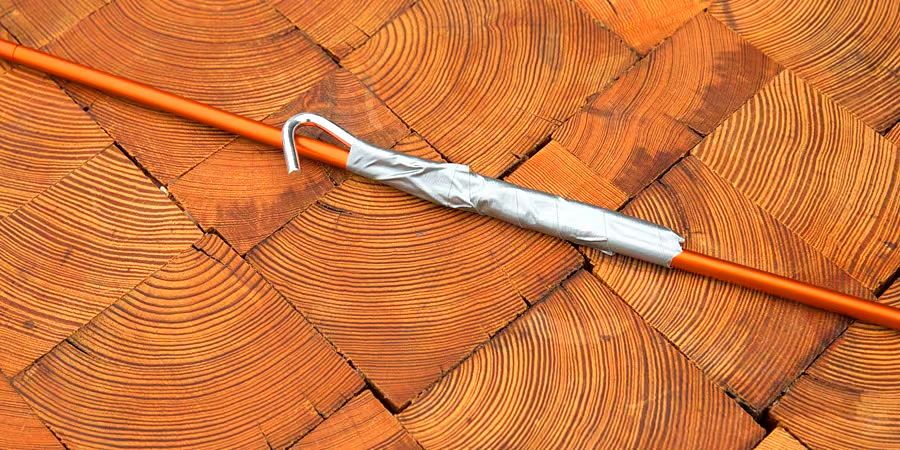
Duct tape is strong and sticky. It can hold broken tent poles together for a short time.
Adding a splint, like a thin stick or metal strip, makes the repair stronger. Attach the splint with duct tape around the break.
- Align the broken pole ends tightly.
- Place the splint along the break.
- Wrap duct tape around the splint and pole.
- Use several layers of tape for strength.
Replacing Sections With Tent Stakes
If a pole section breaks, you can swap it with a tent stake. Stakes are often metal and fit inside pole joints.
Use stakes that match the pole diameter. This keeps your tent stable until you get a new pole section.
- Remove the broken pole part carefully.
- Insert a tent stake where the section broke.
- Check the fit to avoid wobbling.
- Secure the stake with tape if needed.
Employing Fiberglass Rods
Fiberglass rods are flexible and strong. They work well to replace broken tent pole pieces.
Cut the fiberglass rod to the right length. Insert it into the pole end to act as a new section.
- Measure the broken pole length.
- Cut a fiberglass rod to match.
- Insert the rod inside the pole ends.
- Use tape to hold the rod in place firmly.
Credit: www.pomoly.com
Permanent Fix Techniques
Broken tent poles can stop your camping trip quickly. Fixing them permanently helps you avoid buying new poles. This guide shows you strong repair methods that last.
Use these techniques to repair poles made of aluminum, fiberglass, or carbon fiber. Each method depends on the type of break and available tools.
Epoxy And Glue Bonding
Epoxy resins and strong glues can join broken pole parts. They create a solid bond that holds under tension and bending.
- Clean the broken ends to remove dirt and oils.
- Mix the epoxy resin as per instructions.
- Apply the epoxy to both broken ends evenly.
- Join the parts and hold them straight.
- Let the epoxy cure for the recommended time.
Pole Sleeve Replacements
If a pole section is cracked or too weak, use a sleeve replacement. A sleeve is a tube that fits over the broken part to hold it firmly.
| Material | Recommended Sleeve Type | Notes |
|---|---|---|
| Aluminum | Aluminum or steel tube | Match diameter closely for tight fit |
| Fiberglass | Fiberglass or PVC pipe | Sand inside to roughen for glue |
| Carbon Fiber | Carbon fiber wrap or sleeve | Use epoxy resin for bonding |
Cut the sleeve slightly longer than the break area. Slide it over the broken section. Use epoxy or strong glue inside the sleeve for extra hold.
Using Replacement Kits
Replacement kits include new pole sections and connectors. Use kits when the pole is too damaged for glue or sleeves.
- Remove the broken section from the tent frame.
- Match the new section size and type from the kit.
- Insert new connectors or ferrules as needed.
- Attach new sections firmly to existing pole parts.
- Test the pole for strength before camping.
Preventing Future Breaks
Fixing a broken tent pole is only part of the job. You must also prevent it from breaking again.
Simple habits and care can keep your poles strong and reliable for many trips.
Proper Tent Setup
Setting up your tent carefully avoids putting too much stress on the poles. Always follow the instructions and spread tension evenly.
- Choose flat ground free of rocks and sticks.
- Insert poles gently without forcing them into place.
- Use guy lines to balance the tent and reduce pole strain.
- Do not over-tighten the tent fabric around the poles.
- Check pole sections connect smoothly before assembling.
Storage Tips For Poles
Proper storage stops poles from bending or weakening. Keep them dry and safe after every trip.
| Storage Tip | Reason |
| Dry poles before storing | Prevents rust and mold |
| Store poles in a soft bag | Protects from scratches and dents |
| Keep poles away from heat | Avoids warping and damage |
| Do not store poles bent | Maintains pole shape and strength |
Regular Maintenance Checks
Check your poles often for cracks, loose connectors, or worn sections. Fix small problems before they worsen.
- Inspect pole joints for tight fit.
- Look for any cracks or bends along the pole.
- Clean poles with a soft cloth after use.
- Replace damaged sections promptly.
- Lubricate connectors if they feel stiff.

Credit: www.reddit.com
When To Replace Tent Poles
Tent poles hold up your tent and keep it stable. Sometimes poles break or bend. You must know when to fix or replace them.
Replacing poles at the right time keeps your tent safe and strong. It also makes camping easier and more fun.
Signs Of Irreparable Damage
Some damage to tent poles cannot be fixed. Look for these signs to know if you need new poles.
- Poles that are cracked or split deeply
- Severe bends that do not straighten out
- Broken or missing pole tips or connectors
- Rust or corrosion that weakens the metal
- Poles that snap easily even after small repairs
If you see these signs, replace the poles to avoid tent collapse or injury.
Choosing Compatible Poles
Not all tent poles fit every tent. Choose poles that match your tent’s size and style.
- Check the pole diameter and length
- Match the pole material, like aluminum or fiberglass
- Look for poles with similar connectors or tips
- Use poles designed for your tent model if possible
- Consider flexible poles for windy areas
Choosing the right poles keeps your tent strong and easy to set up.
Frequently Asked Questions
How Do I Fix A Broken Tent Pole Quickly?
Use a tent pole repair sleeve or tape to join broken sections. Insert a splint inside the pole for extra strength. This temporary fix allows you to continue camping until a permanent repair is possible.
What Materials Are Best For Repairing Tent Poles?
Fiberglass or aluminum splints and strong adhesive tapes like duct tape work well. These materials provide durability and flexibility for a sturdy repair. Always carry a repair kit on camping trips for emergencies.
Can Tent Poles Be Repaired Without Special Tools?
Yes, simple repairs can be done using duct tape, wire, or a splint from a stick. These common items can hold the pole together temporarily. For long-term fixes, proper repair kits are recommended.
How Do I Prevent Tent Pole Breakage In The Future?
Avoid forcing poles into tight spots and handle them gently during setup. Store poles properly in their sleeves and avoid exposure to extreme temperatures. Regularly inspect poles for cracks or weaknesses to prevent breaks.
Conclusion
Fixing a broken tent pole is easier than you might think. Gather your tools and follow the steps. First, identify the damage. Then, use a repair sleeve or duct tape. Ensure the pole is straight and secure. Practice these steps at home before your trip.
This saves time and stress outdoors. Remember, a well-repaired pole ensures a stable tent. Enjoy camping without worry. A little preparation goes a long way. Your tent will thank you for it. Happy camping and safe travels!