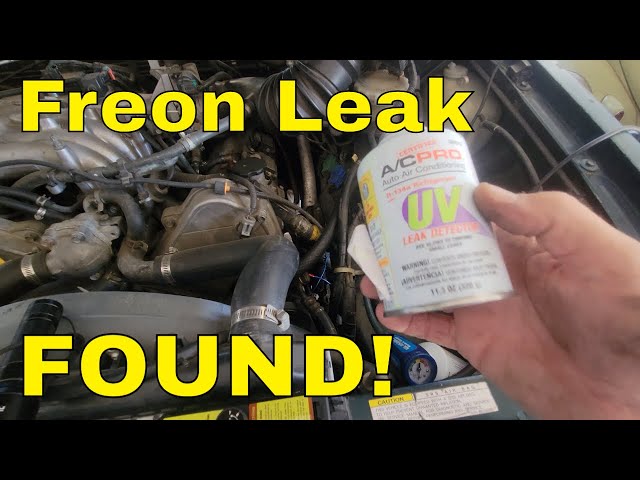
Is your car’s air conditioner blowing warm air or losing its cool too fast? A leak in your car’s AC system might be the culprit.
Fixing this leak yourself can save you time and money, and keep your drives comfortable no matter the weather. You’ll discover simple, step-by-step ways to find and repair that annoying AC leak. By the end, you’ll feel confident tackling the problem and enjoying a cool, refreshing ride again.
Ready to get started? Let’s dive in!
Signs Of An Ac Leak
A car air conditioner leak can cause many problems. It reduces cooling and wastes refrigerant. Knowing the signs helps you fix it early.
Look out for these common signs that show your AC might have a leak. Catching leaks early can save money and keep you comfortable.
Reduced Cooling Performance
Your AC may not cool the car as well as before. The air might feel warm or less cold. This means refrigerant is low due to a leak.
- Air does not get very cold
- AC takes longer to cool the car
- Cooling stops suddenly during use
Unusual Odors
Leaks can cause strange smells inside the car. You might notice a sharp or sweet smell from the AC vents. This happens when refrigerant escapes.
Visible Refrigerant Leaks
| Leak Location | Signs to Watch For |
| Hoses and Connections | Oil stains or wet spots |
| Compressor Area | Green or yellow residue |
| Condenser | Small puddles under car |
Look under the hood and under the car for wet or oily spots. Refrigerant leaks often leave visible marks.
Hissing Sounds
A leaking AC can make a hissing or bubbling noise. This sound comes from escaping refrigerant. Listen carefully near AC parts when the system is on.
Credit: www.greenwashingindex.com
Common Leak Sources
Car air conditioners can lose refrigerant through leaks. Finding the leak is important for proper repair. Some parts leak more often than others.
This guide covers common leak sources in air conditioning systems. Knowing these areas helps you fix the problem faster.
Hoses And Connections
Hoses carry refrigerant between parts of the air conditioner. Over time, hoses may crack or wear out. Connections can also loosen or get damaged.
- Check hoses for cracks or splits.
- Look for oily residue near hose ends.
- Tighten loose clamps and fittings.
- Replace hoses that show heavy wear.
Compressor Seals
The compressor uses seals to keep refrigerant inside. These seals can dry out and crack. When seals fail, refrigerant leaks at the compressor.
| Seal Location | Leak Signs |
|---|---|
| Shaft Seal | Oil around compressor shaft |
| O-rings | Oil spots near fittings |
| Valve Seals | Hissing sounds or low pressure |
Evaporator Core
The evaporator cools the air inside the car. It can develop leaks from corrosion or physical damage. Leaks here are often hard to see.
- Look for damp spots on the passenger side floor.
- Check for oily residue under the dashboard.
- Use a UV dye to find small leaks.
Condenser Damage
The condenser releases heat from the refrigerant. It sits in front of the radiator and can get damaged by debris. Bent fins or punctures cause leaks.
- Inspect the condenser for bent or broken fins.
- Look for oil stains on the surface.
- Check for physical damage from rocks or accidents.
Tools And Materials Needed
Fixing a car air conditioner leak needs the right tools and materials. Using proper items makes the job easier and safer.
This guide lists the basic tools and products you will need to find and repair leaks.
Leak Detection Dye
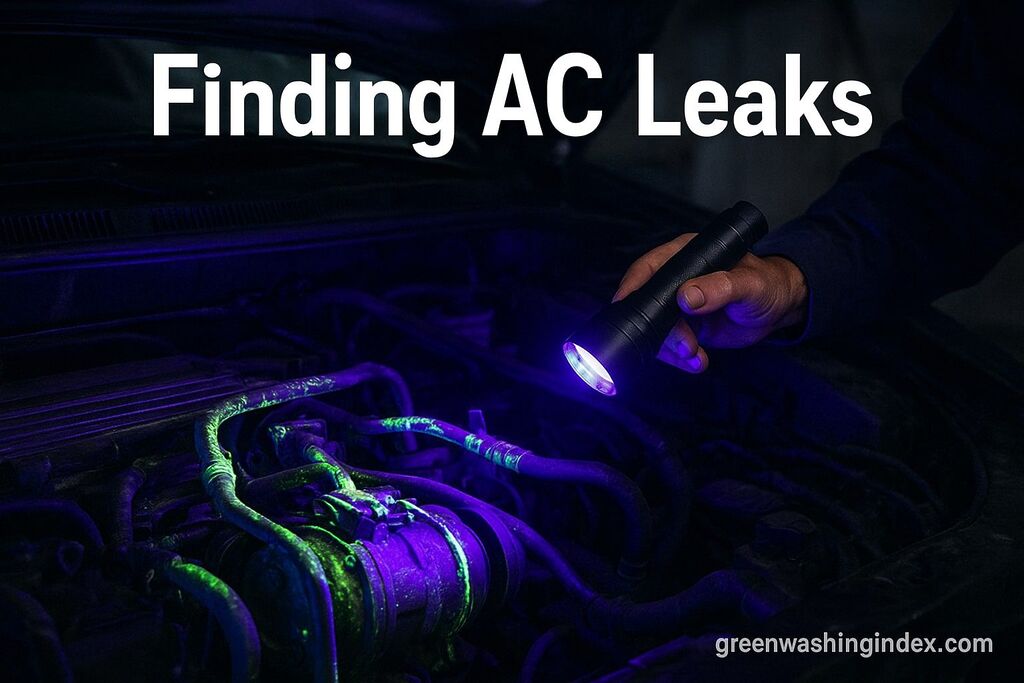
Leak detection dye helps you find where the refrigerant is escaping. The dye glows under UV light to show the leak spots.
Uv Light
A UV light is needed to see the leak detection dye clearly. It helps you spot leaks in tight or hidden areas of the air conditioner system.
- Use a UV flashlight or lamp
- Wear UV-protective glasses for safety
- Inspect all AC components carefully
Sealant Products
Sealants can fix small leaks by sealing cracks and holes. Choose a product that is compatible with your car’s AC system.
| Sealant Type | Use Case |
| Liquid Sealant | For small leaks in hoses and connections |
| Foam Sealant | For larger cracks or hard-to-reach areas |
| Spray Sealant | Easy application on external parts |
Basic Hand Tools
Basic hand tools help you open and close parts of the AC system safely. Have these ready before starting the repair.
- Screwdrivers (flat and Phillips)
- Wrenches or socket set
- Pliers
- Rags for cleaning
- Gloves to protect your hands
Credit: www.autovob.com
Step-by-step Leak Detection
Car air conditioners can lose cooling power due to leaks. Finding the leak is key to fixing it. Follow simple steps to detect leaks effectively.
This guide helps you find leaks using tools and careful checks. Each step is easy to follow for better results.
Locate The Leak Area
Start by looking under the hood for oil stains or wet spots. These signs often show where refrigerant escapes.
Check around hoses, connections, compressor, and condenser. Look for cracks or loose fittings where leaks may happen.
Use Dye And Uv Light
Add special dye to the air conditioner system. Run the car so the dye moves through the pipes and parts.
Use a UV light to scan the system. The dye glows under UV light, showing the exact leak spot clearly.
- Wear gloves and eye protection when handling dye.
- Use a UV flashlight for best visibility.
- Inspect all AC components carefully for glowing dye.
Check Pressure Levels
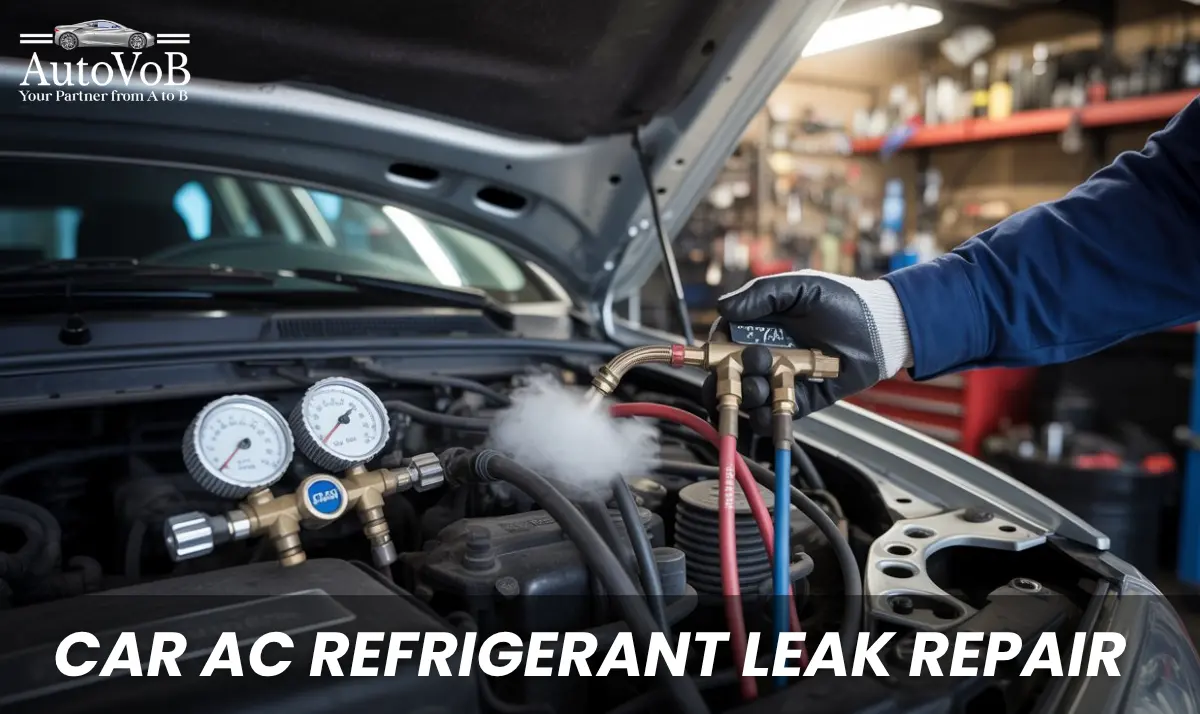
Connect a pressure gauge to the AC system. Compare the reading to the normal pressure range for your car.
Low pressure often means a leak. High pressure may show a blockage or compressor issue. Use these clues to guide your repair.
- Check the pressure when the system is off and on.
- Look for sudden drops in pressure over time.
- Use the car manual to find the correct pressure values.
Quick Fixes For Minor Leaks
Car air conditioner leaks can reduce cooling power. You can fix small leaks quickly with simple methods. These fixes save time and money before getting professional help.
Minor leaks often come from loose parts or worn seals. Here are easy ways to repair them at home.
Applying Sealant
Sealants help close tiny holes in AC lines or hoses. Use a sealant made for automotive air conditioners. Follow the product instructions carefully.
- Clean the area around the leak.
- Shake the sealant container well.
- Apply the sealant to the leaking spot.
- Run the AC to spread the sealant inside the system.
- Check for leaks again after some time.
Tightening Connections
Loose fittings or clamps cause leaks at joints and pipes. Tightening these connections can stop leaks fast. Use the right tools and avoid overtightening.
| Tool | Use | Tip |
| Wrench | Tighten nuts and bolts | Turn clockwise gently |
| Screwdriver | Secure hose clamps | Check for rust before use |
| Pliers | Hold small parts | Grip firmly but not tightly |
Replacing O-rings
O-rings seal connections in the AC system. Old or damaged O-rings cause leaks. Replace them with new ones of the same size and material.
- Locate the leaking connection.
- Remove the old O-ring carefully.
- Clean the groove where the O-ring sits.
- Lubricate the new O-ring lightly with refrigerant oil.
- Place the new O-ring and reassemble the parts.
- Test the system for leaks after repair.
When To Replace Components
Car air conditioners can leak due to worn parts. Knowing when to replace components saves time and money. This guide helps you spot key signs for repairs.
Replacing parts early can stop leaks from getting worse. Check these common areas for damage and failure.
Compressor Issues
The compressor moves refrigerant through the air conditioner. If it leaks or fails, cooling stops. Replace the compressor if you notice these problems:
- Loud noises or grinding sounds during operation
- Visible oil or refrigerant leaks around the compressor
- AC blows warm air despite sufficient refrigerant
- Compressor clutch does not engage
Damaged Hoses
Hoses carry refrigerant between parts. Cracks, holes, or loose fittings cause leaks. Replace hoses if you see:
| Damage Type | Signs to Watch For |
| Cracks | Visible splits or brittleness |
| Holes | Refrigerant or oil spots near hose |
| Loose Fittings | Hissing sounds or refrigerant smell |
Faulty Condenser Or Evaporator
The condenser and evaporator cool the air. Damage or corrosion can cause leaks. Replace these parts if you find:
- Corrosion or rust on surface
- Physical damage like dents or punctures
- Poor cooling performance after recharge
- Visible moisture or oil stains nearby
Recharging The Ac System
Recharging your car’s air conditioner helps restore cooling power. It fills the system with the right amount of refrigerant.
Proper recharging prevents damage and keeps the AC running efficiently.
Choosing The Right Refrigerant
Use the refrigerant type recommended by your car maker. Check the owner’s manual or the label under the hood.
- R-134a is common in older cars.
- R-1234yf is used in newer models.
- Never mix different refrigerants.
- Use a certified refrigerant with proper labels.
Safe Recharge Procedures
Follow these safe steps to recharge your AC system:
- Wear safety glasses and gloves.
- Locate the low-pressure service port on the AC system.
- Attach the recharge hose and gauge set securely.
- Start the engine and turn on the AC to the highest cool setting.
- Slowly add refrigerant while watching the pressure gauge.
- Stop adding when the pressure reaches the recommended level.
- Disconnect the recharge equipment carefully.
Post-recharge Testing
| Test | What to Check |
| Cool Air Temperature | Should feel cold within minutes. |
| Pressure Gauge | Pressure must stay steady in normal range. |
| Leaks | Inspect hoses and fittings for signs of leaks. |
| Compressor Sound | Listen for smooth running without noise. |
Perform these tests to confirm your AC system works well after recharge.
Preventing Future Leaks
Fixing a car air conditioner leak is only part of the job. Preventing new leaks saves money and keeps you comfortable. Taking good care of your AC system helps it last longer and work better.
Here are key ways to avoid future leaks in your car’s air conditioner system.
Regular Maintenance Tips
Keeping your car’s AC system well maintained prevents leaks and other problems. Check parts often and replace worn items early.
- Inspect hoses and connections for cracks or damage.
- Clean the condenser regularly to remove dirt and debris.
- Replace the cabin air filter every 12,000 miles or as needed.
- Keep refrigerant levels in check to avoid system strain.
- Lubricate seals and O-rings to keep them flexible.
Proper Usage Habits
How you use your car’s air conditioner affects its health. Avoid actions that strain the system or cause damage.
| Good Habit | Reason |
| Turn off AC before shutting the engine | Prevents pressure buildup that can cause leaks |
| Use recirculation mode wisely | Reduces moisture and protects seals |
| Avoid running AC at max cooling for long periods | Keeps system parts from overheating and wearing out |
| Park in shade or garage | Reduces heat stress on AC components |
Professional Inspections
Regular inspections by a trained mechanic find small leaks before they grow. Professionals use special tools to check the whole AC system.
- Check refrigerant pressure and levels
- Examine compressor and clutch function
- Inspect evaporator and condenser for damage
- Test system for leaks using UV dye or electronic detectors
- Evaluate electrical connections and switches

Credit: www.youtube.com
Frequently Asked Questions
How Do I Find A Leak In My Car Air Conditioner?
To find a leak, inspect hoses, connections, and compressor for oil residue. Use UV dye or electronic leak detectors for accuracy. Check for unusual hissing sounds or reduced cooling performance as signs of leaks.
What Tools Are Needed To Repair Ac Leaks In Cars?
Essential tools include a UV leak detector, refrigerant recharge kit, wrenches, and sealant. A vacuum pump and manifold gauge set help evacuate and refill refrigerant safely. Proper tools ensure effective and safe repair.
Can I Fix A Car Ac Leak Without Professional Help?
Minor leaks can be fixed using a DIY sealant and recharge kit. However, large leaks or compressor damage require professional repair to avoid further issues. Always follow safety guidelines and vehicle manufacturer instructions.
How Much Does It Cost To Repair A Car Ac Leak?
Repair costs vary from $50 for sealant kits to $300+ for major repairs. Labor charges depend on the mechanic and region. Early leak detection can reduce overall repair expenses significantly.
Conclusion
Fixing a car air conditioner leak can be simple. Start by identifying the leak’s source. Use a UV light to spot leaks easily. Ensure you have the right tools and materials. Seal the leak with a proper sealant. Recharge the system with refrigerant to restore cooling.
Regular maintenance helps prevent future issues. Safety is crucial, so wear protective gear. Consult a professional if unsure. With these steps, keep your car cool and comfortable. Always monitor for leaks and act quickly. Stay informed, and enjoy a trouble-free ride.