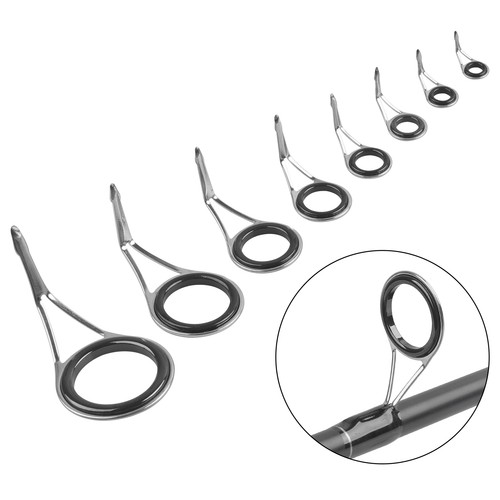
Have you ever been out fishing when suddenly your rod’s eye breaks or bends? It’s frustrating and can ruin your whole trip.
But don’t worry—fixing your fishing rod eyes is easier than you think. With a few simple steps, you can bring your rod back to life and save money on replacements. In this guide, you’ll learn exactly how to repair your fishing rod eyes quickly and effectively, so you’re ready for your next catch.
Keep reading to discover the tricks that will make your fishing rod as good as new.
Identifying Damaged Rod Eyes
Fishing rod eyes, also called guides, help the line move smoothly. Checking them often keeps your rod working well.
Damaged rod eyes can cause line breaks or poor casting. It is important to find problems early.
Common Signs Of Wear And Tear
Rod eyes can show wear from use or accidents. Look closely for these signs to spot damage.
- Cracks or chips on the guide rings
- Rust or corrosion on metal parts
- Loose or bent eye frames
- Rough or sharp edges on the rings
- Missing or broken inserts inside the eyes
Any of these signs can harm your fishing line. Fix or replace damaged rod eyes to protect your gear.
Tools To Inspect Rod Guides
Using the right tools helps find small problems on rod eyes. These tools make inspection easier and more accurate.
- A bright flashlight to see cracks and chips clearly
- A magnifying glass to check fine details on the rings
- A soft cloth to clean dirt and see damage better
- A small mirror to view hard-to-see angles
- A thin needle or toothpick to feel for rough edges
Inspect rod eyes in good light and clean them first. Use these tools to find damage that is hard to spot with the naked eye.
Choosing Replacement Rod Eyes
Fishing rod eyes, or guides, help line flow smoothly while casting. Choosing the right replacement eyes is important for good fishing.
Picking the correct rod eyes keeps your rod strong and improves your fishing experience.
Types Of Rod Guides
Rod guides come in many types based on their shape and material. Each type suits different fishing styles and rod types.
- Single-foot guides: Simple and light, used for light rods
- Double-foot guides: Stronger, fit heavy rods
- Spinning guides: Large rings, good for spinning reels
- Baitcasting guides: Smaller rings, designed for baitcasting reels
- Tip-top guides: The smallest, placed at the rod tip
Matching Size And Material
Replacement rod eyes must match the size of your old guides. Too big or small guides affect casting and line wear.
Materials also matter. Choose guides made from materials that resist corrosion and fit your fishing needs.
- Stainless steel: Durable and rust-resistant
- SIC (silicon carbide): Smooth surface, good for braided lines
- Aluminum oxide: Affordable and strong
- Titanium: Lightweight and very strong
Preparing The Fishing Rod
Fixing the fishing rod eyes starts with good preparation. Proper care makes the repair easier and longer lasting.
Take time to prepare the rod well. This helps you avoid damage and makes the new guides fit better.
Removing Old Guides Safely
Old guides must be taken off carefully to avoid hurting the rod. Use the right tools and gentle moves.
Heat the guide wraps lightly with a heat gun or hair dryer. This softens the glue and makes removal easier.
- Use a sharp blade to cut the thread wraps carefully
- Lift the guide gently without bending the rod
- Remove leftover glue by softening it with heat
- Work slowly to avoid scratching the rod surface
Cleaning The Rod Surface
Cleaning the rod surface is key before adding new guides. Dirt or old glue can stop new glue from sticking well.
Use a soft cloth and mild rubbing alcohol to clean the area. This removes oils and residue without harming the rod.
- Wipe the rod surface gently but thoroughly
- Remove all old glue spots and thread bits
- Let the rod dry fully before attaching new guides
- Inspect the rod for cracks or damage during cleaning

Credit: www.amazon.com
Step-by-step Guide To Repair
Fishing rod eyes are small rings that guide the fishing line. If they break or bend, you can fix them yourself. This guide shows how to repair them in easy steps.
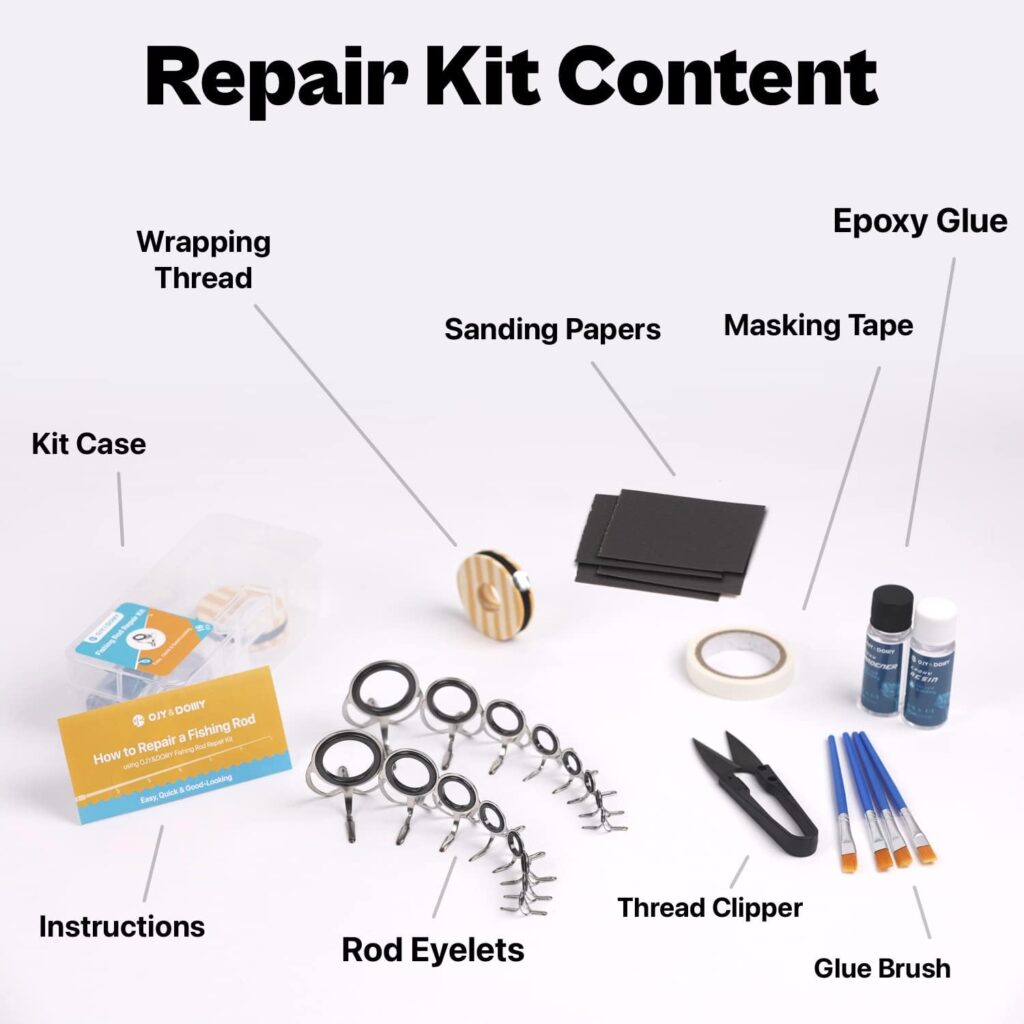
Follow each step carefully to make sure your rod works well and lasts longer. You will need some tools and materials before you start.
Aligning New Rod Eyes
First, remove the old or damaged rod eye. Clean the rod tip where the new eye will go. Then, slide the new rod eye onto the rod.
- Check that the new eye matches the size of the old one.
- Line up the new eye with the other eyes on the rod.
- Make sure all eyes form a straight line along the rod.
- Adjust the position before securing the eye.
Securing With Thread Wraps
Use strong thread to wrap the foot of the new rod eye tightly. This holds the eye in place and adds strength.
| Material | Purpose |
|---|---|
| Nylon Thread | Wraps around rod eye foot |
| Scissors | Cut the thread |
| Rod | Base for wrapping |
Wrap the thread evenly and tightly. Tie a secure knot when done. Trim any extra thread close to the knot to keep it neat.
Applying Epoxy Coating
Cover the thread wraps with epoxy to protect and hold them. Use a small brush to apply the epoxy smoothly.
- Mix the epoxy according to instructions.
- Apply a thin coat over the thread wraps.
- Check for any gaps or bubbles.
- Let it dry completely before using the rod.
Drying And Finishing Tips
Fixing fishing rod eyes needs careful drying and finishing. These steps protect the repair and make the rod last longer.
Proper drying stops the glue or epoxy from cracking. Finishing makes the rod smooth and ready to use.
Proper Curing Time
After fixing the rod eye, let the glue or epoxy cure fully. Rushing this can weaken the bond and cause damage.
Keep the rod still in a dry place. Avoid touching or moving the repair during this time.
- Check the glue instructions for exact curing time.
- Usually, curing takes 24 to 48 hours.
- Longer curing gives stronger repairs.
- Keep away from moisture and heat while curing.
Sanding And Polishing
Once cured, sand the repair area gently. This removes rough edges and old glue spots.
Use fine sandpaper to avoid scratching the rod. Sand until the surface feels smooth to touch.
- Start with 400-grit sandpaper for rough spots.
- Finish with 800 to 1000-grit for smoothness.
- Use a soft cloth to polish the area after sanding.
- Polishing restores shine and protects the rod.

Credit: www.youtube.com
Maintaining Rod Eyes For Longevity
Fishing rod eyes guide the fishing line and help catch fish smoothly. Keeping them in good shape makes your rod last longer.
Damaged rod eyes can cause line breaks and poor casting. Taking care of them saves money and time.
Regular Inspection Routine
Check your rod eyes after every fishing trip. Look for cracks, rust, or bends that can harm the line.
Use a soft cloth and a small light to see inside the rings. Feel for any rough spots with your finger.
- Look for cracks or chips on the rings
- Check if the frame is bent or loose
- Feel for rough edges or rust spots
- Make sure the eyes are firmly attached to the rod
Preventing Future Damage
Store your fishing rod in a safe place to avoid damage. Use rod covers or cases when not fishing.
Clean rod eyes with fresh water after saltwater use. Dry them fully to stop rust and corrosion.
- Avoid dropping or banging the rod
- Use protective covers for transport and storage
- Clean eyes with mild soap and water regularly
- Dry rod eyes well before storing
Credit: collegeofems.com
Frequently Asked Questions
How Do I Identify A Damaged Fishing Rod Eye?
Check for cracks, bends, or missing inserts in the eye. These signs indicate damage that affects casting and line movement.
What Tools Are Needed To Repair Fishing Rod Eyes?
You need replacement guides, epoxy glue, sandpaper, a heat gun, and a small screwdriver for a proper repair.
Can I Fix Fishing Rod Eyes Without Removing The Old Guide?
It’s best to remove the old guide to ensure a secure fit and prevent damage to the rod blank.
How Long Does It Take To Repair Fishing Rod Eyes?
Repairs typically take 30 to 60 minutes, depending on your experience and the rod’s condition.
Conclusion
Repairing fishing rod eyes keeps your gear in good shape. Small fixes save money and extend rod life. Follow simple steps to fix cracks or breaks. Use the right tools and materials for best results. A well-maintained rod improves your fishing experience.
Check your rod eyes often to avoid bigger problems. Taking care of your equipment helps you fish longer. Try these tips next time your rod eyes need repair. Stay patient and careful for a smooth repair process. Your fishing trips will be more enjoyable with strong rod eyes.