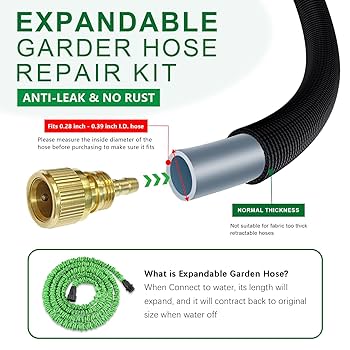
Is your garden hose leaking or damaged? Don’t rush to buy a new one just yet.
You can fix it yourself quickly and save money. Imagine turning your broken hose into a fully working tool again in no time. In this guide, you’ll discover simple steps that anyone can follow to repair your garden hose. Keep reading, and you’ll learn easy tricks to make your hose last longer and keep your garden thriving.
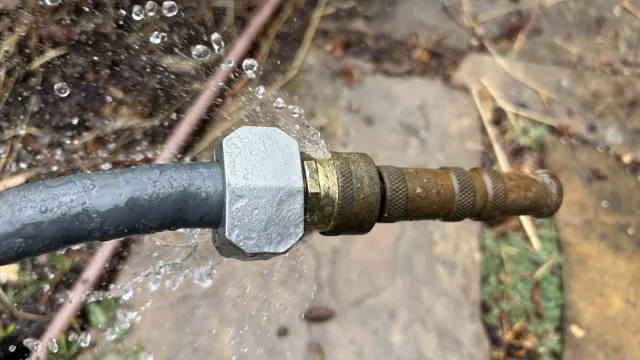
Credit: ucanr.edu
Common Hose Problems
Garden hoses often face damage from daily use and weather. Fixing problems early can save money and keep watering easy.
Knowing common hose issues helps you repair them quickly. This guide covers leaks, cracks, and damaged parts.
Leaks And Punctures
Leaks happen when holes or small cuts appear in the hose. Punctures can cause water to spray out and reduce pressure.
Most leaks are easy to fix with patch kits or tape made for hoses. Clean the area first, then apply the patch tightly.
- Find the leak by turning on water and watching for sprays
- Dry and clean the hose surface around the hole
- Use a rubber patch or waterproof tape to seal the puncture
- Let the patch set before using the hose again
Cracks And Splits
Cracks and splits happen from sun damage or freezing weather. They make the hose weak and can cause leaks.
Small cracks can be fixed with strong tape or hose repair kits. Large splits might need a hose replacement or cutting out the damaged part.
- Check your hose regularly for cracks
- Cover small cracks with waterproof tape
- Use hose mender fittings to replace split sections
- Store hose away from sun and cold to prevent damage
Damaged Couplings
Couplings connect the hose to faucets or sprinklers. Damaged couplings cause leaks or loose connections.
Replace damaged couplings by cutting off the old one and attaching a new fitting with a hose clamp or quick connector.
- Turn off water before removing old coupling
- Cut the hose clean and straight where the coupling was
- Insert new coupling and tighten the clamp firmly
- Test the connection for leaks before use
Tools And Materials Needed
Fixing a garden hose is easy if you have the right tools and materials. This guide covers what you need to repair leaks or breaks.
Gathering these items before you start saves time and helps you complete the repair smoothly.
Essential Repair Kits
Garden hose repair kits include parts designed to fix common problems. They often come with connectors, washers, and clamps.
- Hose mender or connector
- Replacement washers
- Hose clamps
- Utility knife or scissors
- Screwdriver or wrench
- Sandpaper or cloth for cleaning
Diy Household Items
You can also use common household items for quick fixes. These can work well if you don’t have a repair kit handy.
| Item | Use |
| Electrical tape | Wrap small leaks temporarily |
| Zip ties | Secure loose sections |
| Plastic tubing | Replace short damaged parts |
| Scissors | Cut damaged hose ends cleanly |
| Rubber bands | Hold patches in place |
Fixing Small Leaks
Garden hoses can develop small leaks over time. Fixing these leaks is easy with the right tools. This guide will help you repair your garden hose quickly.
Learn how to use tape and sealants or apply rubber patches to stop leaks. These methods are simple and effective for most garden hoses.
Using Tape And Sealants
Tape and sealants are great for fixing small holes in hoses. They are easy to use and provide a strong seal to stop water from leaking.
Start by cleaning the area around the leak. Wrap waterproof tape tightly around the leak. For extra security, apply a sealant over the tape. Let it dry before using the hose.
- Clean the area first
- Wrap tape tightly
- Apply sealant if needed
- Let it dry completely
Applying Rubber Patches
Rubber patches are another option for fixing leaks. They work well on larger holes and provide a durable repair solution.
First, cut a rubber patch to fit the size of the leak. Use adhesive to secure the patch over the hole. Press firmly and let the adhesive set. This method creates a long-lasting seal.
| Cut patch to size |
| Use adhesive to attach |
| Press firmly on the patch |
| Allow adhesive to set |
Repairing Large Cracks
Large cracks in a garden hose can stop water flow and waste water. Fixing these cracks helps extend the hose life. There are simple methods to repair or replace damaged sections.
This guide covers two ways to fix large cracks: replacing hose sections and using hose menders. Both options are easy and save money.
Replacing Hose Sections
Cut out the cracked part of the hose and insert a new hose piece. This restores the hose’s function without buying a new one.
- Turn off water and drain the hose.
- Use a sharp knife or scissors to cut out the damaged section.
- Get a new hose section that matches your hose diameter.
- Attach the new section using hose connectors on both ends.
- Tighten clamps around the connectors to prevent leaks.
- Test the hose by turning on the water slowly.
Using Hose Menders
Hose menders join two parts of a hose. They are quick to use and work well for fixing large cracks.
| Tool | Purpose | How to Use |
| Hose Mender | Connects hose parts | Insert hose ends onto mender and secure with clamps |
| Clamp | Keeps hose tight on mender | Tighten around hose and mender to stop leaks |
| Scissors or Knife | Cut damaged hose | Trim cracked section before mending |
Fixing Broken Couplings
Garden hoses often break at the couplings. Fixing these parts can save you money. You do not need special tools for this repair.
Replacing old or damaged couplings will make your hose work like new. This guide shows how to remove old couplings and install new connectors.
Removing Old Couplings
Start by cutting off the damaged coupling with a sharp knife or scissors. Make sure the cut is clean and straight.
Remove any leftover pieces inside the hose end. You can use pliers to pull out old connectors or debris.
- Cut the hose about 1 inch from the broken coupling
- Clear out any old rubber or plastic pieces
- Check the hose end for cracks or damage
Installing New Connectors
Slide the new connector onto the hose end. Push it firmly to ensure a tight fit.
Tighten the connector’s clamp or screw to hold it in place. Test the hose by turning on water to check for leaks.
- Choose a connector that fits your hose size
- Push the connector fully onto the hose
- Tighten clamps or screws securely
- Turn on water and watch for leaks

Credit: www.youtube.com
Preventive Care Tips
Taking care of your garden hose helps it last longer. Small actions can stop leaks and cracks.
Preventive care saves money and keeps your garden working well. Learn how to store and maintain your hose.
Proper Storage Methods
Store your garden hose in a cool, dry place. Avoid leaving it in direct sunlight or freezing weather.
Keep the hose coiled loosely to prevent kinks. Use a hose reel or hanger to keep it off the ground.
- Drain water before storing to stop mold and cracks
- Avoid sharp bends that can weaken the hose
- Use a cover if you store the hose outside
- Do not drag the hose over rough surfaces
Regular Maintenance
Check your hose often for small leaks or worn spots. Fix problems early to avoid bigger damage.
Clean the hose and fittings regularly. Dirt and debris can cause blockages and wear down the hose.
- Inspect connectors and tighten loose parts
- Replace washers if water leaks at joints
- Use soapy water to find leaks by looking for bubbles
- Flush the hose with clean water after use

Credit: www.familyhandyman.com
Frequently Asked Questions
How Do I Fix A Leaking Garden Hose?
To fix a leaking garden hose, first locate the leak. Cut out the damaged section. Use a hose repair kit or connector to join the ends securely. Tighten clamps and test for leaks before use.
Can I Repair A Punctured Garden Hose At Home?
Yes, you can repair a punctured garden hose at home. Use a hose patch kit or waterproof tape. Ensure the area is clean and dry before applying the patch to prevent further leaks.
What Tools Do I Need To Repair A Garden Hose?
Common tools include a utility knife, hose repair kit, hose clamps, and pliers. These help cut damaged sections and securely connect hose parts for effective repair.
How Long Does A Garden Hose Repair Usually Last?
A proper garden hose repair can last several months to years. Longevity depends on repair quality, hose material, and usage conditions. Regular checks help maintain hose integrity.
Conclusion
Repairing a garden hose saves money and time. Small leaks or cracks do not mean the hose is useless. With basic tools and simple steps, you can fix it yourself. This keeps your garden healthy and your watering routine easy.
Regular care helps the hose last longer. Try these tips next time your hose breaks. Gardening stays fun without extra costs or hassle. A working hose makes watering plants a breeze. Easy repairs keep your garden green and growing.