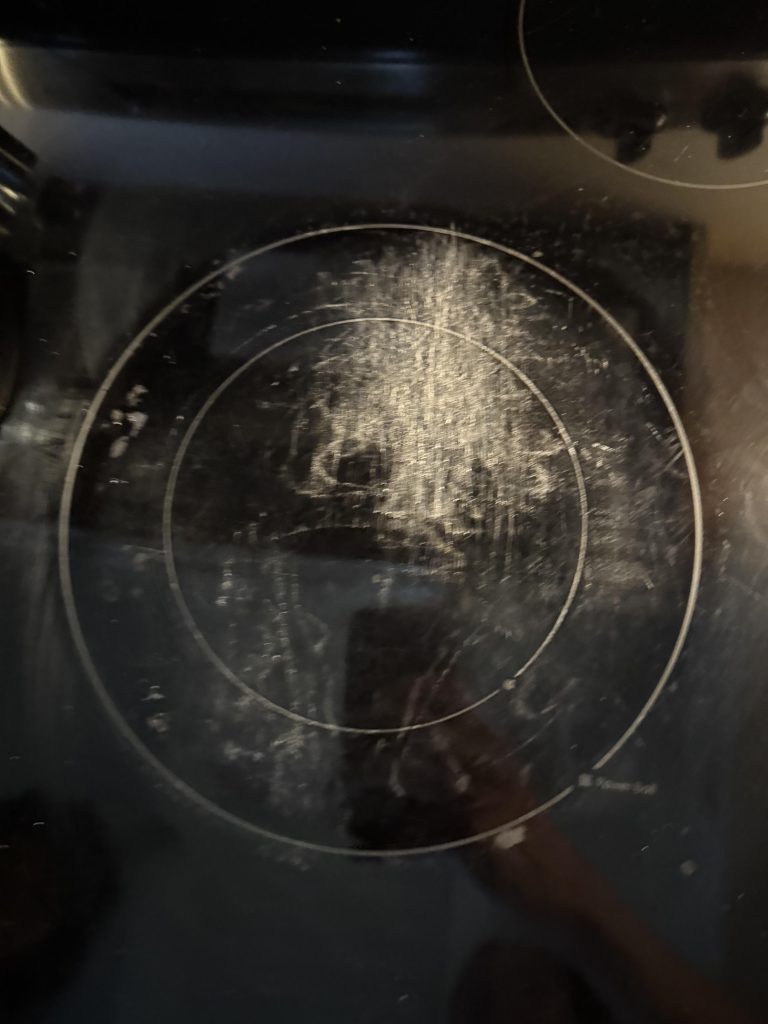
Is your beautiful glass cooktop marred by unsightly scratches? You’re not alone.
Many homeowners face this issue, and the good news is you don’t have to live with it. Imagine restoring your cooktop to its pristine glory, just like the day you first installed it. In this guide, we’re diving into simple yet effective methods to repair those pesky scratches on your glass cooktop.
Whether you’re dealing with a few minor scuffs or deeper marks, you’ll discover practical solutions that can make a real difference. Stick around to uncover the secrets to a flawless finish, and get ready to transform your kitchen’s focal point back to its shining best.
Identify Scratch Types
Before repairing a scratched glass cooktop, it is important to identify the type of scratch. This helps choose the right repair method and tools. Scratches can be shallow or deep, each requiring different care. Understanding these types prevents further damage and improves the repair outcome.
Surface Scratches
Surface scratches are light marks on the glass top. They often appear as small lines or scuffs. These scratches do not penetrate the glass deeply. Usually, they affect only the outer layer of the cooktop.
Surface scratches are easier to fix. Gentle cleaning and polishing can remove or reduce them. These scratches do not affect the cooktop’s function or safety.
Deep Scratches
Deep scratches cut into the glass surface. They are visible as grooves or cracks. Deep scratches may weaken the cooktop’s structure. These scratches can cause more serious problems if left untreated.
Repairing deep scratches requires special care. It may involve filling or professional help. Ignoring deep scratches can lead to cracks or breakage.
Credit: www.amazon.ca
Gather Necessary Materials
Before you dive into fixing those scratches on your glass cooktop, gathering the right materials is key. Having everything ready not only speeds up the process but also ensures you don’t end up causing more damage. Let’s look at what you’ll need to get started confidently.
Cleaning Supplies
Start with cleaning supplies to prepare the surface for repair. You’ll want a gentle glass cleaner or a mixture of mild dish soap and warm water to remove grease and dirt.
Use a soft cloth or non-abrasive sponge to avoid adding more scratches. Don’t forget to dry the cooktop completely before moving on—that little step makes a big difference.
Repair Kits
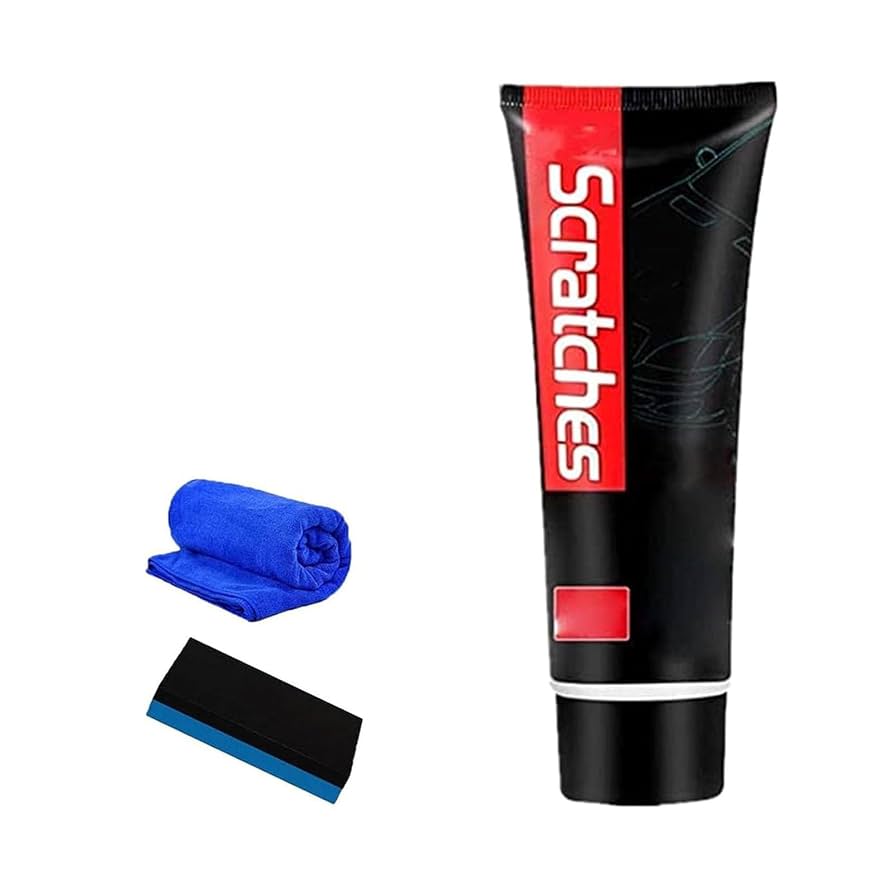
Investing in a good repair kit designed for glass cooktops can save you time and frustration. These kits usually include a polishing compound, a buffing pad, and sometimes a filler for deeper scratches.
Check the kit’s instructions to make sure it matches your cooktop’s material. Have you ever tried using a regular polishing agent only to find it made things worse? That’s why the right kit matters.
Protective Gear
Don’t overlook protective gear to keep yourself safe throughout the repair. Safety glasses protect your eyes from dust and tiny glass particles during polishing.
Wearing gloves is also smart to avoid skin irritation from chemicals in the repair compounds. Staying safe means you can focus fully on the repair without distractions.
Clean The Cooktop
Cleaning your glass cooktop thoroughly before attempting any scratch repair is crucial. Dirt, grease, and leftover food particles can interfere with the repair process and make scratches look worse. Taking time to clean ensures you have a clear view of the damage and helps the repair products adhere better.
Remove Debris
Start by removing all loose debris from the surface. Use a soft cloth or a microfiber towel to wipe away crumbs, dust, and any burnt-on food. Avoid abrasive scrubbers that can cause more scratches.
If you notice stubborn spots, dampen the cloth slightly with warm water and a few drops of mild dish soap. Gently rub the area until it’s clean but don’t saturate the surface. Have you ever tried repairing scratches only to find dust still trapped underneath? That’s why this step can’t be skipped.
Dry The Surface
After cleaning, it’s important to dry the cooktop completely. Any moisture left behind can dilute repair compounds or cause streaks. Use a dry microfiber cloth to wipe the surface thoroughly, paying close attention to corners and edges.
Air drying can leave water spots that might be mistaken for scratches, so don’t rely on it alone. A fully dry cooktop ensures your repair work starts on a clean and stable base, improving the final look.

Credit: www.amazon.ca
Apply Scratch Repair Methods
Applying scratch repair methods on your glass cooktop can make a visible difference. These techniques help restore the smooth surface and keep your kitchen looking neat. Let’s look at some easy ways to reduce those annoying scratches without spending a fortune.
Use Toothpaste For Light Scratches
Toothpaste isn’t just for your teeth—it can gently buff out light scratches on your cooktop. Use a non-gel toothpaste and apply a small amount to a soft cloth.
Rub the scratched area in a circular motion for a few minutes. Then, wipe away the residue with a damp cloth and check if the scratch has faded. It’s simple, safe, and something you probably already have at home.
Buff With Baking Soda Paste
Baking soda creates a mild abrasive paste that can help smooth out scratches. Mix baking soda with water until you get a thick paste.
Apply it to the scratch using a soft cloth and gently buff in circular motions. After a few minutes, wipe it clean with a damp cloth. This method is especially useful if toothpaste alone didn’t do the trick.
Try Cerium Oxide Polish
Cerium oxide is a professional-grade polishing compound often used for glass repairs. You can find it online or at specialty stores.
Mix cerium oxide with water to form a paste, then apply it to the scratch with a felt polishing pad. Use a drill with a polishing attachment or buff by hand carefully. It requires more effort but often delivers the best results for deeper scratches.
Polish The Surface
Polishing the surface of your scratched glass cooktop can bring back its shine and smoothness. This step requires patience and the right technique to avoid causing more damage. Taking your time to polish carefully will help reduce the visibility of scratches and protect your cooktop from future wear.
Choose The Right Cloth
Using the right cloth makes a big difference in how well you can polish your cooktop. Avoid rough or abrasive fabrics that might worsen scratches.
Opt for a soft microfiber cloth instead. Microfiber traps dust and dirt without scratching the glass, making it perfect for polishing.
Have you checked your cleaning supplies lately? Sometimes the best cloth might be hiding in your drawer already.
Buff In Circular Motions
When polishing, use gentle, circular motions rather than back-and-forth strokes. This helps evenly distribute pressure and polish the surface smoothly.
Apply light to moderate pressure—too hard can cause more scratches. Think of it like massaging the glass rather than scrubbing it.
Do you notice how the scratches start to fade with each pass? That’s the polish working to blend the damaged area with the rest of the cooktop.
Prevent Future Scratches
Preventing scratches on your glass cooktop is essential to keep it looking new and functioning well. Scratches not only spoil the appearance but can also affect the cooking surface’s efficiency. By adopting the right habits and care techniques, you can extend the life of your cooktop and avoid costly repairs.
Use Proper Cookware
Choosing the right cookware can make a big difference. Opt for pots and pans with smooth, flat bottoms to avoid uneven pressure that causes scratches. Avoid dragging heavy or rough-bottomed pans across the surface; instead, lift them when moving.
I once used a cast iron skillet directly on my glass cooktop without lifting it, and it left noticeable marks. That taught me to always handle cookware carefully to protect the surface. Do you know if your pots have rough or smooth bottoms?
Avoid Abrasive Cleaners
Harsh cleaning products can cause micro-scratches that build up over time. Stay away from steel wool, scouring pads, or gritty powders. Instead, use soft cloths or sponges with gentle, non-abrasive cleaners designed specifically for glass cooktops.
Using a vinegar and water solution works well for daily cleaning without damaging the surface. Have you checked the labels on your cleaning products to see if they’re safe for glass?
Regular Maintenance Tips
Routine care is key to preventing scratches before they happen. Wipe spills immediately to prevent sticky residue that can increase friction. Clean the cooktop after every use to remove any small debris that might scratch the surface next time you cook.
- Use a soft microfiber cloth for daily wiping.
- Apply a glass cooktop polish monthly to maintain smoothness.
- Inspect your cooktop regularly for any signs of wear and address them early.
Taking a few minutes after cooking can save you from expensive repairs later. How often do you clean your cooktop right after use?

Credit: www.reddit.com
Frequently Asked Questions
How Can I Fix Minor Scratches On Glass Cooktops?
To fix minor scratches, use a cooktop repair kit or a ceramic glass polish. Gently buff the scratched area in circular motions. Always clean the surface before starting. This method helps reduce scratch visibility and prevents further damage.
What Household Items Remove Scratches From Glass Cooktops?
Baking soda and water paste can help remove light scratches. Apply the paste on the scratch and rub gently with a soft cloth. Rinse and dry the surface afterward. Avoid abrasive materials to prevent worsening the scratches.
Is It Safe To Use Abrasive Cleaners On Glass Cooktops?
No, abrasive cleaners can worsen scratches and damage the cooktop surface. Use non-abrasive, specially designed cleaners or repair kits. Always follow manufacturer instructions for safe cleaning and maintenance to keep your cooktop in good condition.
When Should I Call A Professional For Cooktop Scratches?
Call a professional if scratches are deep or widespread. Professionals can assess damage and recommend repair or replacement. Attempting complex repairs yourself may cause further damage or safety risks.
Conclusion
Scratched glass cooktops do not always need replacement. Small scratches can often be fixed with simple tools. Cleaning the surface first helps see the scratches clearly. Using a ceramic cooktop cleaner and gentle rubbing works well. Avoid harsh materials that can cause more damage.
Regular care keeps your cooktop looking new longer. Fixing scratches saves money and keeps your kitchen neat. Try these steps carefully for better results. Your cooktop can shine again with some patience and care.