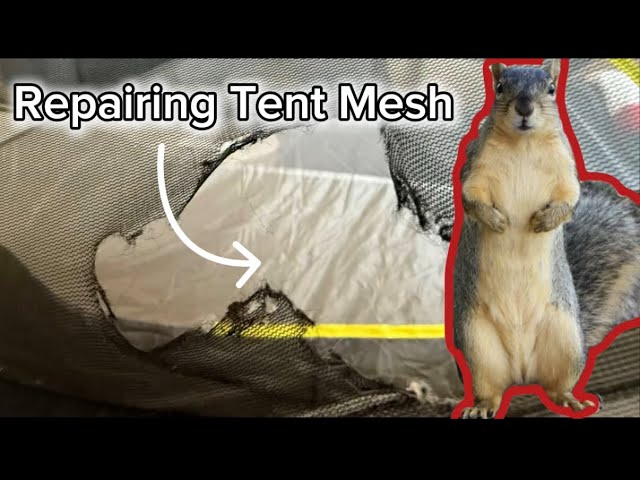
Your tent mesh is more than just a barrier against bugs—it’s your shield for a comfortable, peaceful night outdoors. When it gets torn or damaged, it can quickly turn your camping trip into a frustrating experience.
But don’t worry—fixing your tent mesh is easier than you think. In this guide, you’ll discover simple, effective ways to repair your mesh and get back to enjoying the great outdoors without those annoying bugs sneaking in. Keep reading, and you’ll learn how to save your tent mesh quickly, so your next adventure stays comfortable and worry-free.
Credit: www.amazon.ca
Common Causes Of Tent Mesh Damage
Tent mesh keeps bugs out and air flowing inside your tent. It can get damaged easily. Knowing what causes damage helps you fix it faster.
Damage to tent mesh can happen in many ways. Some are slow, and some happen quickly. Let’s look at the most common causes.
Wear And Tear Over Time
Using your tent many times will wear down the mesh. The fabric becomes thin and weak. Tiny holes can form and grow bigger.
Constant folding and unfolding also stress the mesh. This repeated movement can cause small tears. Old tents often have mesh that breaks easily.
Sharp Objects And Accidental Tears
Sharp objects can cut or poke holes in the mesh. This includes knives, sticks, or even rough rocks. Accidental tears happen if you snag the mesh on something.
- Camping gear with sharp edges
- Tree branches or bushes
- Rough handling during setup
- Pets or animals scratching the mesh
Being careful when handling your tent helps prevent these tears. Check the area before setting up your tent to avoid sharp objects.
Environmental Factors
Sunlight weakens the mesh fabric over time. UV rays break down the fibers, making the mesh brittle. Rain and moisture can also harm the material.
Wind can cause the mesh to rub against poles or trees. This friction wears the mesh thin. Cold temperatures may make the fabric less flexible and easier to tear.
- Sun damage from UV rays
- Rain and moisture exposure
- Wind friction against rough surfaces
- Extreme cold making mesh brittle
Credit: www.pomoly.com
Essential Tools And Materials
Repairing tent mesh requires the right tools and materials. Using proper supplies helps fix tears and holes effectively.
This guide covers patch kits, adhesives, needles, thread, and alternative repair supplies to keep your tent mesh strong.
Patch Kits And Adhesives
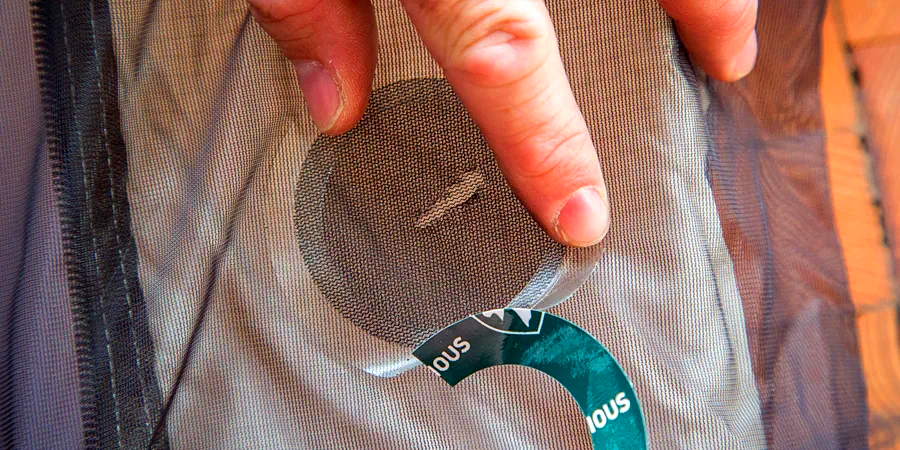
Patch kits usually include mesh patches and glue made for outdoor fabrics. These kits help cover holes without removing the mesh.
- Mesh patches cut to size
- Waterproof adhesive or fabric glue
- Cleaning wipes to prepare the surface
- Scissors for trimming patches
Needles And Thread Options
For sewing repairs, use needles designed for fine fabrics and strong thread. This helps stitch tears neatly and securely.
| Material | Recommended Type | Use |
| Needles | Sharp, fine sewing needles | Pass through mesh without tearing |
| Thread | UV-resistant polyester thread | Strong and weatherproof stitching |
| Thimble | Metal or plastic | Protect fingers while sewing tough mesh |
Alternative Repair Supplies
If you do not have patch kits or needles, try these simple alternatives for quick fixes.
- Clear nail polish to seal small holes temporarily
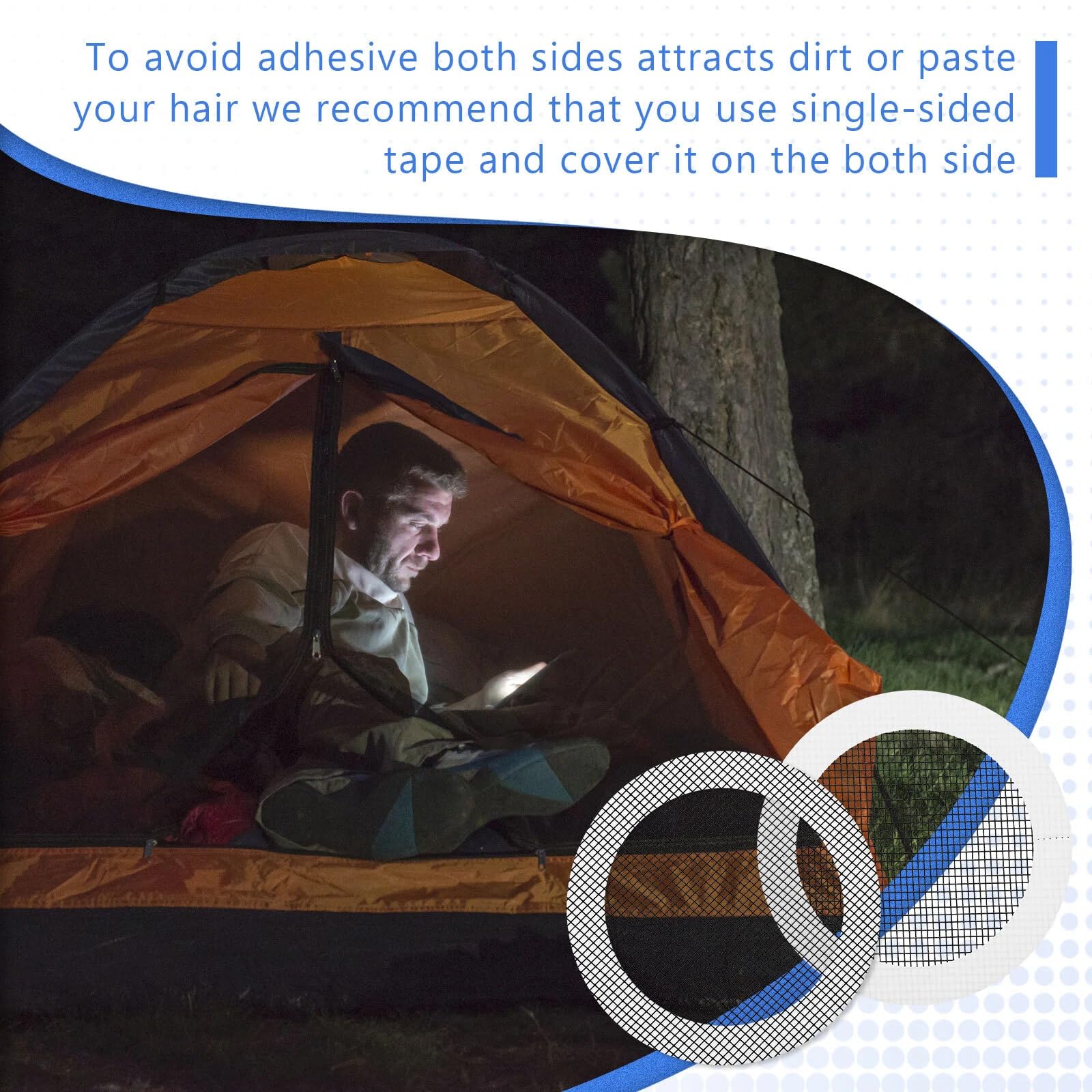
- Double-sided tape to hold torn edges together
- Fishing line for strong, invisible stitches
- Heat-sealing tape for synthetic mesh repairs
Quick Fixes For Small Holes
Tent mesh can get small holes from various sources. Quick fixes help you continue using your tent without problems.
Here are simple ways to repair small holes in your tent mesh using common items.
Using Tape For Temporary Repairs
Tape is a quick solution for small holes in tent mesh. It can stop further tearing.
Use strong tape like duct tape. Apply it on both sides of the mesh for better hold.
- Cut tape pieces slightly bigger than the hole
- Press tape firmly on the mesh
- Ensure no gaps for best results
Applying Fabric Glue
Fabric glue is great for sealing small holes in mesh. It forms a strong bond.
Make sure the mesh is clean and dry. Apply a small amount of glue around the hole.
- Let the glue dry completely
- Check the bond before using the tent
- Use glue sparingly to avoid mess
Iron-on Mesh Patches
Iron-on patches are easy to use for mesh repairs. They provide a neat look.
Place the patch over the hole. Use a warm iron to attach it securely.
- Ensure the patch covers the entire hole
- Follow the patch instructions carefully
- Check for smooth edges after ironing
Sewing Techniques For Durable Repairs
Repairing tent mesh helps keep your tent strong and useful. Small tears can become big problems if not fixed well. Using the right sewing techniques makes the repair last longer.
This guide covers hand sewing tips, choosing stitches, and ways to fix larger tears. These steps help you repair your tent mesh with care and strength.
Hand Sewing Tips
Use a sharp needle made for mesh or nylon fabric. A smaller needle helps avoid making holes bigger. Thread should be strong and weather-resistant.
Keep stitches small and close to avoid gaps. Work slowly and gently to prevent tearing the mesh more.
- Use nylon or polyester thread
- Thread a needle with a sharp, thin tip
- Make stitches about 2-3 mm long
- Use a thimble to push the needle
- Keep tension firm but not tight
Choosing The Right Stitch
A running stitch works for small tears. It is easy and quick. For stronger repairs, use a backstitch. It holds fabric tightly together.
A whipstitch can close edges and prevent fraying. Use it for mesh edges that need extra protection.
- Running stitch: simple, good for small holes
- Backstitch: strong, good for heavy stress areas
- Whipstitch: wraps edges, stops fraying
Reinforcing Larger Tears
For bigger tears, use a patch made from similar mesh material. Place the patch over the tear and sew around it. This adds strength and stops the tear from growing.
Use double stitching around the patch for extra hold. Sew in a square or circle to cover all edges well.
- Cut patch slightly bigger than tear
- Place patch on clean, dry mesh
- Sew around patch edges with backstitch
- Double stitch for stronger hold
- Check stitches for gaps or loose thread
Using Mesh Patch Kits
Repairing tent mesh is easy with mesh patch kits. These kits help fix holes and tears fast.
Using a patch kit keeps your tent safe from bugs and weather. It saves you money on new gear.
Selecting The Best Patch Kit
Choose a patch kit made for tent mesh material. Look for kits that include strong adhesive patches.
Clear or mesh patches work best because they blend with your tent screen. Avoid heavy or thick patches.
- Check patch size for your tear or hole
- Pick patches with waterproof glue
- Choose kits with easy-to-cut patches
- Look for kits that require no sewing
Step-by-step Application
Clean the torn area gently with water and dry it well. Remove dirt for better glue hold.
Cut the patch so it is larger than the hole by at least one inch on all sides. Round the edges.
- Peel the backing off the patch
- Place the patch over the hole carefully
- Press down firmly to spread the glue
- Hold for several minutes to ensure stickiness
- Let it dry for a few hours before use
Ensuring Long-lasting Adhesion
Keep the patch area clean and dry before applying. Dirt or moisture weakens the glue.
Avoid stretching the mesh near the patch. Too much pull can cause the patch to peel off.
- Apply pressure evenly on the patch
- Store your tent dry to protect patches
- Check patches regularly for any lifting edges
- Reapply if you see any damage early
Preventing Future Damage
Fixing torn tent mesh is important. Preventing new damage helps your tent last longer. Simple care steps keep mesh strong and safe.
Read tips on how to set up, store, and check your tent mesh. These actions stop holes and tears before they start.
Proper Tent Setup And Handling
Always set up your tent on flat, clean ground. Avoid sharp rocks or sticks that can poke the mesh. Use a ground tarp for extra protection under the tent.
- Handle mesh gently when pitching the tent.
- Do not pull or stretch mesh too hard.
- Keep pets and sharp objects away from the tent.
- Secure tent stakes and poles properly to avoid stress on mesh.
Storing Tent Mesh Correctly
Clean your tent mesh before storing. Remove dirt and dry it well to stop mold and rot. Fold or roll the mesh loosely to avoid creases and tears.
| Storage Tip | Reason |
| Keep tent in a dry bag | Protects from moisture and insects |
| Store in a cool, dark place | Prevents UV damage and heat stress |
| Do not store folded tightly | Stops permanent creases and weak spots |
| Check storage area for pests | Prevents chewing or nesting in mesh |
Regular Maintenance Checks
Inspect your tent mesh often. Look for small holes, tears, and loose threads. Fix small issues before they grow.
- Check mesh after each trip or use.
- Patch small holes with repair tape or patches.
- Trim loose threads to stop unraveling.
- Test zippers and seams for damage.
- Clean mesh with a soft brush to remove dirt.

Credit: www.gearaid.com
Frequently Asked Questions
How Do I Fix A Tear In Tent Mesh?
To fix a tear in tent mesh, clean the area first. Use mesh repair tape or a patch kit. Apply the patch smoothly and press firmly. Allow it to dry fully before use to ensure durability and prevent further damage.
What Materials Are Best For Tent Mesh Repair?
Best materials for tent mesh repair include mesh repair tape, adhesive patches, and sewing kits. These materials are lightweight, durable, and weather-resistant. Choose materials compatible with your tent mesh to ensure a strong, lasting repair.
Can I Sew A Hole In Tent Mesh?
Yes, you can sew a hole in tent mesh. Use a fine needle and strong thread for precision. Sew carefully to avoid enlarging the tear. Reinforce the stitches with mesh repair tape for added strength and durability.
How Long Does Tent Mesh Repair Last?
Tent mesh repair can last several camping seasons if done properly. Using quality patches and careful application extends repair life. Avoid harsh weather exposure to maintain patch integrity. Regular checks help catch any new damage early.
Conclusion
Repairing tent mesh is simple with the right steps. Small holes or tears do not need a full replacement. Use patches or sewing to fix damage quickly. Keep your tent mesh clean and dry after repairs. This helps your tent last longer and work better.
Proper care saves money and keeps bugs out. Now, your tent is ready for the next trip. Enjoy outdoor adventures without worry about torn mesh.