
Is your air conditioner suddenly not working? One common reason might be a blown fuse.
Knowing how to replace your air conditioner fuse can save you time, money, and the hassle of waiting for a professional. In this guide, you’ll learn simple, clear steps to fix the problem yourself safely and quickly. Keep reading, and you’ll be back to cool comfort before you know it.
Signs Of A Blown Ac Fuse
A blown fuse in your air conditioner stops it from working properly. Knowing the signs helps you fix the problem fast.
Look for clear symptoms to see if the fuse needs replacement.
Common Symptoms
These signs often show when the AC fuse is blown:
- The AC does not turn on at all.
- There is no power to the AC unit.
- The circuit breaker trips frequently.
- Burning smell near the fuse box.
- The AC unit stops working suddenly.
Safety Precautions
Replacing an AC fuse can be dangerous. Follow these safety tips to stay safe:
| Safety Tip | Description |
| Turn Off Power | Switch off the main power before checking the fuse. |
| Use Insulated Tools | Prevent electric shocks by using insulated tools. |
| Check Fuse Type | Use the correct fuse type and rating for your AC unit. |
| Avoid Water | Keep the area dry to avoid electric hazards. |
| Wear Safety Gear | Use gloves and safety glasses during the repair. |

Credit: www.youtube.com
Tools And Materials Needed
Replacing an air conditioner fuse is a simple task with the right tools. Using the correct materials keeps you safe and helps the job go smoothly.
This guide covers the essential tools and types of fuses you will need. Knowing these basics makes the replacement easier.
Essential Tools
You need some basic tools to replace a fuse in your air conditioner. These tools help you open the fuse box and remove the old fuse safely.
- Screwdriver: Use a flathead or Phillips to open the fuse panel.
- Fuse puller or needle-nose pliers: Helps remove the fuse without damage.
- Voltage tester or multimeter: Checks if the power is off before working.
- Replacement fuse: Make sure it matches the old fuse type and rating.
- Safety gloves: Protect your hands from electrical shocks.
Fuse Types For Air Conditioners
Air conditioners use different fuse types to protect their electrical circuits. Knowing which fuse to buy is important for safety and function.
The most common fuses are cartridge fuses and plug fuses. Each has different sizes and ratings based on your AC model.
| Fuse Type | Description | Common Use |
|---|---|---|
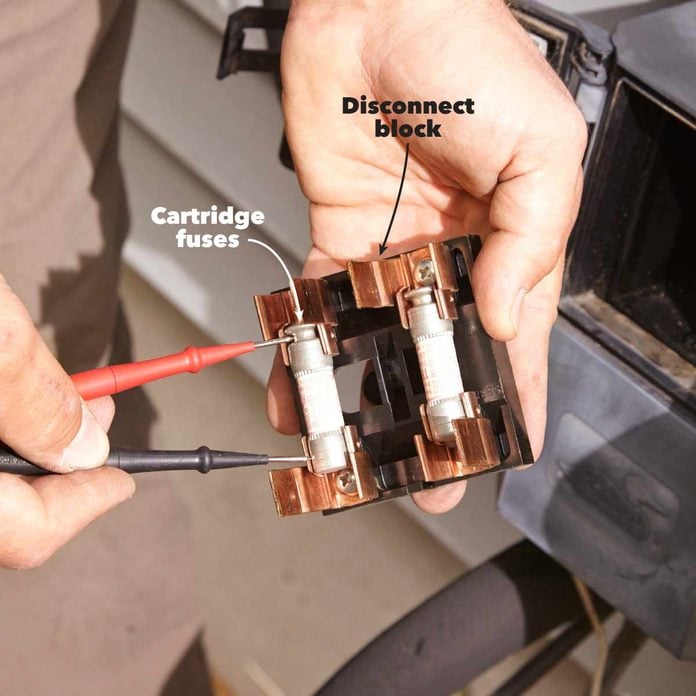
| Cartridge Fuse | Long, cylindrical fuse that fits in a fuse holder. | Used in most modern air conditioners. |
| Plug Fuse | Older style fuse that screws into a fuse base. | Found in older AC units or electrical panels. |
| Blade Fuse | Flat, plastic fuse with two metal prongs. | Sometimes used in smaller portable ACs. |
Locating The Ac Fuse
The air conditioner fuse protects your unit from electrical damage. Finding the fuse is the first step to checking or replacing it. This guide helps you locate the fuse safely.
You need to know where to look before starting any work on your AC unit. Two common places are the fuse box and the AC unit itself.
Checking The Fuse Box
The fuse box holds many fuses and circuit breakers. Look for the one marked for your air conditioner. It may say “AC,” “Air Conditioner,” or “HVAC.”
- Find your home’s main electrical panel or fuse box.
- Open the panel door carefully.
- Look for labels next to the fuses or breakers.
- Identify the fuse that controls the air conditioner.
- If no label is visible, check the manual or ask an electrician.
Accessing The Ac Unit
Some AC units have a fuse located near or inside the unit. This fuse is often in a small box or holder attached to the unit.
| Location | Description | What to Look For |
|---|---|---|
| Outside Unit | Near the compressor or electrical box | Small fuse box or panel with a cover |
| Inside AC Panel | Inside the service panel on the unit | Fuse holder or cartridge fuse |
| Disconnect Box | Separate box near outdoor unit | Pull-out fuse or blade fuse |
Removing The Old Fuse
Replacing an air conditioner fuse is a task that requires care. Removing the old fuse safely prevents damage and injury.
This guide explains how to remove the old fuse with two important steps: turning off power and safe fuse removal.
Turning Off Power
Before removing the fuse, you must turn off the power to the air conditioner. This stops any electric current from flowing.
- Locate the main power switch or circuit breaker for your air conditioner.
- Switch off the breaker or power switch completely.
- Use a voltage tester to confirm that no electricity is present in the unit.
- Wear insulated gloves for extra protection.
Safe Fuse Removal
After power is off, you can safely remove the old fuse. Follow these tips to avoid damage or injury.
| Action | Details |
| Locate fuse | Find the fuse holder inside the air conditioner panel. |
| Remove fuse | Use a fuse puller or insulated tool to gently pull out the fuse. |
| Inspect fuse | Look for a broken filament or dark marks showing the fuse is blown. |
| Handle carefully | Do not touch metal parts with bare hands to avoid electric shock. |
Installing The New Fuse
Replacing an air conditioner fuse requires care and accuracy. Installing the new fuse correctly ensures your AC unit works safely.
This guide helps you pick the right fuse and install it properly for best performance.
Choosing The Right Replacement
Select a fuse that matches your air conditioner’s specifications. The wrong fuse can cause damage or fail to protect the unit.
| Specification | Details to Check |
| Fuse Type | Look for the exact model recommended by the manufacturer |
| Amperage Rating | Match the fuse amperage to the original fuse value |
| Voltage Rating | Must be equal or higher than the AC unit’s voltage |
| Physical Size | Ensure the fuse fits the fuse holder properly |
Proper Installation Steps
Follow these steps to install the new fuse safely and correctly.
- Turn off power to the air conditioner at the main breaker panel.
- Remove the panel cover to access the fuse holder.
- Take out the old fuse carefully without damaging the fuse holder.
- Inspect the fuse holder for any damage or corrosion.
- Insert the new fuse, ensuring it fits securely in place.
- Replace the panel cover and tighten any screws.
- Turn the power back on and check if the air conditioner runs properly.
Credit: www.familyhandyman.com
Testing The Air Conditioner
After replacing the air conditioner fuse, you must test the unit. Testing makes sure the fuse works and the system runs safely.
Follow these steps to check the air conditioner’s power and function. This helps find any problems early.
Restoring Power
Turn the main power switch back on. Check the fuse box for any tripped switches. Reset them if needed.
- Switch on the circuit breaker linked to the air conditioner.
- Check the fuse holder to confirm the new fuse is seated properly.
- Use a voltage tester to confirm power flows to the unit.
- Listen for any unusual sounds when power is restored.
Verifying Functionality
After restoring power, check if the air conditioner cools the room. Watch the unit for any error signs.
| Test | What to Check | Expected Result |
| Power Indicator | Lights on control panel | Lights should be on |
| Cooling | Temperature drop in room | Room should cool within 10 minutes |
| Noise | Unusual sounds | Only normal fan and compressor sounds |
| Airflow | Air coming from vents | Strong, steady airflow |
Preventing Future Fuse Issues
Replacing an air conditioner fuse is important, but preventing future problems is better. Taking simple steps helps keep your AC working well.
Regular care and safe electrical use can stop fuse problems before they start. Learn easy tips to protect your system.
Regular Maintenance Tips
Check your air conditioner often to find small issues early. Clean and inspect parts to keep everything running smoothly.
Replace dirty filters and clear debris near the unit. This lowers stress on electrical parts and prevents fuse blows.
- Clean or change air filters every 1-3 months
- Remove leaves and dirt around the outdoor unit
- Inspect wiring for wear or damage regularly
- Schedule professional AC check-ups yearly
Avoiding Electrical Overloads
Electrical overloads cause fuses to blow and can harm your AC. Do not plug too many devices into one outlet.
Use proper circuit breakers and avoid extension cords for the air conditioner. This keeps electricity flow safe and steady.
- Use dedicated circuits for your air conditioner
- Do not use extension cords or power strips
- Turn off other heavy devices during AC use
- Check circuit breakers if the fuse blows often

Credit: www.youtube.com
Frequently Asked Questions
What Are Signs Of A Blown Air Conditioner Fuse?
A blown air conditioner fuse may cause your unit to stop working. Common signs include no power to the unit, the fan not running, or the compressor not starting. If you experience these issues, it might be time to check and replace the fuse.
How Do I Locate The Air Conditioner Fuse?
To locate your air conditioner’s fuse, first turn off the power. Next, find the disconnect box near the unit. Inside, you’ll find the fuse. Always ensure safety by using insulated tools and wearing protective gear when accessing electrical components.
What Tools Are Needed To Replace The Fuse?
To replace an air conditioner fuse, you’ll need a multimeter, screwdriver, and replacement fuses. The multimeter helps confirm the fuse is blown. Screwdrivers are used to open the disconnect box. Ensure all tools are insulated for safety.
Can I Replace An Air Conditioner Fuse Myself?
Yes, you can replace it yourself with proper safety precautions. Make sure to turn off the power before beginning. Follow the manufacturer’s instructions and use the correct replacement fuse. If unsure, consult a professional to avoid potential hazards.
Conclusion
Replacing an air conditioner fuse is a simple fix anyone can do. Always turn off the power before starting. Choose the right fuse for your AC model. Handle the fuse carefully and avoid touching metal parts. Test the AC after replacing the fuse to ensure it works.
Regular checks help avoid fuse problems in the future. Small steps save you from costly repairs. Stay safe and keep your AC running smoothly.