Is your air conditioner suddenly not working? One common reason could be a blown fuse.
Replacing the air conditioner fuse might sound tricky, but it’s easier than you think. If you want to fix your AC quickly and save money on repairs, this guide is made just for you. Keep reading, and you’ll learn simple steps to get your air conditioner running smoothly again—without calling a technician.
Don’t let a small problem turn into a big hassle. Let’s dive in and get your cool air back!
Signs Of A Blown Ac Fuse
Signs of a blown AC fuseinclude the air conditioner not turning on. The unit may stop working suddenly. Sometimes, the AC turns on then shuts off quickly. Another sign is no cooling despite the fan running. Check the fuse if the AC does not respond to the thermostat.
Common Symptoms
- AC won’t start or respond
- Unit powers off frequently
- Burning smell near the fuse box
- Tripped circuit breakers or blown fuse repeatedly
- Unusual noises from the AC unit
Why Fuses Blow
Fuses blow due to overload or short circuits. High electrical current can cause overheating. Faulty wiring or damaged components also lead to fuse failure. Power surges during storms may affect the fuse. Old or worn-out fuses break more easily. Regular checks help prevent unexpected fuse blows.
Tools Needed For Replacement
Use glovesand safety gogglesto protect yourself. Safety is very important when working with electrical parts. Always turn off the power before starting.
- Insulated gloves:Protect hands from electric shocks.
- Safety goggles:Shield eyes from sparks or debris.
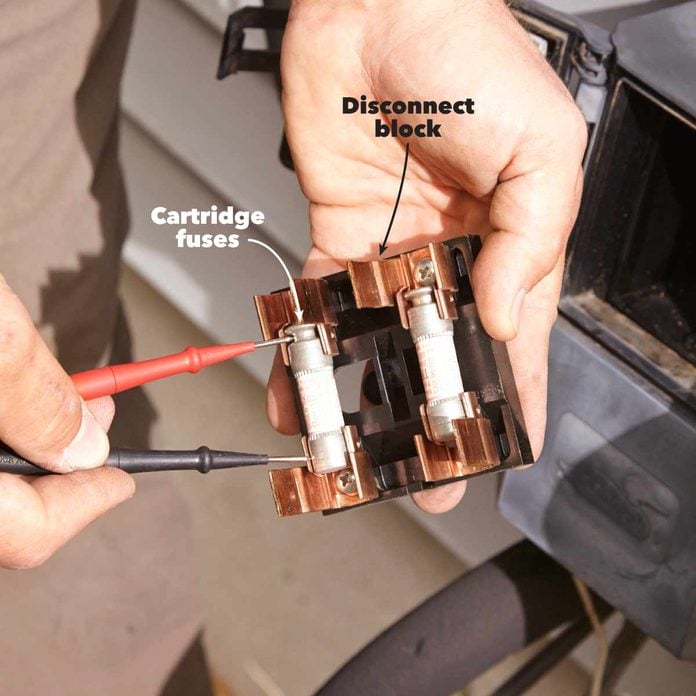
- Multimeter:Check if the fuse is blown or not.
- Screwdriver:Remove screws from the fuse holder.
- Replacement fuse:Match the exact type and rating of the old fuse.
Locating The Ac Fuse
The fuse boxis usually near the air conditioner or main electrical panel. Common locations include:
- Inside the AC unit’s service panel
- Near the outdoor compressor
- In the home’s main breaker box
Look for a small panel or box with a cover. Open it carefully to access the fuses.
Each fuse has a label or number. Check the air conditioner modelmanual to find the correct fuse type and rating. The right fuse usually matches the AC’s electrical needs.
| Fuse Type | Description | Common Rating |
|---|---|---|
| Blade Fuse | Plastic body with metal blades | 10A – 30A |
| Glass Tube Fuse | Glass body with metal ends | 3A – 15A |
| Ceramic Fuse | Solid ceramic body | 5A – 20A |
Steps To Replace The Fuse
First, turn off the powerto the air conditioner. This stops any electricity flow and keeps you safe. Check the circuit breaker or unplug the unit. Never work on the fuse with power on.
Next, open the fuse compartment. Look for the blown fuse. It usually looks dark or broken inside. Carefully remove it using a fuse puller or pliers. Avoid touching metal parts.
Finally, place the new fuseinto the slot. Make sure it matches the size and type of the old fuse. Close the compartment and restore power. Test the air conditioner to see if it works well again.
Testing The Air Conditioner
First, switch on the air conditioner to check if it powers up correctly. Watch for any unusual sounds or smells. A properly working unit should start smoothly without strange noises.
Observe the display panel or indicator lights. These should turn on to show the unit is active. If nothing happens, the fuse might still be blown or there may be other electrical issues.
- Ensure the air conditioner is plugged in securely.
- Listen for the fan and compressor starting.
- Check if cool air begins to flow after a few moments.
- Look for any error codes or blinking lights on the display.
If the air conditioner runs well, the fuse replacement was successful. If not, double-check the fuse and connections before testing again.

Credit: www.youtube.com
Safety Tips During Replacement
Always turn off the main powerbefore touching the fuse. This prevents electric shock. Use insulated tools to avoid any contact with live wires.
Wear rubber gloves to add a layer of protection. Keep your hands dry at all times. Wet hands can cause electricity to flow through your body.
- Handle the fuse with care; do not force it in or out.
- Check the fuse type and rating before replacement.
- Dispose of old fuses safely to avoid accidents.
Never touch metal partsof the fuse directly. Hold it by the insulated ends only. Make sure the fuse fits snugly in its holder.
When To Call A Professional
Complex electrical issuesneed expert help. Problems inside the air conditioner wiring can be risky. Faulty wiring or circuit board problems require special tools and knowledge. A professional can safely find and fix these hidden issues. This prevents damage and keeps your home safe.
Repeated fuse failuresare a sign to call a technician. If the fuse blows many times after replacement, something else is wrong. It might be a short circuit or a bigger electrical fault. Experts can diagnose the root cause. This stops the problem from coming back and protects the AC unit.

Credit: www.youtube.com
Credit: www.familyhandyman.com
Frequently Asked Questions
What Tools Are Needed To Replace An Ac Fuse?
You need a screwdriver, a replacement fuse, and a multimeter. These tools help safely remove and test the fuse. Always turn off the power before starting. Using the right tools ensures a smooth and safe fuse replacement process.
How Do I Know If My Ac Fuse Is Blown?
A blown fuse shows visible signs like a broken wire or discoloration. Use a multimeter to test for continuity. If the multimeter shows no continuity, the fuse is blown and needs replacement to restore AC function.
Is It Safe To Replace An Ac Fuse Myself?
Yes, if you follow safety precautions like turning off power and using insulated tools. If unsure or uncomfortable, consult a professional. Proper care prevents electrical shocks and damage to your air conditioner system.
How Often Should I Check My Air Conditioner Fuse?
Check your AC fuse during routine maintenance or if the AC stops working. Regular inspection every 6 to 12 months helps prevent unexpected failures. Timely checks keep your air conditioner running smoothly and safely.
Conclusion
Replacing an air conditioner fuse is simple and important. It helps maintain your unit’s efficiency. Always ensure the power is off for safety. Use the right tools for the task. Check the fuse box and remove the old fuse carefully.
Install the new fuse with precision. Test your air conditioner after replacement. It should work smoothly. If problems persist, seek professional help. Regular maintenance can prevent future issues. Stay cool and comfortable with a properly functioning air conditioner.