
Replacing a cooktop might seem like a daunting task, but it doesn’t have to be. Whether you’re upgrading your kitchen or your old cooktop has finally given up, knowing how to replace it yourself can save you time and money.
Imagine the satisfaction of cooking your favorite meals on a brand-new cooktop that you installed with your own hands. You don’t need to be a professional to get this job done. With the right guidance and a few simple tools, you can transform your kitchen space seamlessly.
Ready to roll up your sleeves and tackle this project? Let’s dive into the steps that will make you a cooktop replacement pro in no time.
Preparing For Replacement
Preparing for a cooktop replacement sets the stage for a smooth and safe project. Taking time to gather the right tools, follow safety steps, and measure your space accurately helps avoid delays and mistakes. Proper preparation ensures the new cooktop fits perfectly and works well.
Gathering Tools And Materials
Collecting all necessary tools before starting saves time. Common tools include:
- Screwdrivers (Phillips and flathead)
- Adjustable wrench
- Voltage tester
- Measuring tape
- Putty knife
- Replacement cooktop
- Wire nuts and electrical tape
Check the cooktop manual for any specific tools needed. Having everything ready prevents interruptions.
Safety Precautions
Safety is crucial during cooktop replacement. Start by turning off the power at the circuit breaker. Confirm power is off using a voltage tester.
Wear gloves to protect your hands from sharp edges. Work in a well-lit area to see clearly. Avoid rushing to reduce accidents.
Measuring Your Cooktop Space
Measure the current cooktop space carefully. Use a tape measure to find the width, depth, and height of the opening.
Note any unusual shapes or obstacles in the space. Compare measurements with the new cooktop dimensions. This ensures a proper fit without gaps or tight spots.
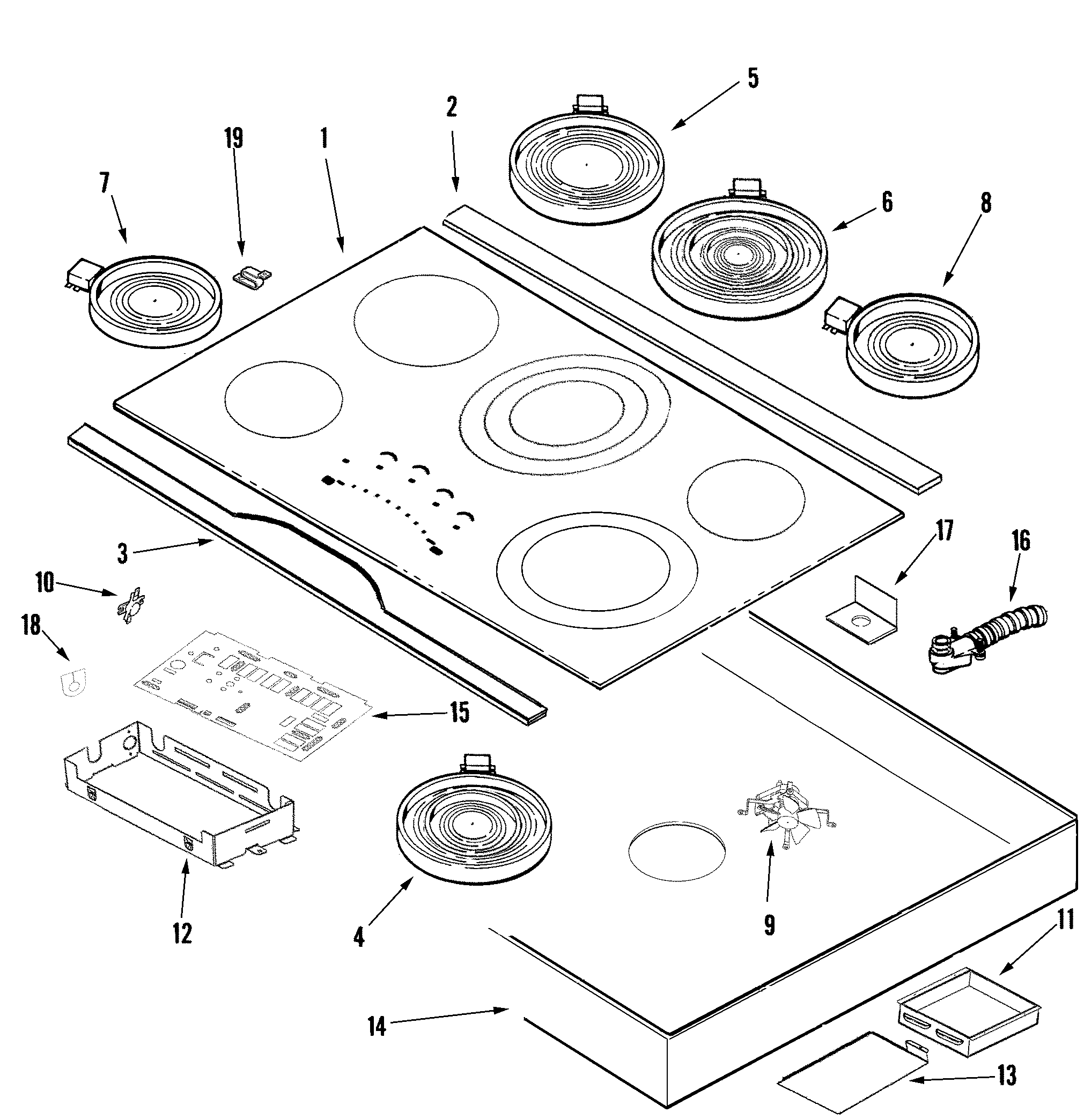
Credit: appliantology.org
Removing The Old Cooktop
Removing the old cooktop is the first step in installing a new one. It requires care and attention to safety. The process involves turning off power and gas, disconnecting connections, and carefully lifting out the appliance. Follow each step to avoid damage or injury.
Turning Off Power And Gas
Start by switching off the electrical power to the cooktop. Locate the circuit breaker and turn it off. For gas cooktops, close the gas valve to stop the gas flow. This step is crucial for safety. Never skip turning off power and gas before proceeding.
Disconnecting Electrical And Gas Connections
After power and gas are off, disconnect all connections. Unplug the electrical cord or wire from the cooktop. For gas models, carefully detach the gas line using a wrench. Check for any signs of leaks or damage. Keep tools handy but avoid forcing any connection.
Lifting Out The Old Cooktop
Once all connections are free, gently lift the cooktop out of its place. Use both hands to keep it balanced. If the cooktop is heavy, ask for help. Place the old cooktop on a sturdy surface to avoid scratches or dents. Clean the area before installing the new unit.
Installing The New Cooktop
Installing the new cooktop is a crucial part of your kitchen upgrade. It involves careful preparation and attention to detail to ensure everything fits and functions perfectly. Let’s break down the key steps to get your new cooktop up and running smoothly.
Checking Compatibility
Before you start, double-check that your new cooktop matches the cutout dimensions of your countertop. Even a small size difference can cause installation issues or leave gaps that look unprofessional.
Also, verify the type of cooktop you’re installing—electric or gas—and make sure your kitchen is set up for it. If you’re switching from gas to electric, or vice versa, additional adjustments might be necessary.
Have you confirmed if your countertop material can support the new cooktop? Some surfaces require special treatment or reinforcement.
Connecting Electrical And Gas Lines
Safety is the top priority when connecting power or gas lines. For electric cooktops, ensure the circuit breaker is off before handling any wires.
Match the cooktop’s wiring to your home’s electrical setup, paying close attention to grounding. Incorrect wiring can cause serious hazards or damage.
If your cooktop uses gas, check that the gas supply valve is turned off. Use a flexible gas connector and tighten fittings securely to avoid leaks.
Have you thought about using a professional for the gas connection? Even minor mistakes can lead to dangerous leaks.
Securing The Cooktop In Place
Once connections are secure, place the cooktop into the countertop cutout carefully. Make sure it sits evenly and flush with the surface.
Use the mounting brackets or clips provided by the manufacturer to fasten the cooktop firmly. Loose installation can cause movement and potential damage over time.
Check for any gaps between the cooktop and countertop and use a sealant if recommended. This prevents spills from seeping underneath and causing damage.
Have you tested the cooktop’s stability before finishing up? Give it a gentle shake to confirm it’s securely in place.
Testing And Final Adjustments
Testing and final adjustments are critical after replacing a cooktop. This phase ensures everything works safely and efficiently. It involves restoring utilities, running safety checks, and fine-tuning burner settings for optimal performance.
Restoring Power And Gas
Turn the gas supply valve back on carefully. Restore electricity by switching on the circuit breaker. Check for any unusual smells or sounds. These might indicate a gas leak or electrical issue. Use a gas detector or soapy water to test for leaks around connections. Never skip this safety step.
Performing Safety Tests
Light each burner to confirm proper ignition. Observe the flame color; it should be blue and steady. Yellow or flickering flames suggest poor combustion. Test all controls to ensure they respond correctly. Verify the cooktop shuts off quickly when turned off. Confirm no gas escapes when burners are off. Safety first—never compromise on these checks.
Adjusting Burners And Controls
Adjust burner flames for even heat distribution. Use the control knobs to set the right flame size. Check that all burners reach their highest setting smoothly. Make small tweaks for burner alignment if flames are uneven. Ensure controls feel firm and turn without resistance. Proper adjustments improve cooking results and extend cooktop life.
Troubleshooting Common Issues
Troubleshooting common issues during cooktop replacement helps avoid delays and safety risks. Problems can arise with gas connections, electrical wiring, or how the cooktop fits in the space. Identifying these issues early ensures a smooth installation. This section covers simple fixes for typical challenges.
Handling Gas Leaks
Gas leaks pose serious dangers. Check all gas connections with a soapy water solution. Bubbles show where gas escapes. Tighten loose fittings carefully. Replace damaged hoses or seals immediately. Never use a flame to detect leaks. Ensure the gas supply is off before working on connections. If you smell gas strongly, ventilate the area and call a professional.
Fixing Electrical Problems
Cooktops with electric ignition need proper wiring. Confirm the power is off before inspecting wires. Look for loose or disconnected wires behind the cooktop. Replace frayed or damaged cables. Test the outlet with a voltage tester to ensure it works. Reset tripped breakers or replace blown fuses. Avoid using extension cords for safety reasons.
Addressing Fit And Alignment
Improper fit causes uneven cooking and damage. Measure the cutout space before purchase. Remove debris or old sealant from the countertop. Use a level to check the cooktop’s position. Adjust mounting brackets or shims to even the surface. Seal gaps with heat-resistant caulk to prevent spills. Ensure burners and knobs align perfectly for safe use.
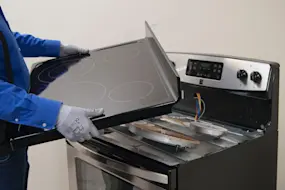
Credit: www.searspartsdirect.com
Maintenance Tips For Longevity
Keeping your cooktop in great shape extends its life and ensures it works safely every time you use it. Paying attention to regular maintenance can prevent small issues from turning into costly repairs. Here are some practical tips that you can easily apply to maintain your cooktop’s longevity.
Cleaning Techniques
Clean your cooktop after every use to prevent buildup of grease and food particles. Use a soft cloth or sponge with mild detergent, avoiding abrasive cleaners that can scratch the surface.
For stubborn stains, a paste of baking soda and water works wonders without damaging the finish. Remember to wipe dry to prevent water spots and streaks.
Have you noticed how a clean cooktop heats more evenly? Keeping it spotless can improve cooking performance and reduce energy waste.
Regular Inspection
Take a close look at your cooktop’s burners, knobs, and connections every few weeks. Check for any signs of wear, cracks, or loose parts that could affect safety or function.
Test the igniters and ensure flames are steady and blue, not yellow or flickering. Strange odors or unusual noises are also red flags that shouldn’t be ignored.
Is it time to tighten a loose knob or replace a worn-out part? Catching these issues early saves you hassle and money down the road.
When To Call A Professional
Some problems require expert attention, especially if you smell gas or see damaged wiring. Don’t risk your safety by trying to fix complicated issues yourself.
Schedule professional service if you notice your cooktop isn’t heating properly despite cleaning and inspections. Technicians can diagnose hidden problems and ensure everything meets safety standards.
Remember, your cooktop is an investment. Knowing when to call a professional protects both your appliance and your home.

Credit: www.youtube.com
Frequently Asked Questions
How Do I Safely Disconnect My Old Cooktop?
First, turn off the power at the circuit breaker. Then, unplug the cooktop or disconnect wiring. Always verify no electricity flows before starting work.
What Tools Are Needed To Replace A Cooktop?
You’ll need a screwdriver, voltage tester, wire stripper, and possibly a wrench. Safety gloves and a flashlight can also help.
How To Measure For A New Cooktop Replacement?
Measure the length and width of the existing cooktop cutout. Also, check the depth to ensure the new cooktop fits properly.
Can I Replace A Cooktop Without Professional Help?
Yes, if you have basic electrical knowledge and follow safety steps. However, consult a professional if unsure about wiring or gas connections.
Conclusion
Replacing a cooktop can seem tough but is doable with care. Follow each step slowly and double-check your work. Turn off the power to stay safe at all times. Use the right tools to avoid damage or injury. Take your time to connect wires and secure the cooktop.
A well-done replacement saves money and keeps your kitchen safe. You can enjoy cooking again with a new, working cooktop. Simple steps, patience, and safety make the process smooth and clear.