
Replacing an electric cooktop might sound like a daunting task, but it doesn’t have to be. Imagine the satisfaction of transforming your kitchen with a sleek, new cooktop that not only enhances your cooking experience but also elevates the aesthetic of your space.
You don’t need to be a professional to tackle this project; with a little guidance, you can do it yourself and save a substantial amount of money. You’ll discover step-by-step instructions that simplify the process, ensuring you feel confident and equipped to make the change.
Ready to upgrade your kitchen and impress your family and friends? Let’s dive in and explore how you can replace your electric cooktop with ease.
Credit: appliantology.org
Tools And Materials Needed
Replacing an electric cooktop requires specific tools and materials. Having the right items ready makes the job easier and safer. This section breaks down what you need before starting the project.
Essential Tools
- Screwdrivers (flathead and Phillips) for removing screws
- Socket wrench set to loosen bolts
- Voltage tester to check electrical connections
- Pliers for gripping and twisting wires
- Wire stripper to prepare electrical wires
- Utility knife to cut sealant or insulation
- Measuring tape for precise fitting
- Flashlight for better visibility in tight spaces
Replacement Cooktop Options
Choose a cooktop that fits your countertop opening. Sizes vary from 30 inches to 36 inches. Select from coil, smooth glass, or induction tops.
Consider energy efficiency and ease of cleaning. Check the electrical requirements match your home’s wiring. Some models need 220 volts; others use 110 volts.
Safety Gear
- Insulated gloves to protect against electric shock
- Safety glasses to guard your eyes from debris
- Dust mask if dust or insulation is disturbed
- Non-slip shoes for stable footing
Preparing For Replacement
Preparing to replace your electric cooktop is essential to ensure safety and a smooth installation process. Taking the right steps before you start can save you time and prevent accidents. Let’s break down the key actions you should take before handling any electrical or heavy appliance work.
Turning Off Power
Safety starts with cutting off the electricity. Locate your home’s circuit breaker panel and switch off the breaker that controls the cooktop. Double-check by trying to turn on the cooktop to confirm the power is completely off.
Have you ever underestimated this step and faced a dangerous shock? Don’t risk it—always treat the appliance as live until you verify it isn’t. A simple voltage tester can give you peace of mind before touching any wires.
Clearing The Area
Clear space around your cooktop to work comfortably and avoid accidents. Remove nearby items like pots, pans, and utensils that could get in your way or cause spills.
Think about how much easier the removal and installation will be with an open area. Also, set up a spot nearby to place your old cooktop safely while you work on the replacement. This prevents clutter and keeps your workspace organized.
Reading Manufacturer Instructions
Each cooktop model has specific installation steps and safety warnings. Read the manual carefully before starting. It’s easy to overlook details that could affect how your cooktop fits or connects.
Have you noticed how some manuals include tips that aren’t obvious at first glance? Following them can save you from costly mistakes and ensure your warranty stays valid. Don’t skip this step—even if you think you know what to do.
Removing The Old Cooktop
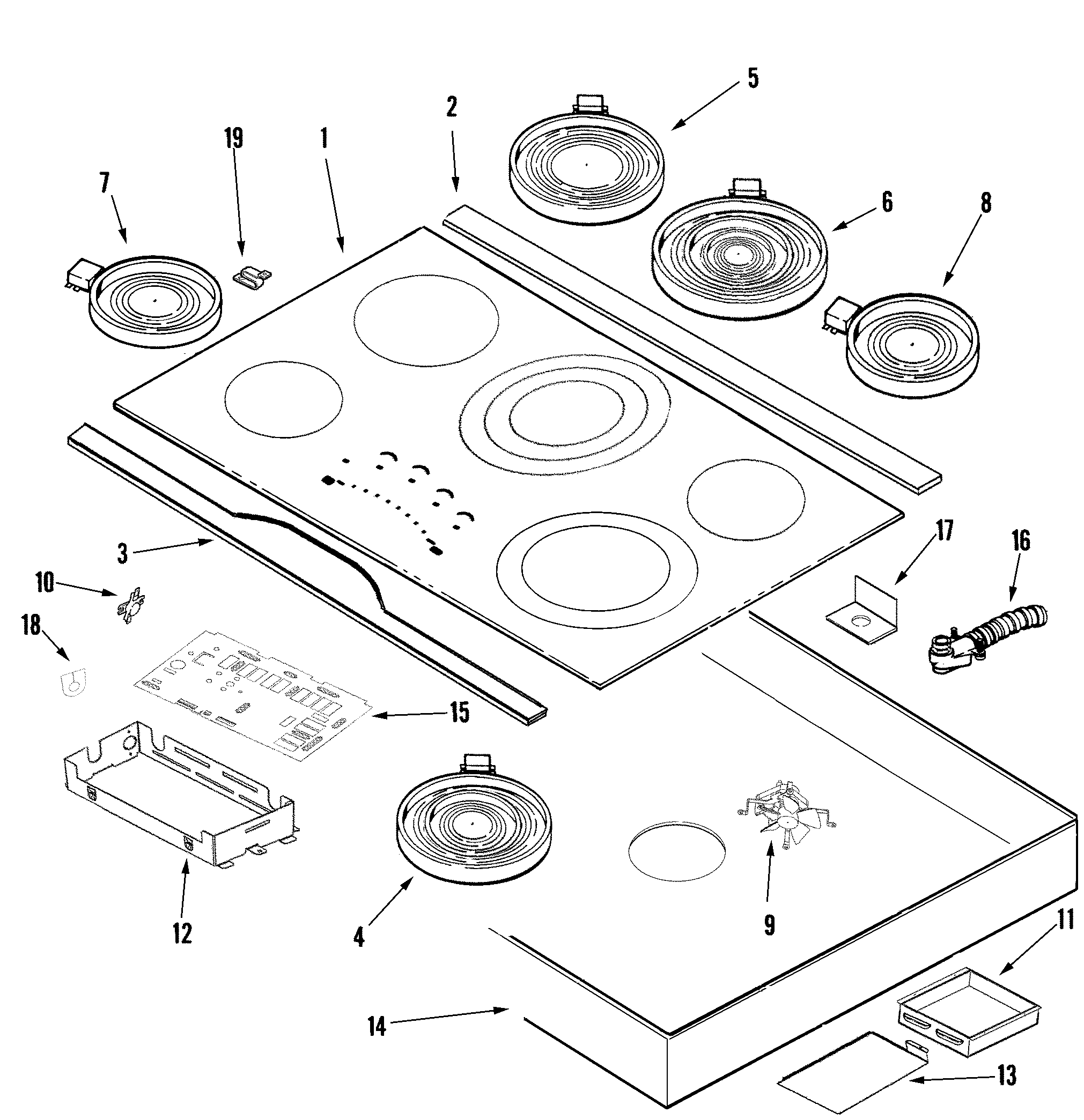
Removing the old electric cooktop is the first major task in replacing it. Proper care during this process ensures safety and protects your kitchen. Follow these steps carefully to remove the cooktop without damage or injury.
Disconnecting Power Wires
Turn off the circuit breaker controlling the cooktop’s power. Use a voltage tester to confirm no electricity flows to the wires. Locate the junction box under the cooktop and carefully disconnect the power wires. Keep the wire ends separated to avoid accidental contact.
Unscrewing And Lifting Cooktop
Find all screws or clips holding the cooktop in place. Use a screwdriver to remove them gently. Lift the cooktop straight up to prevent damage to the countertop. Ask for help if the cooktop is heavy or awkward to handle.
Handling Old Components Safely
Place the old cooktop on a sturdy surface away from children and pets. Avoid touching sharp edges or broken glass. Wrap any damaged parts in thick cloth before disposal. Follow local rules for disposing of electrical appliances safely.
Credit: www.searspartsdirect.com
Installing The New Cooktop
Installing a new electric cooktop requires careful attention to detail. Proper installation ensures safety and optimal performance. This section guides through the key steps to install your new cooktop correctly.
Connecting Electrical Wiring
Turn off the power supply before handling any wires. Match the cooktop wires to the house wires by color. Use wire nuts to secure connections tightly. Check that no bare wires are exposed. Consult the cooktop manual for specific wiring instructions. If unsure, hire a licensed electrician.
Securing The Cooktop In Place
Place the cooktop into the countertop opening carefully. Align it evenly with the countertop edges. Use the mounting brackets or screws provided to fix it. Tighten screws just enough to hold the cooktop firmly. Avoid overtightening to prevent damage. Ensure the cooktop sits flat without wobbling.
Checking For Proper Fit
Verify the cooktop fits snugly within the countertop space. Check for any gaps between the cooktop and countertop. Make sure the cooktop surface is level and stable. Test the cooktop controls to confirm they function properly. Look for any signs of damage or misalignment. Adjust if necessary before restoring power.
Testing And Final Adjustments
After carefully installing your new electric cooktop, it’s essential to ensure everything works safely and efficiently. Testing and making final adjustments will confirm that your effort pays off with a perfectly functioning appliance. Let’s look at how to restore power, check each burner, and fix common issues you might encounter.
Restoring Power
Before you test your cooktop, make sure to restore power safely. Switch the circuit breaker back on or reconnect the power supply according to your home’s setup. Double-check that the cooktop’s power switch is off before turning the breaker on to avoid any sudden sparks.
Have you confirmed the power is stable? Use a voltage tester on the cooktop terminals if you have one. This small step can prevent surprises and protect your new appliance.
Testing Burners
Turn on each burner individually to test their heating elements. Watch for a steady glow or heating pattern within a few seconds. If a burner heats unevenly or doesn’t warm up at all, it may need adjustment or a connection check.
Use a simple checklist:
- Does the burner heat up quickly?
- Is the heat consistent across the burner surface?
- Are the controls responsive when you adjust the temperature?
Testing burners one at a time helps isolate any issues and prevents confusion. It’s tempting to turn all burners on at once, but focusing on one allows you to notice subtle problems early.
Troubleshooting Common Issues
If a burner doesn’t work as expected, start by inspecting its connection beneath the cooktop. Loose wires or burnt connectors are common culprits and can be fixed with basic tools. If a burner heats too slowly, it might be due to a faulty element or incorrect installation.
Here’s a quick guide to common problems:
| Problem | Possible Cause | Action |
|---|---|---|
| Burner doesn’t heat | Loose wiring or blown fuse | Secure connections, check fuse, replace if needed |
| Uneven heating | Damaged heating element | Replace element |
| Burner stays on high heat | Faulty control switch | Test and replace switch |
Have you noticed any odd smells or sounds during testing? These can be signs of electrical issues—never ignore them. Safety comes first, so always disconnect power before making repairs.
Maintenance Tips For Longevity
Maintaining your electric cooktop extends its lifespan and keeps it working well. Simple care habits help avoid damage and costly repairs. Regular attention prevents buildup and detects early problems. Follow these key tips to keep your cooktop clean and safe.
Cleaning Techniques
Clean spills immediately to stop stains and burning. Use a soft cloth or sponge with mild soap. Avoid abrasive pads that scratch the surface. For tough spots, apply a cooktop cleaner made for glass or ceramic tops. Wipe in gentle circles and rinse with a damp cloth. Dry the surface fully to prevent streaks or water spots.
Regular Inspection
Check your cooktop often for cracks or loose parts. Look under burners and around control knobs for dirt or damage. Test the heating elements to see if they warm evenly. Keep an eye on the power cord and plug for wear. Detecting small issues early can stop bigger problems later.
When To Call A Professional
Call a technician if your cooktop does not heat properly. Unusual noises or smells also need expert checks. Avoid fixing electrical parts yourself to stay safe. A professional can diagnose and repair complex issues. Regular servicing keeps the cooktop efficient and secure.

Credit: www.youtube.com
Frequently Asked Questions
How Do I Safely Disconnect An Electric Cooktop?
Turn off power at the circuit breaker before disconnecting. Use a voltage tester to confirm no electricity flows. Always follow manufacturer instructions and safety guidelines when handling wiring and connections.
What Tools Are Needed To Replace An Electric Cooktop?
You’ll need a screwdriver, voltage tester, wire strippers, and possibly pliers. A multimeter helps check electrical connections. Having these tools ensures a smooth, safe installation process.
Can I Replace An Electric Cooktop Myself?
Yes, if you have basic electrical knowledge and follow safety steps. However, hiring a licensed electrician is safer for complex wiring or if unsure about the process.
How Do I Measure For A New Electric Cooktop?
Measure the width, depth, and cutout dimensions of the existing cooktop space. Accurate measurements ensure the new cooktop fits perfectly without gaps or modifications.
Conclusion
Replacing an electric cooktop can save time and money. Follow the steps carefully for safety. Double-check all connections before turning power back on. Take your time to avoid mistakes or damage. A well-installed cooktop works better and lasts longer. Enjoy cooking on your new appliance with confidence.
Keep this guide handy for future reference. Simple tasks done right bring great results.