If you love fishing, you know how important it is to have the right fishing line. But when was the last time you changed yours?
Worn or tangled line can cost you big catches and spoil your day on the water. Don’t let frustration take over your fishing trips. You’ll learn exactly how to replace your fishing line quickly and easily. Follow these simple steps, and you’ll be ready to cast with confidence every time.
Keep reading to make sure your gear is always in top shape and your fishing game stays strong.
Choosing The Right Fishing Line
Picking the right fishing line is important for a good fishing experience. The line affects how you cast, catch, and handle fish.
This guide covers types of fishing lines, how to select the right strength, and what materials to consider.
Types Of Fishing Lines
Fishing lines come in different kinds. Each type has unique features that suit various fishing needs.
- Monofilament:Easy to handle and stretches under load. Good for beginners.
- Fluorocarbon:Hard to see underwater and resists abrasion well.
- Braid:Very strong with no stretch. It casts far and lasts long.
Selecting Line Strength
Line strength, or pound test, tells how much weight your line can hold before breaking. Choose the right strength for your fishing target.
| Fish Type | Line Strength (Pound Test) |
| Small Fish | 2-6 lbs |
| Medium Fish | 8-15 lbs |
| Large Fish | 20+ lbs |
Considering Line Material
The material affects line visibility, strength, and stretch. Think about water type and fishing style before choosing.
Material Comparison:
- Monofilament:Clear or colored, stretches under tension.
- Fluorocarbon:Near invisible in water, sinks faster.
- Braid:Thin diameter, no stretch, very strong.

Credit: www.youtube.com
Tools And Materials Needed
Replacing a fishing line is simple with the right tools. Gather these items before you start.
Having everything ready makes the process quick and easy.
Essential Tools
These tools are necessary for replacing your fishing line. Make sure to have them on hand.
- Fishing reel
- New fishing line
- Scissors or line cutter
- Screwdriver (if needed for reel)
Optional Accessories
These accessories can help but are not required. Use them if you have them.
- Line spooler tool
- Line conditioner spray
- Line counter
- Gloves for grip
Removing Old Fishing Line
Removing old fishing line helps keep your reel working well. It also prevents tangles and breaks.
Take your time to remove the line carefully. This makes it easier to add new line later.
Releasing Line From Reel
Start by loosening the drag on your reel. This lets you pull the line off without damage.
Pull the line gently from the spool. Keep it steady to avoid tangles or snaps.
- Hold the rod firmly
- Turn the reel handle slowly
- Keep the line tight as it comes off
- Cut the line near the spool if needed
Proper Disposal
Old fishing line can harm wildlife if thrown away carelessly. Dispose of it safely.
Cut the line into small pieces before throwing it away. Use a container to keep it contained.
- Do not leave line on the ground or water
- Recycle line if your area offers it
- Use a sealed container for trash
- Check local rules for fishing line disposal
Preparing New Line
Replacing fishing line requires careful preparation of the new line. Proper steps help ensure better casting and fewer breaks.
This guide explains how to measure the correct length and check the line for damage before use.
Measuring The Correct Length
Measure the right amount of fishing line for your reel and fishing style. Too much or too little line can cause problems while fishing.
- Check your reel’s capacity, usually printed on the spool.
- Decide how far you want to cast or what type of fish you want to catch.
- Cut the line a little longer than your target length to allow for tying knots.
- Keep the line neat and untangled during measurement.
Checking For Damage
Inspect the new line carefully before loading it onto your reel. Damaged line can break easily and spoil your fishing trip.
| Type of Damage | Signs to Look For | Action |
| Frays or Nicks | Small cuts or rough spots on the line surface | Cut out damaged section or replace line |
| Discoloration | Unusual fading or dark spots | Check storage conditions; consider new line |
| Stiffness | Line feels hard or brittle | Do not use; discard line |
Attaching Line To Reel
Attaching fishing line to your reel is the first important step in replacing the line. Doing it right ensures smooth casting and fewer problems while fishing.
Use strong knots and proper spooling techniques to keep the line secure and prevent tangles or slips during use.
Tying Secure Knots
Choose a knot that holds well and is easy to tie. The Improved Clinch Knot and Palomar Knot are popular choices for attaching line to the reel spool.
- Thread the line through the reel’s spool eye.
- Wrap the tag end around the standing line 5-7 times.
- Pass the tag end through the loop near the spool.
- Pull the knot tight and trim the extra line.
Spooling Techniques
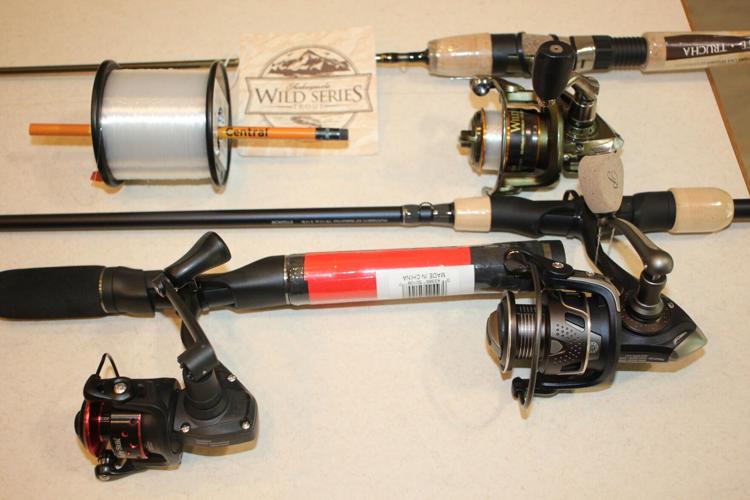
Proper spooling prevents line twists and tangles. Keep even tension on the line as you fill the reel spool.
| Tip | Reason |
| Attach line securely to spool | Prevents slippage during casting |
| Keep tension on line while spooling | Reduces twists and tangles |
| Fill spool 80-90% full | Avoids overfilling and line breakage |
| Check line direction matches spool rotation | Keeps line tight and smooth |
Credit: www.goskagit.com
Maintaining Line Quality
Keeping your fishing line in good condition helps you fish better. Good line quality means fewer breaks and better casting.
Regular care and attention to your line will make it last longer and work well every time.
Regular Inspections
Check your fishing line often to spot damage early. Look for cracks, frays, or discoloration. Replace the line if you find any problems.
- Run the line through your fingers to feel for rough spots
- Look closely for small cuts or abrasions
- Check for line stiffness or discoloration from sunlight
- Inspect knots and connections for wear
- Replace the line if it shows any sign of damage
Avoiding Line Twists
Line twists cause tangles and weak spots. Prevent twists by using the right casting and reeling techniques.
| Cause | How to Avoid |
| Spooling line incorrectly | Spool line under tension in the right direction |
| Reeling too fast | Reel at a steady, moderate speed |
| Using certain lures | Choose lures that reduce twisting |
| Allowing slack line | Keep line tight when casting and retrieving |
Tips For Perfect Casting
Replacing your fishing line can improve your casting distance and accuracy. Using the right techniques helps you cast smoothly and catch more fish.
Good casting depends on adjusting your reel tension and using proper casting methods. These tips will guide you for better results.
Adjusting Tension
Tension controls how the line moves on your reel during casting. Set the tension so the line flows easily without too much slack.
If the tension is too tight, the line will not cast far. If it is too loose, the line may tangle or bird nest.
- Turn the tension knob to loosen or tighten the line flow.
- Test cast a few times and adjust until the line moves smoothly.
- Keep checking the tension if you change the line or lure weight.
Casting Techniques
Use steady and controlled movements to cast your line. Avoid sudden jerks or fast snaps that cause tangles.
Practice different casting styles to find what works best for your fishing spot and lure.
- Use a smooth back cast to load the rod with power.
- Bring the rod forward and release the line at the right moment.
- Follow through with your arm to guide the line to the target.
- Adjust your casting angle based on wind and water conditions.

Credit: www.youtube.com
Frequently Asked Questions
How Often Should I Replace Fishing Line?
Replace your fishing line after every few fishing trips or when it shows wear signs. Regular replacement prevents line breaks and improves fishing success.
What Tools Do I Need To Replace Fishing Line?
You need scissors, a new fishing line spool, and optionally a line spooler tool. These tools help you replace the line quickly and properly.
How Do I Remove Old Fishing Line From A Reel?
Cut the old line near the reel, then unwind it fully. Dispose of it carefully to avoid tangles and damage to the reel.
Can I Reuse Old Fishing Line When Replacing?
It’s not recommended to reuse old fishing line. Old lines weaken, increasing the chance of breaks and losing fish.
Conclusion
Replacing fishing line keeps your gear ready for every trip. Clean, fresh line helps you catch fish more easily. Take your time and follow each step carefully. Practice makes the process quick and simple. Remember to check your reel often for wear and tear.
Keep your fishing experience smooth and fun with proper line care. Ready to fish again? Now you know how to replace your fishing line right.