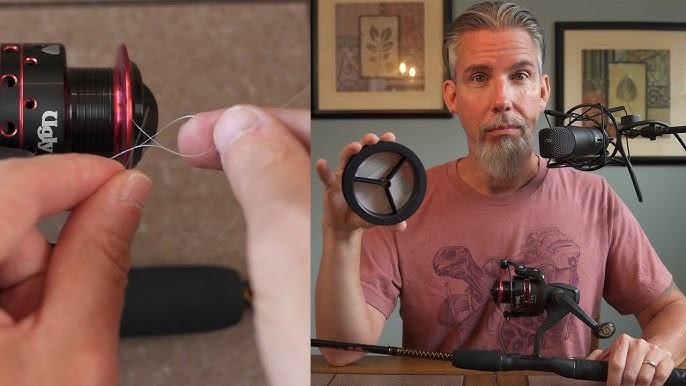
Replacing the fishing line on your reel might seem tricky, but it’s easier than you think. Whether your line is old, tangled, or broken, knowing how to change it quickly can save your fishing trip.
In this guide, you’ll learn simple, step-by-step instructions that anyone can follow. By the end, you’ll feel confident and ready to cast without worry. Keep reading, and get your reel ready for your next big catch!

Credit: www.reddit.com
Gathering Your Tools
Replacing the fishing line on your reel needs the right tools. Getting these ready makes the job easier.
This guide helps you find what you need before you start. Being prepared saves time and effort.
Choosing The Right Fishing Line
Pick a fishing line that fits your fishing style and the fish you want to catch. The wrong line can break or tangle.
- Monofilament lines are stretchy and easy to handle.
- Fluorocarbon lines are nearly invisible underwater.
- Braid lines offer high strength and low stretch.
- Check the line strength or pound test suitable for your fish.
Preparing The Reel And Other Supplies
Before putting on new line, gather tools to prepare the reel. This keeps the process smooth.
| Tool | Purpose |
| Scissors or line cutter | To trim old and new line cleanly |
| Screwdriver | To open reel parts if needed |
| New fishing line spool | The replacement line to spool onto reel |
| Clean cloth | To wipe dirt and old line residue |
| Lubricant | To keep reel parts moving smoothly |
Removing Old Line
Replacing the fishing line on your reel starts with removing the old line. This step is important to keep your reel working well.
Careful removal helps prevent damage and makes re-spooling easier.
Releasing The Drag
Before removing the line, release the drag on your reel. This reduces tension on the spool.
Turning the drag knob counterclockwise usually loosens it. Make sure it is fully released to avoid damage.
Unwinding The Line Safely
Unwind the old line carefully from the spool. Pull the line slowly to avoid sudden snaps.
Keep the line organized to prevent tangles or knots while removing it.
- Hold the reel steady with one hand
- Pull the line gently with the other hand
- Wind the line into a loose coil as you remove it
- Dispose of the old line properly to protect the environment
Attaching New Line
Replacing the fishing line on your reel requires care to attach it properly. The new line must be tied tightly to avoid slipping during use.
Two important steps are tying the line to the spool and securing the knot firmly. These steps ensure the line stays in place while fishing.
Tying The Line To The Spool
Start by threading the new line through the reel’s guide and wrap it around the spool. Tie a strong knot to hold the line in place before winding it.
- Make a loop around the spool
- Pass the line end through the loop twice
- Pull the line tight to create a secure knot
- Trim any excess line close to the knot
Securing The Knot
After tying, secure the knot with extra wraps and test its strength. The knot should not slip when you pull the line firmly.
| Action | Purpose |
| Wrap the line around the spool | Creates the base for the knot |
| Pass line through the loop twice | Increases knot strength |
| Pull knot tight | Secures the line firmly |
| Trim excess line | Prevents tangling |
| Test knot pull | Ensures no slipping |

Credit: www.youtube.com
Spooling The Line
Spooling the fishing line onto a reel is an important step. It helps the line stay strong and work well while fishing.
Doing this right can stop the line from tangling or breaking. Focus on keeping the line tight and even on the spool.
Maintaining Proper Tension
Keep the fishing line tight as you spool it onto the reel. Loose line can cause tangles and knots.
Use your fingers or a cloth to hold the line firmly while turning the reel handle slowly.
- Hold the line with steady pressure
- Turn the reel handle smoothly and slowly
- Check for any slack or loose loops
Filling The Spool Evenly
Put the line evenly across the spool to avoid problems when casting. Uneven spooling can lead to line tangles.
Move the line back and forth gently as you wind it, so it fills the spool in neat layers.
- Wind the line slowly and evenly
- Guide the line side to side across the spool
- Stop filling before the line reaches the spool edge
Finishing Touches
After replacing the fishing line on your reel, you need to complete some final tasks. These steps ensure your reel works well and the line stays secure.
Taking time for these finishing touches improves your fishing experience and prevents problems later.
Trimming Excess Line
Cut off any extra fishing line close to the reel spool. Leaving too much line can cause tangles and reduce casting distance.
Use sharp scissors or a line cutter to make a clean cut. Make sure the line end is smooth and not frayed.
- Leave about 1/8 inch of line beyond the reel edge
- Cut straight to avoid snags
- Check the line for damage before cutting
Testing The Reel Functionality
After trimming the line, test your reel to ensure it works smoothly. Turn the handle to check the drag and spool movement.
Pull some line off the reel and let it rewind. The line should move easily without sticking or slipping.
- Check drag tension by tightening and loosening it
- Make sure the spool spins freely
- Look for any unusual noises or resistance
Tips For Line Maintenance
Keeping your fishing line in good shape helps you catch more fish. Proper care makes the line last longer and work better.
Learn simple ways to store your reel and know when to change your fishing line. These tips keep your gear ready for any trip.
Storing Your Reel
Store your reel in a cool, dry place to stop damage from moisture. Avoid direct sunlight to keep the line from getting weak.
Loosen the line tension on the reel after use. This helps stop the line from stretching or breaking over time.
- Keep reel away from heat and sunlight
- Store in a dry, clean area
- Loosen line tension after fishing
- Use a reel cover or case for protection
When To Replace Your Line
Replace your fishing line if it looks worn or damaged. Old line can break easily and make you lose fish.
Check the line for cracks, discoloration, or knots. If you find any, it is time to change the line for safety and strength.
- Replace line every season or after heavy use
- Change line if it feels rough or weak
- Replace after catching a big fish that strained the line
- Use fresh line for important fishing trips

Credit: www.youtube.com
Frequently Asked Questions
How Do I Choose The Right Fishing Line?
Selecting the right fishing line depends on your fishing style and target species. Consider the line’s strength, material, and flexibility. Monofilament is versatile, while braided line offers strength. Fluorocarbon is nearly invisible underwater, ideal for clear waters. Match the line’s weight to your reel and fishing needs for optimal performance.
What Tools Do I Need To Replace Fishing Line?
Replacing a fishing line requires a few basic tools: scissors or line cutters, a new fishing line spool, and a reel. Optional tools include a line winder for convenience. Ensure you have a clean workspace to prevent tangles. These tools make the process smooth and efficient.
How Do I Remove Old Fishing Line?
To remove old fishing line, first cut it near the spool. Unwind it carefully, ensuring no tangles or knots. Dispose of it responsibly, as fishing line can harm wildlife. Clean the reel spool with a cloth to prepare for the new line.
This ensures a smooth replacement process.
How Do I Spool A New Fishing Line?
Begin by threading the new line through the rod guides and tie it onto the reel spool. Use an arbor knot for security. Apply tension to the line as you wind it onto the spool. Fill the spool evenly to prevent tangles.
Cut the line, leaving a few inches for adjustment.
Conclusion
Replacing fishing line on a reel does not have to be hard. Follow the steps carefully and take your time. Make sure the line is tight and properly wound. Check for any knots or twists before fishing. Regularly changing your line helps keep your reel working well.
Practice a few times to get more confident. Enjoy your fishing trips with fresh, strong line every time. Simple actions lead to better fishing results. Keep your gear ready and have fun outdoors.