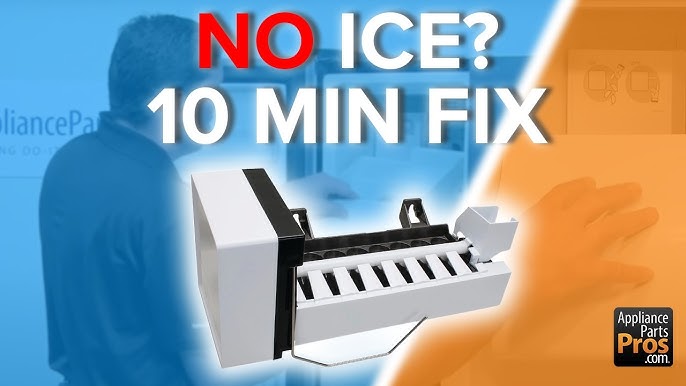
Is your Frigidaire ice maker not working like it used to? If you rely on your fridge to keep your drinks cool and your ice ready, a broken ice maker can be a real hassle.
But don’t worry—you don’t have to call a repairman or buy a new fridge. Replacing the ice maker yourself is easier than you think. In this guide, you’ll find simple, step-by-step instructions to get your ice maker up and running again quickly.
Keep reading, and you’ll save time, money, and avoid the frustration of a warm drink on a hot day.
Tools And Materials Needed
Replacing an ice maker on a Frigidaire requires a few basic tools and materials. Having the right items ready makes the job faster and easier. You can avoid frustration and mistakes by preparing everything beforehand.
The tools are simple and common in most households. The materials involve the new ice maker and some extra parts for a smooth replacement. Below is a list of what you need for this task.
Essential Tools For Replacing The Ice Maker
- Phillips screwdriver
- Flathead screwdriver
- Nut driver or socket wrench (usually 1/4 inch)
- Towel or small container (to catch water drips)
- Flashlight (for better visibility)
Materials Needed For The Replacement
- New Frigidaire ice maker unit
- Replacement water inlet valve (if required)
- Electrical tape
- Zip ties (to secure loose wires)
- Owner’s manual or installation guide
Safety Items To Have On Hand
- Gloves (to protect your hands)
- Safety glasses
- Multimeter (to test electrical connections)
Safety Precautions
Always unplug the refrigerator before starting to avoid electric shock. Handle parts carefully to prevent damage or injury. Wear gloves to protect your hands from sharp edges.
Replacing an ice maker in your Frigidaire can be a rewarding DIY project, but ensuring safety should be your top priority. Mishandling electrical components or disregarding basic safety measures can lead to unnecessary risks. Before you dive into the task, take a moment to familiarize yourself with essential safety precautions to protect yourself and your appliance.Disconnect The Power Supply
Always begin by unplugging your refrigerator from the power source. Working with electrical components can be dangerous, so ensure there’s no power running to the appliance. If your Frigidaire is hardwired, locate the circuit breaker and turn it off to cut off the electricity.Wear Protective Gear
Wear gloves to protect your hands from sharp edges and cold temperatures. Safety goggles are also recommended to shield your eyes from any unexpected debris or splashes, especially if you’re dealing with water lines.Use Proper Tools
Ensure you have the right tools for the job, like a screwdriver or a wrench. Using improper tools can damage parts or lead to injury. Double-check your toolbox before starting the replacement to avoid unnecessary interruptions.Handle Components With Care
Ice makers and their components can be delicate. Handle each part with care, especially electrical wires and connectors. Gently disconnect and reconnect parts to prevent breakage or damage.Check For Leaks
After the installation, inspect the water line connections for any leaks. Leaks can lead to water damage or electrical hazards, so it’s crucial to ensure all connections are secure.Test Before Finishing
Once the replacement is complete, plug the refrigerator back in and test the ice maker. Ensure it functions correctly before closing the appliance. If it doesn’t work as expected, revisit your steps to identify any missed connections. Taking these precautions seriously not only ensures your safety but also prolongs the life of your appliance. Are you ready to tackle your ice maker replacement with confidence?Locate The Ice Maker
Before replacing the ice maker on your Frigidaire, you must locate it first. Knowing its exact position saves time and avoids damage. The ice maker is usually inside the freezer compartment. It is often near the top or side wall.
Finding the ice maker allows easy access to remove and replace it. It also helps to identify any connecting wires or water lines attached. Follow these tips to locate the ice maker quickly.
Check The Freezer Compartment
Open the freezer door and look inside carefully. The ice maker is often mounted on the side wall. Sometimes, it is on the ceiling or back wall. Look for a small box-like unit with a metal arm or sensor.
Identify The Ice Bin
Locate the ice bin where ice cubes collect. The ice maker is usually above or next to this bin. The bin is removable in most models. Removing it can give a clearer view of the ice maker unit.
Look For Power And Water Connections
The ice maker needs power and water supply. Trace the wires and tubes inside the freezer. These connections lead directly to the ice maker. This helps confirm the exact location.
Consult The User Manual
The user manual shows the ice maker location for your model. It has diagrams and photos for guidance. Manuals are often available online if you lost the paper copy.

Credit: www.youtube.com
Disconnect Power And Water Supply
Before replacing the ice maker on your Frigidaire, disconnecting the power and water supply is crucial. This step ensures safety and prevents water damage during the process.
Turning off the power stops electricity flow, avoiding shocks. Shutting off the water supply stops leaks and flooding inside the fridge and kitchen.
Locate The Power Source
Find the power cord behind the refrigerator. Unplug it from the wall outlet to cut the electricity supply. If the outlet is hard to reach, turn off the circuit breaker instead.
Turn Off The Water Supply Valve
Look under the sink or behind the refrigerator for the water valve. Turn the valve clockwise to close it. This stops water flow to the ice maker.
Drain Excess Water
Open the ice maker’s water line valve briefly to release pressure. Use a towel to catch any dripping water. This step reduces spills during removal.
Remove The Old Ice Maker
Removing the old ice maker from your Frigidaire is a straightforward task but requires careful attention to avoid damaging any components. Taking your time here can save you frustration later when installing the new unit. Let’s break down the process into manageable steps that anyone can follow.
Detach The Ice Maker Module
Start by opening the freezer door and locating the ice maker module. Gently pull the module away from the freezer wall—some models have a clip or latch holding it in place.
Use a slight wiggle motion if it feels stuck, but avoid forcing it too hard to prevent breaking the plastic parts. Have you noticed how many ice maker models have different clip types? Keep this in mind, as yours might require a specific approach.
Disconnect Wiring Harness
Next, find the wiring harness connecting the ice maker to the freezer’s power supply. Carefully unplug the connector by pressing the release tab or gently pulling apart the plug.
Pay close attention to the wiring; damaged wires can cause the new ice maker to malfunction. If you feel unsure, take a photo before unplugging—this helps with reassembly later.
Remove Mounting Screws
Finally, locate the screws securing the ice maker to the freezer wall. Use an appropriate screwdriver to remove these screws completely.
Keep the screws in a safe place—they might be needed for installing the replacement unit. Have you ever lost a tiny screw and had to hunt for a replacement? Avoid that hassle by using a small container or magnetic tray.
Install The New Ice Maker
Installing the new ice maker is a crucial step that sets the stage for your fridge to start producing ice again. It’s not just about placing the unit back inside; it’s about making sure everything fits perfectly and connects securely. Taking your time here can save you from future leaks or electrical issues.
Position The New Ice Maker
Carefully slide the new ice maker into the same spot where the old one was removed. Align it so the mounting holes line up exactly with the fridge’s frame. If the unit feels slightly off, don’t force it—double-check the orientation to avoid damaging any parts.
Secure With Mounting Screws
Grab the screws you set aside or the new ones provided with the replacement unit. Use a screwdriver to fasten the ice maker firmly to the refrigerator wall. Make sure the screws are snug but avoid over-tightening, which can crack plastic components.
Reconnect Wiring Harness
Locate the wiring harness that powers the ice maker and carefully plug it back into the new unit. A loose connection here can cause the ice maker to malfunction or not run at all. If the connectors don’t slide together easily, check for any bent pins or debris blocking the connection.
Reconnect Power And Water
After installing the new ice maker in your Frigidaire, reconnecting power and water is crucial. This step brings your ice maker back to life. Proper connection ensures the appliance works smoothly and safely. Avoid loose wires or leaks that can cause damage or poor performance.
Focus on securing both electrical and water connections firmly. Check for any signs of wear or damage before reconnecting. Use simple tools and follow safety guidelines to prevent accidents. This part of the process restores function and prepares your ice maker to produce ice again.
Reconnecting The Electrical Power
- Locate the power cord or plug behind the fridge.
- Make sure the outlet is clean and dry.
- Plug the ice maker power cord securely into the outlet.
- Check the circuit breaker if the outlet is not working.
- Confirm that the ice maker light or control panel turns on.
Reattaching The Water Supply Line
- Turn off the main water valve before handling the line.
- Connect the water line to the valve on the back of the fridge.
- Tighten the connector with a wrench, but avoid overtightening.
- Open the main water valve slowly to prevent pressure shocks.
- Look for leaks around the connection point and fix any drips.
Testing Ice Maker Functionality
- Allow the ice maker to cycle for about 24 hours.
- Listen for humming or clicking sounds indicating operation.
- Check the ice bin for new ice cubes forming.
- Ensure no water leaks or unusual noises appear.
- Adjust settings on the control panel if ice production is slow.

Credit: www.dtappliance.com
Test The New Ice Maker
After replacing the ice maker on your Frigidaire, testing it is crucial to ensure everything works smoothly. This step helps you catch any issues early and avoid future headaches. Let’s walk through how to confirm your new ice maker is functioning properly and remains leak-free.
Check For Proper Operation
Start by plugging the fridge back in and turning the ice maker’s power switch on. Give it some time—ice production isn’t instant and can take a few hours for the first batch to form.
Listen carefully for the sound of the ice maker motor running or the water valve activating. If you don’t hear anything, double-check the electrical connections. A common oversight is a loose wire or a switch left off.
Once the ice starts forming, observe the size and shape of the cubes. They should look consistent and clear. If the ice appears small, misshapen, or hollow, it could signal a water supply problem or a faulty new unit.
Inspect For Leaks
Leaks can cause water damage and spoil your fridge’s efficiency. After confirming the ice maker runs, place a dry towel or paper towel under it for a while. This helps you spot any slow drips or puddles that might form.
Check the water line and connections carefully. Even a slight drip can mean a loose fitting or cracked tube. Tighten connections gently but firmly—overtightening can cause damage too.
If you notice any water pooling inside the freezer compartment, that’s a red flag. It might mean the ice maker is overfilling or the drainage system is blocked. Don’t ignore these signs; addressing leaks early saves you from bigger repairs later.
Troubleshooting Tips
Replacing the ice maker on a Frigidaire can sometimes be tricky. Troubleshooting helps find simple problems before replacing parts. Check these tips to save time and effort. Most issues have easy fixes.
Check The Water Supply Line
Ensure the water supply line is connected and turned on. A kinked or blocked line stops water flow. Clear any blockages or replace damaged tubing. Water must reach the ice maker for it to work.
Inspect The Ice Maker Switch
Some models have an on/off switch for the ice maker. Confirm the switch is in the “on” position. A switched-off ice maker will not produce ice. This small check can fix the problem fast.
Test The Water Filter
A clogged water filter reduces water flow to the ice maker. Replace the filter if it is old or dirty. A clean filter improves ice production and water taste. Follow the manufacturer’s instructions for filter replacement.
Reset The Ice Maker
Resetting the ice maker can clear errors. Locate the reset button or switch on the unit. Press and hold it for a few seconds. Wait for the ice maker to restart. This can restore normal function quickly.
Check For Ice Blockages
Ice jams can stop the ice maker from working. Look inside the ice bin and dispenser chute. Remove any ice cubes or frost buildup. Prevent ice clogs by regularly cleaning the ice maker area.
Verify The Freezer Temperature
The freezer must be cold enough for ice making. The ideal temperature is between 0 and 5 degrees Fahrenheit. Adjust the thermostat if the temperature is too high. Proper cooling is essential for ice production.

Credit: www.searshomeservices.com
Frequently Asked Questions
How Do I Know If My Frigidaire Ice Maker Needs Replacement?
If your Frigidaire ice maker stops producing ice or makes unusual noises, it likely needs replacement. Check for water leaks or no ice production, which are clear signs of a faulty ice maker.
What Tools Are Required To Replace A Frigidaire Ice Maker?
You typically need a screwdriver, pliers, and possibly a nut driver. Always unplug the fridge before starting to ensure safety during the replacement process.
How Long Does It Take To Replace A Frigidaire Ice Maker?
Replacing a Frigidaire ice maker usually takes 30 to 60 minutes. The time varies based on your experience and model complexity.
Can I Replace The Frigidaire Ice Maker Myself?
Yes, you can replace it yourself if you follow instructions carefully. Ensure the fridge is unplugged and handle parts gently to avoid damage.
Conclusion
Replacing the ice maker on your Frigidaire is simple and doable. Follow the steps carefully for best results. Take your time and use the right tools. Safety matters—always unplug the fridge first. A working ice maker means fresh ice anytime.
Save money by fixing it yourself. Enjoy cold drinks without waiting. Keep your fridge running smoothly. This task helps you learn and maintain your appliance. Give it a try—you can handle it!