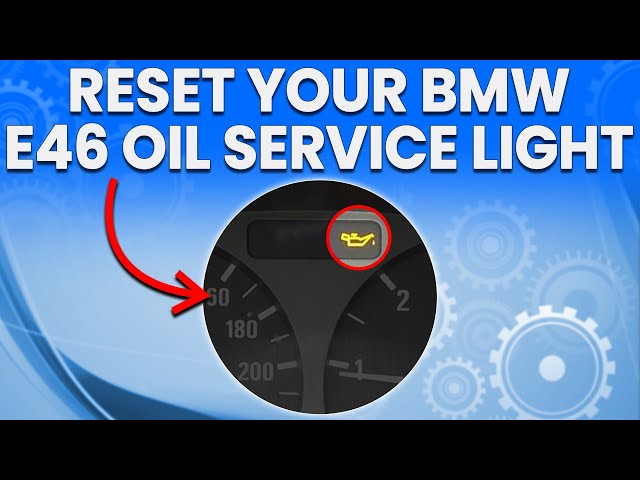
Is your BMW’s check engine light bothering you? That little warning can be frustrating, especially when you’re not sure what triggered it or how to turn it off.
But don’t worry—you can take control and reset that light yourself without spending a fortune at the mechanic. You’ll discover simple, step-by-step methods to reset the check engine light on your BMW quickly and safely. Keep reading, and you’ll learn how to get your dashboard back to normal and drive with confidence again.

Credit: www.ancel.com
Causes Of Check Engine Light
The check engine light on a BMW signals a problem within the vehicle’s system. Understanding its causes helps in addressing the issue quickly. Various factors can trigger this warning, each affecting your car differently. Knowing what causes the light to turn on is key to maintaining your BMW’s health.
Common Issues Triggering The Light
- Loose or damaged gas cap
- Faulty oxygen sensor
- Malfunctioning catalytic converter
- Problems with spark plugs or ignition coils
- Issues with the mass airflow sensor
- Vacuum leaks in the engine
- Battery or charging system faults
Impact On Vehicle Performance
A check engine light can indicate reduced fuel efficiency. Engine misfires or rough idling may occur. The car might lose power or hesitate during acceleration. Emissions can increase, causing environmental harm. Ignoring the light might lead to costly repairs. Detecting problems early keeps your BMW running smoothly.
Tools Needed For Reset
A diagnostic scanner or OBD-II code reader is essential to reset the check engine light on a BMW. Basic tools like a wrench may help with battery disconnection if needed. These tools make the reset process easier and more accurate.
Resetting the check engine light on your BMW can feel like a daunting task, especially if you’re not familiar with the tools needed. But fear not! With the right equipment, you can tackle this with ease and confidence. Understanding the tools at your disposal will empower you to handle this task like a pro.Obd-ii Scanner Options
The OBD-II scanner is a must-have tool for resetting your BMW’s check engine light. There are various options available, ranging from basic to advanced models. – Basic Scanners: These are cost-effective and provide essential functions like reading and clearing error codes. Brands like Autel and Innova offer reliable models that are user-friendly. – Advanced Scanners: If you’re looking for more detailed diagnostics, consider investing in a professional-grade scanner. These tools not only clear codes but also offer live data monitoring and advanced diagnostics. Options like the Foxwell NT510 Elite or the Carly Scanner are popular among BMW enthusiasts. The right scanner can save you a trip to the mechanic and help you understand what’s happening under the hood.Alternative Tools And Apps
Don’t have an OBD-II scanner? No worries! There are alternative tools and apps that can assist in resetting your check engine light. – Smartphone Apps: Apps like Torque or BimmerLink can turn your smartphone into a diagnostic tool. With a compatible Bluetooth OBD-II adapter, these apps provide a convenient way to read and clear error codes. – DIY Tools: Some BMW models allow for manual reset through the car’s dashboard. This might involve a series of steps like turning the ignition on and off or using the odometer reset button. Check your car’s manual or online forums for specific instructions. Imagine the satisfaction of resolving an issue from the comfort of your garage. Which tool will you choose to conquer your car troubles?Step-by-step Reset Methods
Resetting the check engine light on your BMW can be simple with the right approach. Several effective methods exist to clear the warning light safely. Choose a method based on your tools and comfort level with car systems. Follow these clear steps to reset the check engine light and keep your BMW running smoothly.
Using An Obd-ii Scanner
An OBD-II scanner reads error codes stored in your BMW’s computer. Connect the scanner to the car’s OBD-II port, usually under the dashboard. Turn the ignition on without starting the engine. Use the scanner to read and clear codes related to the check engine light. This method is accurate and prevents incorrect resets. It helps identify issues before clearing the warning.
Manual Reset Techniques
Manual reset can work for minor or temporary issues. Start by turning off the engine and removing the key. Disconnect the negative battery cable for about 15 minutes. This cuts power to the car’s computer, resetting stored codes. Reconnect the battery and start the engine. Watch if the check engine light turns off. This method can clear the light but may erase other settings.
Resetting Via Bmw Idrive System
Newer BMW models allow reset through the iDrive system. Turn on the car and access the main menu. Navigate to the vehicle status or settings section. Look for options related to vehicle checks or service requirements. Select the option to reset or clear the check engine light. Confirm your choice to complete the process. This method is convenient and keeps all vehicle data intact.
Precautions Before Resetting
Resetting the check engine light on your BMW requires care. Ignoring precautions can lead to bigger problems. The light warns of issues that need attention. Resetting without fixing them hides symptoms and can cause damage.
Follow these precautions to keep your car safe and running well. Understand the cause before clearing the warning. Proper diagnosis saves time and money in the long run.
Diagnosing Underlying Issues
Check engine light signals a problem in your BMW’s system. Use an OBD-II scanner to read the error codes. These codes show what part needs repair or attention.
Don’t reset the light without finding the root cause. It may be a loose gas cap, faulty sensor, or engine trouble. Fix the issue first. Resetting without repair can cause the light to return quickly.
When To Visit A Mechanic
Some problems need a professional’s skill to fix. Visit a mechanic if the check engine light flashes or stays on after resetting. Complex issues like engine misfires or transmission faults need expert care.
Trust your mechanic for accurate diagnosis and proper repair. Avoid guessing or ignoring the warning. Early action helps prevent costly repairs and keeps your BMW running smoothly.
Preventing Check Engine Light Recurrence
Seeing the check engine light come back on after resetting it can be frustrating. Preventing this recurrence means taking a proactive approach to your BMW’s health. By staying on top of maintenance and keeping an eye on key systems, you reduce surprises and costly repairs down the road.
Regular Maintenance Tips
Keeping your BMW in top shape starts with consistent maintenance. Regular oil changes, air filter replacements, and spark plug checks help your engine run smoothly and avoid triggering the check engine light.
Don’t overlook fluid levels—coolant, brake fluid, and transmission fluid all play a role in your car’s performance. Using manufacturer-recommended parts and fluids ensures compatibility and reliability.
When was the last time you checked your vehicle’s maintenance schedule? Sticking to it can keep minor issues from becoming major headaches.
Monitoring Vehicle Health
Modern BMWs come equipped with diagnostic systems that can warn you before a small problem becomes a big one. Using an OBD-II scanner allows you to read error codes and understand what’s going on under the hood.
Keep an eye on how your car drives—any strange noises, changes in fuel efficiency, or unusual vibrations deserve attention. Early detection often means easier fixes.
Have you considered apps or devices that connect to your car’s diagnostics? They can provide real-time updates and help you track repairs or maintenance history efficiently.
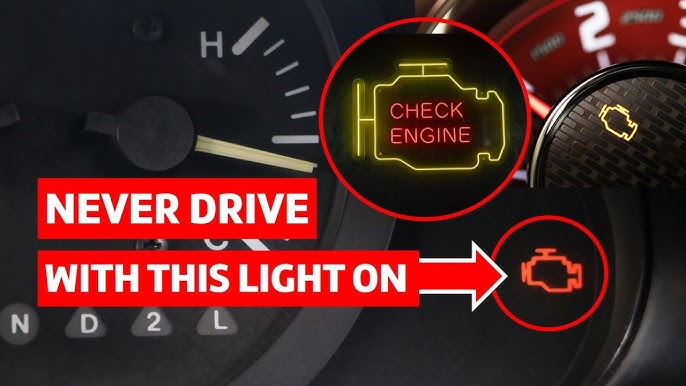
Credit: www.youtube.com
Credit: www.bmw-driver.net
Frequently Asked Questions
How Do I Reset The Check Engine Light On A Bmw?
To reset the check engine light on a BMW, use an OBD-II scanner. Connect it to the car’s port, read codes, and clear them. Alternatively, disconnect the battery for 15 minutes to reset the system manually.
Can I Reset The Bmw Check Engine Light Without A Scanner?
Yes, you can reset it by disconnecting the battery for 15 minutes. This cuts power and clears error codes. However, using an OBD-II scanner is more reliable and helps identify underlying issues.
What Causes The Check Engine Light To Turn On In Bmw?
The light can activate due to faulty sensors, loose gas caps, or emission system problems. Regular maintenance and diagnostics help prevent or quickly fix these issues.
How Often Should I Reset The Check Engine Light On Bmw?
Only reset the light after fixing the problem causing it. Frequent resets without repair may mask serious engine issues and lead to further damage.
Conclusion
Resetting the check engine light on your BMW is simple with the right steps. Always check your car’s manual for specific instructions. Use a scanner or disconnect the battery to clear the light. Remember, the light may come back if the issue remains.
Regular car maintenance helps avoid engine problems. Stay safe by addressing warning lights quickly. Keep your BMW running smoothly and enjoy every drive.