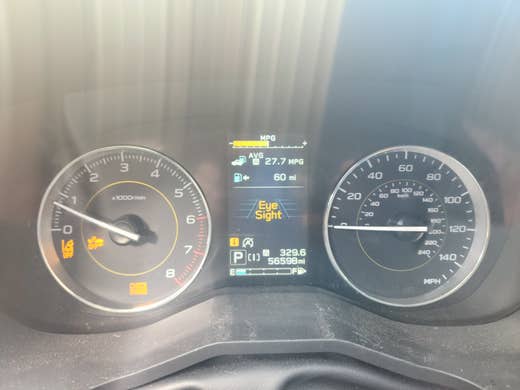
Are you struggling to get your Subaru’s eyesight system back on track? If your car’s eyesight feature isn’t working properly, it can be frustrating and even risky.
But don’t worry—you can reset it yourself, and it’s easier than you think. You’ll discover simple, step-by-step instructions to reset your Subaru’s eyesight system quickly and safely. Keep reading to regain full control of your vehicle’s safety features and drive with confidence again.
What Is Subaru Eyesight
Subaru Eyesight is an advanced driver-assist technology designed to enhance safety and reduce the risk of accidents. It acts like an extra set of eyes on the road, constantly monitoring your surroundings to help you stay alert and in control. Understanding what Subaru Eyesight does can help you use it more effectively and feel confident behind the wheel.
How Subaru Eyesight Works
Subaru Eyesight uses two cameras mounted near the rearview mirror to scan the road ahead. These cameras track vehicles, lane markings, and pedestrians in real time. The system processes this data to warn you of potential hazards and even take action to avoid collisions.
Think about a time when you almost missed a sudden stop from the car in front. Eyesight’s pre-collision braking can apply the brakes automatically if you don’t react quickly enough. This feature has saved many drivers from fender benders and more serious crashes.
Key Features Of Subaru Eyesight
- Adaptive Cruise Control:Maintains a safe distance from the car ahead, adjusting speed smoothly.
- Pre-Collision Braking:Helps avoid or lessen the impact of frontal collisions by applying brakes.
- Lane Departure and Sway Warning:Alerts you if you drift out of your lane unintentionally.
- Lead Vehicle Start Alert:Notifies you when the car ahead starts moving after a stop.
These features make driving less stressful, especially in heavy traffic or on long trips. Have you ever experienced fatigue behind the wheel? Eyesight can act as a helpful reminder to stay focused.
Why Subaru Eyesight Matters For Your Safety
Subaru Eyesight doesn’t replace your attention but supports it by catching things you might miss. The system’s early warnings give you extra time to react, which can be crucial in preventing accidents. Many drivers report feeling more confident and secure knowing Eyesight is watching out for them.
Imagine your daily commute with fewer close calls or sudden stops. Isn’t that the kind of peace of mind you want every time you drive?
Credit: www.ascentforums.com
When To Reset Eyesight
Knowing when to reset your Subaru Eyesight system is key to keeping it functioning properly and ensuring your safety on the road. The system relies on accurate calibration to detect vehicles, pedestrians, and lane markings. If it’s not reset at the right times, you could face reduced performance or false alerts.
Many Subaru owners overlook the signs that their Eyesight system needs a reset. Have you noticed unusual warnings, inconsistent alerts, or errors after a windshield replacement? These are clear indicators that a reset might be necessary to restore proper operation.
After Windshield Replacement Or Repair
The Eyesight system uses cameras mounted near the windshield to monitor the road. If your windshield is replaced or repaired, the alignment or clarity can change.
This affects the cameras’ view and can confuse the system. Resetting Eyesight after such work recalibrates the cameras and ensures they see the road correctly again.
Following Suspension Or Wheel Alignment Work
Have you recently had suspension repairs or a wheel alignment done? These changes can alter your vehicle’s stance and sensor angles.
Resetting Eyesight helps the system adjust to these changes, maintaining accurate lane detection and adaptive cruise control performance.
When You Experience System Warnings Or Errors
If your Eyesight display shows error messages or warnings, don’t ignore them. These alerts often mean the system has detected an issue with sensor calibration.
Resetting can clear errors and recalibrate the sensors to bring the system back to optimal condition. Ignoring these signs could reduce your safety on the road.
After Significant Impact Or Accident
In case of a collision or impact near the front of your vehicle, sensors might shift or become misaligned.
Resetting Eyesight after such events ensures the cameras and sensors are recalibrated to their correct positions, preventing malfunction or false readings.
Routine Maintenance And Software Updates
Sometimes, a reset is needed after a software update or during regular maintenance. This keeps the Eyesight system up to date and functioning smoothly.
Scheduling a reset during service visits can save you headaches and maintain system accuracy over time.
Tools Needed For Calibration
Resetting the eyesight on your Subaru requires specific tools to ensure accuracy and safety. Using the right equipment not only helps in precise calibration but also saves you time and frustration. Before you start, it’s important to gather all necessary tools to avoid interruptions during the process.
Obd-ii Scanner
An OBD-II scanner is essential for accessing your Subaru’s onboard computer system. It reads error codes and resets the adaptive settings related to engine and transmission functions. Without this tool, you might miss critical information that affects your car’s eyesight calibration.
Calibration Target Or Wall Chart
A calibration target or a specialized wall chart helps align sensors accurately. It provides a reference point for the Subaru’s camera and radar systems. Having a clear, flat surface with proper lighting will improve the precision of your adjustments.
Flat Surface And Measuring Tape
Setting your vehicle on a flat surface is crucial for accurate calibration. Use a measuring tape to ensure the car is positioned correctly relative to the calibration target. This setup minimizes errors caused by uneven ground or misalignment.
Vehicle Service Manual
Your Subaru’s service manual contains step-by-step instructions and specifications for eyesight calibration. It provides details on sensor locations and calibration values. Keeping this manual handy will guide you through the technical aspects confidently.
Basic Hand Tools
Simple hand tools like screwdrivers and wrenches might be needed to adjust sensor mounts or remove covers. Having these tools ready prevents delays when you need to make quick mechanical changes. It’s better to prepare these before starting the calibration process.
Preparing Your Vehicle
Preparing your Subaru for an eyesight reset ensures accuracy and safety. This process requires the vehicle to be in the right condition. Proper setup helps the system calibrate correctly. Follow these key steps to get your vehicle ready before starting the reset.
Park On A Level Surface
Choose a flat area to park your Subaru. A level surface ensures the sensors work properly. Uneven ground can cause false readings. Keep the vehicle steady and avoid slopes. This step is important for precise calibration.
Ensure Proper Lighting
Good lighting helps the system detect markings clearly. Park in a well-lit area or use garage lights. Avoid shadows or glare on sensor areas. Consistent light improves sensor performance. Check that headlights and sensors are clean and free of dirt.
Check Tire Pressure
Correct tire pressure affects vehicle height and sensor accuracy. Use a tire gauge to measure pressure. Inflate tires to the recommended levels found in the owner’s manual. Uneven tire pressure can cause errors in the eyesight system. Keep all tires at the same pressure for best results.
Step-by-step Reset Process
Resetting your Subaru’s Eyesight system can feel daunting, but breaking it down into clear steps makes the process straightforward. Each part of the reset ensures your vehicle’s safety features work accurately, which is crucial for your peace of mind on the road. Let’s walk through the reset process carefully, so you can regain full confidence in your Eyesight system.
Accessing The Eyesight System
Start by turning on your Subaru and locating the Eyesight system menu on the central display. This menu is usually found within the vehicle settings or driver assistance section. If you’re unsure, your owner’s manual can point you directly to the right screen.
Once you’re in the menu, look for options related to calibration or system reset. This is your gateway to initiating the reset process. Have you noticed any alerts or warnings on your display before accessing this menu? It’s a good hint that a reset is needed.
Initiating Calibration Mode
After accessing the reset option, select it to enter calibration mode. This mode prepares the system to realign the cameras and sensors that monitor your surroundings. It’s important to keep your vehicle stationary during this step to avoid errors.
Some Subaru models require you to press and hold a button to confirm you want to start calibration. This safety measure prevents accidental resets. Think about the last time you needed a recalibration—did you follow these steps or miss some?
Following On-screen Prompts
The system will guide you with clear on-screen instructions. These prompts may ask you to check your camera lenses for dirt or obstructions and ensure the vehicle is on a flat surface. Pay close attention; skipping these steps can cause the reset to fail.
Take your time responding to each prompt. If the system requests you to drive slowly for a short distance, do so carefully. This real-world calibration helps the Eyesight system adjust to your current environment and conditions.
Completing The Reset
When the prompts conclude, the system will confirm that calibration is complete. At this point, test your Eyesight features like adaptive cruise control or lane keep assist to ensure they respond correctly. If you notice any irregularities, repeat the reset or consult your dealer.
Resetting your Eyesight system yourself can save time and avoid unnecessary trips to the shop. Have you tried this reset before, or is this your first time? Taking control of your vehicle’s tech can boost your confidence and safety every time you drive.
Credit: www.subaruoutback.org
Common Issues During Reset
Resetting the eyesight system in your Subaru can be straightforward, but it’s not without its challenges. Common issues often pop up during the reset process, leaving many wondering what went wrong. Understanding these problems helps you troubleshoot quickly and get your car’s safety features back on track.
Calibration Errors
Calibration errors are among the most frequent hurdles during an eyesight reset. These happen when the system’s cameras or sensors fail to correctly align with the vehicle’s reference points.
You might see error messages or notice the system behaving unpredictably after a reset attempt. It often means the calibration process needs to be redone in a controlled environment, like a flat surface with proper lighting.
Have you checked if your Subaru is parked exactly as specified? Even slight misalignment can cause these errors.
Sensor Misalignment
Sensors can shift due to minor impacts, road vibrations, or even after maintenance work. Misalignment disrupts the accuracy of the eyesight system’s detection capabilities.
If the system flags a sensor issue, inspect the sensor mounts carefully. Sometimes, a simple adjustment or tightening fixes the problem without needing complex diagnostics.
Think about the last time your vehicle went through an off-road patch or a rough road. Could that have shifted your sensors?
Software Glitches
Software glitches are less visible but equally disruptive. They can cause the reset to fail or the system to malfunction intermittently.
Rebooting your vehicle’s system or performing a software update often clears these glitches. Subaru occasionally releases patches that improve system stability—make sure your car’s software is current.
If you notice inconsistent behavior after a reset, consider connecting your Subaru to a diagnostic tool to check for software anomalies.
Tips To Maintain Eyesight Accuracy
Maintaining the accuracy of your Subaru’s Eyesight system is crucial for safe driving. The system depends on clean sensors, updated software, and regular checks. Following simple tips helps keep the system working correctly and prevents errors.
Regular Sensor Cleaning
Clean sensors allow the Eyesight system to detect roads and obstacles clearly. Dirt, dust, or debris can block sensors and cause false readings. Use a soft cloth to gently wipe the cameras and sensors on your vehicle. Avoid harsh chemicals that might damage the lenses. Regular cleaning keeps the system sharp and reliable.
Software Updates
Subaru releases software updates to improve Eyesight performance. These updates fix bugs and add new features for better safety. Check for updates at your local dealership or through Subaru’s official channels. Keeping the software current ensures the system runs smoothly and adapts to new road conditions.
Professional Inspections
Schedule professional inspections for your Eyesight system. Experts can test sensor alignment and system calibration. They detect hidden problems that may not be obvious to drivers. Regular inspections help maintain the system’s accuracy and reliability. Trust trained technicians to keep your Eyesight in top condition.

Credit: www.youtube.com
When To Seek Professional Help
Knowing when to seek professional help is crucial if you want to protect and possibly reset your eyesight. While some minor vision changes might seem manageable at home, certain signs should never be ignored. Recognizing these red flags can save your vision and prevent long-term damage.
Sudden Changes In Vision
If you experience a sudden blurring, double vision, or complete loss of sight in one or both eyes, you need immediate medical attention. These could be symptoms of serious conditions like retinal detachment or stroke. Don’t wait to see if it improves on its own—act quickly.
Persistent Eye Pain Or Discomfort
Occasional eye strain is normal, especially after long screen time. However, ongoing pain, throbbing, or a feeling of pressure should prompt a visit to an eye specialist. Ignoring persistent discomfort might allow underlying issues like glaucoma to worsen.
Flashing Lights Or Floaters
Seeing flashes of light or a sudden increase in floaters can indicate retinal problems. These symptoms often appear before serious damage occurs. If these signs appear, consult an ophthalmologist promptly to assess your eye health.
Difficulty Seeing At Night Or In Low Light
Struggling to see clearly in dim environments could signal early cataracts or vitamin deficiencies affecting your vision. If night vision progressively worsens, professional evaluation is necessary to identify and treat the cause.
Changes In Color Perception
Noticing that colors look faded or washed out may be more than just aging eyes. This can be an early sign of eye diseases such as optic neuritis or macular degeneration. Don’t hesitate to get your vision checked if colors seem off.
Regular Eye Exams And Monitoring
Even without noticeable symptoms, scheduling regular eye exams is vital. Eye professionals can detect problems before you do and recommend the best course of action. How often do you get your eyes checked? If it’s been a while, consider making an appointment today.
Frequently Asked Questions
How Do I Reset Subaru Eyesight Manually?
To reset Subaru Eyesight manually, turn off the engine and restart the car. Ensure all sensors are clean and unobstructed. If issues persist, consult your Subaru manual. Always ensure the system has no active alerts before attempting a manual reset.
For persistent problems, contact a Subaru dealership.
Why Does Subaru Eyesight Need Resetting?
Subaru Eyesight may need resetting after sensor obstructions or software updates. It ensures optimal performance and safety. Regular resets help maintain system accuracy. If the system frequently requires resetting, it may indicate an underlying issue. Always keep the sensors clean for consistent functionality.
Can Subaru Eyesight Be Reset By Disconnecting The Battery?
Disconnecting the battery can reset Subaru Eyesight temporarily. However, it might not fix underlying issues. This method should be a last resort. Always address sensor cleanliness and software updates first. For consistent problems, visiting a Subaru service center is recommended.
What Are The Common Issues With Subaru Eyesight?
Common issues include sensor obstruction, software glitches, and environmental interference. Regular maintenance and cleaning can prevent most problems. Always ensure the sensors are clean and unobstructed. If issues persist, contact a Subaru professional for detailed diagnostics and assistance.
Conclusion
Resetting the eyesight on your Subaru is simple with these steps. Follow the guide carefully to avoid mistakes. Regular checks keep your vision system working well. Stay patient and take your time during the process. Proper care helps maintain clear eyesight for safer drives.
Keep this method handy for future use. Clear vision makes every drive more comfortable and safe.