Is your Audi feeling less powerful or struggling with low pressure? You’re not alone, and the good news is that you don’t have to be a mechanic to fix it.
Knowing how to reset loss of pressure in your Audi can save you time, money, and stress. You’ll discover simple, clear steps that anyone can follow to get your car running smoothly again. Keep reading—your Audi will thank you.
Signs Of Pressure Loss
Recognizing the signs of pressure loss in your Audi is key to addressing the problem before it worsens. Pressure issues can sneak up on you, showing subtle hints that often go unnoticed. Understanding these signs helps you act quickly and keep your vehicle running smoothly.
Common Symptoms
You might notice your Audi’s tires feeling softer than usual or a warning light appearing on your dashboard. Sudden vibrations while driving and an unusual hissing sound near the tires can also signal pressure loss. Sometimes, the car may pull slightly to one side, making steering feel off balance.
Have you ever ignored a tire warning light and then felt the difference in handling? That small alert is your vehicle’s way of telling you something needs attention. Don’t wait for a flat tire to force your hand—spotting these symptoms early can save you time and money.
Impact On Vehicle Performance
Pressure loss affects more than just tire wear; it directly influences how your Audi drives. Reduced tire pressure increases rolling resistance, which lowers fuel efficiency and makes your engine work harder. This means you’ll spend more on gas and may notice sluggish acceleration.
Handling and braking also suffer when pressure drops. Your Audi may feel less stable, especially during cornering or emergency stops, increasing the risk of accidents. Paying attention to how your car responds on the road can alert you to pressure problems before they become serious safety issues.

Credit: www.youtube.com
Causes Of Pressure Loss In Audi
Loss of pressure in an Audi can affect its performance and safety. Understanding the causes helps in quick diagnosis and fixing. Various factors lead to pressure loss, from physical damage to worn parts. Identifying these causes early prevents bigger issues and costly repairs.
Leaks And Damages
Leaks are a common cause of pressure loss. Small holes or cracks in hoses, seals, or the radiator let air or fluid escape. Road debris or accidents can cause visible damage. Even minor leaks reduce system efficiency and pressure.
Faulty Components
Some Audi parts may fail and cause pressure problems. Faulty valves, sensors, or pumps disrupt normal pressure levels. Malfunctioning parts often trigger warning lights on the dashboard. Replacing these components restores proper pressure.
Regular Wear And Tear
Over time, parts wear out naturally. Gaskets, seals, and hoses lose elasticity and crack. Regular use causes slow pressure drops. Scheduled maintenance helps spot wear early. Replacing worn parts maintains stable pressure in the car.
Tools Needed For Reset
Resetting the loss of pressure in an Audi requires the right tools. Without proper equipment, the process can be difficult and may not work correctly. Preparing the necessary tools saves time and avoids frustration. Some tools are common and easy to find. Others are specific to Audi vehicles and improve accuracy.
Basic Equipment
- Pressure gauge – to check tire pressure precisely
- Tire inflator or air compressor – to add air as needed
- Valve core tool – for removing and installing valve cores
- Digital multimeter – for basic electrical checks
- Standard hand tools – such as screwdrivers and pliers
These tools help with basic checks and adjustments. They are useful for most pressure-related issues. Easy to use and usually affordable.
Specialized Audi Tools
- VCDS (VAG-COM Diagnostic System) – for advanced diagnostics and resets
- OEM scan tool – specific to Audi models for precise control
- TPMS reset tool – designed to reset tire pressure monitoring systems
- OBD-II scanner – to read and clear error codes
- Specialized adapter cables – for connecting diagnostic tools
These tools connect directly to your Audi’s computer. They help reset sensors and clear warning lights. Investing in them ensures a reliable and smooth reset.
Step-by-step Reset Process
Resetting the loss of pressure in an Audi requires a clear and simple approach. This step-by-step reset process guides you through each phase. Follow the instructions carefully to restore proper sensor function and maintain vehicle safety.
Preparation
Start by parking your Audi on a flat surface. Turn off the engine and remove the key. Check tire pressures and adjust them to the recommended levels. Gather any necessary tools, such as a tire pressure gauge or an OBD-II scanner. Make sure the car battery is fully charged to avoid interruptions during the reset.
Resetting Pressure Sensors
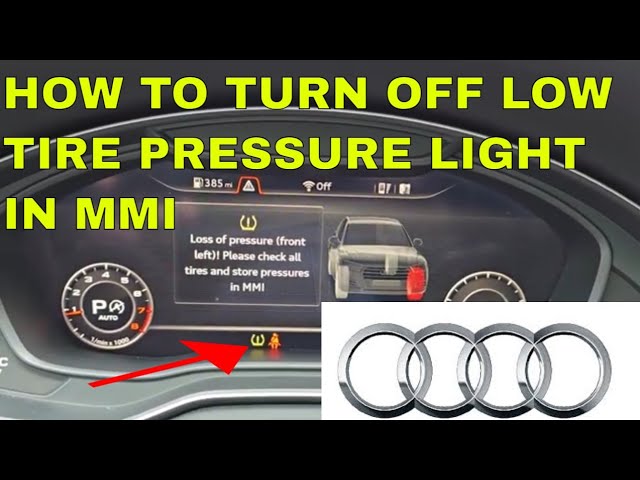
Switch on the ignition without starting the engine. Locate the tire pressure reset button, usually found under the steering wheel or in the glove compartment. Press and hold the reset button until the tire pressure warning light blinks three times. Release the button and wait for the system to recalibrate the sensors. Some Audi models may require using the car’s infotainment system to access the tire pressure menu and initiate the reset.
Verifying System Status
Start the engine and let it run for a few minutes. Watch the dashboard for the tire pressure warning light. It should turn off, indicating a successful reset. Drive the car slowly to allow the sensors to update readings. Check the tire pressure display on the dashboard or infotainment screen. If the warning light remains, repeat the reset process or consult a professional mechanic.
Tips To Prevent Future Pressure Loss
Preventing future loss of pressure in your Audi is all about staying proactive. It requires regular care and quick action when issues arise. By paying attention to small signs early, you can avoid bigger, costly problems down the road.
Routine Maintenance
Keeping your Audi’s tire pressure in check starts with routine maintenance. Check the tire pressure at least once a month using a reliable gauge. Tires naturally lose air over time, so topping them up regularly helps maintain optimal pressure.
Don’t forget to inspect your tires for cuts, cracks, or punctures. Even small damages can lead to slow leaks that are easy to miss. Rotating your tires every 5,000 to 7,000 miles also promotes even wear, reducing the risk of pressure loss.
Timely Repairs
Ignoring warning signs like dashboard alerts or unusual handling can make pressure problems worse. If you notice your Audi pulling to one side or a sudden drop in tire pressure, get it checked immediately. Quick repairs prevent damage to your tires and rims.
Have your valve stems and caps checked regularly too. Sometimes, air escapes from faulty valves, which is a hidden cause of pressure loss. Replacing worn-out parts promptly saves you from unexpected flat tires and unsafe driving conditions.

Credit: www.youtube.com
When To Seek Professional Help
Knowing when to seek professional help is important for fixing pressure loss in your Audi. Some problems need expert skills and tools. Trying to fix these issues alone can cause more damage or lead to unsafe situations.
Complex Issues
Some pressure loss problems are not simple. If the cause is deep inside the system, a professional should check it. Complex issues include:
- Faulty sensors or electronic control units
- Damaged fuel pumps or injectors
- Leaks in hard-to-reach places
Special tools and knowledge are needed to diagnose and repair these. Professionals have the right equipment to handle such repairs safely and correctly.
Safety Concerns
Pressure loss can sometimes create unsafe driving conditions. If you notice:
- Sudden engine stalling
- Unusual noises or smells
- Warning lights on the dashboard
Stop driving immediately and contact a mechanic. Ignoring these signs can harm your car or cause accidents. Safety must be the top priority when dealing with pressure issues.

Credit: www.audiservicela.com
Frequently Asked Questions
How To Identify Loss Of Pressure In Audi?
Loss of pressure in an Audi is often indicated by dashboard warning lights. Check tire pressure regularly with a gauge. Sudden changes in driving feel or unusual noises can also signal pressure issues. Always consult your vehicle’s manual for specific guidance related to your Audi model.
What Causes Pressure Loss In Audi Tires?
Pressure loss in Audi tires is often due to punctures, valve stem issues, or temperature changes. Regular maintenance and inspections help detect these problems early. Ensure your tires are properly inflated to manufacturer specifications to prevent pressure loss and improve vehicle safety and performance.
Can I Reset Audi Pressure Loss Warning?
Yes, you can reset Audi pressure loss warnings using the vehicle’s infotainment system. Navigate to the tire pressure monitoring section. Follow the prompts to recalibrate the sensors. Ensure all tires are properly inflated before resetting. Refer to your Audi manual for detailed instructions specific to your model.
Why Is My Audi Tire Pressure Light On?
The Audi tire pressure light activates when there’s a significant pressure drop in one or more tires. This might be due to a puncture, temperature fluctuation, or faulty sensor. Check tire pressure manually and inflate to recommended levels. If the issue persists, consult a professional technician for further inspection.
Conclusion
Resetting loss of pressure in your Audi helps keep it running well. Follow the steps carefully for the best results. Regular checks prevent pressure problems from getting worse. Stay calm and take your time during the process. If the issue stays, ask a professional for help.
Simple actions can save you time and money. Keep your Audi safe and smooth by handling pressure issues quickly. Remember, small fixes make a big difference in car health.