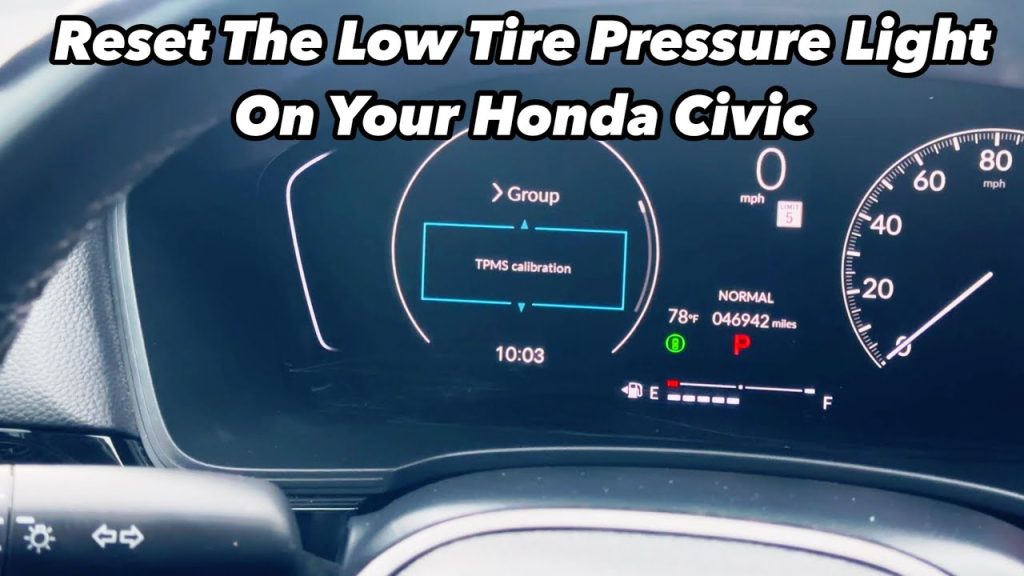
If you’ve ever seen the tire pressure light come on in your Honda Civic, you know it can be confusing and a little frustrating. But don’t worry—resetting that light is easier than you might think.
You’ll discover simple, step-by-step instructions to get your tire pressure light back to normal quickly. Whether you’re dealing with a flat tire or just finished inflating your tires, this guide is made to help you get on the road safely without any guesswork.
Keep reading to learn exactly what you need to do to reset your Honda Civic’s tire pressure light and avoid unnecessary trips to the mechanic.

Credit: www.youtube.com
Why Tire Pressure Light Comes On
The tire pressure light on a Honda Civic alerts you about issues with your tires. It turns on to warn that the pressure in one or more tires is too low. This light helps keep your driving safe and your tires in good condition. Understanding why this light comes on can help you fix the problem quickly.
Common Causes
- Slow leaks from nails or sharp objects
- Temperature changes causing pressure drop
- Damaged or worn tire valves
- Improperly inflated tires from last service
- Faulty tire pressure monitoring sensors
Impact Of Low Tire Pressure
Low tire pressure can reduce fuel efficiency and increase tire wear. It makes driving less safe by affecting handling and braking. Tires with low pressure overheat, risking a blowout. Maintaining correct pressure improves your car’s performance and safety. The tire pressure light helps you avoid these risks by alerting you early.
Tools Needed For Reset
Resetting the tire pressure light on a Honda Civic requires some basic tools. These tools help check and adjust the tire pressure accurately. Having the right equipment makes the process smooth and safe.
The most essential tools include a tire pressure gauge and an air compressor or pump. Both are easy to find and simple to use for maintaining proper tire pressure.
Tire Pressure Gauge
A tire pressure gauge measures the air pressure inside the tires. It ensures tires are inflated to the correct level. Using this tool prevents overinflation or underinflation, which can cause poor handling or tire damage.
There are different types of gauges:
- Digital gauges – easy to read with a clear display.
- Dial gauges – use a needle to show pressure.
- Stick gauges – simple and compact, slide out to measure.
Choose one that fits your preference and budget.
Air Compressor Or Pump
An air compressor or pump adds air to the tires as needed. Maintaining the right pressure keeps the car safe and fuel-efficient. Air compressors often plug into the car’s power outlet for easy use.
Manual pumps also work well but require more effort. Some gas stations provide air compressors for free or a small fee. Make sure the device has a pressure gauge or use the tire pressure gauge separately to check.
Check And Adjust Tire Pressure
Checking and adjusting your tire pressure is a crucial step to reset the tire pressure light on your Honda Civic. Proper tire pressure not only keeps you safe but also improves fuel efficiency and tire life. Let’s break down how to find the right pressure and ensure your tires are correctly inflated.
Locate Recommended Pressure
Your Honda Civic’s recommended tire pressure is usually found on a sticker inside the driver’s side door jamb. It lists the ideal PSI (pounds per square inch) for both front and rear tires.
Using the correct pressure is essential because overinflated or underinflated tires can cause uneven wear and affect handling. Don’t guess or use the number on the tire sidewall; that number shows the maximum pressure, not the recommended one.
Inflate Tires To Correct Level
Use a reliable tire pressure gauge to check each tire’s current pressure. Remove the valve cap, press the gauge firmly onto the valve stem, and read the pressure.
If the pressure is too low, add air using an air compressor at a gas station or a portable pump. If it’s too high, release some air by pressing the valve stem gently until you reach the right level.
After adjusting, double-check each tire to make sure the pressure matches the recommended PSI exactly. Have you ever skipped this step and noticed your tire pressure light coming back on quickly? Taking the time here saves you from that hassle.

Credit: www.youtube.com
Resetting The Tire Pressure Light
Resetting the tire pressure light on your Honda Civic is a straightforward task. This light comes on when tire pressure is low or when the system needs recalibration. Resetting it ensures your car’s safety features work properly. Follow these simple methods to clear the warning and keep your tires in check.
Using The Tpms Button
Locate the TPMS button inside your Honda Civic. It is usually under the steering wheel or near the glove box. Press and hold the button until the tire pressure light blinks twice. Release the button and wait for the light to turn off. This process resets the tire pressure monitoring system quickly and easily.
Through The Dashboard Menu
Turn the ignition to the ON position without starting the engine. Use the arrow buttons on the steering wheel to navigate to the vehicle settings menu. Select “Tire Pressure” or “TPMS” from the options. Choose “Reset” and confirm your selection. The dashboard will show a message confirming the reset is complete.
Manual Reset Methods
Check all tires and inflate them to the recommended pressure listed in the owner’s manual. Drive the car at a speed above 30 mph for about 10 minutes. The tire pressure light should turn off automatically after this. If it stays on, repeat the process or try the other reset methods.
When To Visit A Mechanic
Knowing when to visit a mechanic for your Honda Civic’s tire pressure light can save you time, money, and potential safety risks. Sometimes, resetting the light isn’t enough if there’s an underlying issue. Recognizing the signs that require professional help is key to keeping your car in top shape.
Persistent Light Issues
If your tire pressure light keeps coming back on even after you’ve checked and adjusted the tire pressure, it’s a sign to see a mechanic. This could mean there’s a slow leak or damage to the tire that’s not obvious at first glance. Ignoring this could lead to a flat tire or uneven tire wear, costing more in the long run.
Have you noticed the light flickering or staying on without reason? A mechanic can perform a thorough inspection and pinpoint the exact cause. Don’t wait for the light to turn into a bigger problem.
Sensor Malfunctions
The tire pressure monitoring system (TPMS) relies on sensors in each tire. If these sensors fail or send incorrect data, the warning light may stay on or flash erratically. This is not something you can fix by simply resetting the light yourself.
Sometimes sensors fail due to battery issues or physical damage. Mechanics have the tools to diagnose sensor problems and replace them if necessary. Would you want to drive with unreliable tire pressure data? Getting this checked ensures your safety on the road.
Tips For Maintaining Proper Tire Pressure
Maintaining proper tire pressure is key to keeping your Honda Civic safe and efficient. Tires with the right pressure improve fuel economy, enhance handling, and extend tire life. But how often do you really check your tires? Here are some practical tips to help you stay on top of your tire pressure.
Regular Pressure Checks
Check your tire pressure at least once a month and before long trips. Tires naturally lose air over time, so even if you don’t see a flat, the pressure could be low. Use a reliable tire pressure gauge and compare the readings to the recommended pressure found in your Civic’s owner manual or on the driver’s side door jamb.
Make it a habit to check when tires are cold, meaning the car hasn’t been driven for a few hours. This gives you the most accurate reading. If you notice your tire pressure light frequently turning on, it might be a sign to check more often or inspect for leaks.
Seasonal Adjustments
Temperature changes affect tire pressure significantly. Air contracts in cold weather and expands in heat, causing your tires to lose or gain pressure unexpectedly. During winter, your tires could be underinflated without you realizing it, impacting traction and safety.
Adjust your tire pressure as the seasons change. When the temperature drops, add a few extra PSI to your tires to compensate for the loss. Don’t forget to reduce it back in warmer months to avoid overinflation, which can cause uneven tire wear.
Have you ever noticed your car handles differently when the weather shifts? That’s often a sign your tire pressure needs attention. Paying attention to these changes keeps your Honda Civic running smoothly all year round.

Credit: www.germainhondaofsurprise.net
Frequently Asked Questions
How Do I Know If My Tire Pressure Light Is On?
If your tire pressure light is on, you’ll see a warning symbol on the dashboard. It usually looks like an exclamation mark inside a horseshoe. This indicates that one or more tires are underinflated and need attention.
Why Does My Tire Pressure Light Stay On?
The tire pressure light stays on if your tires are underinflated. It can also remain on due to a faulty sensor. Always check tire pressure first. If it’s correct, consult a mechanic to inspect the sensor.
Can Cold Weather Affect The Tire Pressure Light?
Yes, cold weather can cause the tire pressure light to activate. Cold temperatures decrease tire pressure, triggering the warning light. It’s important to regularly check and adjust tire pressure during colder months.
How Often Should I Check My Tire Pressure?
You should check your tire pressure at least once a month. Regular checks ensure safe driving conditions and optimal fuel efficiency. Always use a reliable gauge to get accurate readings.
Conclusion
Resetting the tire pressure light on your Honda Civic is simple. Check each tire’s pressure first. Inflate them to the recommended level. Then, use the reset button inside your car. The light should turn off soon. This keeps you safe and saves fuel.
Regularly check tire pressure for best results. Staying alert helps avoid bigger car problems. Take a few minutes to maintain your vehicle. It’s an easy step with good benefits. Keep your ride smooth and safe every day.