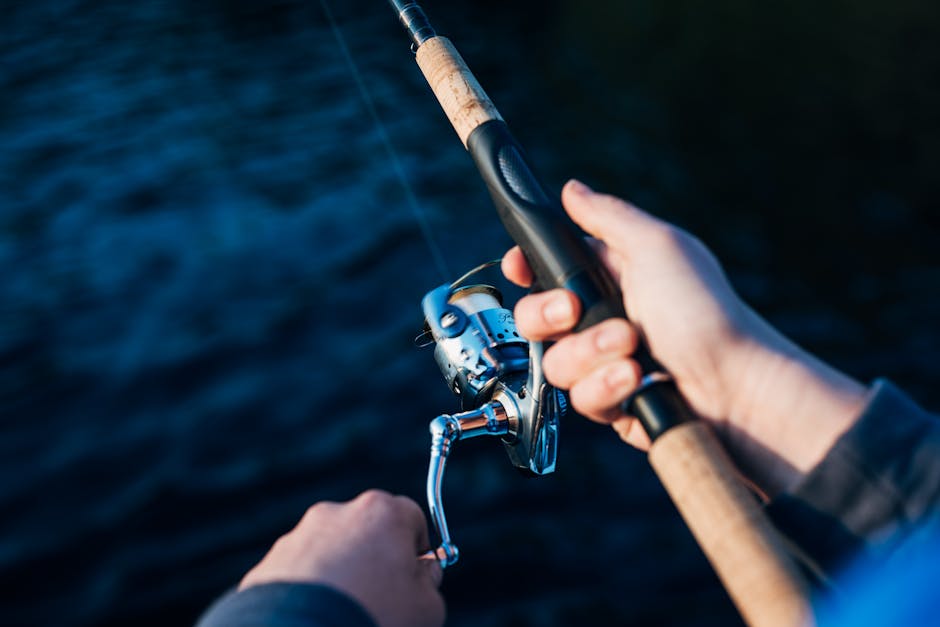
If you’ve ever dealt with tangled, worn-out, or old fishing line, you know how frustrating it can be. Respooling your fishing line might sound tricky, but it’s actually easier than you think—and it can make a huge difference in your fishing experience.
Whether you want to improve casting distance, prevent line breaks, or just keep your gear in top shape, learning how to respool your fishing line is a skill every angler should have. Stick with me, and I’ll show you simple steps that save you time, money, and frustration on your next fishing trip.
Ready to get your reel back in perfect working order? Let’s dive in.
Tools And Materials Needed
Respooling a fishing line means putting new line on your reel. It helps keep your fishing gear ready to use.
You need some basic tools and materials before you start. Choosing the right items makes the process easier.
Choosing The Right Fishing Line
Select a fishing line that fits your fishing style and target fish. Different lines have different strengths and uses.
Consider the line’s material, strength, and thickness. These factors affect how well it works with your reel and fishing needs.
- Monofilament: Good for beginners, stretches well
- Fluorocarbon: Less visible in water, sinks faster
- Braid: Strong and thin, no stretch
Selecting A Compatible Reel
Make sure your reel matches the fishing line you choose. The reel should hold the line without problems.
Check the reel’s line capacity and type. Some reels work better with certain lines than others.
- Spinning reels: Easy to use, fit most lines
- Baitcasting reels: Best for heavy lines and big fish
- Spincast reels: Good for beginners, simple design
Additional Supplies
Besides line and reel, gather other supplies to help you spool the line smoothly and safely.
- Scissors or line cutter to trim the line
- Small screwdriver to open reel parts if needed
- New reel grease to keep parts moving well
- A pencil or spooler tool to hold the line spool
- Clean cloth to wipe off dirt and old grease
Preparing The Reel
Before you respool a fishing line, prepare your reel carefully. This helps the new line go on smoothly and last longer.
Cleaning and removing old line are important first steps. These tasks keep your reel working well.
Removing Old Line
Remove the old fishing line completely before adding new line. Old line can cause tangles and reduce casting distance.
Start by opening the bail arm and pulling the line off the spool. If the line is stuck, cut it with scissors and pull it off in pieces.
- Open the bail arm on your reel
- Pull the old line off slowly
- Cut line if it is tangled or stuck
- Dispose of old line safely
Cleaning The Spool
Clean the spool to remove dirt, salt, and debris. This keeps the reel spinning freely and protects the new line.
Use a soft cloth and mild soap with water to wipe the spool. Dry it completely before adding new line to avoid rust and damage.
- Wipe the spool with a damp cloth
- Use mild soap if needed
- Remove all dirt and salt
- Dry the spool fully before use
Attaching The New Line
Attaching a new fishing line is a key task when respooling. It ensures the line stays secure during fishing.
Follow the right steps to connect the line firmly to the spool. This helps prevent slippage and tangles.
Securing The Line To The Spool
Start by threading the new line through the rod guides. Then, wrap the line around the spool.
- Leave a few inches of loose line past the spool edge.
- Tie the line to the spool’s anchor point.
- Make sure the line sits flat and tight against the spool.
- Hold the line firmly to avoid slipping as you reel.
Tightening The Knot
Tighten the knot to lock the line in place. A strong knot stops the line from coming loose.
| Knot Type | Use | Key Point |
|---|---|---|
| Arbor Knot | Secures line to spool | Knot must be tight |
| Uni Knot | Strong and easy to tie | Pull slowly to tighten |
| Improved Clinch Knot | For attaching hooks | Wrap line 5-7 times |
After tightening, trim excess line close to the knot. This keeps the spool neat and ready for use.

Credit: www.reddit.com
Winding The Line
Respooling a fishing line is important for smooth casting. Proper technique ensures the line lasts longer.
Follow these steps to wind your line correctly and avoid common issues.
Maintaining Proper Tension
Keeping the right tension prevents loose loops and tangles. Hold the line between your fingers while winding.
- Pinch the line lightly to maintain tension
- Adjust grip if tension feels too tight or too loose
- Monitor the line’s path to the spool
Avoiding Line Twists
Line twists can cause tangles and reduce casting distance. Make sure the line is straight before winding.
Filling The Spool Correctly
Fill the spool to the right level for better performance. Overfilling can lead to unwanted line release.
| Spool Size | Line Capacity |
| Small | 100 yards |
| Medium | 150 yards |
| Large | 200 yards |
Final Adjustments
After respooling your fishing line, some final steps ensure your setup works well. These adjustments help avoid problems and improve your fishing experience.
Pay close attention to trimming excess line and testing your casting. These simple checks keep your gear ready for action.
Trimming Excess Line
Cutting the extra fishing line is important to prevent tangles and improve performance. Leave a small amount of line outside the spool for easy tying.
- Use sharp scissors or line cutters for a clean cut.
- Leave about 6 inches of line beyond the spool edge.
- Secure the line end with a rubber band or clip to stop it from slipping.
- Check the line for any frays or weak spots before trimming.
Checking For Smooth Casting
Testing how smoothly your line casts helps find issues early. A smooth cast reduces the chance of snags and line breaks.
| Check Point | What to Look For | Action Needed |
| Line Flow | Line should flow freely without hesitation. | Rewind if line bunches or sticks. |
| Drag Setting | Drag should resist smoothly without jerks. | Adjust drag knob for steady tension. |
| Reel Handle | Handle turns without rough spots or noise. | Lubricate or tighten handle if needed. |
| Line Tension | Line stays tight on spool with no slack. | Tighten spool tension knob if slack appears. |

Credit: www.youtube.com
Tips For Longevity
Respooling your fishing line correctly helps it last longer. Proper care keeps the line strong and ready to use.
Follow simple steps to store and maintain your fishing line. This prevents damage and extends its life.
Storing Your Fishing Line
Keep your fishing line in a cool, dry place. Avoid direct sunlight as it can weaken the line over time.
Use a sealed container or plastic bag to protect your line from dust and moisture. This stops the line from getting brittle.
- Store line away from heat and sunlight
- Keep it in a dry, sealed container
- Do not store near chemicals or solvents
- Check line regularly for signs of wear
Regular Maintenance
Check your fishing line before each use. Look for cuts, nicks, or weak spots that could cause breaks.
Clean your line after fishing, especially if you used it in saltwater. Rinse with fresh water and dry it well.
- Inspect line for damage regularly
- Clean line with fresh water after use
- Dry line completely before storing
- Replace old or damaged line promptly

Credit: www.bdoutdoors.com
Frequently Asked Questions
How Often Should I Respool A Fishing Line?
You should respool your fishing line at least once a year. Regular respooling prevents line damage and ensures smooth casting. Frequent use or harsh conditions may require more frequent respooling. This keeps your fishing gear in top condition for better performance.
What Type Of Line Is Best For Respooling?
Monofilament, fluorocarbon, or braided lines are common for respooling. Choose the type based on your fishing style and conditions. Each line type offers different strength, stretch, and durability. Selecting the right line improves casting distance and fish control.
How Do I Prevent Line Twists When Respooling?
To prevent line twists, keep the spool aligned with the reel. Apply even tension while winding the line onto the spool. Avoid letting the line loop or tangle during the process. Proper technique reduces tangles and extends the life of your line.
Can I Use Old Line When Respooling?
Using old line is not recommended. Old line can have weakened fibers and reduced strength. It may cause frequent breaks and poor casting performance. Always use fresh line for safe and effective fishing.
Conclusion
Respooling a fishing line keeps your gear ready and strong. It helps prevent tangles and line breaks on your next trip. Taking time to spool correctly saves you frustration later. Always check the line for damage before you start. Keep the tension steady while winding for best results.
With practice, respooling becomes quick and easy. Now, you can enjoy fishing with smooth casting and fewer problems.