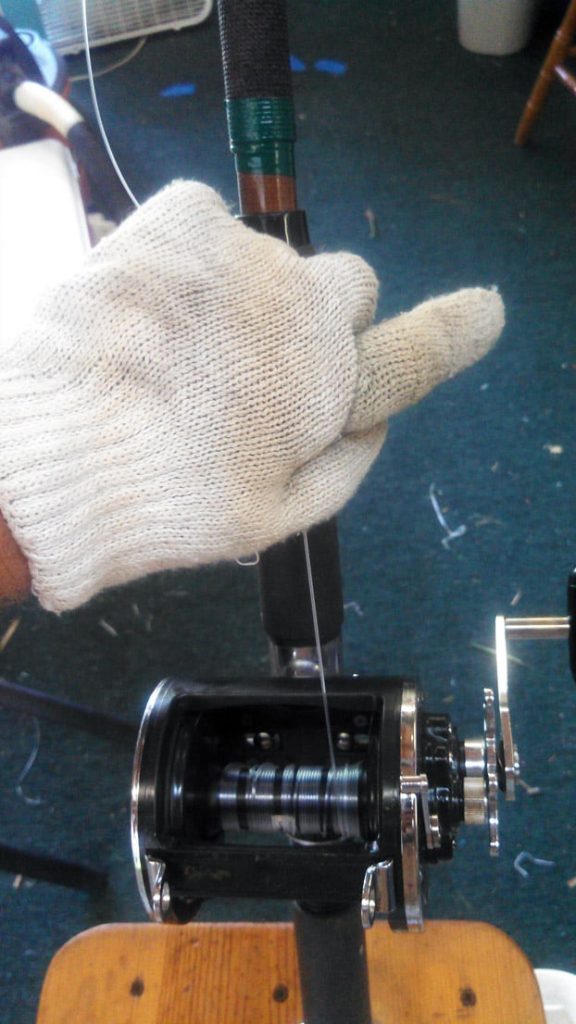
If you’ve ever dealt with tangled fishing line or noticed your reel isn’t casting as smoothly as it used to, it might be time to respool your fishing line. Knowing how to respool your fishing line properly can save you from frustrating knots, improve your casting distance, and keep your gear in top shape.
You’ll learn simple, step-by-step tips to get your reel ready for your next fishing trip. Ready to make your fishing experience smoother and more enjoyable? Let’s dive in.
Choosing The Right Fishing Line
Respooling your fishing line means putting new line on your reel. Picking the right line helps you catch fish easier.
Different fishing lines fit different fishing styles. Knowing the types and strengths helps you choose well.
Types Of Fishing Lines
There are three main types of fishing lines: monofilament, fluorocarbon, and braided. Each has its own features.
- Monofilament:Stretchy and easy to handle. Good for beginners.
- Fluorocarbon:Almost invisible underwater. Great for clear water fishing.
- Braided:Very strong and thin. Best for heavy cover fishing.
Selecting Line Strength
Line strength is called “pound test.” It shows how much weight the line can hold before breaking.
Choose a line strength that fits the fish you want to catch. Stronger lines hold bigger fish but can be less sensitive.
- Light line (2-6 lbs) for small fish and light tackle
- Medium line (8-12 lbs) for most freshwater fishing
- Heavy line (15+ lbs) for big fish and rough conditions
Matching Line To Reel
Check your reel’s line capacity before buying new line. The reel shows the max line length and strength it holds.
Using line too thick or too thin can cause problems. Pick a line that fits your reel for smooth casting and reeling.
- Spinning reels usually work well with lighter lines
- Baitcasting reels can handle heavier lines better
- Match line diameter to reel spool size for best results
Preparing Your Reel
Preparing your reel is important before respooling fishing line. It helps your reel work smoothly. Take time to get your reel ready.
This guide covers how to remove old line, clean the spool, and check the reel condition. Follow each step carefully.
Removing Old Line
Start by removing the old fishing line from your reel. This prevents tangles and keeps your reel clean.
Pull the line off slowly to avoid damaging the spool. If the line is stuck, cut it with scissors and remove it piece by piece.
Cleaning The Spool
After removing the old line, clean the spool to remove dirt and debris. This helps the new line sit evenly.
Use a soft cloth or brush to clean the spool. Avoid using water if your reel is not waterproof.
Checking Reel Condition
Inspect the reel for damage or wear. Check the handle, drag system, and bail for smooth operation.
- Make sure the handle turns freely
- Test the drag to ensure it adjusts smoothly
- Look for cracks or corrosion on the spool
- Lubricate moving parts if needed
Tools And Materials Needed
Respooling fishing line is an important skill for anglers. Using the right tools makes the job easier and faster.
This guide covers the essential tools and some optional accessories to help you respool your fishing line properly.
Essential Tools
You need a few basic tools to respool fishing line. These help you remove old line and add new line smoothly.
- Fishing Reel:The reel you want to respool.
- New Fishing Line:The correct type and strength for your fishing needs.
- Scissors or Line Cutter:To cut the line cleanly.
- Line Spooler or Station:Helps hold the reel steady during respooling.
- Flat Surface or Workbench:A stable place to work on your reel.
Optional Accessories
These extra tools can make respooling easier or improve the quality of your work.
- Line Conditioner:Reduces line memory and tangles.
- Rubber Band or Velcro Strap:Keeps the spool from unraveling.
- Spool Holder Clamp:Holds the new line spool securely.
- Gloves:Protect your hands while handling the line.
- Marker:To mark line length or spool start points.

Credit: www.youtube.com
Step-by-step Respooling Process
Respooling fishing line is an important skill for every angler. It keeps your reel ready for a smooth fishing experience. Follow the steps carefully to avoid problems on the water.
This guide shows how to attach new line, spool it correctly, keep tension, and avoid common mistakes.
Attaching The New Line
Start by threading the new line through the rod guides. Tie it to the reel spool using a strong knot like the arbor knot. Make sure the knot is tight before trimming the tag end.
Spooling Techniques
Place the spool of new line on a flat surface or have someone hold it. The line should come off the spool in the same direction as the reel turns to avoid twists.
- Hold the line firmly between fingers to control it.
- Start winding the reel slowly to wrap the line evenly.
- Fill the spool until it is about 1/8 inch from the edge.
- Stop to check for tightness and remove any slack.
Maintaining Tension
Keep steady tension on the line while spooling. Use your fingers or a cloth to press the line against the spool. This prevents loose wraps that cause tangles and knots.
Avoiding Common Mistakes
| Mistake | How to Avoid |
|---|---|
| Loose line on spool | Keep firm tension while spooling |
| Line twisting | Feed line in the correct direction |
| Overfilling spool | Stop filling 1/8 inch before edge |
| Weak knot | Use a strong knot and tighten well |
Tips For Line Maintenance
Keeping your fishing line in good shape helps you catch more fish. Proper care makes your line last longer and work better.
Here are some simple tips on storing your reel, replacing line regularly, and checking for wear and tear.
Storing Your Reel
Store your reel in a cool, dry place to avoid damage. Keep it away from direct sunlight and moisture.
- Loosen the drag to reduce pressure on the line.
- Clean the reel after each use to remove dirt and salt.
- Use a reel cover or bag for extra protection.
- Keep the reel away from chemicals and oils.
Replacing Line Regularly
Change your fishing line often to avoid breaks and tangles. Old line loses strength over time.
| Line Type | Recommended Replacement Time |
| Monofilament | Every 3-6 months |
| Fluorocarbon | Every 6-12 months |
| Braid | Every 12 months or when frayed |
Checking For Wear And Tear
Look over your line before each fishing trip. Small cuts or frays can cause big problems.
- Run the line through your fingers to feel for rough spots.
- Check near the reel and guides for damage.
- Replace or trim line that shows wear.
- Inspect knots to make sure they are tight and secure.

Credit: www.reddit.com
Troubleshooting Common Issues
Respooling fishing line can sometimes cause problems. Fixing these issues helps improve your fishing experience.
Below are common problems and how to solve them step by step.
Line Twist Problems
Line twist happens when the line coils on itself. It causes knots and tangles that make casting hard.
To reduce line twist, make sure the spool spins freely while you spool the line. Avoid over-tightening the line.
- Check that the reel is correctly aligned with the spool
- Use a swivel to prevent line from twisting
- Keep tension steady but not too tight during spooling
Line Slippage
Line slippage happens when the line slips on the spool. This causes loose coils and uneven spooling.
To stop slippage, tie the line securely to the spool before you start winding it on.
- Use an improved arbor knot to attach the line
- Apply some tape on the spool to hold the line at first
- Keep steady tension to avoid loose loops
Uneven Spooling
Uneven spooling means the line piles up on one side of the spool. This causes poor casting and snags.
To fix uneven spooling, guide the line back and forth evenly across the spool as you wind it.
- Use your fingers to move the line evenly
- Keep consistent tension while spooling
- Check the spool alignment regularly

Credit: www.youtube.com
Frequently Asked Questions
How Do I Choose The Right Fishing Line For Respooling?
Select a fishing line based on your target fish species, fishing style, and water conditions. Consider line strength, material, and diameter for optimal performance and durability.
What Tools Are Needed To Respool Fishing Line Properly?
You need a spooler or a stable surface, scissors, and your new fishing line spool. These tools help ensure smooth, even line winding without twists or tangles.
How Can I Avoid Line Twists While Respooling?
Maintain tension on the line and spool it in the same direction as the reel. Avoid overfilling the spool to prevent twists and tangles during casting.
How Often Should I Respool My Fishing Line?
Respool your fishing line every season or after significant wear. Regularly replacing the line maintains strength, reduces breakage, and improves overall fishing performance.
Conclusion
Respooling your fishing line keeps your gear ready for any trip. It helps avoid tangles and line breaks while fishing. Take your time and follow the steps carefully. Clean your reel before adding new line for best results. Practice makes perfect, so don’t rush the process.
With patience, you will improve and enjoy fishing more. Proper maintenance saves money and boosts your fishing success. Try respooling regularly to keep everything smooth on the water. Simple care leads to better fishing days ahead.