If you love fishing, you know how important it is to have your gear ready to go. One key step is learning how to respool fishing line properly.
Whether your line is old, tangled, or just worn out, changing it can make a huge difference in your fishing experience. In this guide, you’ll discover simple, step-by-step tips that save you time and frustration. By the end, you’ll feel confident and ready to cast with fresh, smooth line every time.
Keep reading to learn how to make your fishing gear perform at its best!

Credit: www.youtube.com
Choosing The Right Fishing Line
Choosing the right fishing line is key to a good fishing experience. The line affects casting, hook setting, and fish fighting.
There are many types and qualities of fishing lines. Knowing their features helps you pick the best one for your needs.
Types Of Fishing Lines
Fishing lines come in different materials and styles. Each type has strengths and weaknesses.
- Monofilament:Soft and flexible. Good for beginners. Stretches under pressure.
- Fluorocarbon:Nearly invisible underwater. Resistant to abrasion. Sinks faster than monofilament.
- Braided:Very strong with no stretch. Thin diameter. Visible in water but lasts long.
Factors To Consider
Pick a fishing line based on your fishing style and environment. Consider strength, visibility, and stretch.
| Factor | Details |
| Line Strength | Choose based on the fish size you expect to catch. |
| Visibility | Clear lines work well in clear water; colored lines help in murky water. |
| Stretch | Lines with stretch absorb shocks better but reduce sensitivity. |
| Durability | Consider abrasion resistance for rocky or rough fishing spots. |
Gathering Necessary Tools
Respooling fishing line needs the right tools. Having them ready makes the job easier and faster.
Using proper tools helps you avoid mistakes and keeps your fishing gear in good shape.
Essential Respooling Tools
These tools are important to respool fishing line correctly. They help you handle the line and spool safely.
- Fishing reel
- Fishing line spool
- Line clippers or scissors
- Line conditioner or lubricant (optional but helpful)
- Small screwdriver (for reel adjustments)
Having a clean work area is also important. It keeps your tools and line free from dirt.
Optional Accessories
Some accessories make respooling easier but are not required. They improve comfort and speed.
- Line spooler tool to hold the spool steady
- Tape or rubber bands to secure the line
- Gloves for better grip and hand protection
- Marker pen to mark line limits
- Cleaning cloth to wipe the reel
These accessories help keep the line tight and prevent tangles during the process.
Removing Old Fishing Line
Removing old fishing line is an important step before respooling your reel. It helps prevent tangles and keeps your gear working well.
Old line can get brittle and weak. Taking it off carefully makes room for new line and improves your fishing experience.
Safely Cutting The Old Line
Cutting the old line needs care to avoid injury and damage to your reel. Use sharp tools and follow these tips for safety.
- Use a pair of scissors or line cutters made for fishing.
- Cut the line close to the spool to remove it completely.
- Hold the line firmly to prevent it from snapping back.
- Wear safety glasses to protect your eyes from flying pieces.
- Dispose of any small line pieces immediately to avoid littering.
Disposing Of Old Line
Proper disposal of old fishing line protects wildlife and the environment. Do not leave line on the ground or in water.
| Disposal Method | Details |
|---|---|
| Recycle | Check if your local recycling center accepts fishing line. |
| Collection Points | Use fishing line recycling bins at tackle shops or fishing spots. |
| Trash | If no recycling is available, cut line into small pieces and place in the trash. |
| Avoid | Do not throw line in water or leave it outside where animals can get tangled. |

Credit: www.youtube.com
Attaching New Line To The Reel
Attaching new fishing line to the reel is the first step in respooling. It ensures the line stays secure during fishing.
Doing this correctly helps prevent tangles and line slippage while casting or reeling in fish.
Securing The Line
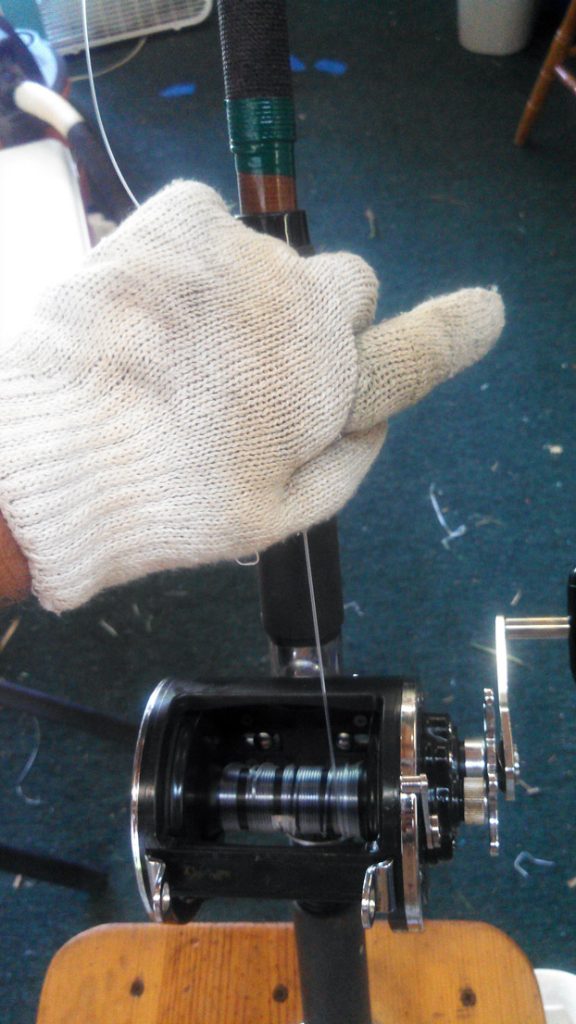
Start by threading the line through the reel’s guides. Next, wrap the line around the spool.
Tie a strong knot to hold the line firmly in place. The Arbor knot is a popular choice for this.
- Pass the line around the spool
- Tie an Arbor knot or similar secure knot
- Pull the knot tight against the spool
- Trim any excess line close to the knot
Ensuring Proper Alignment
Make sure the line lies evenly across the spool. This prevents bunching on one side.
Keep tension on the line while winding it onto the reel. This helps the line wrap tightly and smoothly.
- Keep the line taut during winding
- Check the line layer for even distribution
- Adjust the line position if it clumps or overlaps
- Stop occasionally to realign the line
Spooling The New Line
Spooling new fishing line onto your reel is important. It helps your fishing work well and lasts longer.
Take your time to spool the line carefully. This keeps your fishing line strong and ready for use.
Maintaining Tension
Keep the line tight as you spool it on the reel. Loose line can cause tangles and poor casting.
You can hold the line with your fingers or use a cloth to keep good tension. This helps the line lay evenly.
- Apply steady pressure on the line
- Do not let the line slack
- Keep the line close to the reel spool
Avoiding Line Twists
Line twists cause knots and weak spots in your fishing line. Avoid them by spooling carefully.
Make sure the new line comes off the spool the same way it goes on your reel. This stops twists from forming.
- Place the line spool correctly on a smooth surface
- Match the direction of the line as it feeds onto the reel
- Check the line often for twists during spooling

Credit: www.reddit.com
Checking Spool Capacity
Before respooling your fishing line, check your spool’s capacity. This helps avoid problems while fishing.
Spool capacity means how much line your spool can hold. It depends on the spool size and line thickness.
Preventing Overfilling
Overfilling a spool can cause line tangles or damage the reel. Keep the line level with the spool edge.
Stop winding the line when it reaches the spool rim. Too much line can slip off during casting.
- Check the spool edge often while winding
- Leave a small gap to avoid overfilling
- Use line markers to see the fill level
Assessing Line Length
Know how much line your spool can hold before respooling. This helps you buy the right amount of line.
Use the spool label or manual to find capacity info. It usually shows length for different line weights.
- Check spool label for line length and weight
- Match line weight to spool capacity
- Measure old line length if unsure
Testing And Adjustments
After respooling your fishing line, testing is important to check its setup. Adjustments help your reel work smoothly during fishing.
Careful testing and small changes can prevent line tangles and improve casting performance.
Ensuring Smooth Reel Operation
Turn the reel handle slowly to feel how smoothly it moves. The line should spool evenly without catching or slipping.
Check the drag system by pulling the line gently. It should provide steady resistance without locking up or slipping too easily.
- Spin the handle to test for rough spots or noise
- Pull the line to test drag tension and smoothness
- Look for even line distribution on the spool
- Check that the line guide moves smoothly
Making Final Adjustments
If the line bunches on one side, adjust the reel’s tension knob or reposition the line on the spool.
Fine-tune the drag by turning its dial. Set it tight enough to hold fish but loose enough to avoid line breakage.
- Tighten or loosen spool tension to control line flow
- Even out line wraps by hand if needed
- Adjust drag for proper resistance during pulls
- Test cast a few times to confirm adjustments
Maintaining Your Fishing Line
Keeping your fishing line in good shape helps you catch fish better. It also makes your gear last longer.
Regular care prevents breaks and tangles. This guide shows you simple ways to maintain your line.
Regular Inspections
Check your fishing line often for damage. Look for cuts, nicks, or worn spots.
Damaged line can break easily. Replace or repair it before fishing again.
- Run your fingers along the line to feel rough areas.
- Look for discoloration that shows wear.
- Test the line’s strength by pulling gently.
- Check knots for tightness and security.
Proper Storage Tips
Store your fishing line in a cool, dry place. Avoid heat and sunlight to prevent damage.
Keep the line on a spool or reel to stop tangles and twists.
- Use a sealed container to protect from dust and moisture.
- Keep lines separate to avoid mixing different types.
- Loosen the line slightly on the spool to reduce pressure.
- Check storage area for pests that can harm the line.
Frequently Asked Questions
How Do I Properly Respool Fishing Line?
To respool fishing line, first remove old line completely. Attach new line securely to the reel spool. Keep tension steady and wind line evenly. Avoid overlaps and tight spots for smooth casting.
What Tools Are Needed To Respool Fishing Line?
You need a fishing reel, new fishing line, scissors, and possibly a line spooler. A line spooler helps maintain tension and speed during winding, ensuring an even, tangle-free spool.
How Often Should I Respool My Fishing Line?
Respool your fishing line at least once a year or after heavy use. Replace it sooner if the line shows signs of wear, fraying, or memory issues to avoid breakage.
Can I Use Any Fishing Line For Respooling?
Choose fishing line based on your fishing style and target species. Match line strength and type (monofilament, braid, fluorocarbon) to your reel and rod specifications for best performance.
Conclusion
Respooling your fishing line keeps your gear ready and reliable. It helps avoid tangles and line breaks while fishing. Take your time to spool carefully and evenly. This simple step can improve your fishing experience a lot. Keep your line tight and check for knots often.
With practice, respooling becomes quick and easy. Stay patient, and enjoy your time on the water. This small task makes a big difference in fishing success.