If you love fishing for trout, you know that having the right setup can make all the difference. A well-rigged dodger can help you catch more fish by attracting trout and keeping your bait in the perfect spot.
But how do you rig a dodger the right way? You’ll discover simple, step-by-step tips that will improve your chances on the water. Whether you’re a beginner or want to sharpen your skills, this guide will help you rig your dodger like a pro and bring in more trout on every trip.
Keep reading to unlock the secret to better fishing success!
Choosing The Right Dodger
Choosing the right dodger is a crucial step in setting up your fishing gear for a successful trout trip. A well-selected dodger can significantly increase your chances of attracting trout by mimicking the movement of prey in the water. But how do you decide which dodger is best for your needs?
Material And Size Options
The material of your dodger plays a vital role in its performance. Common materials include stainless steel, brass, and plastic. Each has its own advantages; stainless steel is durable, brass offers a unique flash, and plastic is lightweight.
Size is equally important. Smaller dodgers are ideal for calm waters, while larger ones can create more movement in rough waters. Experimenting with different sizes can help you find what works best in various conditions.
Color And Pattern Selection
The color and pattern of your dodger can make a significant difference. Bright colors like chartreuse and fluorescent pink are often effective in murky waters, while natural hues work better in clear conditions.
Patterns also add an element of realism. Consider holographic or reflective patterns to mimic the scales of a fish. Have you ever noticed how trout respond differently to colors on cloudy versus sunny days?
Personal experience shows that switching patterns can sometimes be the key to a successful catch. Keep a variety in your tackle box to adapt to changing conditions. What color or pattern will you try next to lure that elusive trout?

Credit: poulsencascadetackle.com
Essential Gear For Rigging
Getting your dodger rigged correctly starts with having the right gear. The essential items you choose can make a big difference in how effective your setup is for catching trout. Each piece of gear plays a specific role, and understanding these roles will help you rig smarter and fish better.
Hooks And Leaders
Choosing the right hooks is crucial. You want hooks that are sharp and strong enough to hold trout without bending or breaking. Many anglers prefer size 6 to 10 hooks for trout; these sizes strike a balance between being easy to set and not spooking the fish.
Your leader material matters just as much. Fluorocarbon leaders are popular because they are nearly invisible underwater and resist abrasion from rocks or the fish’s teeth. A leader length between 12 to 18 inches usually works well, giving your bait natural movement without tangling.
Swivels And Clips
Swivels prevent your line from twisting, which can ruin your rig and cost you fish. Make sure to choose high-quality barrel swivels or ball-bearing swivels that turn smoothly. This small investment saves you frustration on every cast and retrieval.
Clips allow you to change lures or dodgers quickly without re-tying knots. Snap clips are easy to use and strong enough to hold your setup securely. When you’re out on the water, being able to switch lures in seconds can give you a real advantage.
Step-by-step Rigging Process
Rigging a dodger for trout fishing requires a careful approach to ensure your setup works smoothly and attracts more bites. Each connection matters, from attaching the dodger to linking the leader and hook. Let’s break down the process so you can rig confidently and spend more time catching fish.
Attaching The Dodger
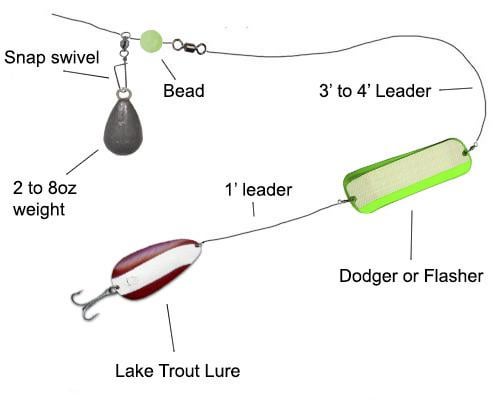
Start by selecting a strong swivel to attach your dodger. Tie the swivel securely to the eyelet on the narrow end of the dodger using a reliable knot like the improved clinch knot.
Make sure the knot is tight and trimmed close to avoid snagging. This connection lets the dodger move naturally through the water, creating the flash and vibration trout find irresistible.
Have you noticed how a loose or weak attachment can ruin your presentation? Take your time here—it’s worth it.
Connecting The Leader And Hook
Next, tie your leader line to the other end of the swivel on the dodger. Use a strong knot, such as the Palomar knot, to maintain maximum strength.
Attach your hook or lure at the end of the leader line, ensuring it’s secure but free to move. Depending on your target trout species, choose an appropriate hook size and style.
Keep the leader length between 12 to 24 inches to allow the dodger to create its action while keeping the bait in the strike zone. Experiment with different lengths and notice how trout respond differently.

Credit: www.youtube.com
Optimal Dodger Placement
Optimal dodger placement plays a key role in attracting trout effectively. Positioning the dodger correctly helps mimic natural movement. It also keeps the bait in the trout’s strike zone. Proper placement improves visibility and motion, making the setup more appealing.
Small adjustments in dodger distance can change how trout react. Understanding depth variations ensures the dodger stays in the best fishing zone. This knowledge helps maintain a steady, natural drift that triggers bites.
Distance From Bait
Keep the dodger about 12 to 18 inches from the bait. This distance allows the dodger to create enough flash and vibration. Too close, and the bait’s action can be restricted. Too far, and the dodger loses its influence on the bait’s movement.
Adjust the distance slightly based on water clarity and trout activity. Clear water may need a longer gap for subtle action. Murky water favors a shorter distance to boost vibration signals.
Adjusting For Different Depths
Change the dodger’s position depending on the fishing depth. For shallow waters, place the dodger closer to the bait. This keeps the rig near the surface where trout feed actively.
In deeper water, increase the distance for a wider wobble. A longer gap helps the dodger create more movement, attracting trout from farther away. Use heavier weights if needed to maintain depth and steady action.
Bait And Lure Choices
Choosing the right bait and lure can make or break your trout fishing experience when rigging a dodger. The effectiveness of your setup depends heavily on what you present to the fish. Knowing when to use live bait or artificial lures, and how to match them to the environment, will boost your chances of landing trout.
Live Bait Vs. Artificial Lures
Live bait often triggers a natural feeding response in trout. Worms, minnows, and larvae are popular choices that trout readily accept. Using live bait can be especially useful in colder water when trout are less aggressive.
Artificial lures, on the other hand, offer versatility and durability. They come in many shapes, sizes, and colors that mimic the trout’s natural prey. If you’ve ever noticed how a brightly colored spoon or spinner grabs attention, you know why they’re effective.
Have you tried switching between live bait and lures during your trip? Sometimes trout respond better to one or the other depending on their mood or the time of day.
Matching Hatch And Water Conditions
Matching what the trout are naturally feeding on is critical. Observing insects, small fish, and other water creatures around your fishing spot helps you select the right bait or lure. Trout are more likely to bite if your bait looks like their current meal.
Water clarity and temperature also play a big role. Clear water calls for more natural colors and subtle presentations, while murky water might require brighter, more noticeable lures. Cold water can slow trout down, making slower-moving bait or lures more effective.
Ask yourself: what’s happening in the water right now? Are there bugs hatching, or is the water muddy? Adjust your bait and lure choices accordingly to stay one step ahead of the trout.
Trolling Techniques With Dodgers
Trolling with dodgers can change the way you catch trout by creating a flash and vibration that attracts fish from a distance. But simply attaching a dodger isn’t enough; how you control your speed, direction, and line can make a huge difference. Getting these details right helps you present your lure in the most natural and enticing way possible.
Speed And Direction Control
Your trolling speed directly affects how the dodger and lure move through the water. Trout often respond best to speeds between 1.5 and 3 miles per hour, but adjusting slightly can trigger bites depending on water temperature and trout activity.
Try varying your speed in small increments. If the trout aren’t biting, slowing down just a little might make your lure look more like an easy meal. Conversely, speeding up can sometimes provoke a reaction strike from aggressive fish.
Direction also matters. Changing your boat’s path to troll across the current or along drop-offs can expose your dodger to more fish. Think about how fish position themselves relative to current flow and terrain—your dodger’s movement should mimic natural prey in those conditions.
Line Management Tips
Keeping your line tight but not overly so is key to feeling strikes and maintaining control of your dodger. Too much slack can cause your lure to swim erratically, which might scare trout away.
Use a line counter or mark your line to maintain consistent depths, especially when fishing near the bottom or in deep water. This helps your dodger stay in the strike zone longer.
- Check your line for twists and replace it if it’s old or damaged, as this affects dodger action.
- Use a swivel to prevent line twist caused by the dodger’s flash and vibration.
- Practice smooth, steady reeling to avoid sudden jerks that could spook fish.
Think about your last trip—did you notice how subtle changes in line tension or speed led to more bites? Paying attention to these small details can turn a good day of fishing into a great one.
Troubleshooting Common Issues
Troubleshooting common issues while rigging a dodger for trout can save you time and frustration on the water. Small adjustments often make the biggest difference in performance. Identifying problems early helps you fish smarter, not harder.
Dodger Spinning And Tangling
Dodger spinning is a frequent headache that disrupts your trolling rhythm. It usually happens when the dodger is not aligned properly or the swivel is worn out. Check that your swivel rotates freely and is strong enough to handle the pull of the dodger and lure.
If you notice spinning, try adding a small bead or tubing above the swivel to reduce friction. This simple tweak can prevent the dodger from twisting your line. Also, keep your line tension steady; sudden slack can invite tangles.
Have you ever lost a fish because your dodger spun out of control? Adjusting your setup to avoid this can keep your gear working smoothly and improve your hook-up rate.
Avoiding Snags And Line Breaks
Snags and line breaks waste valuable fishing time and can cost you gear. To avoid this, make sure your dodger and lure are rigged at the correct distance apart. Too close, and the lure might get caught in the dodger; too far, and you lose control.
Inspect your line regularly for nicks or abrasions, especially after contact with rocks or debris. A damaged line weakens your setup and increases breakage risk. Using a heavier test line can help if you fish in areas with sharp structure.
Have you tried adjusting your trolling speed? Going too fast can cause your dodger to dive too deep and snag on underwater obstacles. Slowing down just a bit might save your rig and keep you fishing longer.
Seasonal And Location Adjustments
Adjusting your dodger rig for trout fishing means paying close attention to both the season and the location. These factors directly influence trout behavior and how they respond to your setup. By fine-tuning your rig based on water temperature and whether you’re fishing in rivers or lakes, you increase your chances of a successful catch.
Adapting To Water Temperature
Trout are cold-water fish, and their activity changes with temperature shifts. In colder months, they tend to stay deeper and move slower. To match this, you should rig your dodger with smaller, slower-moving lures and fish deeper depths.
During warmer seasons, trout become more aggressive and move closer to the surface. Use brighter dodgers and faster retrieves to trigger strikes. Have you noticed how trout chase faster targets in summer? Adjust your rig speed accordingly.
Fishing In Rivers Vs. Lakes
Rivers and lakes offer very different environments, and your dodger rig should reflect that. In rivers, trout often face stronger currents, so your rig needs to be heavier to maintain control and stay in strike zones.
In lakes, trout have more space to roam and often respond better to lighter rigs with subtle movements. Try using smaller dodgers and more delicate presentations to mimic natural prey. Think about how the current affects your dodger’s action—are you giving the trout a realistic target?
Credit: medium.com
Frequently Asked Questions
How Do You Rig A Dodger For Trout Fishing?
To rig a dodger, attach the dodger to your main line using a swivel. Tie your leader line with bait or lure to the dodger’s eyelet. This setup creates movement that attracts trout effectively.
What Is The Best Dodger Size For Trout?
A dodger between 4 to 6 inches is ideal for trout. This size mimics small baitfish and creates enough flash and vibration to attract trout without spooking them.
Which Bait Works Best With A Dodger For Trout?
Live bait like roe or artificial lures such as spoons and soft plastics work well. These baits combined with dodger movement entice trout to strike consistently.
How Far Should The Leader Be From The Dodger?
Keep the leader length between 12 to 24 inches. This distance allows natural bait movement while keeping it close enough to the dodger’s flash and vibration.
Conclusion
Rigging a dodger for trout can improve your fishing success. Keep your setup simple and steady. Use the right knots and hooks for better results. Watch how the dodger moves in the water. Adjust the line length to match trout behavior.
Practice makes your rigging smoother and more effective. Try different baits to see what trout prefer. Enjoy the calm and patience fishing requires. This method helps you catch more trout with less effort. Give it a try on your next fishing trip.