If you want to catch catfish like a pro, knowing how to rig your fishing line correctly is key. The right setup can make all the difference between a successful catch and a frustrating day on the water.
In this guide, you’ll discover simple, effective steps to rig your line so that it stays strong and attracts more catfish. Whether you’re new to fishing or looking to improve your skills, this article will give you the confidence and know-how to reel in those big catfish you’ve been dreaming of.
Keep reading to learn the secrets that can boost your fishing game today.

Credit: mysterytacklebox.com
Choosing The Right Gear
Choosing the correct gear helps you catch catfish more easily. The right equipment makes fishing safer and more fun.
This guide covers how to select rods, reels, fishing lines, and hooks for catfish fishing.
Selecting Rod And Reel
Pick a rod that is strong and flexible. A medium-heavy or heavy action rod works well for catfish. Choose a reel that holds enough line and has a smooth drag system.
- Rod length: 7 to 9 feet
- Rod power: Medium-heavy to heavy
- Reel type: Spinning or baitcasting
- Drag system: Smooth and strong
Picking The Best Fishing Line
Catfish need a fishing line that resists abrasion and holds heavy weight. Braided or monofilament lines are common choices.
| Line Type | Strength | Best Use |
| Braided | 20-50 lb test | Strong and sensitive |
| Monofilament | 15-30 lb test | Flexible and easy to handle |
| Fluorocarbon | 20-30 lb test | Less visible underwater |
Choosing Suitable Hooks
Hooks must be strong and sharp to hold large catfish. Circle hooks and J-hooks are popular for catfish fishing.
- Use size 2/0 to 6/0 for most catfish
- Circle hooks reduce gut hooking
- J-hooks work well for bait fishing
- Strong, corrosion-resistant material
Types Of Catfish Rigs
Catfish rigs help you catch catfish more easily. Different rigs work best in different water and fishing spots.
Knowing how to rig your line for catfish can improve your chances. Here are some popular types of catfish rigs.
Slip Sinker Rig
The slip sinker rig lets the fish take the bait without feeling the weight. It uses a sliding sinker on the line.
This rig helps you detect bites easily. It works well in deep water or strong currents.
- Use a sliding sinker above a swivel
- Attach a leader line to the swivel
- Place a hook at the end of the leader
Carolina Rig
The Carolina rig is similar to the slip sinker rig but uses a heavier sinker. It holds the bait off the bottom.
This rig is good for fishing in muddy or rocky areas. It allows the bait to move naturally.
- Place a bullet sinker above a bead
- Use a swivel to connect the main line and leader
- Attach a hook at the end of the leader
Fish Finder Rig
The fish finder rig uses a heavy sinker with a wire arm. It keeps the bait above the bottom.
This rig is good for fishing in heavy cover or thick weeds. It helps prevent snagging.
- Attach a heavy sinker to a wire arm
- Connect a leader and hook to the wire arm
- Keep the bait above the bottom to avoid snags
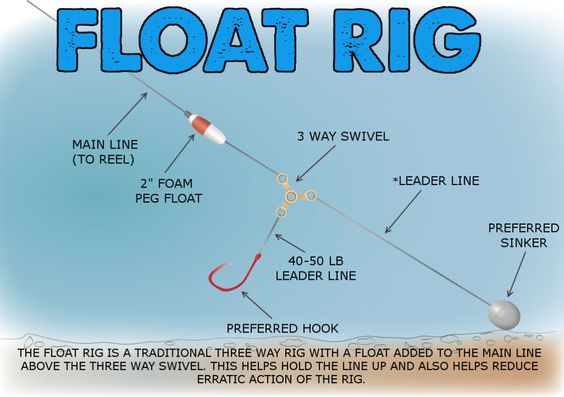
Float Rig
The float rig uses a bobber or float to keep the bait suspended in the water. It works well near the surface.
This rig is good for fishing in shallow water or near structures. It shows when a fish bites clearly.
- Attach a float or bobber on the main line
- Place a weight below the float
- Tie a leader and hook below the weight
Step-by-step Rigging Process
Fishing for catfish requires proper rigging of your line. This guide will help you set up your fishing line step by step.
Each step ensures your rig is strong and ready to catch catfish efficiently.
Attaching The Sinker
The sinker helps your bait reach the bottom where catfish usually feed. Proper attachment is crucial for balance.
- Choose a sinker based on water depth and current.
- Thread the fishing line through the sinker hole.
- Secure it with a stopper to keep it in place.
Tying The Hook
A strong knot ensures the hook stays attached. A good knot increases your chances of landing a fish.
| Knot Type | Strength |
| Improved Clinch Knot | High |
| Palomar Knot | Very High |
| Uni Knot | Moderate |
Adding The Leader
A leader protects your line from sharp objects. It also helps in hiding the main line from fish.
- Cut a length of leader line, about 18 to 24 inches long.
- Tie one end to the hook using a secure knot.
- Attach the other end to the main line.
Preparing The Bait
Bait is what attracts catfish to your hook. Choose the right bait for better success.
Cut bait is a popular choice. Worms and chicken liver also work well for catfish.
Bait Options For Catfish
Choosing the right bait is key to catching catfish. Different baits attract catfish in various ways. Understanding these options helps you rig your line better.
This guide covers live bait, cut bait, and artificial baits. Each type works well under certain conditions and locations.
Live Bait Choices
Live bait appeals to catfish because it moves and smells fresh. It triggers their natural hunting instincts. Some popular live bait options include:
- Shad
- Worms
- Minnows
- Crayfish
- Small sunfish
Cut Bait Selection
Cut bait is made from pieces of fish. Catfish like the strong smell it gives off. Many anglers use cut bait from oily fish to attract catfish.
| Cut Bait Type | Notes |
| Shad | Common and effective with strong scent |
| Herring | Oily and attracts large catfish |
| Menhaden | Good for rivers and lakes |
| Bluegill | Popular in fresh water |
Artificial Baits
Artificial baits imitate live prey or food. They last longer and are easy to use. Some common artificial baits for catfish include:
- Stink baits
- Dip baits
- Soft plastic worms
- Gel baits
- Prepared dough baits
Tips For Rigging Success
Rigging a fishing line for catfish needs care and patience. Using the right rig helps catch more fish.
This guide shares useful tips to help you rig your line properly. It also covers common mistakes and how to care for your line.
Adjusting Rig Based On Conditions
Water depth and current affect how you should rig your line. Change your rig to fit the fishing spot.
Use heavier weights in fast currents. In shallow, calm water, lighter rigs work better.
- Use a slip sinker rig in flowing water to let the bait move naturally.
- Try a float rig in shallow areas to keep bait off the bottom.
- Adjust hook size to match the bait and catfish size.
- Change bait type based on water clarity and fish activity.
Common Mistakes To Avoid
Many anglers make simple errors that lower their chances of catching catfish. Avoid these to improve success.
- Using a line too thin for catfish strength causes breakage.
- Not securing knots tightly leads to lost fish.
- Ignoring the bait’s freshness reduces attraction.
- Overusing heavy weights scares fish away.
- Failing to check the rig before casting causes failures.
Maintenance And Line Care
Good line care keeps your rig working well longer. Clean and check your line often.
Store your line away from sunlight. Sun can weaken the line and cause damage.
- Rinse your line with fresh water after use in saltwater.
- Check for frays or weak spots before each trip.
- Replace old or damaged line to avoid snap-offs.
- Keep reels clean and lubricated for smooth casting.

Credit: mysterytacklebox.com
Setting Up For Different Waters
Catfish live in many kinds of water. You need to change your fishing rig to catch them well.
Different waters have different currents, depths, and bottom types. These affect how you rig your line.
Rigging For Rivers
Rivers have moving water. Use a rig that keeps your bait steady and does not drift away.
A common rig is the slip sinker rig. It lets the catfish take the bait without feeling the weight.
- Use a sliding sinker to allow line movement
- Attach a swivel below the sinker to stop twists
- Tie a leader with a strong hook for bait
- Choose heavier sinkers for faster currents
Rigging For Lakes And Ponds
Lakes and ponds have still water. The rig can be lighter and simpler here.
A float rig or a simple bottom rig works well. The bait stays in one place to attract catfish.
- Use a bobber to keep bait off the bottom
- Try a fixed sinker rig for bottom feeding catfish
- Choose lighter sinkers to avoid stirring mud
- Use strong hooks and fresh bait for better catch
Rigging In Deep Water
Deep water needs heavy rigs to reach the bottom. Use strong gear to handle the depth.
Dropper rigs or heavy slip sinker rigs help keep bait in the strike zone. Use strong lines and hooks.
- Use heavy sinkers to reach the bottom fast
- Choose abrasion-resistant line for rough bottoms
- Use a strong leader to avoid breakage
- Try multiple hooks to increase bait size
Landing And Handling Catfish
Landing and handling catfish requires care and the right methods. This helps keep you safe and protects the fish.
Use strong gear and know how to hold the fish properly to avoid injury. Learn the best ways to land and manage catfish.
Best Techniques For Landing
Landing catfish takes patience and the right tools. Use a landing net to support the fish’s weight.
- Keep steady pressure on the line to tire the fish.
- Use a large, soft mesh net to avoid harming the fish.
- Lift the fish carefully by supporting its body.
- Avoid lifting catfish only by the line or hook.
- Work quickly to reduce stress on the fish.
Safety Tips When Handling
Catfish have sharp spines that can cause injury. Handle them with care to protect yourself.
| Safety Tip | Reason |
| Wear gloves | Protect hands from spines |
| Hold below the head | Control fish and avoid spines |
| Use pliers to remove hooks | Keep fingers away from sharp points |
| Keep fish calm | Reduce risk of thrashing injury |
Releasing Or Keeping Catfish
Decide quickly if you will release or keep the catfish. This choice affects how you handle it.
- If releasing, wet your hands before touching the fish.
- Remove the hook gently and return the fish to water promptly.
- If keeping, store the fish on ice to keep it fresh.
- Follow local fishing rules for size and catch limits.

Credit: fishingsun.com
Frequently Asked Questions
What Is The Best Fishing Line For Catfish?
The best fishing line for catfish is strong and durable. Monofilament or braided lines with 15-30 lb test are ideal. They provide good abrasion resistance and strength for handling large catfish.
How Do You Rig A Fishing Line For Catfish?
To rig a fishing line for catfish, use a slip sinker rig or a Carolina rig. Attach a strong hook, add a swivel, and use a leader line. This setup allows natural bait movement and helps catch catfish effectively.
What Bait Works Best For Catfish Fishing?
Catfish respond well to live bait like worms, minnows, or cut bait. Stink baits and chicken liver also attract catfish. Choose bait based on local catfish preferences and water conditions for better results.
How Deep Should I Fish For Catfish?
Catfish usually stay near the bottom in deep holes or near structures. Fish at depths between 6 to 20 feet, depending on the season and water temperature. Adjust depth based on catfish activity and habitat.
Conclusion
Rigging a fishing line for catfish takes some practice and patience. Use strong knots and durable hooks to hold big fish. Choose the right bait to attract catfish easily. Keep your setup simple and check it often. With these tips, you can enjoy fishing more and catch bigger catfish.
Remember, steady hands and calm water help a lot. Try different rigs to find what works best. Happy fishing!